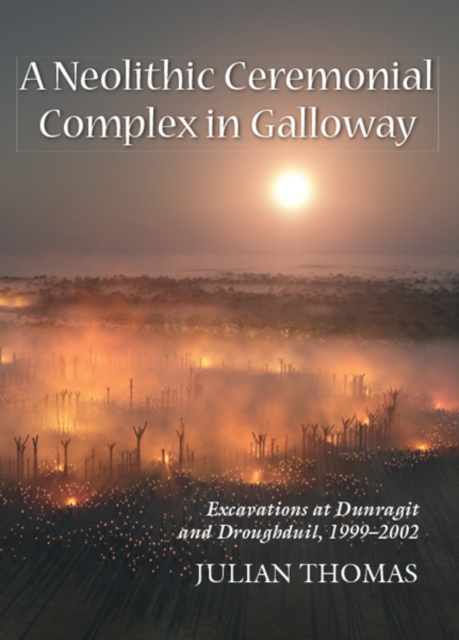
A complex enclosure identified by aerial photography at Dunragit Galloway, was demonstrated by excavation to have been of Late Neolithic date, and comprised three concentric timber ramped post-rings, 120–300 m in diameter.
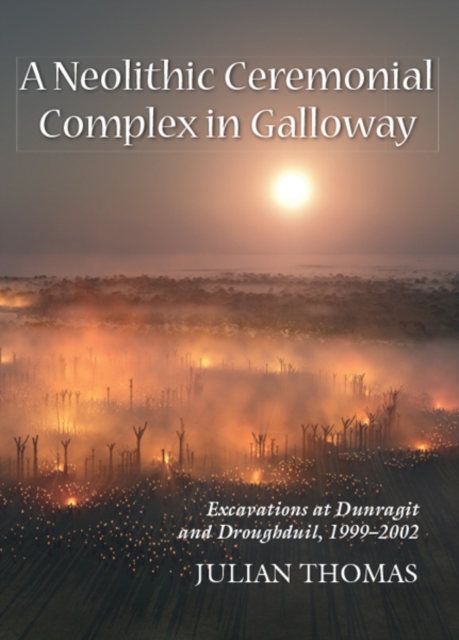
A complex enclosure identified by aerial photography at Dunragit Galloway, was demonstrated by excavation to have been of Late Neolithic date, and comprised three concentric timber ramped post-rings, 120–300 m in diameter.
Archaeological investigations at Huntsman’s Quarry, Kemerton, south Worcestershire during 1995-6 recorded significant Late Bronze Age occupation areas and field systems spreading across more than 8 hectares.
The Roman army was one of the most astounding organizations in the ancient world, and much of the success of the Roman empire can be attributed to its soldiers.
The Roman army was one of the most astounding organizations in the ancient world, and much of the success of the Roman empire can be attributed to its soldiers.
The medieval marketplace is a familiar setting in popular and academic accounts of the Middle Ages, but we actually know very little about the people involved in the transactions that took place there, how their lives were influenced by those transactions, or about the complex networks of individuals whose actions allowed raw materials to be extracted, hewn into objects, stored and ultimately shipped for market.
The medieval marketplace is a familiar setting in popular and academic accounts of the Middle Ages, but we actually know very little about the people involved in the transactions that took place there, how their lives were influenced by those transactions, or about the complex networks of individuals whose actions allowed raw materials to be extracted, hewn into objects, stored and ultimately shipped for market.
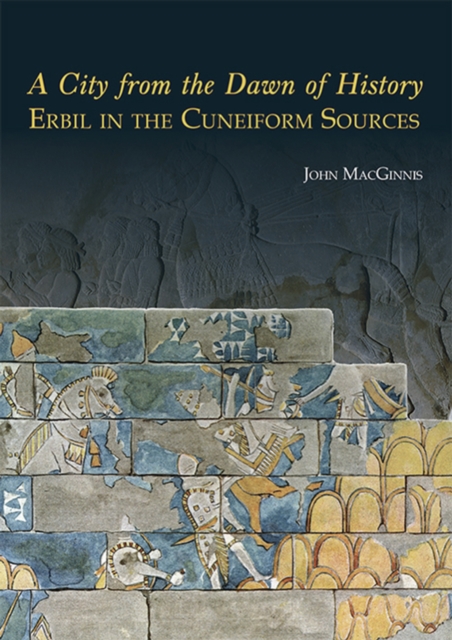
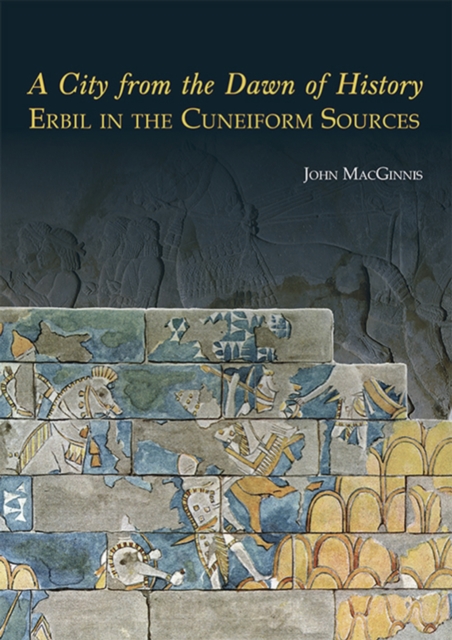
The city of Erbil, which now claims to be one of the oldest continually inhabited cities in the world, lies on the rich alluvial plains at the foot of the piedmont of the Zagros mountains in a strategic position which from the earliest times made it a natural gateway between Iran and Mesopotamia.
The city of Erbil, which now claims to be one of the oldest continually inhabited cities in the world, lies on the rich alluvial plains at the foot of the piedmont of the Zagros mountains in a strategic position which from the earliest times made it a natural gateway between Iran and Mesopotamia.
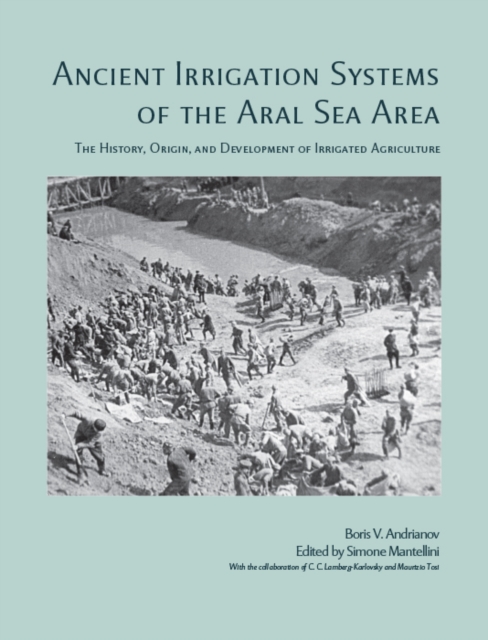
Ancient Irrigation Systems in the Aral Sea Area, is the English translation of Boris Vasilevich Andrianov's work, Drevnie orositelnye sistemy priaralya , concerning the study of ancient irrigation systems and the settlement pattern in the historical region of Khorezm, south of the Aral Sea (Uzbekistan).
Ancient Irrigation Systems in the Aral Sea Area, is the English translation of Boris Vasilevich Andrianov's work, Drevnie orositelnye sistemy priaralya , concerning the study of ancient irrigation systems and the settlement pattern in the historical region of Khorezm, south of the Aral Sea (Uzbekistan).
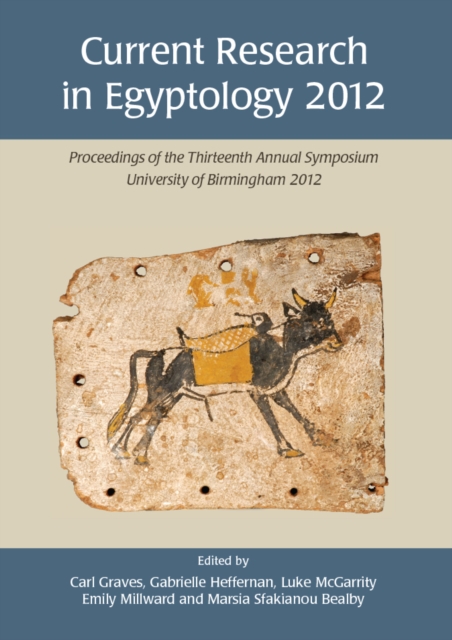
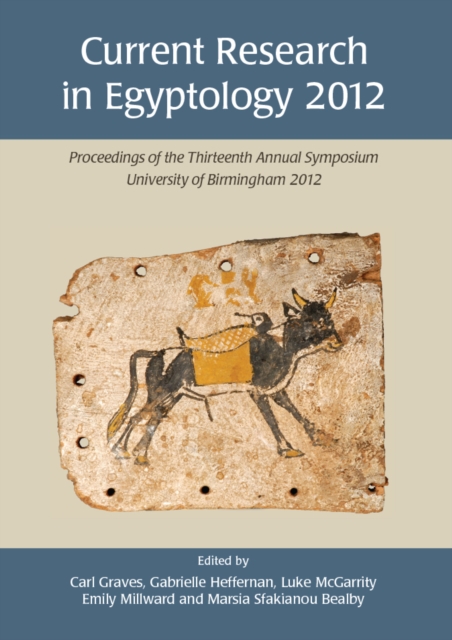
The thirteenth Current Research in Egyptology (CRE) conference was held from the 27th – 30th March 2012 at the University of Birmingham and once again provided a platform for postgraduates and early career Egyptologists, as well as independent researchers, to present their research.
The thirteenth Current Research in Egyptology (CRE) conference was held from the 27th – 30th March 2012 at the University of Birmingham and once again provided a platform for postgraduates and early career Egyptologists, as well as independent researchers, to present their research.
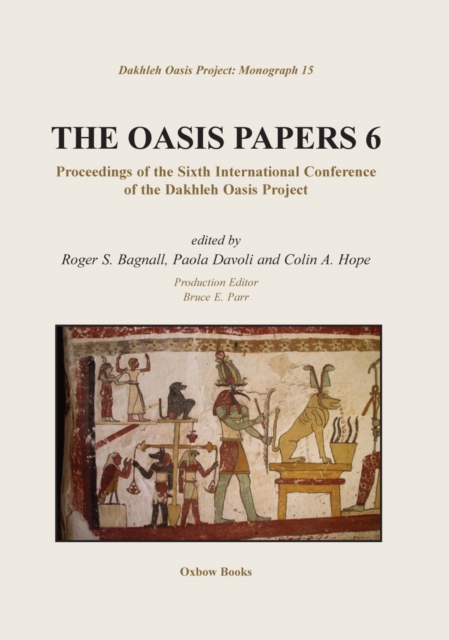
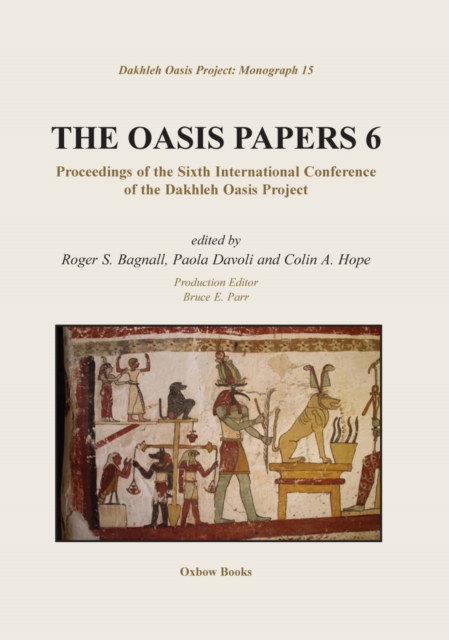
The Dakhleh Oasis Project is a long-term holistic investigation of the evolution of human populations in the changing environmental conditions of this isolated region in the Western Desert of Egypt.
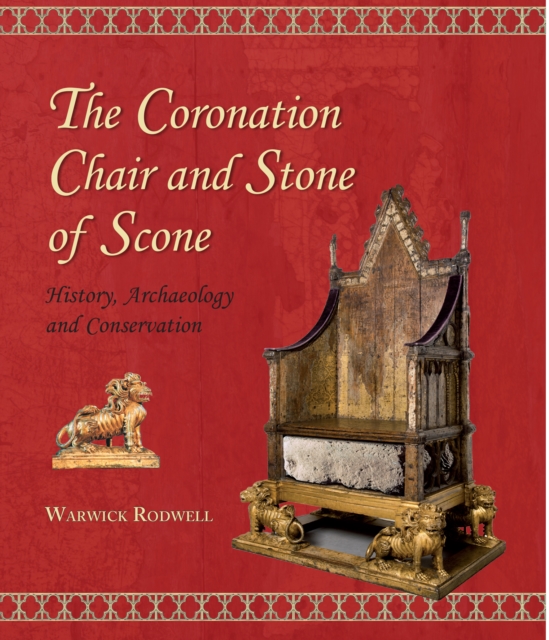
Constructed in 1297−1300 for King Edward I, the Coronation Chair ranks amongst the most remarkable and precious treasures to have survived from the Middle Ages.
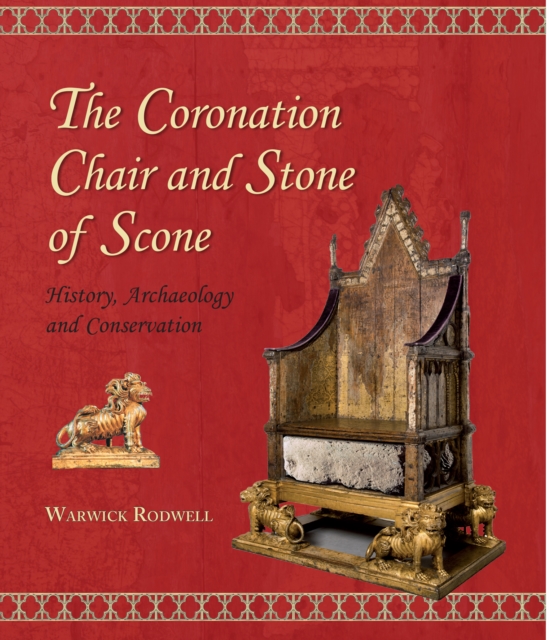
Constructed in 1297−1300 for King Edward I, the Coronation Chair ranks amongst the most remarkable and precious treasures to have survived from the Middle Ages.
The Dakhleh Oasis Project is a long-term holistic investigation of the evolution of human populations in the changing environmental conditions of this isolated region in the Western Desert of Egypt.
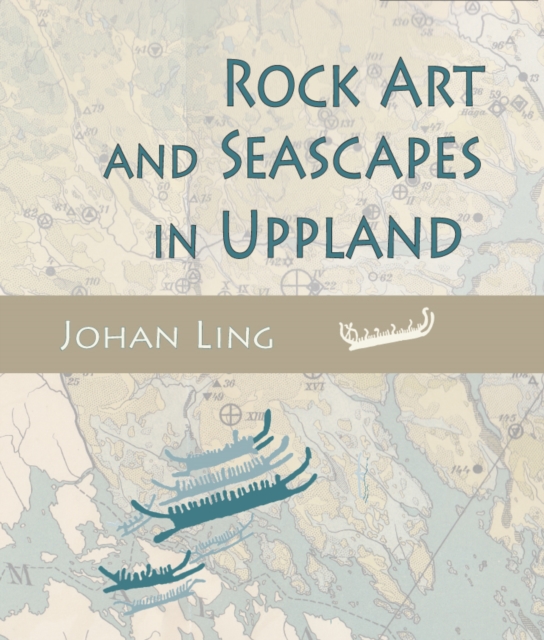
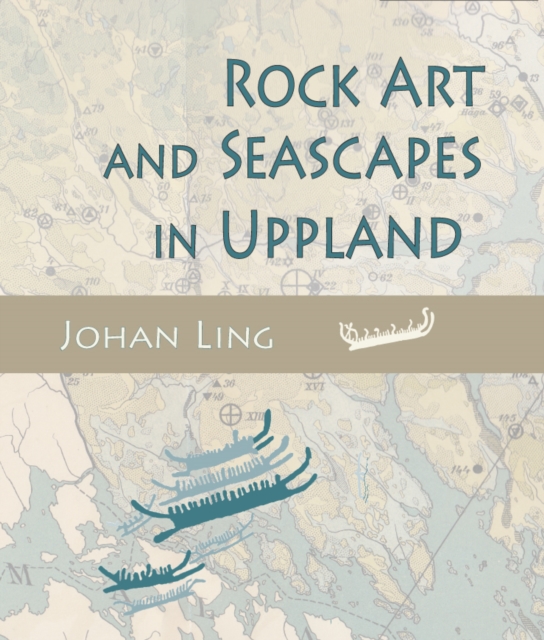
Rock Art and Seascapes in Uppland presents a fresh approach to the detailed study of a selection of over 80 rock art panels located close to the present coastline of Uppland, Sweden, which include some 2000 ship depictions among the varied figurative art.
Rock Art and Seascapes in Uppland presents a fresh approach to the detailed study of a selection of over 80 rock art panels located close to the present coastline of Uppland, Sweden, which include some 2000 ship depictions among the varied figurative art.
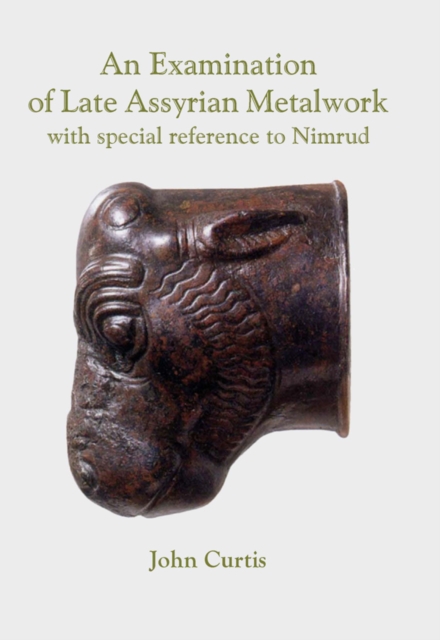
Although the Assyrian kingdom that dominated the Ancient Near East between the ninth and seventh centuries BC had a rich material culture, attested particularly by the distinctive stone wall reliefs and colossal gateway figures, practically nothing is known about Assyrian metalwork.
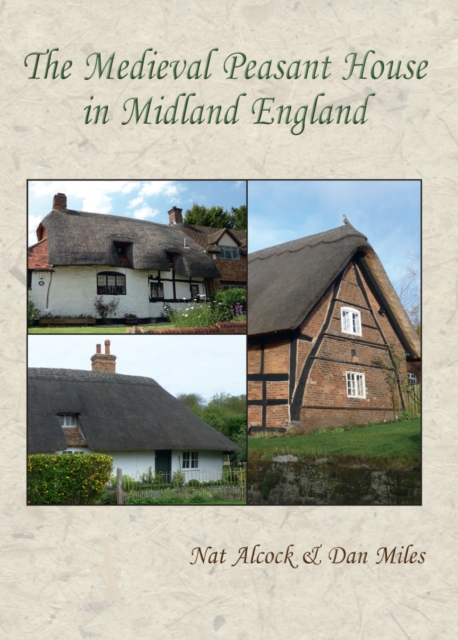
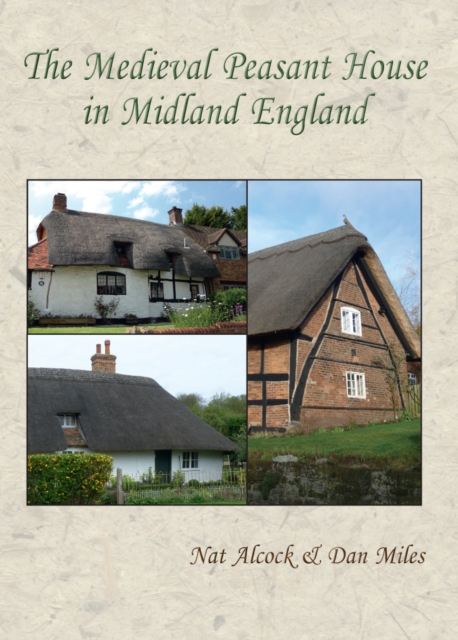
The aim of this lavishly illustrated book is to provide an in-depth study of the many medieval peasant houses still standing in Midland villages, and of their historical context.
The aim of this lavishly illustrated book is to provide an in-depth study of the many medieval peasant houses still standing in Midland villages, and of their historical context.
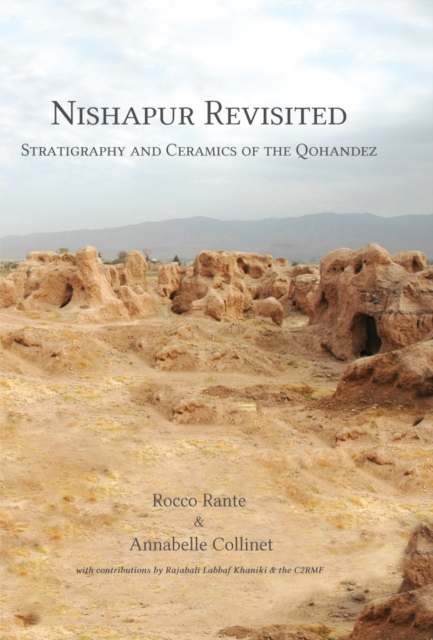
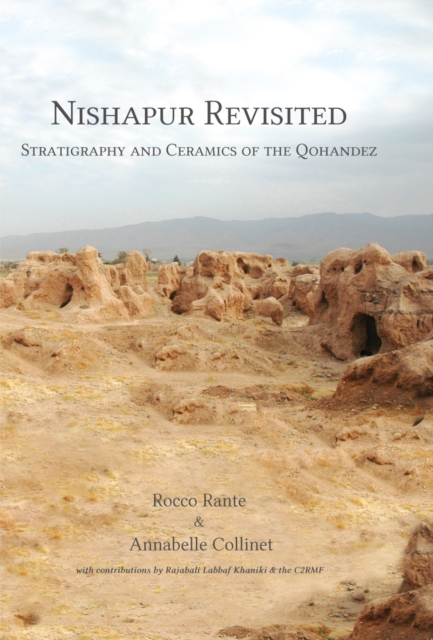
Nishapur in eastern Iran was an important Silk Road city, its position providing links to central Asia and China, Afghanistan and India, the Persian Gulf and the west.
Nishapur in eastern Iran was an important Silk Road city, its position providing links to central Asia and China, Afghanistan and India, the Persian Gulf and the west.
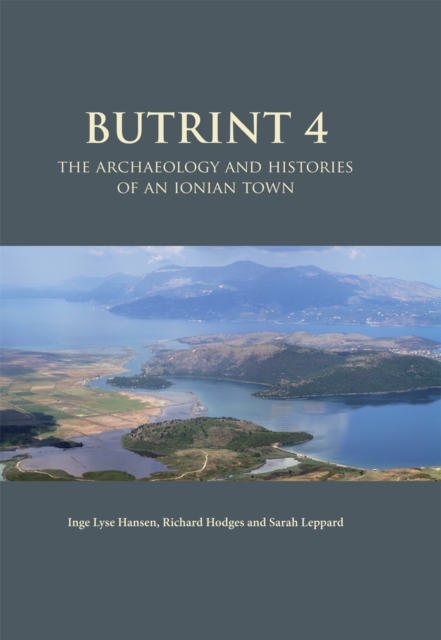
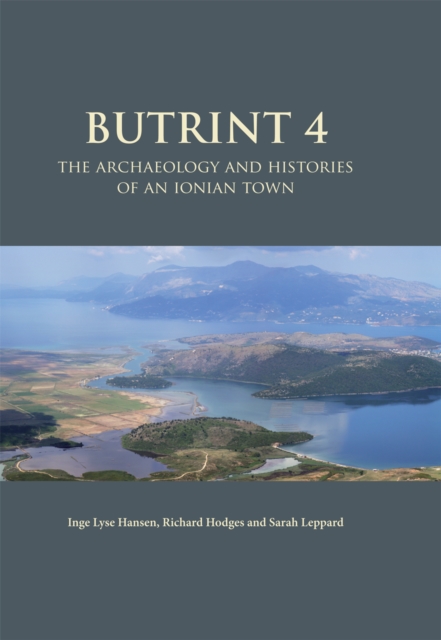
This richly illustrated volume discusses the histories of the port city of Butrint, and its intimate connection to the wider conditions of the Adriatic.
This richly illustrated volume discusses the histories of the port city of Butrint, and its intimate connection to the wider conditions of the Adriatic.
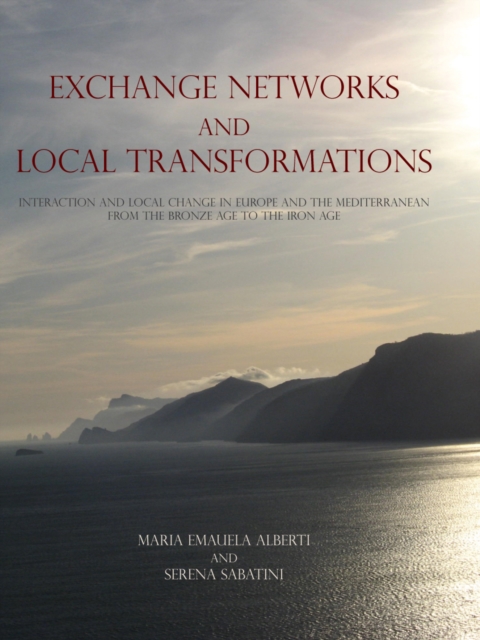
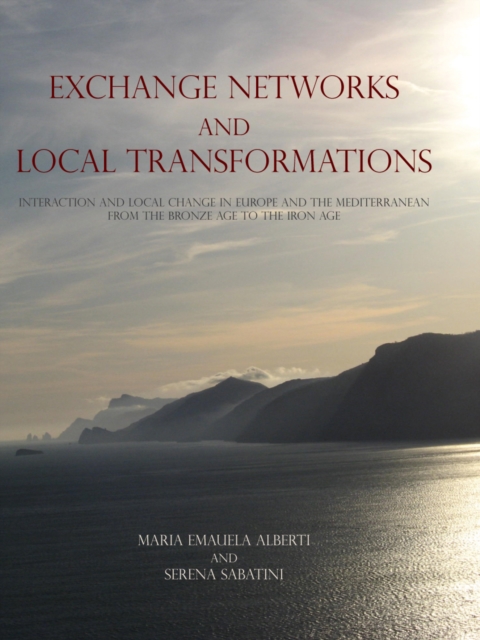
Throughout the local Bronze and Iron Age, European and Mediterranean societies appear to have been involved in complex systems of exchange networks which invariably affected local customs and historical developments.
Throughout the local Bronze and Iron Age, European and Mediterranean societies appear to have been involved in complex systems of exchange networks which invariably affected local customs and historical developments.
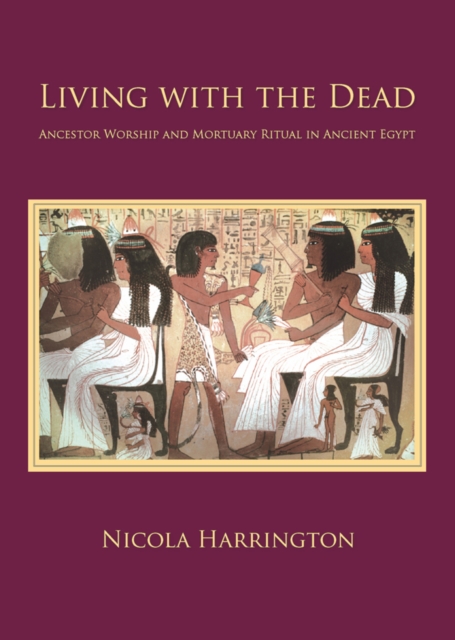
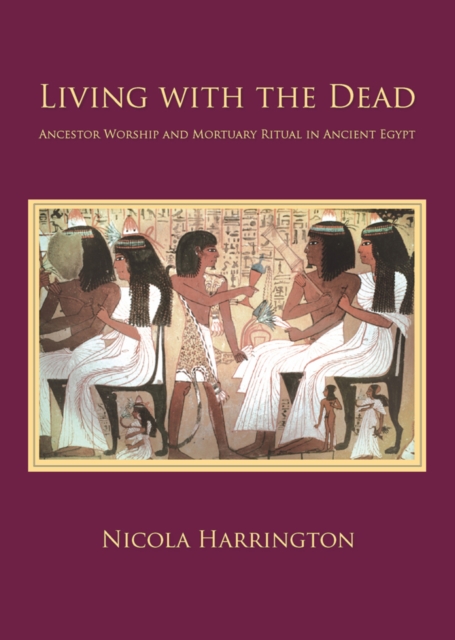
Living with the Dead presents a detailed analysis of ancestor worship in Egypt, using a diverse range of material, both archaeological and anthropological, to examine the relationship between the living and the dead.
Living with the Dead presents a detailed analysis of ancestor worship in Egypt, using a diverse range of material, both archaeological and anthropological, to examine the relationship between the living and the dead.
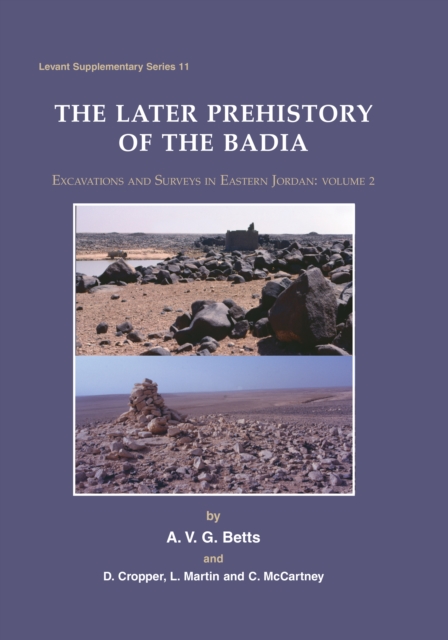
The Jordanian badia is an arid region that has been largely protected from modern development by its extreme climate and has preserved a remarkably rich record of its prehistoric past.
The Jordanian badia is an arid region that has been largely protected from modern development by its extreme climate and has preserved a remarkably rich record of its prehistoric past.