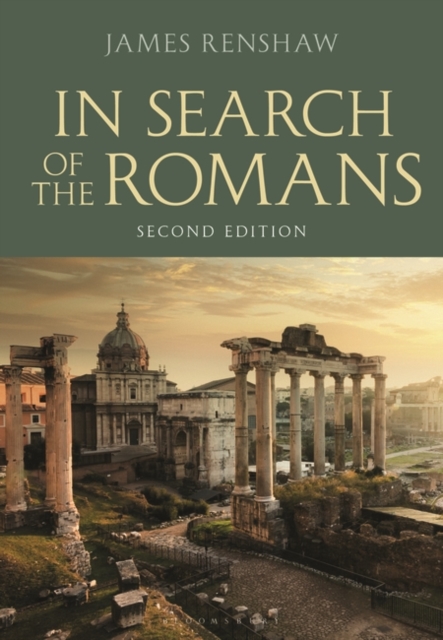
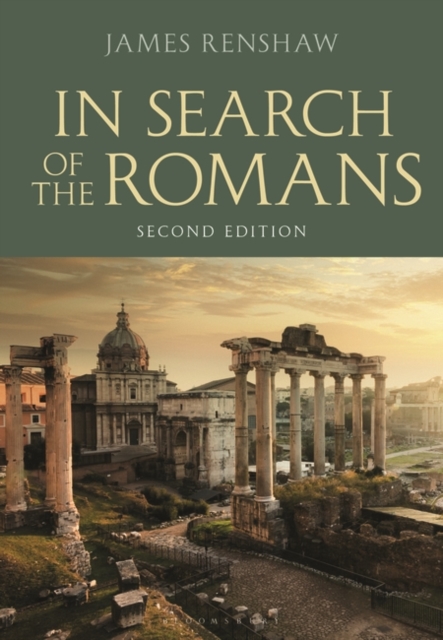
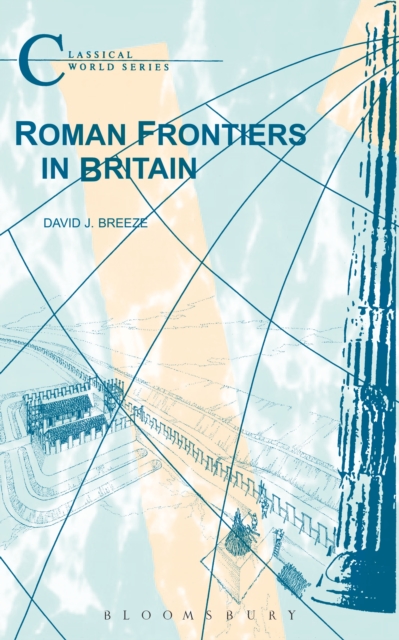
For four centuries Britain was an integral part of the Roman Empire, a political system stretching from Turkey to Portugal and from the Red Sea to the Tyne and beyond.
This volume presents studies by international experts on aspects of the society, economy, religion, culture, and history of the Greek settlements of the ancient western Mediterranean, one of the most innovative areas of the ancient Greek world.
This book uses both succinct, informative essays and beautiful, detailed photography to reveal how recent archeological discoveries in the ancient country of Armenia have transformed our understanding of the origins of human civilization and humanity itself.
British Consul with a long-standing interest in archaeology Thomas Sandwith's account of his two months travelling in Egypt provides a valuable new primary source on a dynamic period in Egyptian history.
The Viking reputation is of bloodthirsty seafaring warriors, repeatedly plundering the British Isles and the North Atlantic throughout the early Middle Ages.
Archaeology: The Science of the Human Past introduces students to the wide-ranging and fascinating world of archaeology and provides them with a comprehensive understanding of fundamental archaeological concepts and methods.
This volume substantiates the island of Cyprus as an important player in the history of the ancient Eastern Mediterranean and Near East, and presents new theoretical and analytical approaches.
This book showcases the latest information and newly discovered seventeenth-century artifacts from Jamestown, Virginia, the first permanent English settlement in America.
This volume substantiates the island of Cyprus as an important player in the history of the ancient Eastern Mediterranean and Near East, and presents new theoretical and analytical approaches.
Case studies combine archaeological data and oral tradition to illustrate how the archaeological expression of beliefs and meanings passed down in the oral tradition may be interpreted.
Bringing together a wide array of modern scientific techniques and interdisciplinary approaches, this book provides an accessible guide to the methods that form the current bedrock of research into Roman, and more broadly ancient, wine.
First English language assessment and discussion of the ebb and flow in development and decline of pre-industrial urban sites in western Thessaly from the 4th century BCE to the middle Ages.
This volume assembles scholars working on cuneiform texts from different periods, genres, and areas to examine the range of social, cultural, and historical contexts in which specific types of texts circulated.
An Introduction to Native North America provides a basic introduction to the Native peoples of North America, covering what are now the United States, northern Mexico, and Canada.
This work is a revealing study of the enigmatic Indus civilization and how a rich repertoire of archaeological tools is being used to probe its puzzles.
Challenges the terrestrial focus of European prehistory, emphasizing the significance of seascapes, maritime networks, and coastal societies in shaping prehistoric Europe.
Discusses new evidence of interactions between Scandinavia and Iberia during the Bronze Age and cross references warrior iconography in both societies.
Notwithstanding the fact that Egyptology is now recognised as a science, an exact and communicable knowledge of whose existence and scope it behoves all modern culture to take cognisance, Manual of Egyptian Archaeology and Guide to the Study of Antiquities in Egypt remains the Handbook of Egyptian Archaeology.
This book presents an introductory and comprehensive history of the Slavic-speaking peoples who inhabited Eastern and Southern Europe during the 700-year period stretching from the first archaeological and historical records to the establishment of their first organised polities.
In this acclaimed bestseller, an explorer and Neanderthal hunter takes us on a riveting journey of discovery'With the style of a poet and imagination of a philosopher, Ludovic Slimak probes the minds of Neanderthals.
An examination of the Paleolithic and Neolithic communities that inhabited not only the Nile Valley and Delta, but also the Western and Eastern Deserts.
This book explores social cohesion in rural settlements in western Europe from 700-1050, asking to what extent settlements, or districts, constituted units of social organisation.
This is the first book to survey the 'hidden half' of prehistoric societies as revealed by archaeology - from Australopithecines to advanced Stone Age foragers, from farming villages to the beginnings of civilisation.