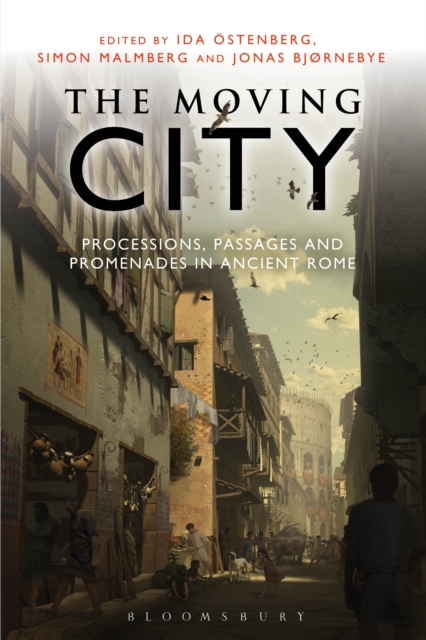
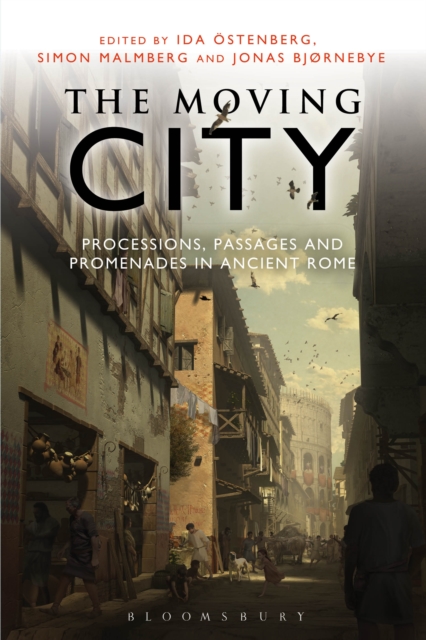
The Moving City: Processions, Passages and Promenades in Ancient Rome focusses on movements in the ancient city of Rome, exploring the interaction between people and monuments.
The Moving City: Processions, Passages and Promenades in Ancient Rome focusses on movements in the ancient city of Rome, exploring the interaction between people and monuments.
The Origins of the Civilization of Angkor reflects the results of a research programme conducted by Charles Higham over the last twenty years, highlighting much entirely new, and occasionally surprising, information and providing a distinct perspective on cultural change over two millennia.
The Origins of the Civilization of Angkor reflects the results of a research programme conducted by Charles Higham over the last twenty years, highlighting much entirely new, and occasionally surprising, information and providing a distinct perspective on cultural change over two millennia.
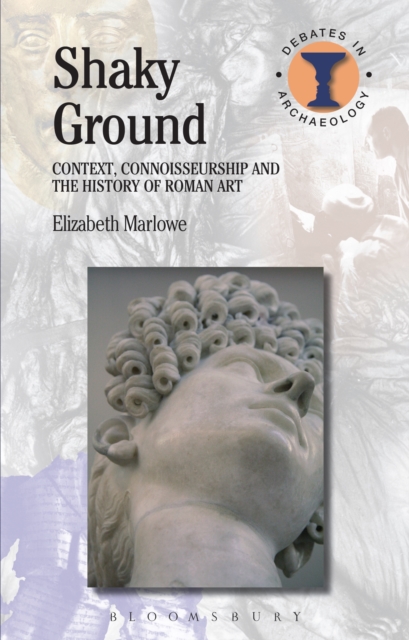
The recent crisis in the world of antiquities collecting has prompted scholars and the general public to pay more attention than ever before to the archaeological findspots and collecting histories of ancient artworks.
The recent crisis in the world of antiquities collecting has prompted scholars and the general public to pay more attention than ever before to the archaeological findspots and collecting histories of ancient artworks.
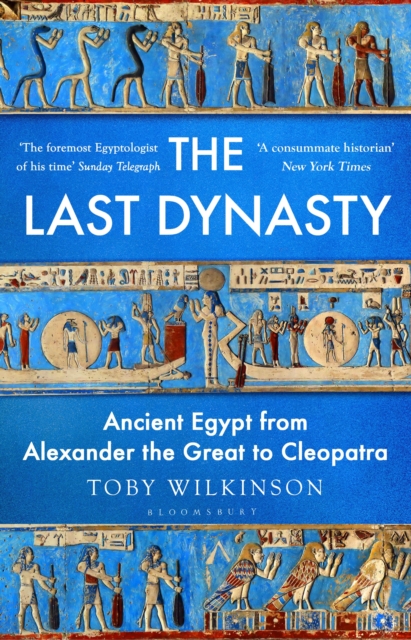
'A truly splendid read, richly detailed and powered by an unfailing gift for storytelling' John Guy'Superb and gripping' Simon Sebag MontefioreA definitive and thrilling new account of the last great dynasty of ancient Egypt, from Alexander the Great to Cleopatra.
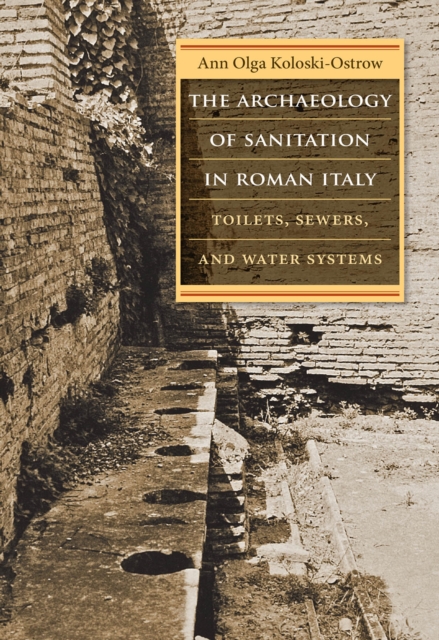
The Romans developed sophisticated methods for managing hygiene, including aqueducts for moving water from one place to another, sewers for removing used water from baths and runoff from walkways and roads, and public and private latrines.
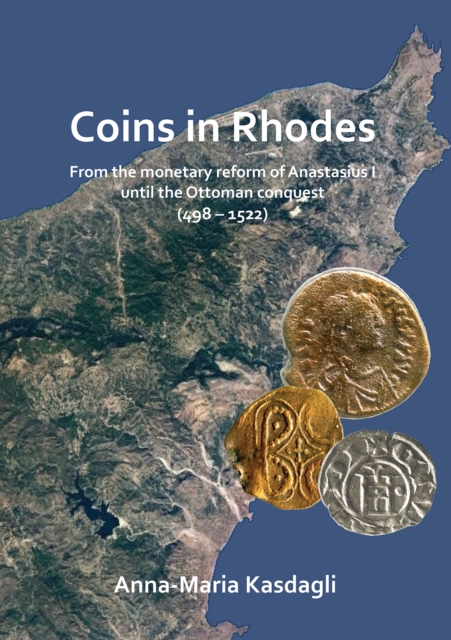
Coins in Rhodes: From the monetary reform of Anastasius I until the Ottoman conquest (498 - 1522) presents the Byzantine and medieval coins collected by Greek archaeologists in Rhodes over a period of more than sixty years.
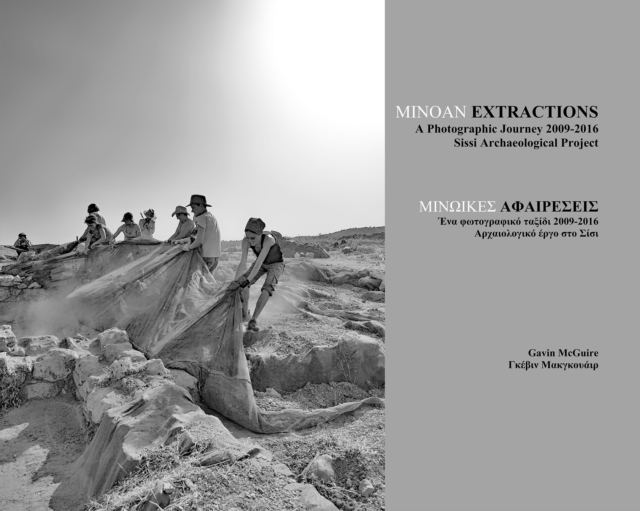
Archaeologist and award-winning photographer Gavin McGuire’s involvement with the Sissi Archaeological Project, where he conducted a seven year photographic study of the Bronze Age Minoan excavations under the auspices of the Belgian School in Athens, Université Catholique de Louvain, offered an extraordinary opportunity to capture moments of human interaction during excavations as they interconnected with an ancient Minoan culture, stretching back millennia (2600-1200 BC).
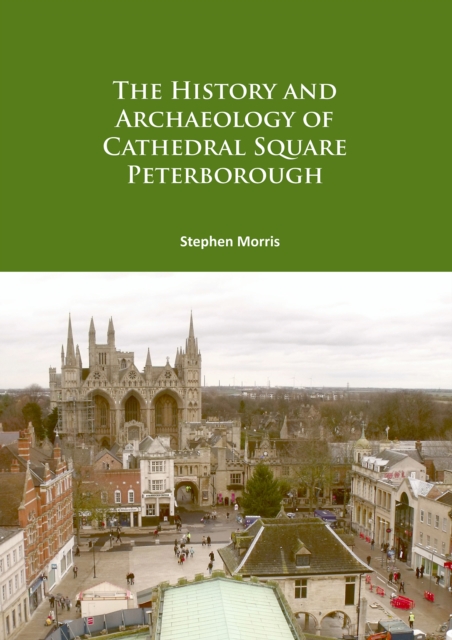
Northamptonshire Archaeology, now MOLA Northampton, was commissioned by Opportunity Peterborough (Peterborough City Council) to undertake archaeological work ahead of an improvement scheme centred on Cathedral Square, the historic centre of Peterborough.
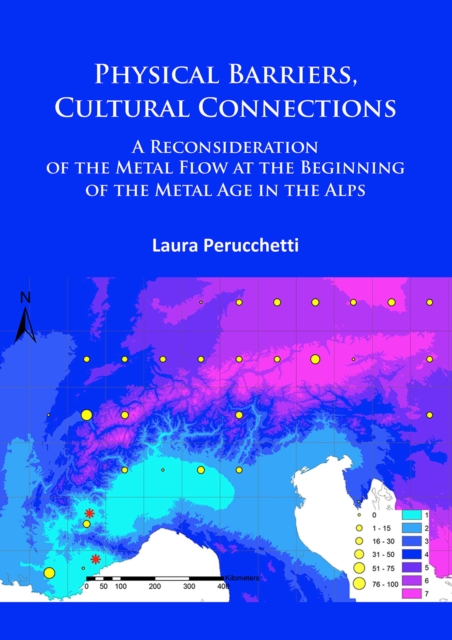
Physical Barriers, Cultural Connections: A Reconsideration of the Metal Flow at the Beginning of the Metal Age in the Alps considers the early copper and copper-alloy metallurgy of the entire Circum- Alpine region.
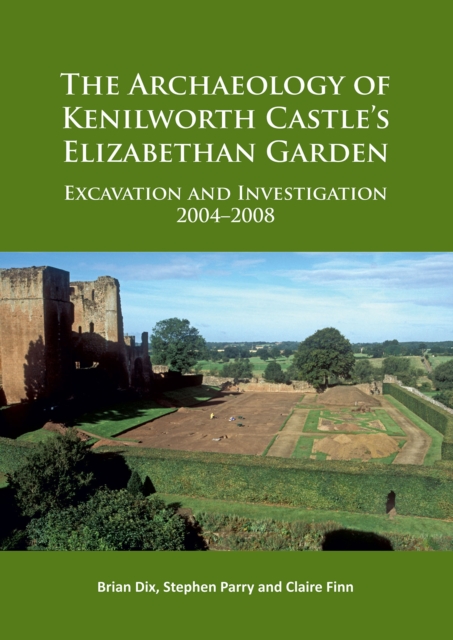
As part of the Property Development Programme for Kenilworth Castle in Warwickshire, English Heritage created an ambitious reconstruction of the Elizabethan garden which formerly stood on the north side of the castle keep.
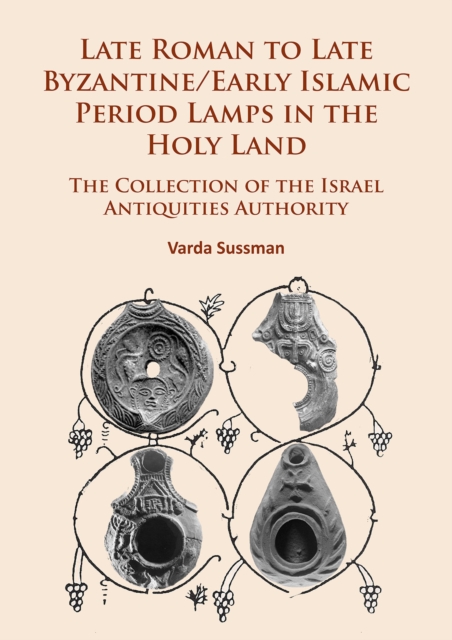
This volume illustrates lamps from the Byzantine period excavated in the Holy Land and demonstrates the extent of their development since the first enclosing/capturing of light (fire) within a portable man-made vessel.
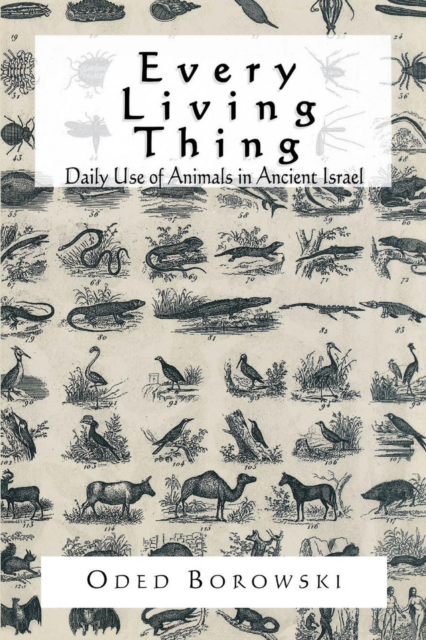
The agricultural world of Old Testament Israel swarmed with animals-birds, insects, fish, pack animals, pets, animals for hunting, and domesticated herds of sheep, goats, and cattle.
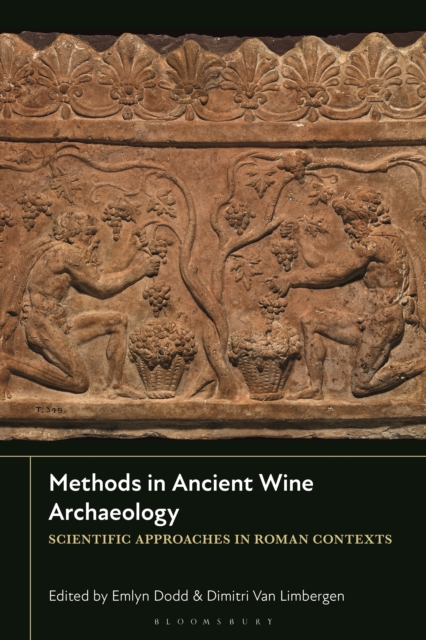
Bringing together a wide array of modern scientific techniques and interdisciplinary approaches, this book provides an accessible guide to the methods that form the current bedrock of research into Roman, and more broadly ancient, wine.
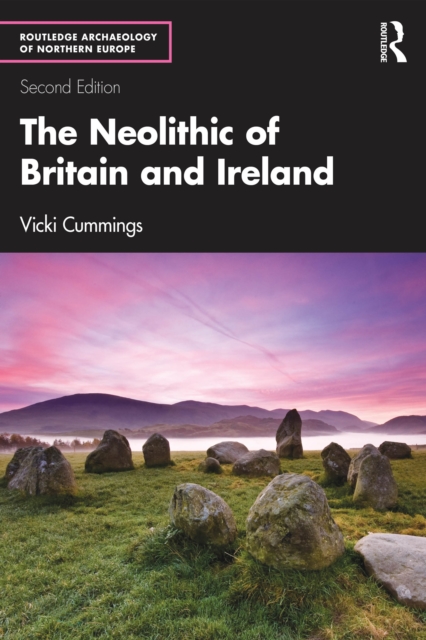
The Neolithic of Britain and Ireland provides a comprehensive overview of this exciting period, covering the last few hundred years of the Mesolithic and the arrival and spread of the Neolithic up to the start of the early Beaker period: roughly 2000 years of prehistory.
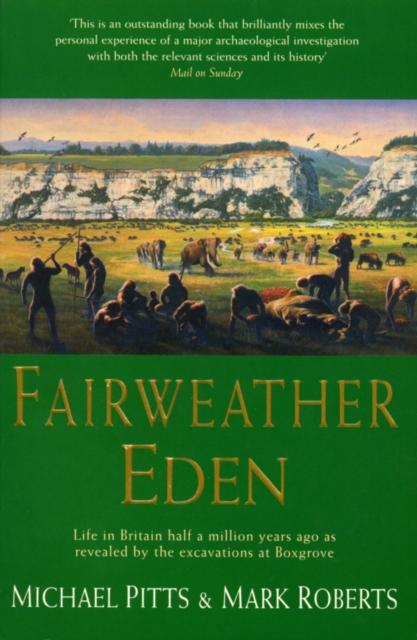
The discovery of the remains of 'Boxgrove Man', a 'Missing Link' hominid half a million years old in chalk pits in Sussex made world headlines in May 1994.
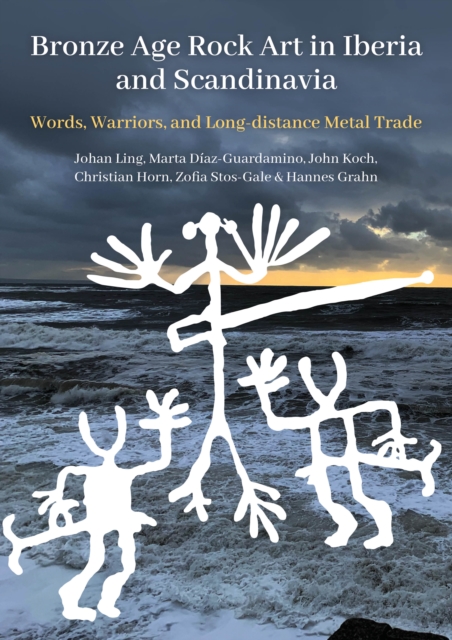
Discusses new evidence of interactions between Scandinavia and Iberia during the Bronze Age and cross references warrior iconography in both societies.
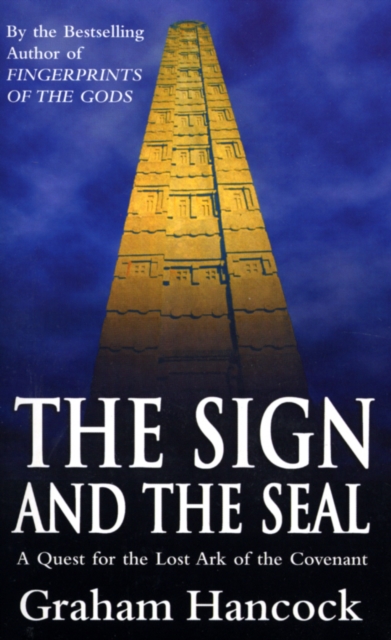
FROM THE MULTI-MILLION-COPY BESTSELLING AUTHOR OF FINGERPRINTS OF THE GODS AND CREATOR OF NETFLIX'S ANCIENT APOCALYPSE 'Nail-biting' SUNDAY EXPRESS'An intellectual whodunit by a do-it-yourself sleuth' GUARDIAN___________________________________The greatest secret of the last 3000 years is about to be shattered.
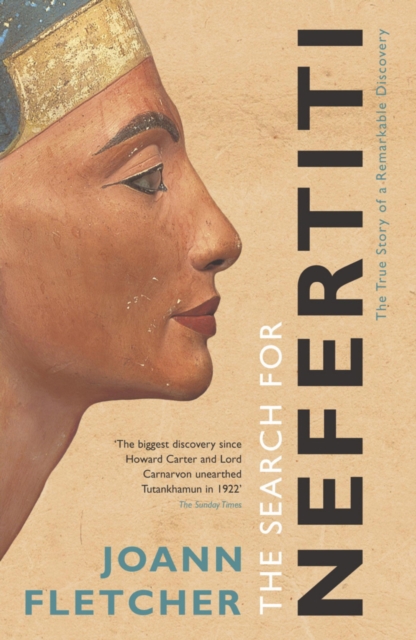
Joann Fletcher, presenter of BBC2's 'Ancient Egypt: Life and Death in the Valley of the Kings' has written an enthralling account of Nefertiti, one of Egypt's most compelling and mysterious figures.
Ten-year anniversary edition with new introduction from the author and updated contentFive Star Reader Reviews"e;Captivating, necessary and enlightening.
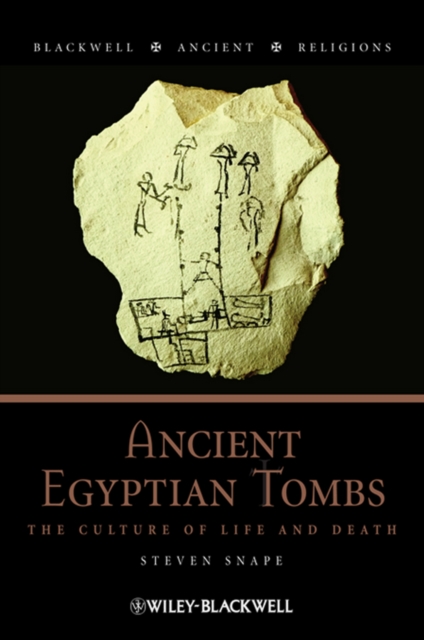
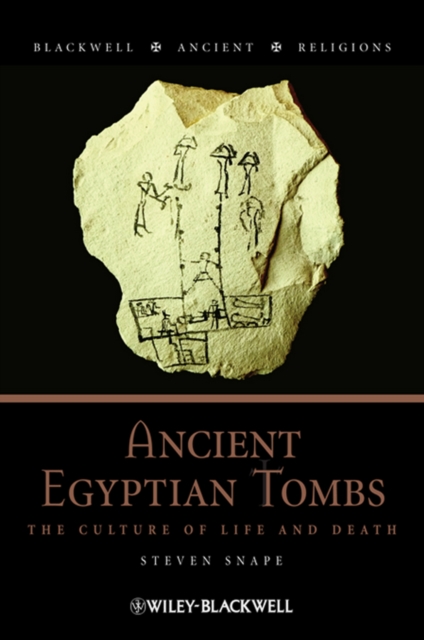
This book explores the development of tombs as a cultural phenomenon in ancient Egypt and examines what tombs reveal about ancient Egyptian culture and Egyptians' belief in the afterlife.
This book explores the development of tombs as a cultural phenomenon in ancient Egypt and examines what tombs reveal about ancient Egyptian culture and Egyptians' belief in the afterlife.
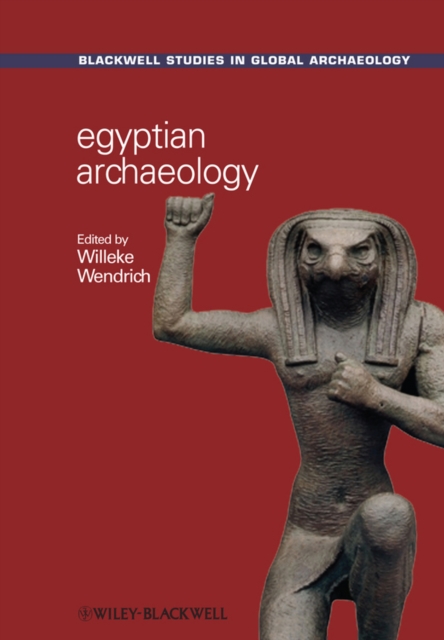
Egyptian Archaeology explores ancient Egypt using a uniquely archaeological approach, drawing on original research to both synthesize and challenge existing scholarship.
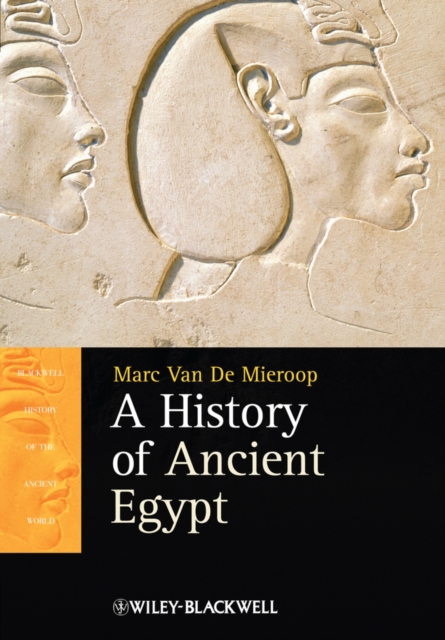
Outlining the major political and cultural events, A History of Ancient Egypt is an authoritative and accessible introduction to this fascinating ancient culture.
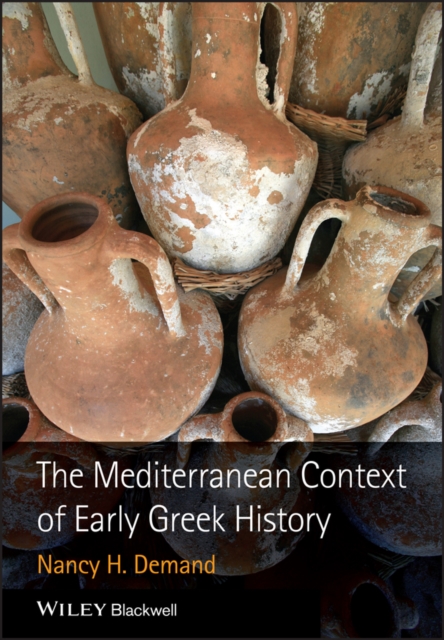
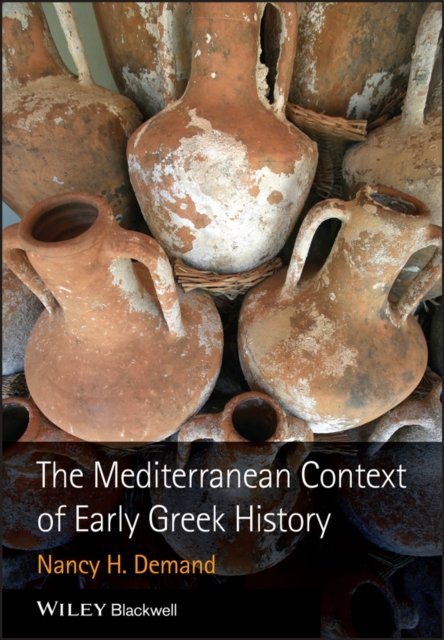
The Mediterranean Context of Early Greek History p> Drawing extensively on the latest archaeological data from the entire Mediterranean basin, Nancy Demand offers a compelling argument for situating the origins of the Greek city-state within a pan-Mediterranean network of maritime interactions that stretches back millennia.
The Mediterranean Context of Early Greek History p> Drawing extensively on the latest archaeological data from the entire Mediterranean basin, Nancy Demand offers a compelling argument for situating the origins of the Greek city-state within a pan-Mediterranean network of maritime interactions that stretches back millennia.