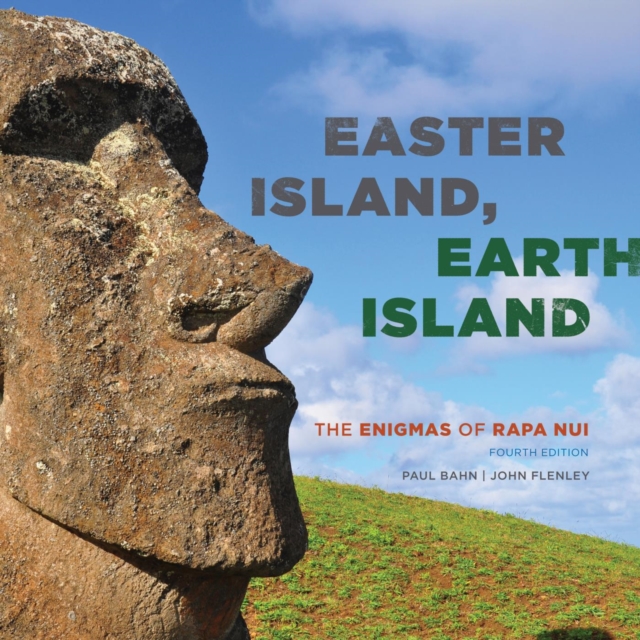
Easter Island, isolated deep in the South Pacific and now a World Heritage Site, was home to a fascinating prehistoric culture-one that produced massive stone effigies (the moai) and the birdman cult-and yet much of the island's past remains shrouded in mystery.
Seminaries generally are not very effective in equipping pastors to be ministers of reconciliation, says pastor and experienced mediator Alfred Poirier.
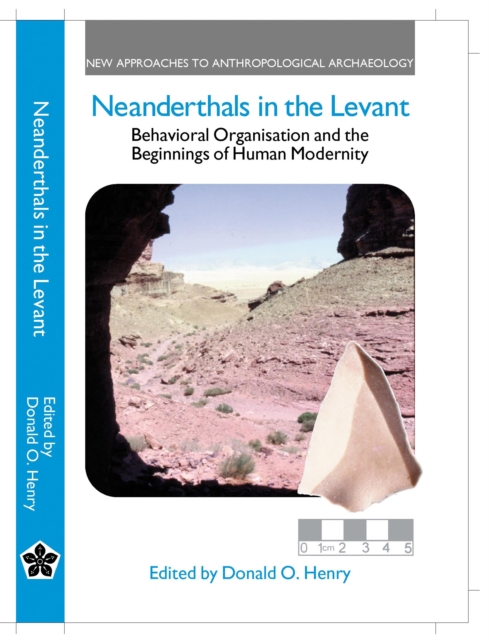
The volume traces the controversy that revolves around the bio-cultural relationships of Archaic (Neanderthal) and Modern humans at global and regional, Levantine scales.
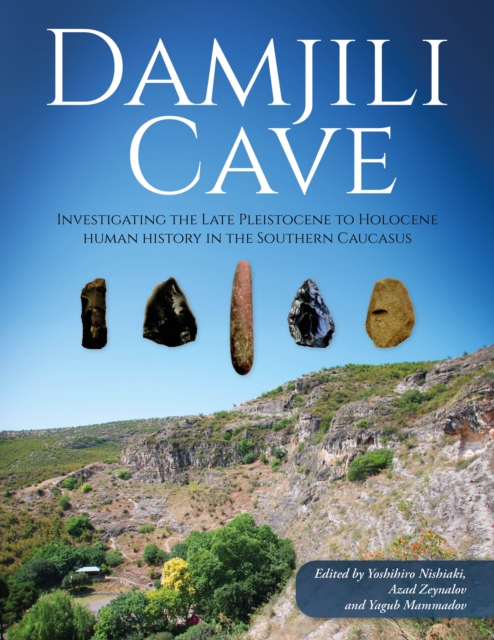
Presents archaeological evidence from the Azerbaijan-Japan excavations, revealing insights into Mesolithic to Neolithic transition and farming communities in the South Caucasus.
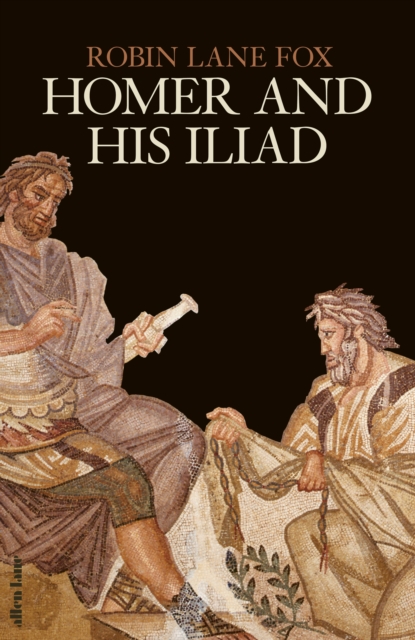
A thrilling study of the greatest of all epic poems, by one of the world's leading classicistsHomer's Iliad is the famous epic poem set among the tales of Troy.
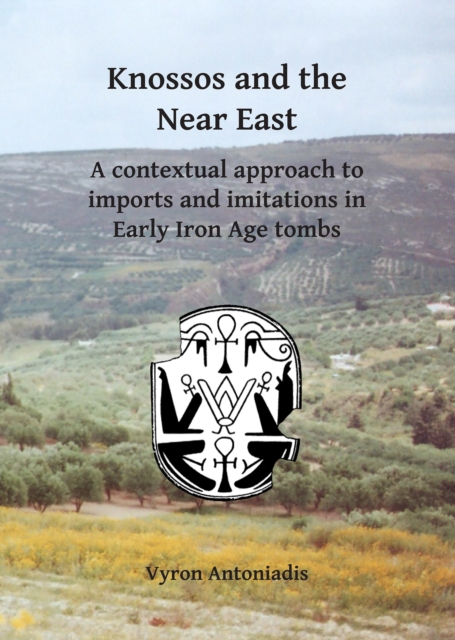
In this book, Dr Vyron Antoniadis presents a contextual study of the Near Eastern imports which reached Crete during the Early Iron Age and were deposited in the Knossian tombs.
'More action and hair-raising stunts than you'll find in four Bond movies' EVENING TELEGRAPH'Thrilling, action-packed adventure' GUARDIANDISCOVER THIS WILDLY-ENTERTAINING, GLOBE-TROTTING ADVENTURE FROM INTERNATIONAL BESTSELLER MATTHEW REILLY* * * * *What if the greatest lost cities of legend are still out there.
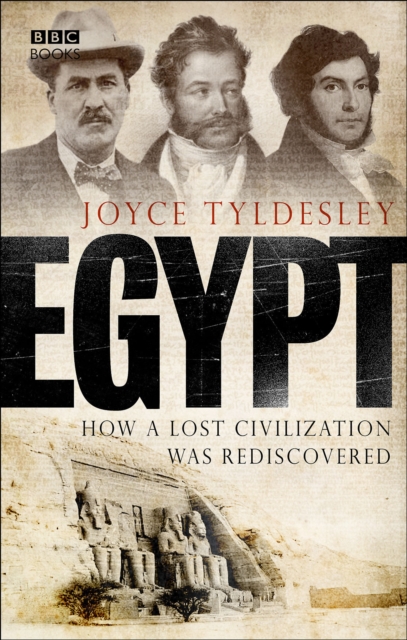
For nearly two thousand years after the last pharaoh ruled Egypt the wonders of this ancient culture remained hidden, seemingly lost and forgotten for ever.
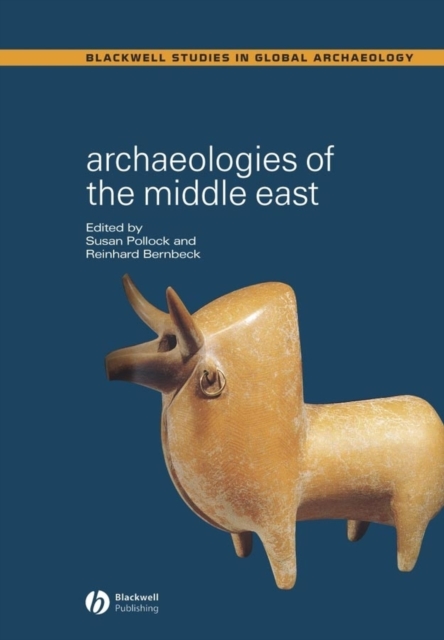
Archaeologies of the Middle East provides an innovative introduction to the archaeology of this fascinating region and a window on both its past and present.
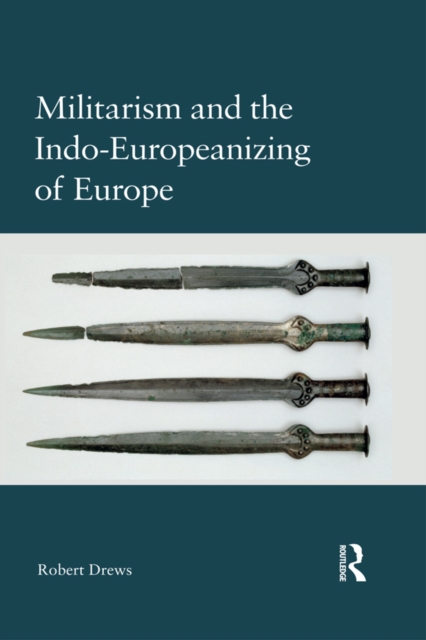
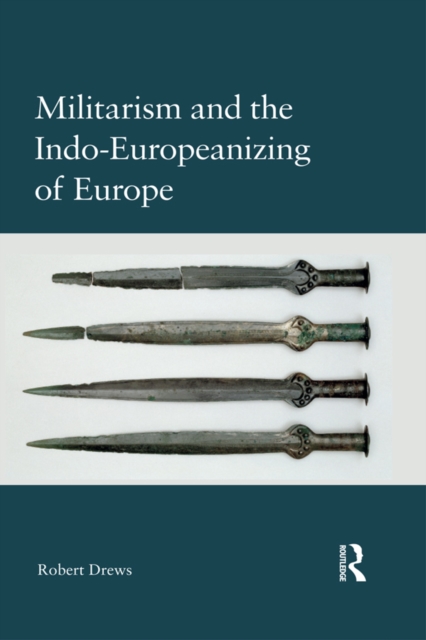
This book argues that the Indo-Europeanizing of Europe essentially began shortly before 1600 BC, when lands rich in natural resources were taken over by military forces from the Eurasian steppe and from southern Caucasia.
This book argues that the Indo-Europeanizing of Europe essentially began shortly before 1600 BC, when lands rich in natural resources were taken over by military forces from the Eurasian steppe and from southern Caucasia.
The Story of Garum recounts the convoluted journey of that notorious Roman fish sauce, known as garum, from a smelly Greek fish paste to an expensive luxury at the heart of Roman cuisine and back to obscurity as the Roman empire declines.
The Story of Garum recounts the convoluted journey of that notorious Roman fish sauce, known as garum, from a smelly Greek fish paste to an expensive luxury at the heart of Roman cuisine and back to obscurity as the Roman empire declines.
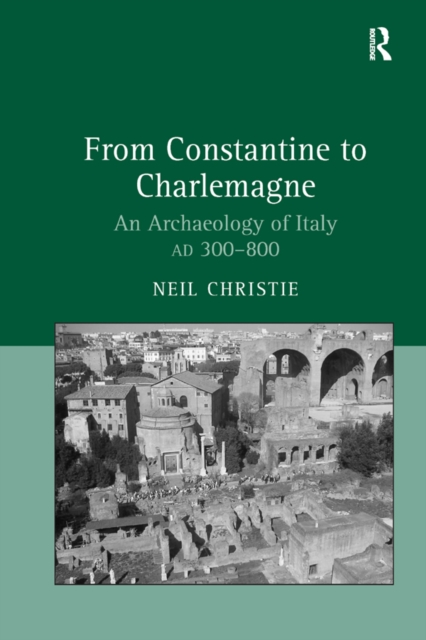
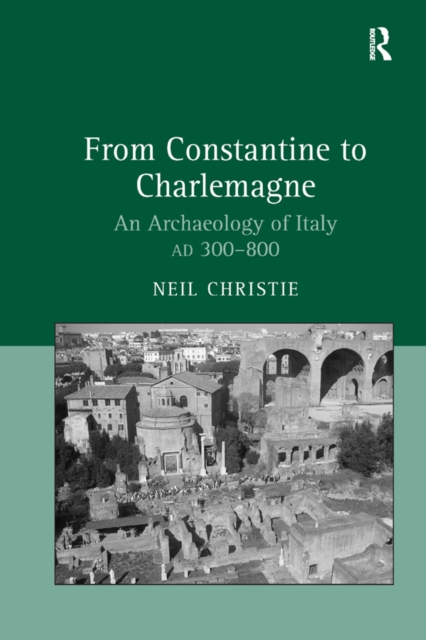
This book offers an overview of the archaeological and structural evidence for one of the most vital periods of Italian history, spanning the late Roman and early medieval periods.
This book offers an overview of the archaeological and structural evidence for one of the most vital periods of Italian history, spanning the late Roman and early medieval periods.
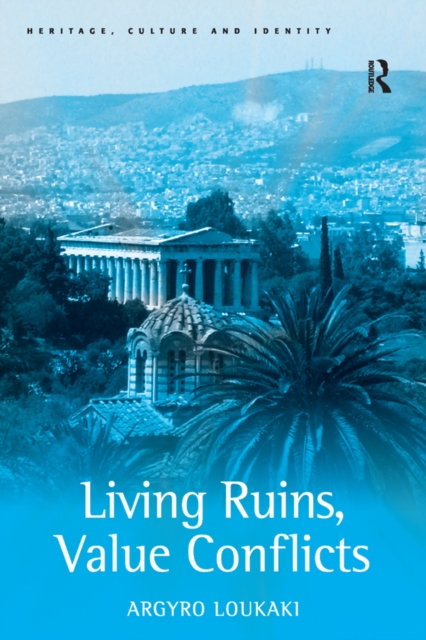
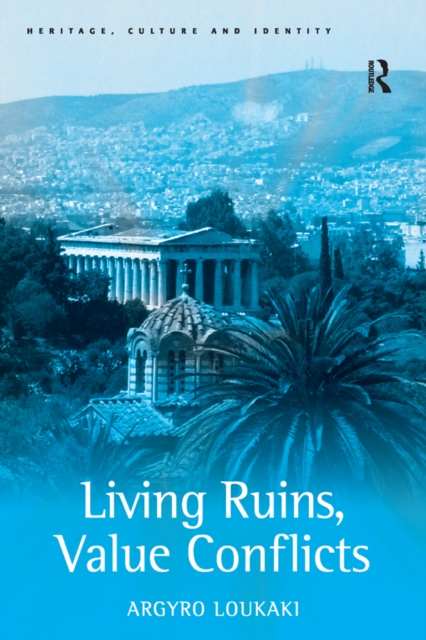
Using monuments and ruins by way of illustration, this fascinating book examines the symbolic, ideological, geographical and aesthetic importance of Greek classical iconography for the Western world.
Using monuments and ruins by way of illustration, this fascinating book examines the symbolic, ideological, geographical and aesthetic importance of Greek classical iconography for the Western world.
Recent advances in research show that the distinctive features of high medieval civilization began developing centuries earlier than previously thought.
Recent advances in research show that the distinctive features of high medieval civilization began developing centuries earlier than previously thought.
This book looks at the evolution of rural settlement in Scotland from the Mesolithic period through to the improving movement of the 18th and 19th centuries.
This book looks at the evolution of rural settlement in Scotland from the Mesolithic period through to the improving movement of the 18th and 19th centuries.
The contributions to this volume have been selected from the papers delivered at the 34th Spring Symposium of Byzantine Studies at Birmingham, in April 2000.
The contributions to this volume have been selected from the papers delivered at the 34th Spring Symposium of Byzantine Studies at Birmingham, in April 2000.
'Violence' is virtually synonymous in the popular imagination with the period of the Later Roman Empire-a time when waves of barbarian invaders combined with urban mobs and religious zealots to bring an end to centuries of peace and serenity.
'Violence' is virtually synonymous in the popular imagination with the period of the Later Roman Empire-a time when waves of barbarian invaders combined with urban mobs and religious zealots to bring an end to centuries of peace and serenity.
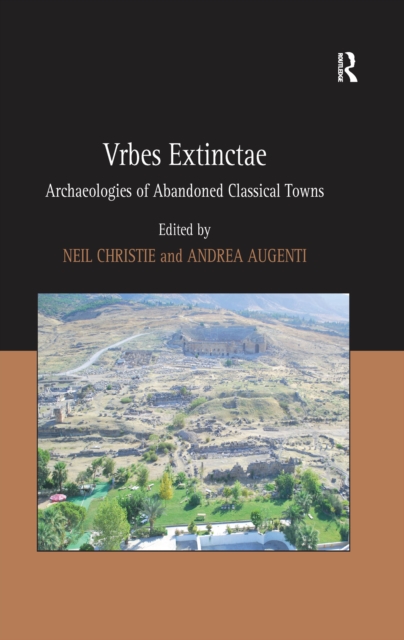
Core tourist sites for the classical world are the ruins of those many and scattered examples of 'lost' and abandoned towns - from Pompeii to Timgad to Ephesus and Petra.