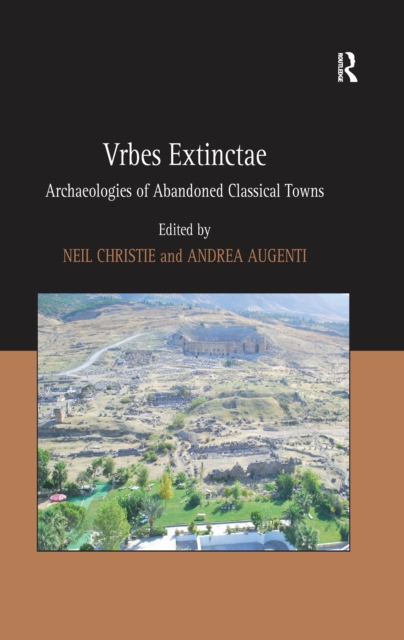
Core tourist sites for the classical world are the ruins of those many and scattered examples of 'lost' and abandoned towns - from Pompeii to Timgad to Ephesus and Petra.
This volume sheds new light on the significance and meaning of material culture for the study of pilgrimage in the ancient world, focusing in particular on Classical and Hellenistic Greece, the Roman Empire and Late Antiquity.
This volume sheds new light on the significance and meaning of material culture for the study of pilgrimage in the ancient world, focusing in particular on Classical and Hellenistic Greece, the Roman Empire and Late Antiquity.
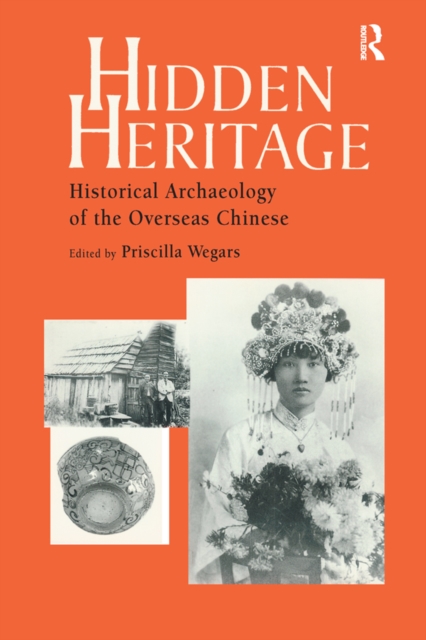
Beginning in the mid-nineteenth century, large numbers of people from mainland China emigrated to the United States and other countries seeking employment.
Beginning in the mid-nineteenth century, large numbers of people from mainland China emigrated to the United States and other countries seeking employment.
Before Alexander, the Near East was ruled by dynasts who could draw on the significant resources and power base of their homeland, but this was not the case for the Seleukids who never controlled their original homeland of Macedon.
Before Alexander, the Near East was ruled by dynasts who could draw on the significant resources and power base of their homeland, but this was not the case for the Seleukids who never controlled their original homeland of Macedon.
The Routledge Handbook of Global Historical Archaeology is a multi-authored compendium of articles on specific topics of interest to today's historical archaeologists, offering perspectives on the current state of research and collectively outlining future directions for the field.
The Routledge Handbook of Global Historical Archaeology is a multi-authored compendium of articles on specific topics of interest to today's historical archaeologists, offering perspectives on the current state of research and collectively outlining future directions for the field.
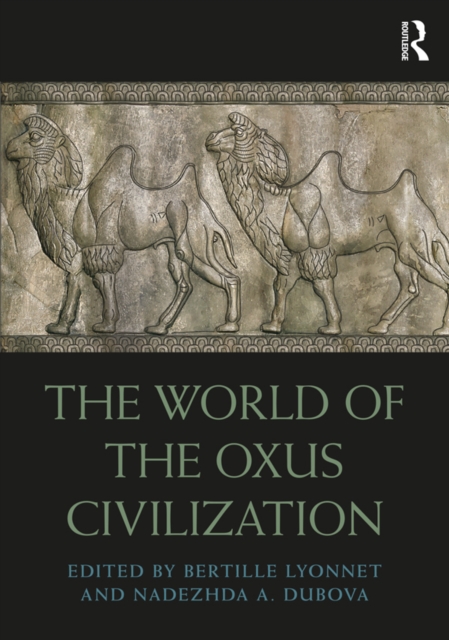
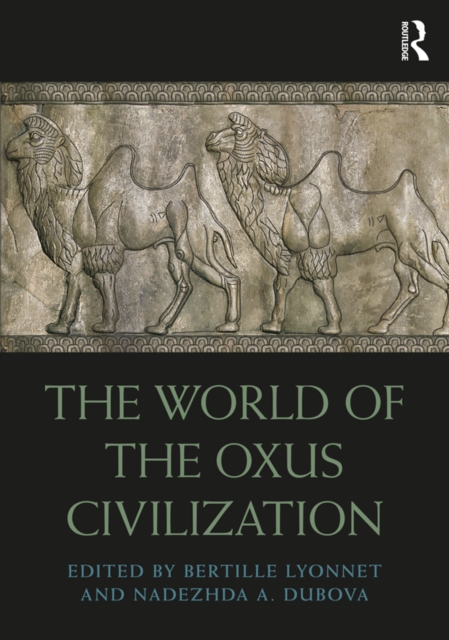
This collection of essays presents a synthesis of current research on the Oxus Civilization, which rose and developed at the turn of the 3rd to 2nd millennia BC in Central Asia.
This collection of essays presents a synthesis of current research on the Oxus Civilization, which rose and developed at the turn of the 3rd to 2nd millennia BC in Central Asia.
Heritage Sites in Contemporary China: Cultural Policies and Management Practices focuses on cultural heritage policies in China emerging in the period of the 11th and 12th Five Year Plans.
Heritage Sites in Contemporary China: Cultural Policies and Management Practices focuses on cultural heritage policies in China emerging in the period of the 11th and 12th Five Year Plans.
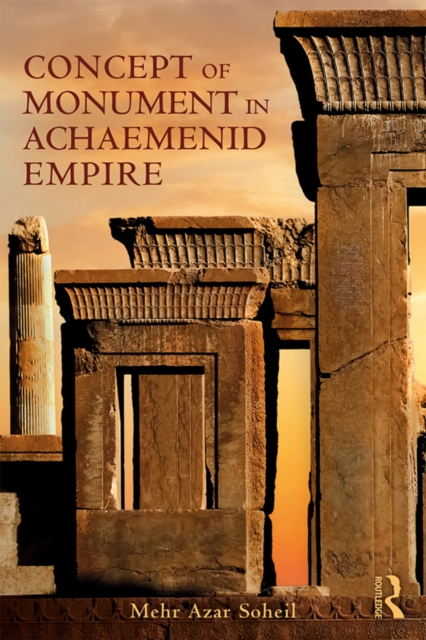
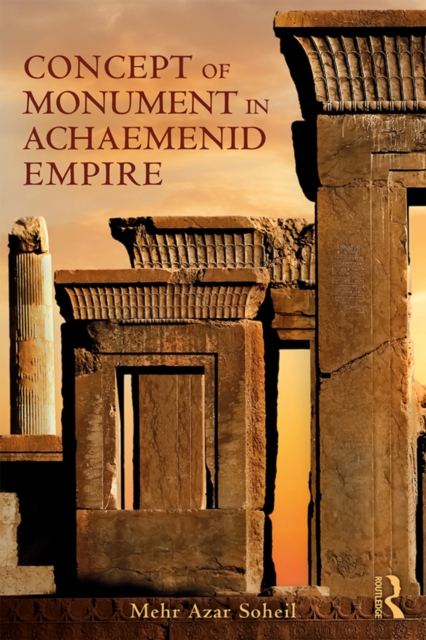
The aim of this book is to explore the significance of the concept of 'monument' in the context of the Achaemenid Empire (550-330 BC), with particular reference to the Royal Ensemble of Persepolis, founded by Darius I and built together with his son Xerxes.
The aim of this book is to explore the significance of the concept of 'monument' in the context of the Achaemenid Empire (550-330 BC), with particular reference to the Royal Ensemble of Persepolis, founded by Darius I and built together with his son Xerxes.
This volume presents Babylon as it has been passed down through Western culture: through the Bible, classical texts, in Medieval travel accounts, and through depictions of the Tower motif in art.
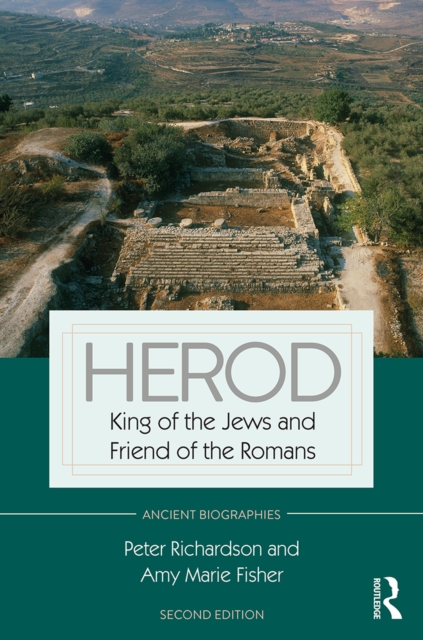
Herod: King of the Jews and Friend of the Romans examines the life, work, and influence of this controversial figure, who remains the most highly visible of the Roman client kings under Augustus.
Herod: King of the Jews and Friend of the Romans examines the life, work, and influence of this controversial figure, who remains the most highly visible of the Roman client kings under Augustus.
Rock Art and the Wild Mind presents a study of Mesolithic rock art on the Scandinavian peninsula, including the large rock art sites in Alta, Namforsen and Vingen.
Rock Art and the Wild Mind presents a study of Mesolithic rock art on the Scandinavian peninsula, including the large rock art sites in Alta, Namforsen and Vingen.
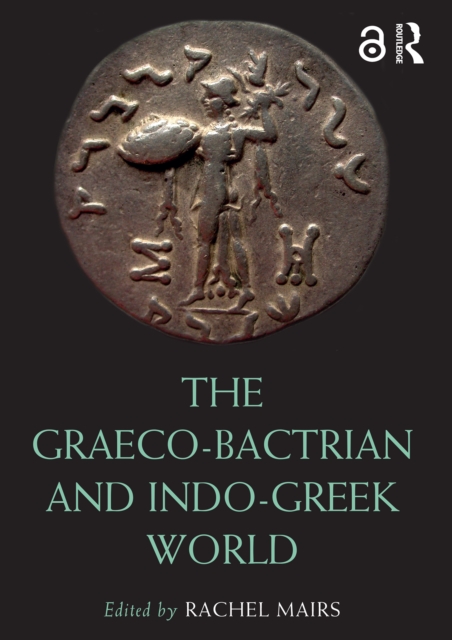
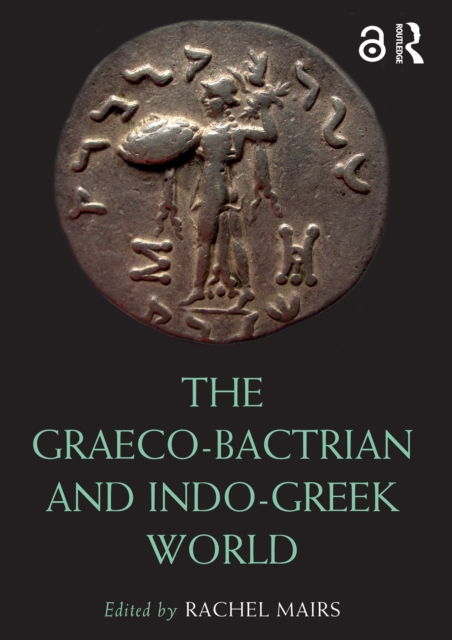
This volume provides a thorough conspectus of the field of Graeco-Bactrian and Indo-Greek studies, mixing theoretical and historical surveys with critical and thought-provoking case studies in archaeology, history, literature and art.
This volume provides a thorough conspectus of the field of Graeco-Bactrian and Indo-Greek studies, mixing theoretical and historical surveys with critical and thought-provoking case studies in archaeology, history, literature and art.
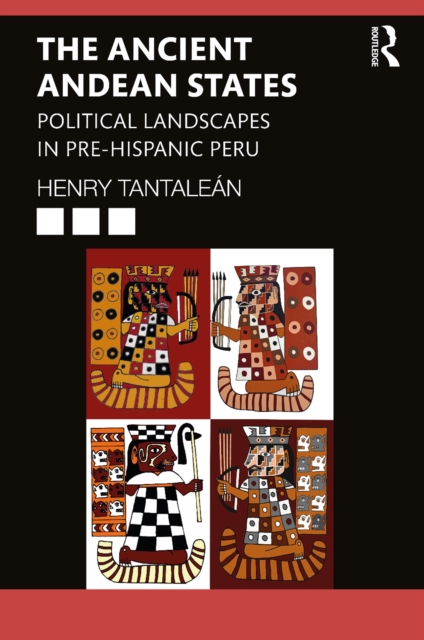
The Ancient Andean States combines modern social theory, recent archaeological literature, and the experience of the author to examine politics and power in the great Andean pre-Hispanic societies.
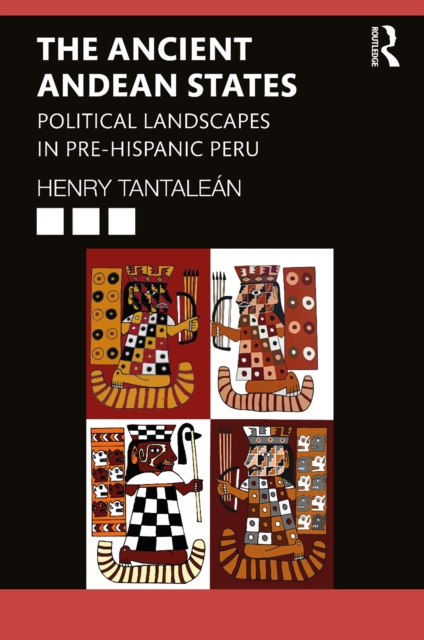
The Ancient Andean States combines modern social theory, recent archaeological literature, and the experience of the author to examine politics and power in the great Andean pre-Hispanic societies.
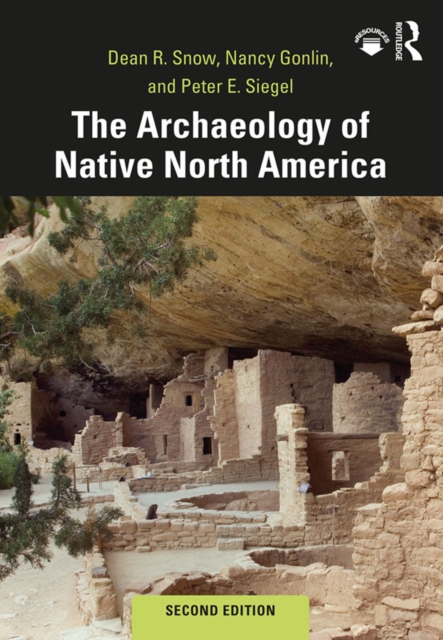
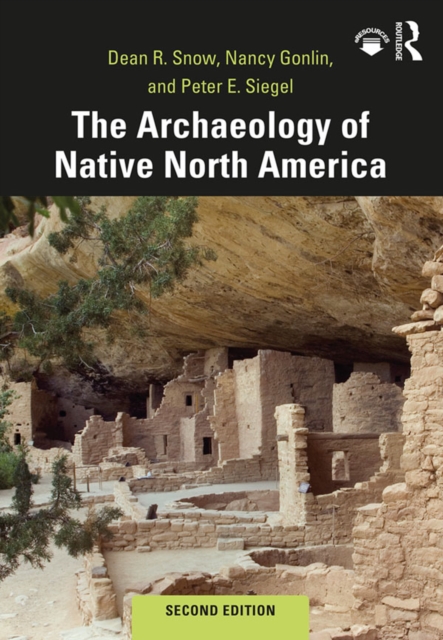
The Archaeology of Native North America presents the ideas, evidence, and debates regarding the initial peopling of the continent by mobile bands of hunters and gatherers and the cultural evolution of their many lines of descent over the ensuing millennia.
The Archaeology of Native North America presents the ideas, evidence, and debates regarding the initial peopling of the continent by mobile bands of hunters and gatherers and the cultural evolution of their many lines of descent over the ensuing millennia.
In a first of its kind, this book attempts a comprehensive account of the old Vedic society with particular focus on the physical conditions of life during the Bronze Age in north western South Asia.
In a first of its kind, this book attempts a comprehensive account of the old Vedic society with particular focus on the physical conditions of life during the Bronze Age in north western South Asia.
The playhouse at Newington Butts has long remained on the fringes of histories of Shakespeare's career and of the golden age of the theatre with which his name is associated.
The playhouse at Newington Butts has long remained on the fringes of histories of Shakespeare's career and of the golden age of the theatre with which his name is associated.