Roger Beck, a world authority on Mithraism, brings together his major writings on the Mysteries of Mithras in the context of the culture and religions of imperial Rome.
Roger Beck, a world authority on Mithraism, brings together his major writings on the Mysteries of Mithras in the context of the culture and religions of imperial Rome.
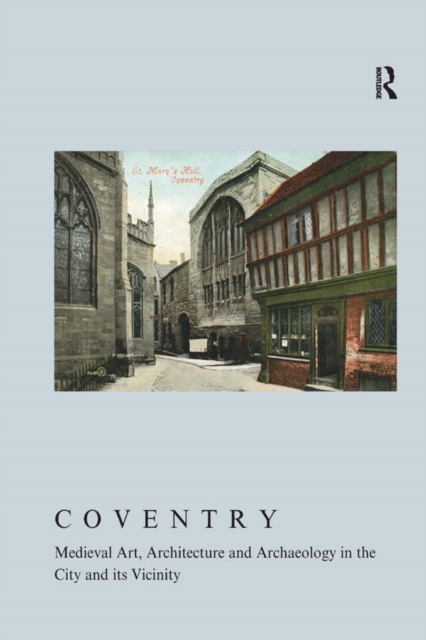
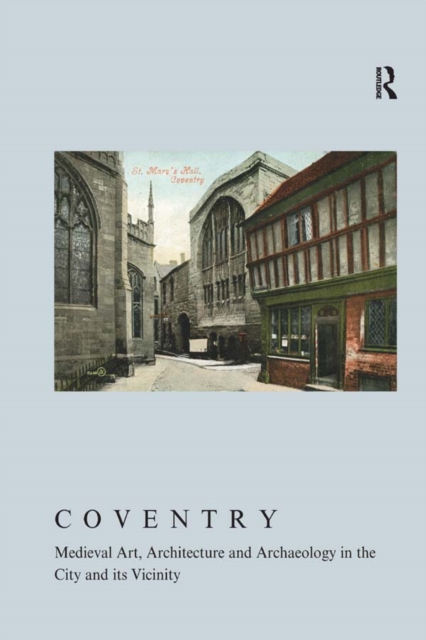
The British Archaeological Association's 2007 conference celebrated the material culture of medieval Coventry, the fourth wealthiest English city of the later middle ages.
The British Archaeological Association's 2007 conference celebrated the material culture of medieval Coventry, the fourth wealthiest English city of the later middle ages.
First published in 1991, this book contains papers on various topics including the contribution of archaeology for understanding re-Norman London; medieval and Tudor domestic buildings in the city of London; shops and shopping in medieval London; and the Romanesque architecture of Old St Paul's Cathedral.
First published in 1991, this book contains papers on various topics including the contribution of archaeology for understanding re-Norman London; medieval and Tudor domestic buildings in the city of London; shops and shopping in medieval London; and the Romanesque architecture of Old St Paul's Cathedral.
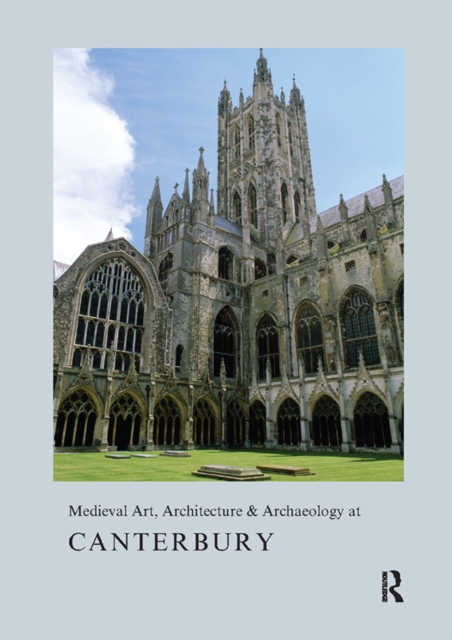
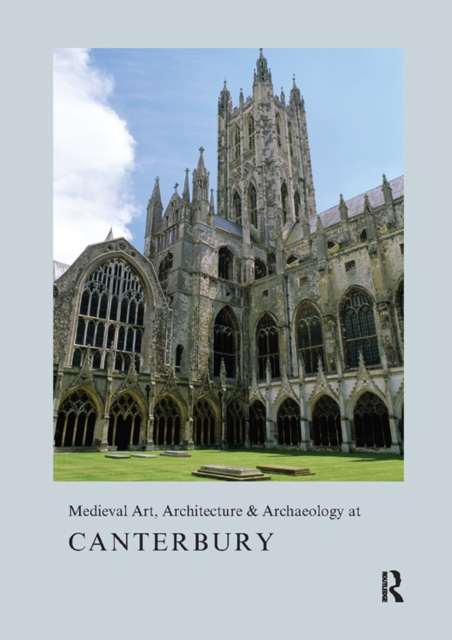
"e;From the time of the foundation of its cathedral in 597, Canterbury has been the epicentre of Britain's ecclesiastical history, and an exceptionally important centre for architectural and visual innovation.
"e;From the time of the foundation of its cathedral in 597, Canterbury has been the epicentre of Britain's ecclesiastical history, and an exceptionally important centre for architectural and visual innovation.
This volume celebrates the 50th anniversary of the Society for Medieval Archaeology (established in 1957), presenting reflections on the history, development and future prospects of the discipline.
This volume celebrates the 50th anniversary of the Society for Medieval Archaeology (established in 1957), presenting reflections on the history, development and future prospects of the discipline.
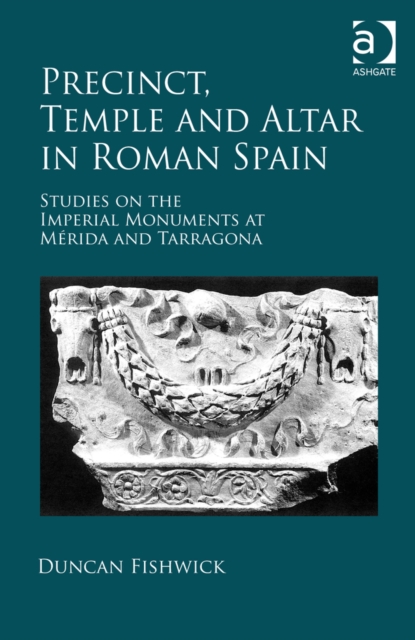
The studies included in this volume supplement the work already published by the author on the imperial cult in the Roman West, focussing on the monuments of two cities in Roman Spain, Augusta Emerita (now M da) and Tarraco (now Tarragona).
The studies included in this volume supplement the work already published by the author on the imperial cult in the Roman West, focussing on the monuments of two cities in Roman Spain, Augusta Emerita (now M da) and Tarraco (now Tarragona).
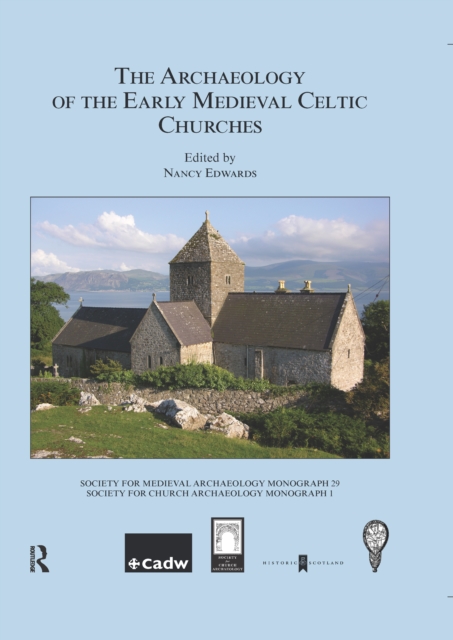
This volume focuses on new research on the archaeology of the early medieval Celtic churches c AD 400-1100 in Wales, Ireland, Scotland, south-west Britain and Brittany.
This volume focuses on new research on the archaeology of the early medieval Celtic churches c AD 400-1100 in Wales, Ireland, Scotland, south-west Britain and Brittany.
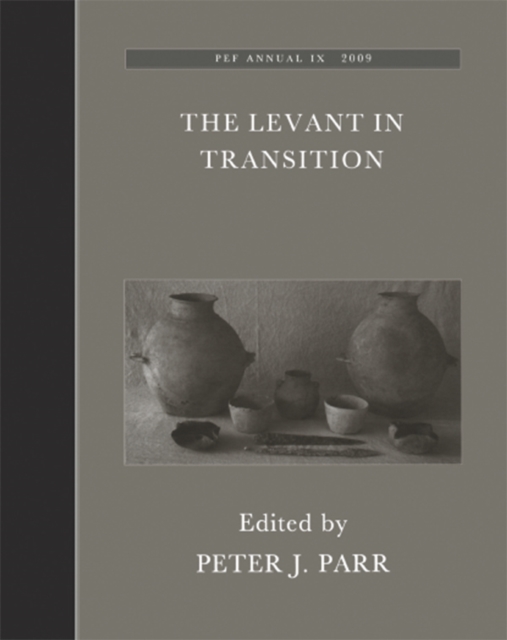
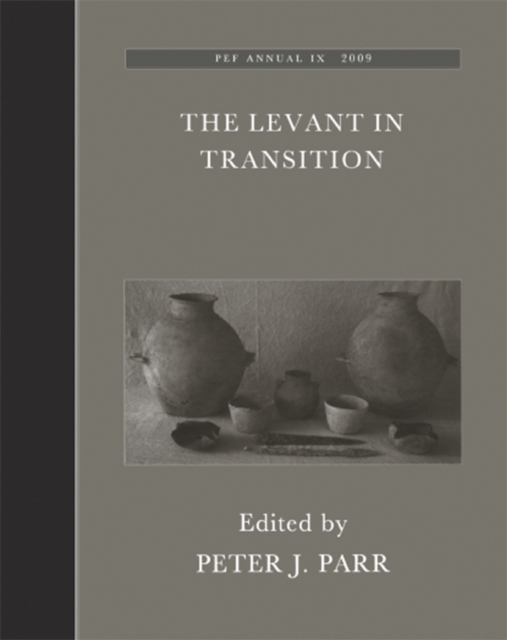
The latter part of the 3rd millennium BC witnessed severe dislocations in the social, economic and political structures of the lands at the eastern end of the Mediterranean Sea - the Levant.
The latter part of the 3rd millennium BC witnessed severe dislocations in the social, economic and political structures of the lands at the eastern end of the Mediterranean Sea - the Levant.
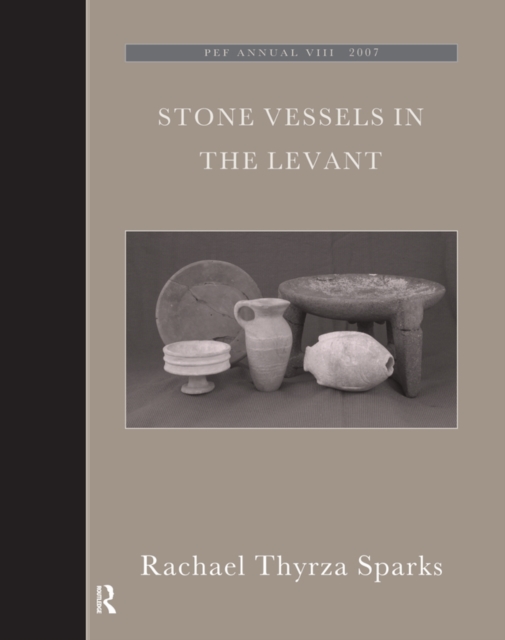
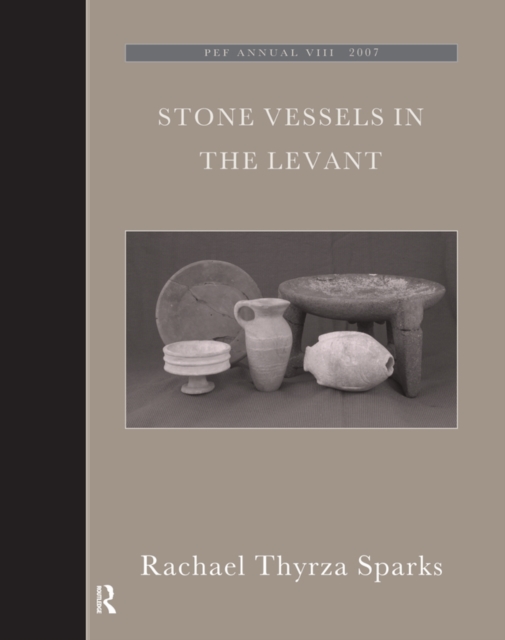
Examining stone vessels in the Levant during the 2nd millennium BC, the author explores the links between material culture and society through a comprehensive study of production and distribution.
Examining stone vessels in the Levant during the 2nd millennium BC, the author explores the links between material culture and society through a comprehensive study of production and distribution.
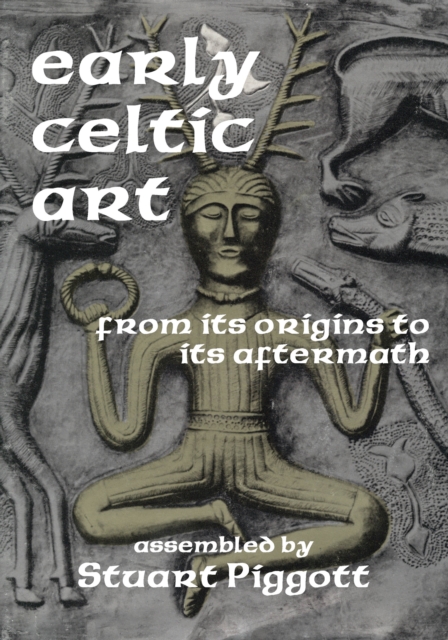
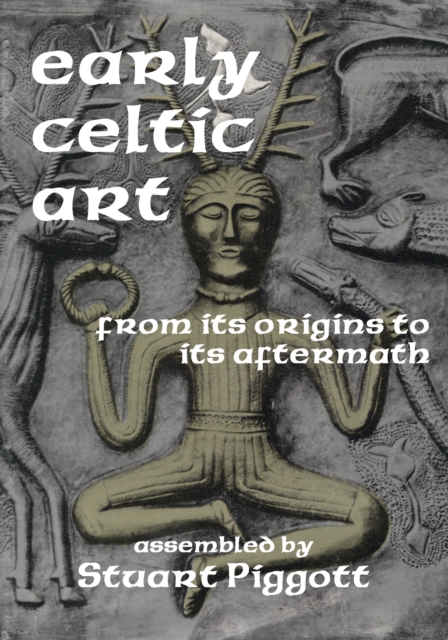
For many, perhaps most, the title Early Celtic Art summons up images of Early Christian stone crosses in Ireland, Scotland, Wales, or Cornwall; of Glendalough, lona or Tintagel; of the Ardagh Chalice or the Monymusk Reliquary; of the great illuminated gospels of Durrow or Lindisfame.
For many, perhaps most, the title Early Celtic Art summons up images of Early Christian stone crosses in Ireland, Scotland, Wales, or Cornwall; of Glendalough, lona or Tintagel; of the Ardagh Chalice or the Monymusk Reliquary; of the great illuminated gospels of Durrow or Lindisfame.
During the past 30 years, the relationship between humans and the environment has changed more drastically than during any previous period in human history.
During the past 30 years, the relationship between humans and the environment has changed more drastically than during any previous period in human history.
The Evolution of Urban Society is concerned with the presentation and analysis of regularities in the two best-documented examples of early, independent urban society: Mesopotamia and central Mexico.
The Evolution of Urban Society is concerned with the presentation and analysis of regularities in the two best-documented examples of early, independent urban society: Mesopotamia and central Mexico.
These two volumes elucidate the manner in which there emerged, on the North China plain, hierarchically structured, functionally specialized social institutions organized on a political and territorial basis during the second millennium b.
These two volumes elucidate the manner in which there emerged, on the North China plain, hierarchically structured, functionally specialized social institutions organized on a political and territorial basis during the second millennium b.
A beautifully illustrated global history of collage from the origins of paper to todayWhile the emergence of collage is frequently placed in the twentieth century when it was a favored medium of modern artists, its earliest beginnings are tied to the invention of paper in China around 200 BCE.
Waterlogged archaeological sites in Florida contain tools, art objects, dietary items, human skeletal remains, and glimpses of past environments that do not survive the ravages of time at typical terrestrial sites.
Waterlogged archaeological sites in Florida contain tools, art objects, dietary items, human skeletal remains, and glimpses of past environments that do not survive the ravages of time at typical terrestrial sites.
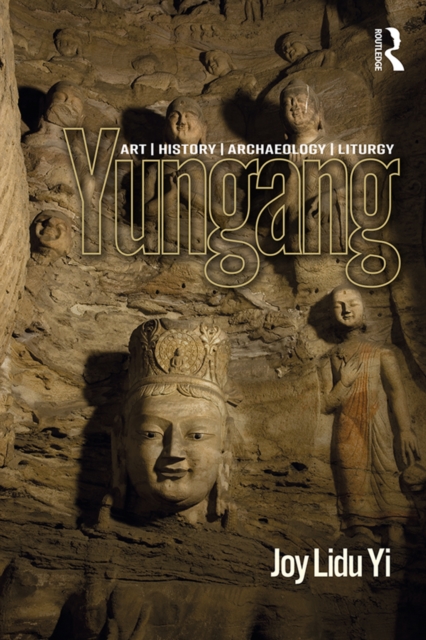
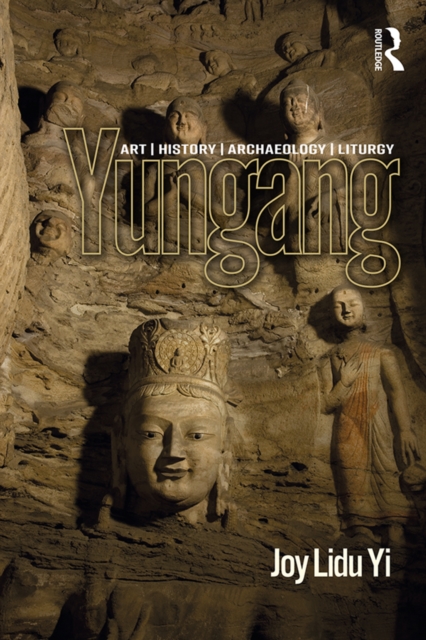
The first-ever comprehensive analysis of its kind in any western language, this unique volume provides a social art history of Yungang: a 5th-century rock-cut court cave complex, UNESCO World Heritage site, and one of the greatest Buddhist monuments of all time.
The first-ever comprehensive analysis of its kind in any western language, this unique volume provides a social art history of Yungang: a 5th-century rock-cut court cave complex, UNESCO World Heritage site, and one of the greatest Buddhist monuments of all time.
Theory in the Pacific, the Pacific in Theory explores the role of theory in Pacific archaeology and its interplay with archaeological theory worldwide.
Theory in the Pacific, the Pacific in Theory explores the role of theory in Pacific archaeology and its interplay with archaeological theory worldwide.
When Western explorers first encountered dolmens in the Levant, they thought they had discovered the origins of a megalithic phenomenon that spread as far as the Atlantic coast.
When Western explorers first encountered dolmens in the Levant, they thought they had discovered the origins of a megalithic phenomenon that spread as far as the Atlantic coast.