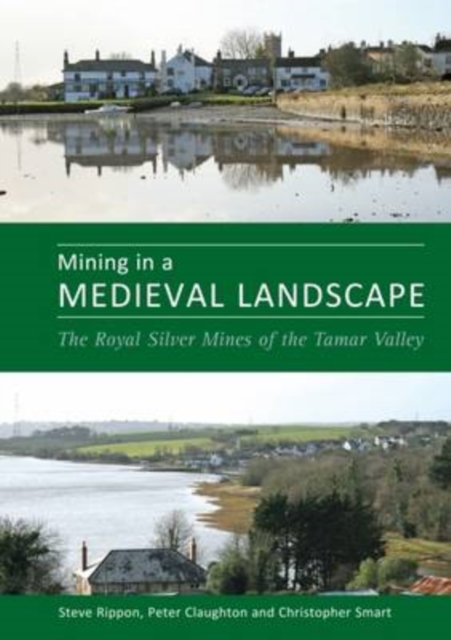
This book explores an industry that was of profound importance both in terms of the local economy and the history of mining nationally, but is long forgotten: the late medieval royal silver mines at Bere Ferrers in the Tamar Valley.
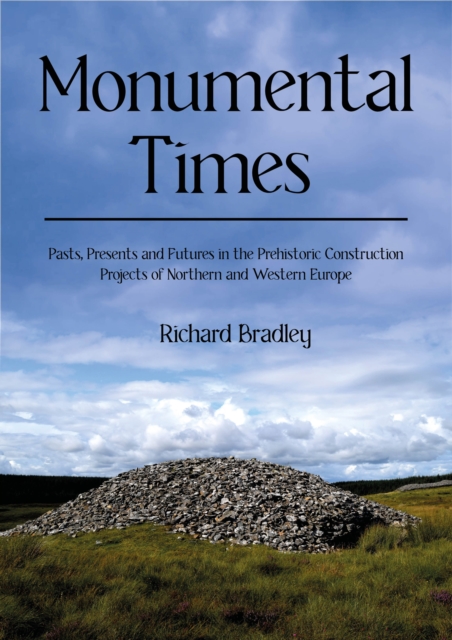
Richard Bradley's latest thought provoking re-examination of familiar monumental archaeology drawing on latest discussions of multi-temporality and the implications of new levels of analysis afforded by developments in archaeological sciences such as DNA, radiocarbon dating and isotopes.
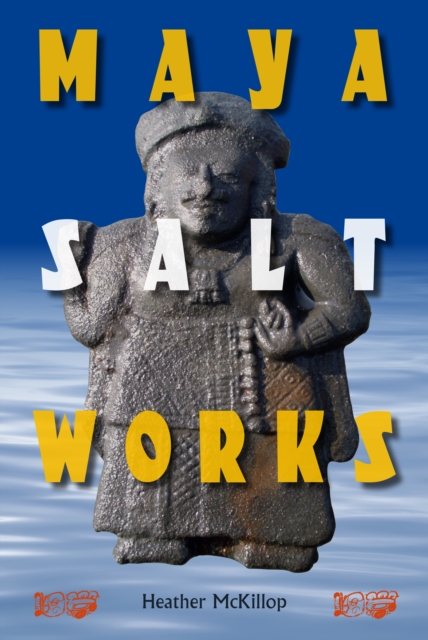
In Maya Salt Works, Heather McKillop details her archaeological team's groundbreaking discovery of a unique and massive salt production complex submerged in a lagoon in southern Belize.
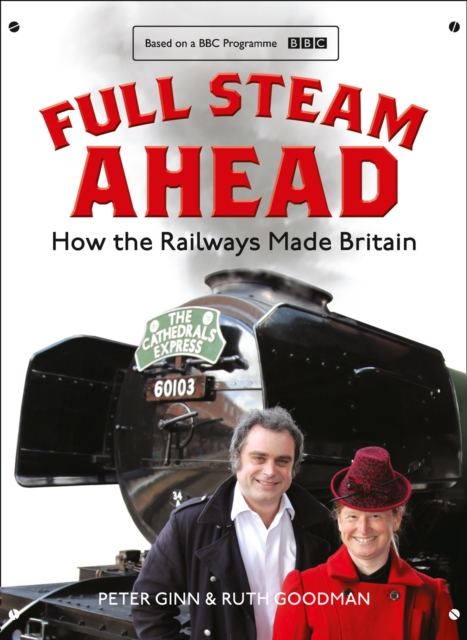
The Age of Railways was an era of extraordinary change which utterly transformed every aspect of British life - from trade and transportation to health and recreation.
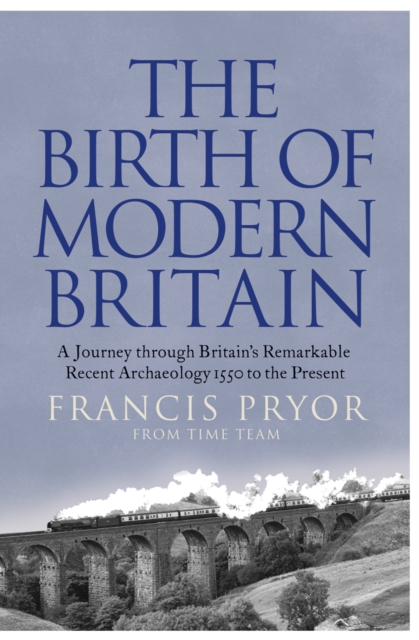
From the author of 'Britain BC', 'Britain AD' and 'Britain in the Middle Ages' comes the fourth and final part in a critically acclaimed series on Britain's hidden past.
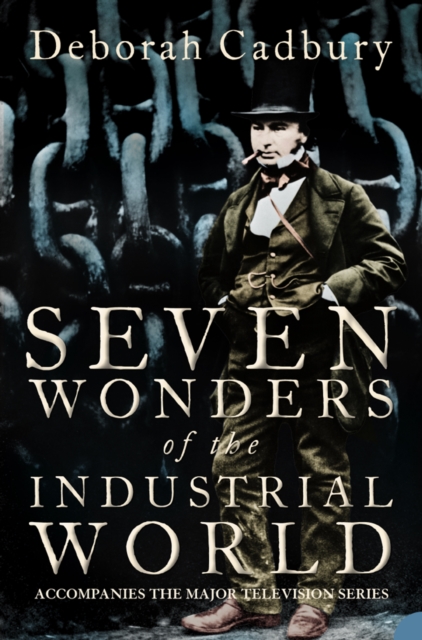
From the best-selling author of THE DINOSAUR HUNTERS and THE LOST KING OF FRANCE comes the story of how our modern world was forged - in rivets, grease and steam; in blood, sweat and human imagination.
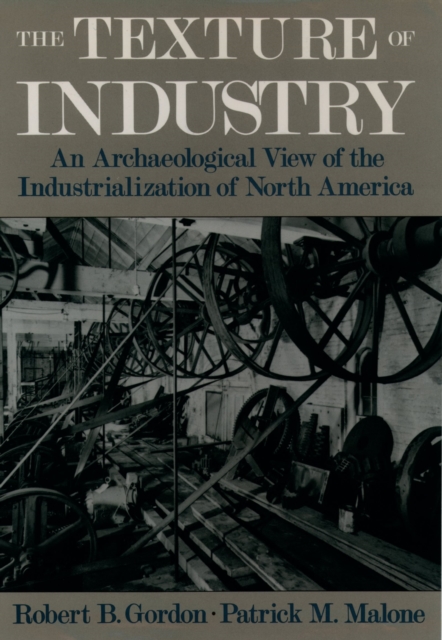
While historians have given ample attention to stories of entrepreneurship, invention, and labor conflict, they have told us little about actual work-places and how people worked.
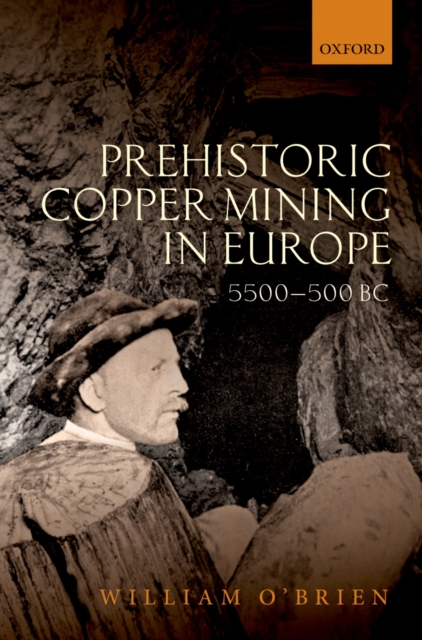
This volume examines prehistoric copper mining in Europe, from the first use of the metal eight thousand years ago in the Balkans to its widespread adoption during the Bronze Age.
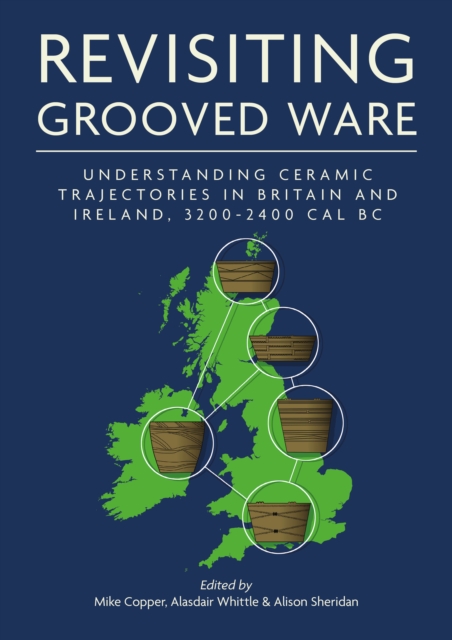
Following its appearance, arguably in Orkney in the 32nd century cal BC, Grooved Ware soon became widespread across Britain and Ireland, seemingly replacing earlier pottery styles and being deposited in contexts as varied as simple pits, passage tombs, ceremonial timber circles and henge monuments.
Following its appearance, arguably in Orkney in the 32nd century cal BC, Grooved Ware soon became widespread across Britain and Ireland, seemingly replacing earlier pottery styles and being deposited in contexts as varied as simple pits, passage tombs, ceremonial timber circles and henge monuments.
Richard Bradley's latest thought provoking re-examination of familiar monumental archaeology drawing on latest discussions of multi-temporality and the implications of new levels of analysis afforded by developments in archaeological sciences such as DNA, radiocarbon dating and isotopes.