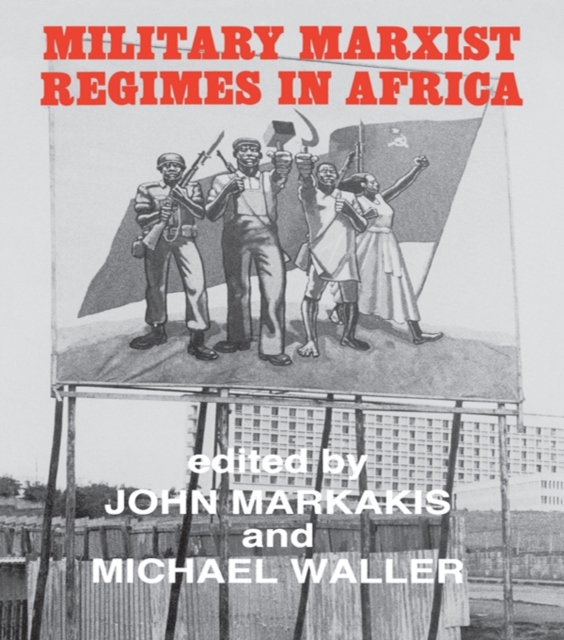
This edited volume examines the complexities of the Cold War in Southern Africa and uses a range of archives to develop a more detailed understanding of the impact of the Cold War environment upon the processes of political change.
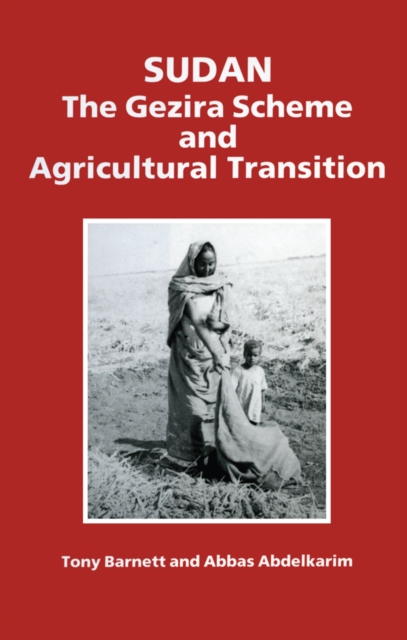
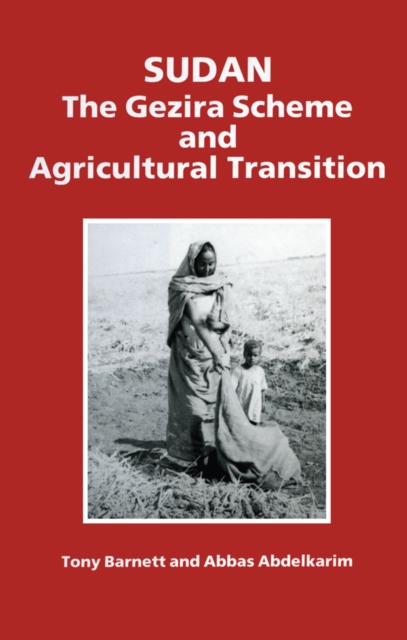
The authors propose that the Gezira scheme has played a paradoxical role in the capitalist transformation of the Sudan - reinforcing some non-capitalist production relations while at the same time acting as an engine for the peripheral capitalist development.
The authors propose that the Gezira scheme has played a paradoxical role in the capitalist transformation of the Sudan - reinforcing some non-capitalist production relations while at the same time acting as an engine for the peripheral capitalist development.
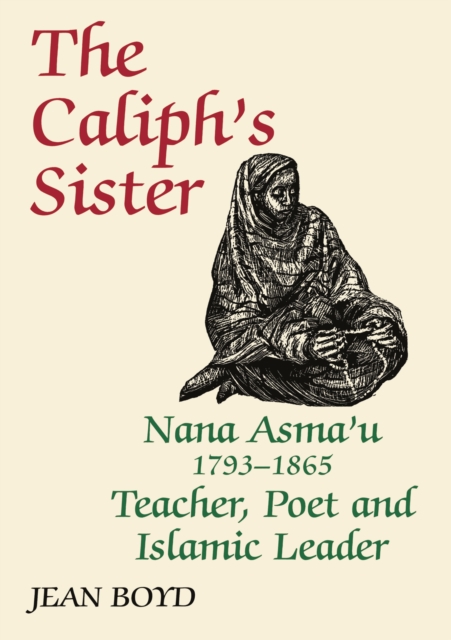
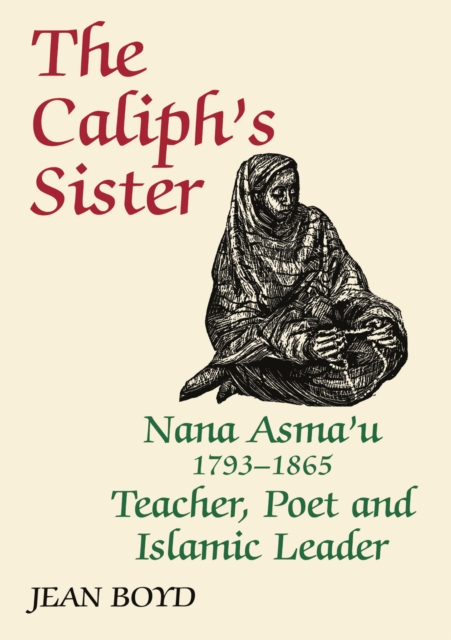
A new light is shed on African women of the Sahel in this book about a brilliantly intelligent 19th century woman-jihadist whose legacy of verse contains political and social commentary.
A new light is shed on African women of the Sahel in this book about a brilliantly intelligent 19th century woman-jihadist whose legacy of verse contains political and social commentary.
This title makes an important contribution to our understanding of British rule in the Nile Valley, with special relevance to the important role of the Sudan in Anglo-Egyptian relations until 1956.
This title makes an important contribution to our understanding of British rule in the Nile Valley, with special relevance to the important role of the Sudan in Anglo-Egyptian relations until 1956.
No other crisis in Africa has received as much attention in the West during the past 10 years as the war in Darfur, yet the underlying complexities of the war and the background to the crisis remains poorly understood by scholars, activists and aid workers.
No other crisis in Africa has received as much attention in the West during the past 10 years as the war in Darfur, yet the underlying complexities of the war and the background to the crisis remains poorly understood by scholars, activists and aid workers.
Uganda developed as a British protectorate in a manner which made it virtually impossible for any indigenous politician to emerge as the unchallenged leader of his country.
Uganda developed as a British protectorate in a manner which made it virtually impossible for any indigenous politician to emerge as the unchallenged leader of his country.
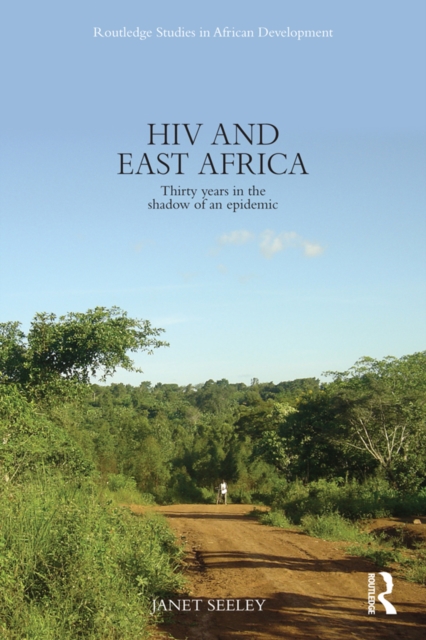
By tracing the shadow of the epidemic over the last 30 years in Uganda and more broadly in the region, HIV and East Africa investigates the impact of the epidemic on people's lives and livelihoods, placing the epidemic within the context of the social, political and economic changes that have occurred over the last three decades.