Poor even by the standards of West Africa and landlocked at the edge of the Sahel, Burkina Faso-the "e;Land of Men of Dignity"e;-has been plagued by political instability since independence from France in 1960.
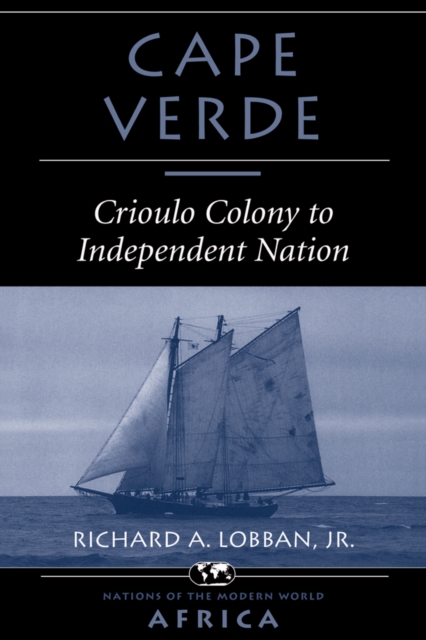
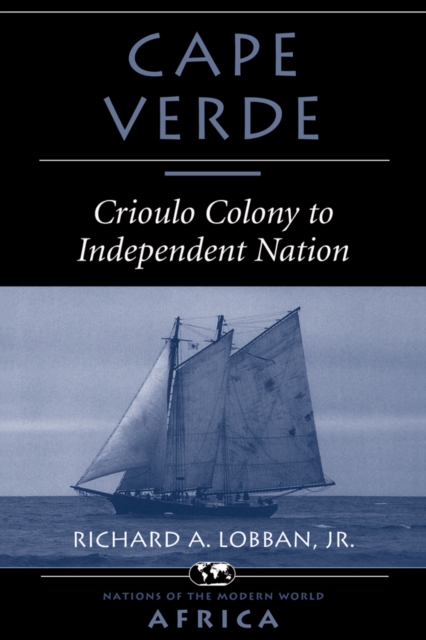
The Cape Verde Islands, an Atlantic archipelago off the coast of Senegal, were first settled during the Portuguese Age of Discovery in the fifteenth century.
This groundbreaking book explores the history and the cultural context of family claims to power in the Bamako kafu, or state (located in contemporary Mali in West Africa), primarily during the eighteenth and nineteenth centuries.
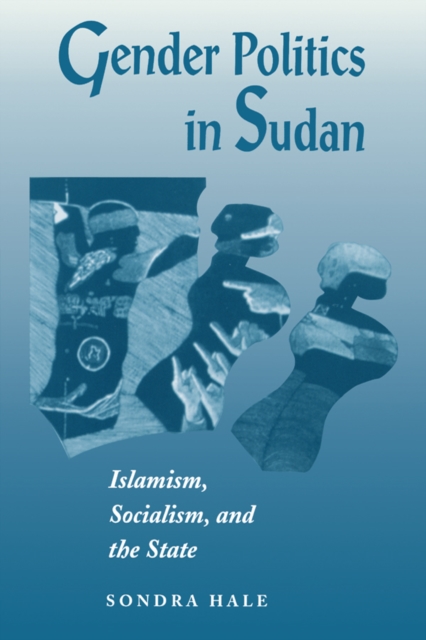
Focusing on the relationship between gender and the state in the construction national identity politics in twentieth-century northern Sudan, the author investigates the mechanisms that the state and political and religious interest groups employ for achieving political and cultural hegemony.
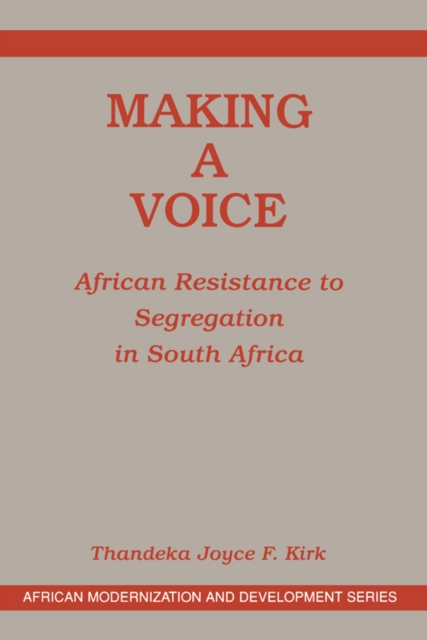
Since apartheids dissolution in the early 1990s and its formal abolishment in April 1994, there has been increasing interest in the early history of African struggles against segregation and apartheid.
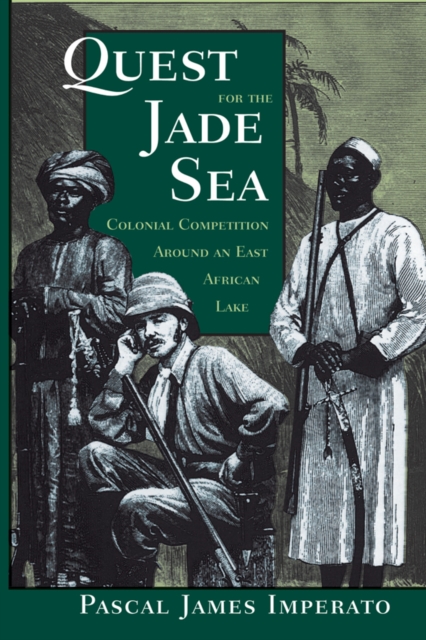
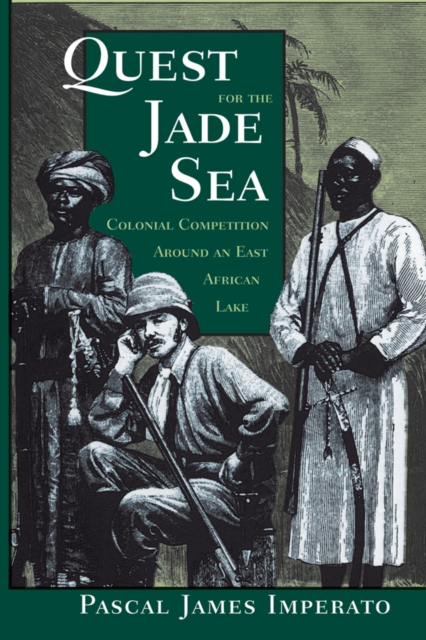
In this fascinating story of colonial competition around Lake Rudolf, a remote body of water in northern Kenya, Pascal James Imperato examines the political and diplomatic aspects of colonial competition for the lake as well as the many expeditions that traveled there.
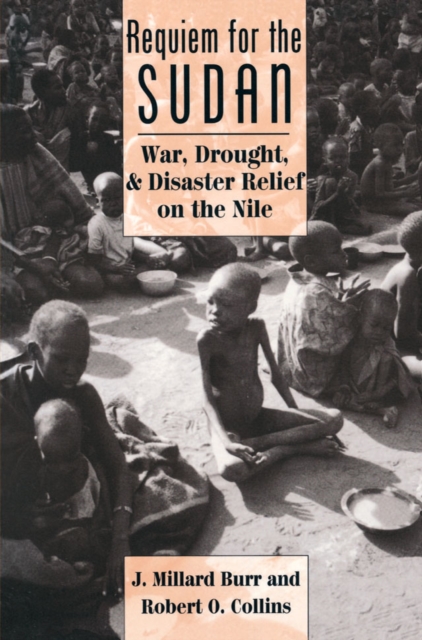
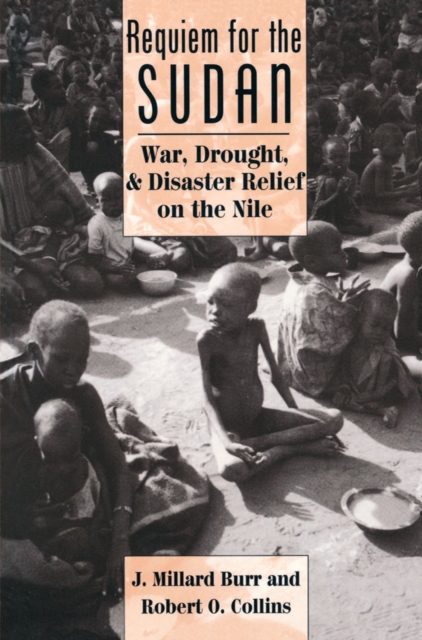
After a decade of uneasy peace, the historic conflict between the North and South Sudanese erupted into violent conflict in 1983 This ferocious civil war, witti its Arab militias and widespread use of automatic weapons, has devastated the populace.
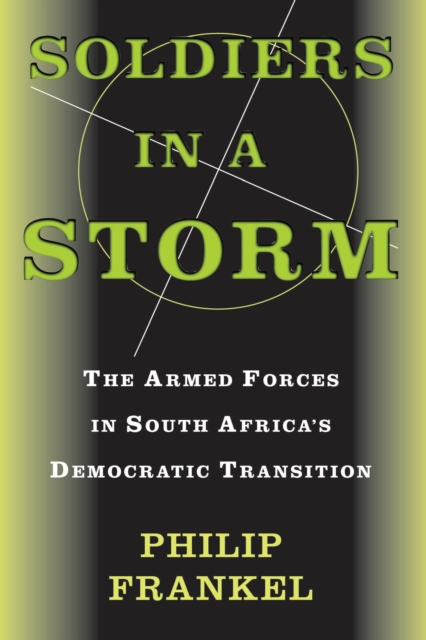
Soldiers in a Storm: The Armed Forces in South Africa's Democratic Transition is a study of the role of the military in the creation and development of South Africa's new post-apartheid system.
The Politicisation of Islam: A Case Study of Tunisia traces the emergence, rise, and recent eclipse of the modern Tunisian Islamic movement, al-Nahda, and provides a comprehensive analysis of its political, social, and intellectual discourse.
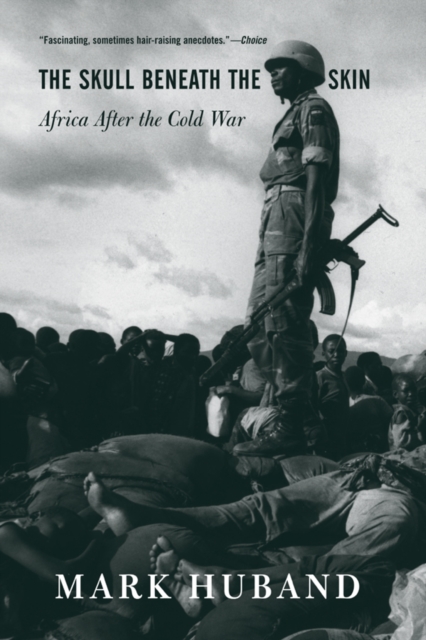
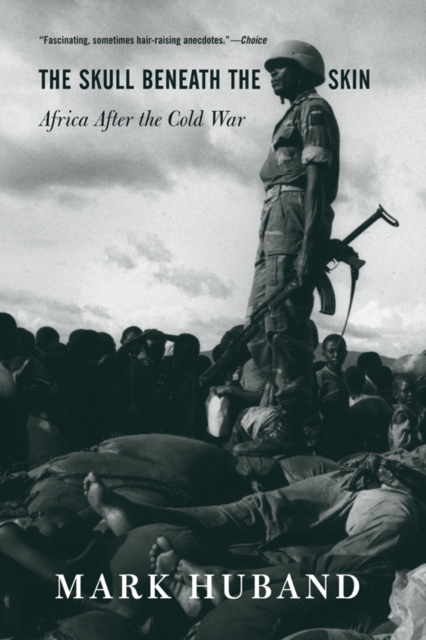
In The Skull Beneath the Skin: Africa After the Cold War award-winning journalist Mark Huband argues that foreign involvement in Africa has been the single most destructive element in the continent's history.
The revised, updated version of this book includes an analysis of the sweeping political changes in South Africa since its original publcation in 1992.
Poor even by the standards of West Africa and landlocked at the edge of the Sahel, Burkina Faso-the "e;Land of Men of Dignity"e;-has been plagued by political instability since independence from France in 1960.
The Cape Verde Islands, an Atlantic archipelago off the coast of Senegal, were first settled during the Portuguese Age of Discovery in the fifteenth century.
This groundbreaking book explores the history and the cultural context of family claims to power in the Bamako kafu, or state (located in contemporary Mali in West Africa), primarily during the eighteenth and nineteenth centuries.
Focusing on the relationship between gender and the state in the construction national identity politics in twentieth-century northern Sudan, the author investigates the mechanisms that the state and political and religious interest groups employ for achieving political and cultural hegemony.
Since apartheids dissolution in the early 1990s and its formal abolishment in April 1994, there has been increasing interest in the early history of African struggles against segregation and apartheid.
In this fascinating story of colonial competition around Lake Rudolf, a remote body of water in northern Kenya, Pascal James Imperato examines the political and diplomatic aspects of colonial competition for the lake as well as the many expeditions that traveled there.
After a decade of uneasy peace, the historic conflict between the North and South Sudanese erupted into violent conflict in 1983 This ferocious civil war, witti its Arab militias and widespread use of automatic weapons, has devastated the populace.
Soldiers in a Storm: The Armed Forces in South Africa's Democratic Transition is a study of the role of the military in the creation and development of South Africa's new post-apartheid system.
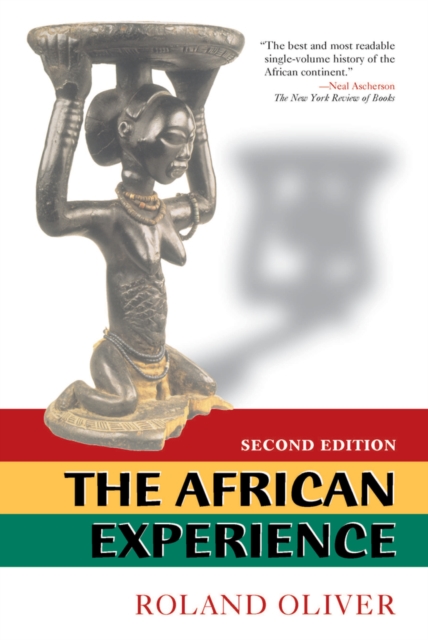
This masterpiece of scholarship and compression, the second edition of The African Experience, covers the entire span of human history across the African continent, from the earliest emergence of hominids in eastern and southern Africa up to the present day.
The revised, updated version of this book includes an analysis of the sweeping political changes in South Africa since its original publcation in 1992.
The Politicisation of Islam: A Case Study of Tunisia traces the emergence, rise, and recent eclipse of the modern Tunisian Islamic movement, al-Nahda, and provides a comprehensive analysis of its political, social, and intellectual discourse.
In The Skull Beneath the Skin: Africa After the Cold War award-winning journalist Mark Huband argues that foreign involvement in Africa has been the single most destructive element in the continent's history.
Originally published in 1967 this volume presents studies of 10 West African kingdoms which have played an important part in the economic, political and cultural life of the region.
Originally published in 1967 this volume presents studies of 10 West African kingdoms which have played an important part in the economic, political and cultural life of the region.
Originally published in 1972 this study analyses the process of economic growth and social change in the riparian communities of the Lower Volta River in Ghana, which came about in large part due to the construction of the Volta dam in 1963.
Originally published in 1980 and here re-issued with an updated preface, this book deals with the role of the horse in the societies of West Africa during the pre-colonial period.
Originally published in 1980 and here re-issued with an updated preface, this book deals with the role of the horse in the societies of West Africa during the pre-colonial period.
Originally published in 1961, this study of the indigenous system of government in Ruanda-Urundi until the beginning of the 20th century, describes the complex relationship between the Tutsi and the Hutu and shows how the Tutsi succeeded in maintaining their political dominance without endangering the unity and efficient working of Ruanda society.
Originally published in 1961, this study of the indigenous system of government in Ruanda-Urundi until the beginning of the 20th century, describes the complex relationship between the Tutsi and the Hutu and shows how the Tutsi succeeded in maintaining their political dominance without endangering the unity and efficient working of Ruanda society.
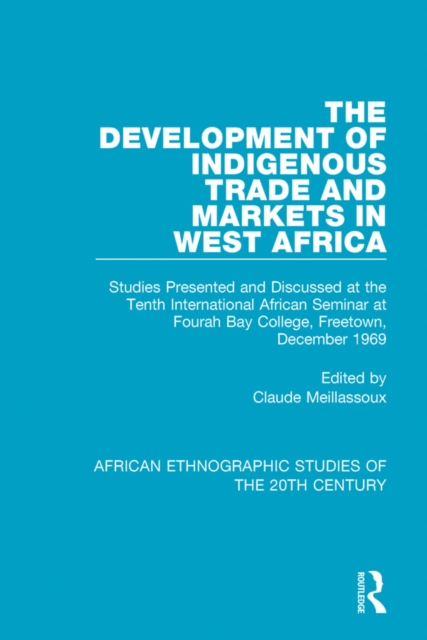
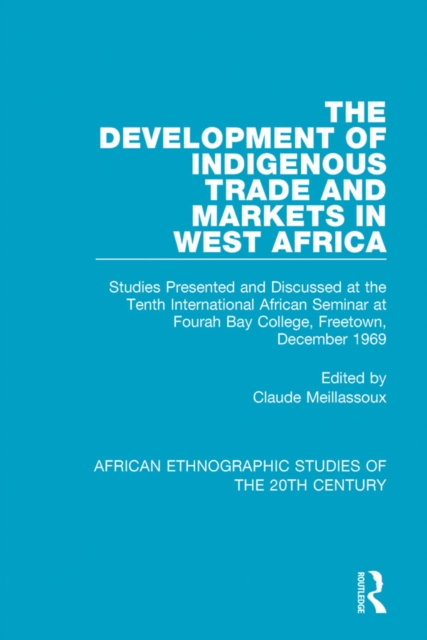
Originally published in 1971 and written in English and French, with summaries in both languages, the essays in this volume dsicuss the effects of internal economic and political conditions and of external relations on the development of trade and markets in West Africa from the period of the slave trade to the growth in the 20th century in production for overseas markets and rapidly expanding urban centres.
Originally published in 1971 and written in English and French, with summaries in both languages, the essays in this volume dsicuss the effects of internal economic and political conditions and of external relations on the development of trade and markets in West Africa from the period of the slave trade to the growth in the 20th century in production for overseas markets and rapidly expanding urban centres.