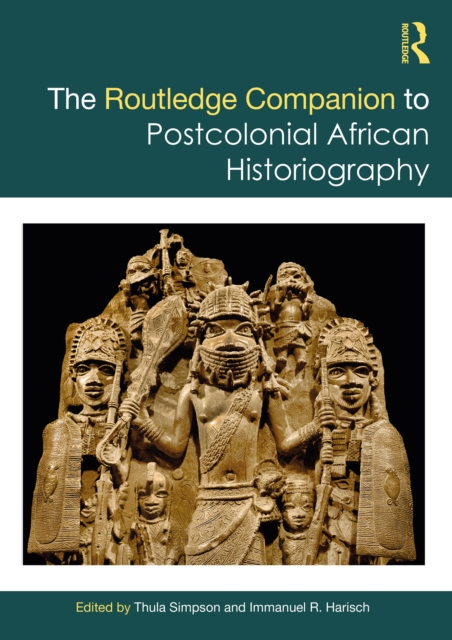
The Routledge Companion to Postcolonial African Historiography explores history's fortunes in Modern Africa south of the Sahara, from the discipline's Golden Age as a handmaiden in struggles against colonialism, to difficult decades when its survival has been threatened by capricious political and economic conditions, and the uncertain present where the continent's historians struggle to justify their value to frequently sceptical publics.
For over twenty-five years John Dickson served the United States as a Foreign Service officer in North America, South America, the Caribbean, and Africa.
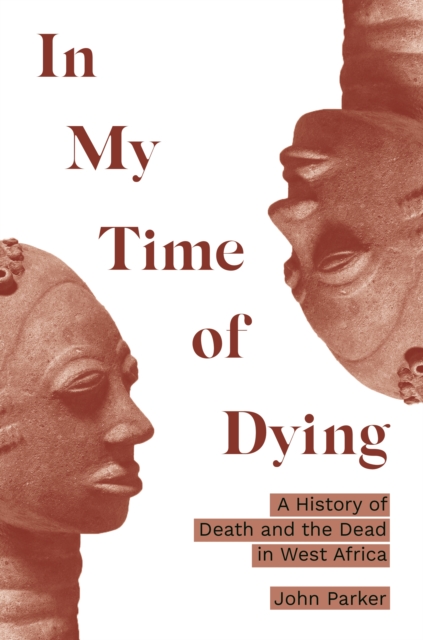
An in-depth look at how mortuary cultures and issues of death and the dead in Africa have developed over four centuriesIn My Time of Dying is the first detailed history of death and the dead in Africa south of the Sahara.
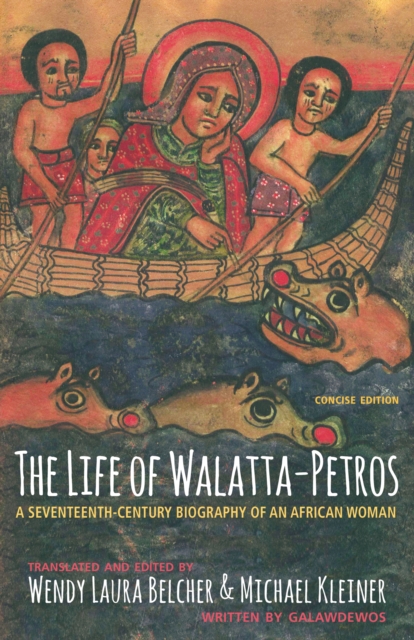
This concise edition of the biography of Walatta-Petros (1672) tells the story of an Ethiopian saint who lived from 1592 to 1642 and led a successful nonviolent movement to preserve African Christian beliefs in the face of European protocolonialism.
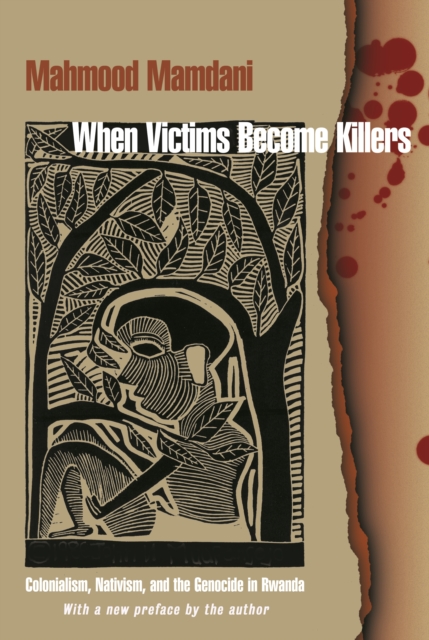
An incisive look at the causes and consequences of the Rwandan genocide"e;When we captured Kigali, we thought we would face criminals in the state; instead, we faced a criminal population.
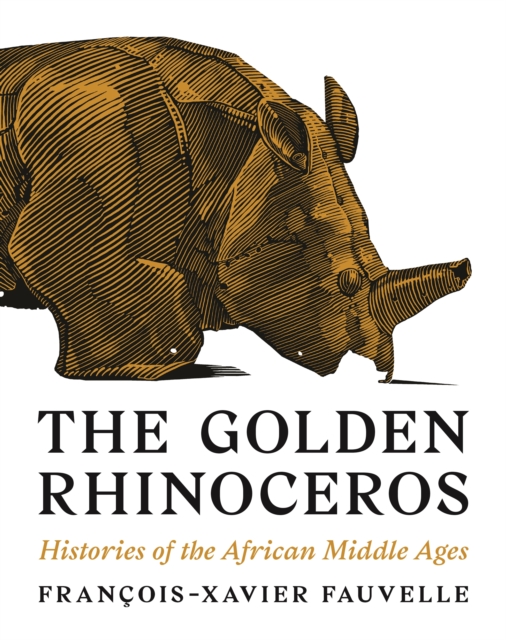
A leading historian reconstructs the forgotten history of medieval AfricaFrom the birth of Islam in the seventh century to the voyages of European exploration in the fifteenth, Africa was at the center of a vibrant exchange of goods and ideas.
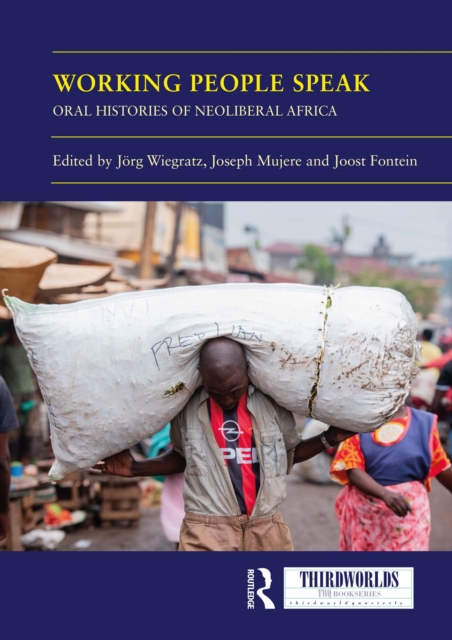
This book presents a re-engagement with oral histories as a way of documenting, understanding, and discussing experiences of work and economic life in Africa under neoliberal capitalism.
Public debt in developing economies has increased dramatically over the last 20 years, with debt repayment obligations putting the livelihoods of millions of individuals at risk and threatening to stall progress toward lowering poverty rates and achieving long- term development objectives across many countries, especially in sub-Saharan Africa.
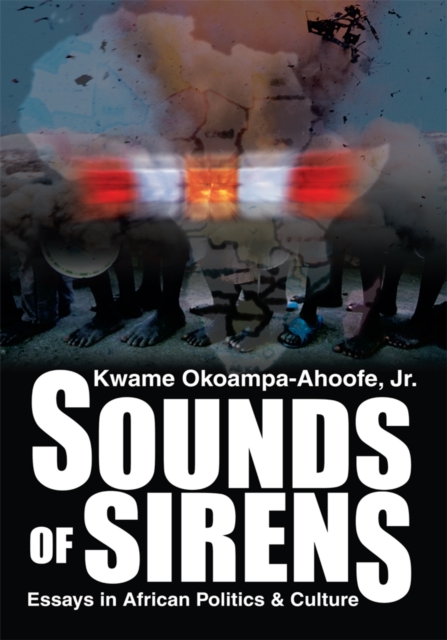
Sounds of Sirens: Essays in African Politics & Culture critically examines the political and cultural landscape of the putatively primal continent since the advent of the post-colonial era.
For postcolonial Africa, modernization was seen as a necessary outcome of the struggle for independence and as crucial to the success of its newly established states.
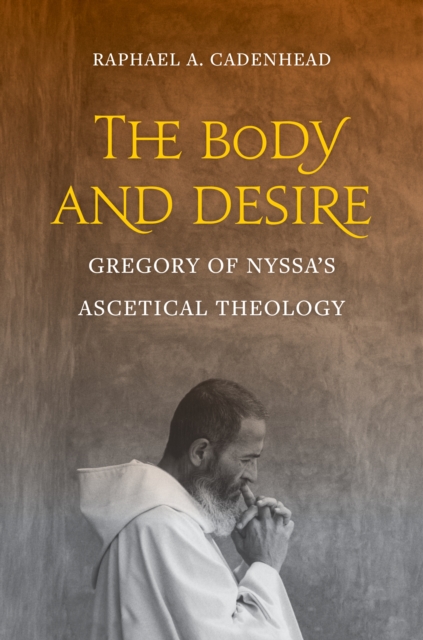
Although the reception of the Eastern Father Gregory of Nyssa has varied over the centuries, the past few decades have witnessed a profound awakening of interest in his thought.
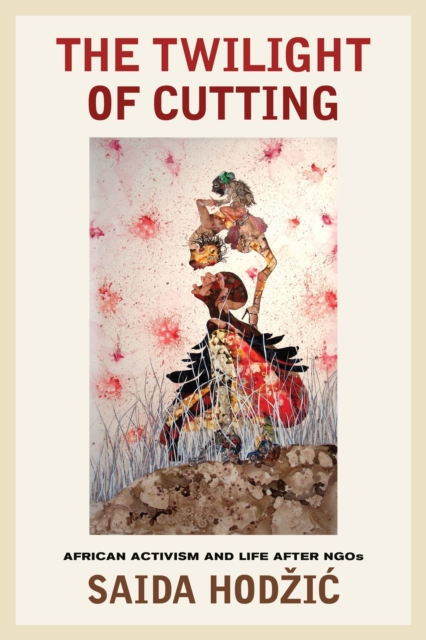
The last three decades have witnessed a proliferation of nongovernmental organizations engaging in new campaigns to end the practice of female genital cutting across Africa.
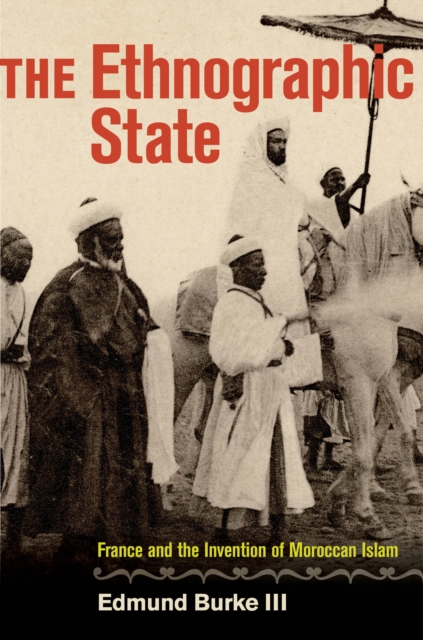
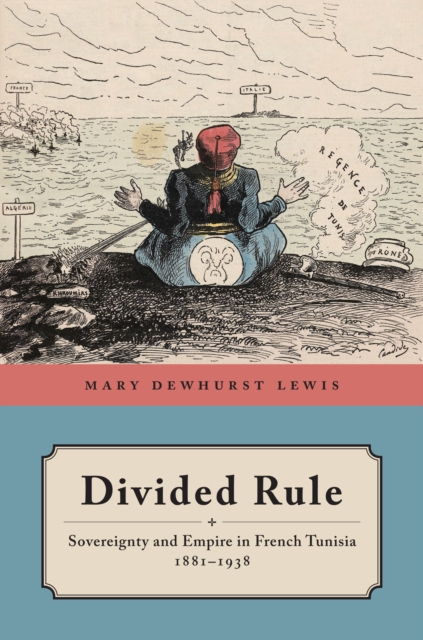
After invading Tunisia in 1881, the French installed a protectorate in which they shared power with the Tunisian ruling dynasty and, due to the dynasty's treaties with other European powers, with some of their imperial rivals.
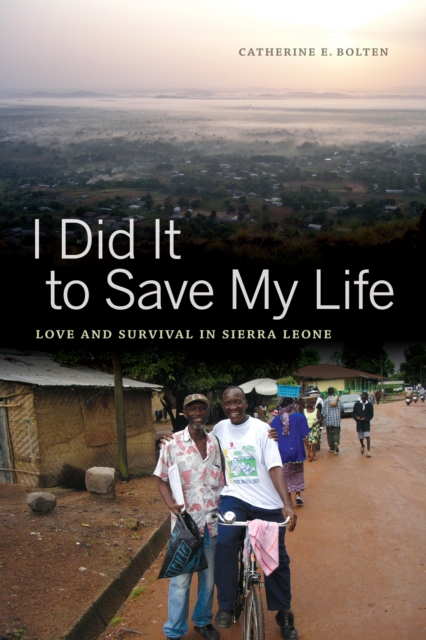
Utilizing narratives of seven different people-soldier, rebel, student, trader, evangelist, father, and politician-I Did it To Save My Life provides fresh insight into how ordinary Sierra Leoneans survived the war that devastated their country for a decade.
When France both hosted and won the World Cup in 1998, the face of its star player, Zinedine Zidane, the son of Algerian immigrants, was projected onto the Arc de Triomphe.
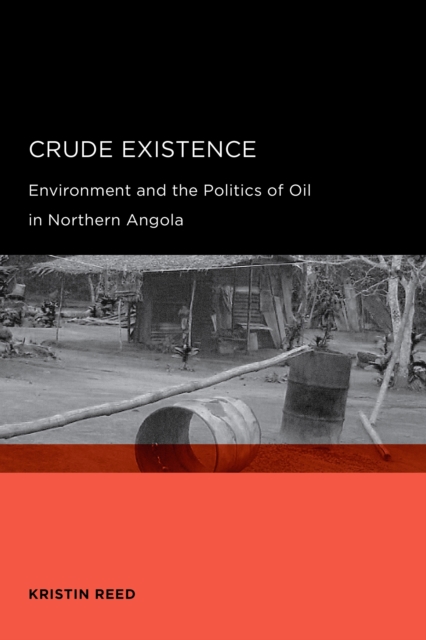
After decades of civil war and instability, the African country of Angola is experiencing a spectacular economic boom thanks to its most valuable natural resource: oil.
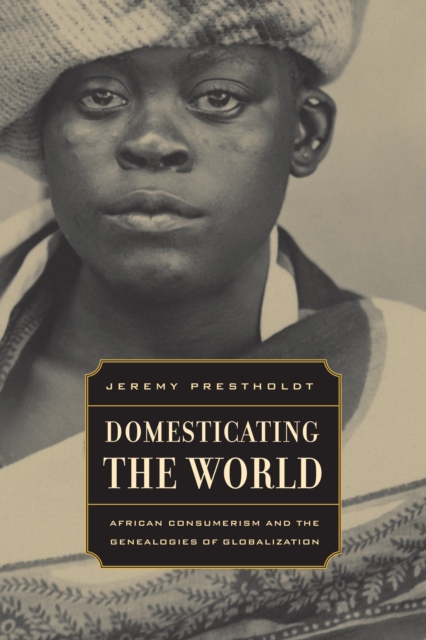
This book boldly unsettles the idea of globalization as a recent phenomenon-and one driven solely by Western interests-by offering a compelling new perspective on global interconnectivity in the nineteenth century.
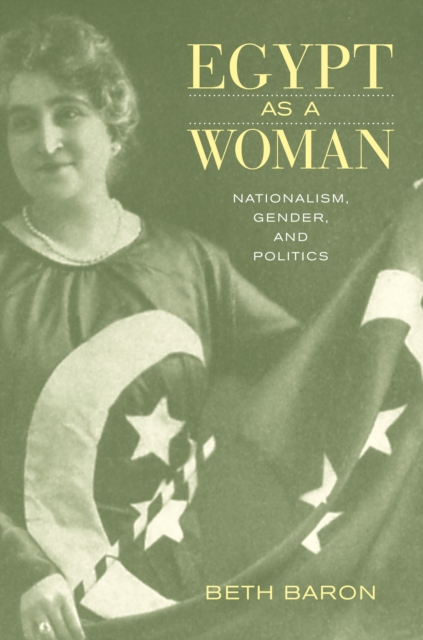
This original and historically rich book examines the influence of gender in shaping the Egyptian nation from the nineteenth century through the revolution of 1919 and into the 1940s.
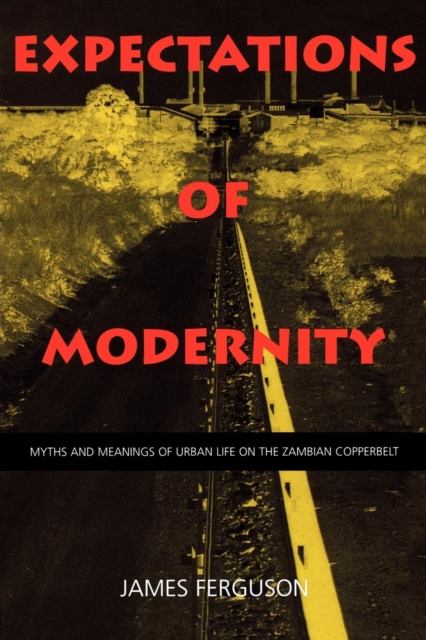
Once lauded as the wave of the African future, Zambia's economic boom in the 1960s and early 1970s was fueled by the export of copper and other primary materials.
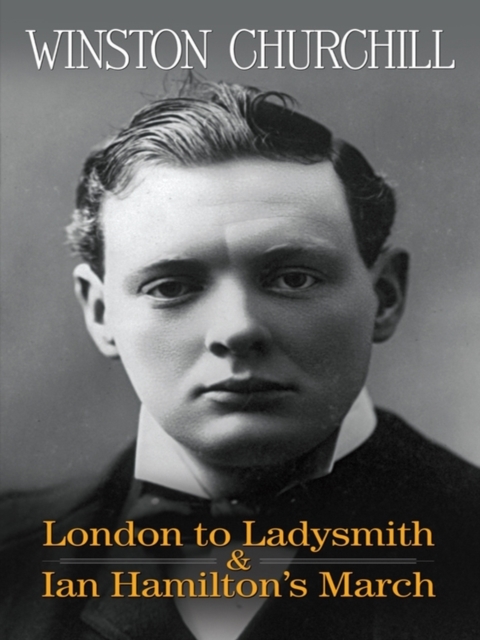
In addition to his enduring fame as a statesman, Winston Churchill was a Nobel Prize-winning author whose military histories offer the unique perspective of a participant in world affairs.
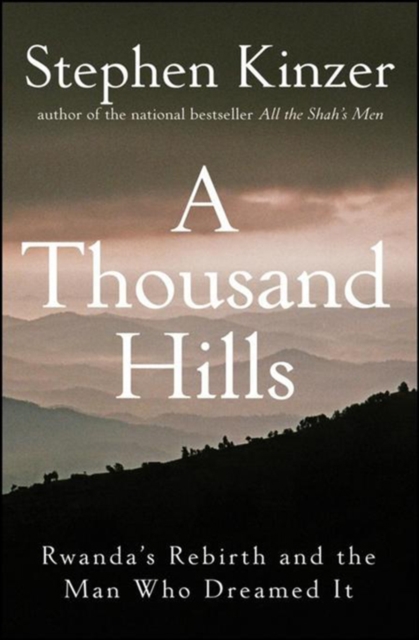
A Thousand Hills: Rwanda's Rebirth and the Man Who Dreamed It is the story of Paul Kagame, a refugee who, after a generation of exile, found his way home.
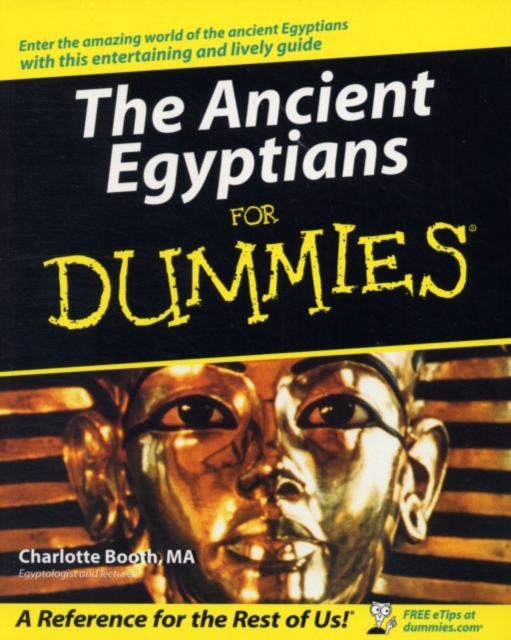
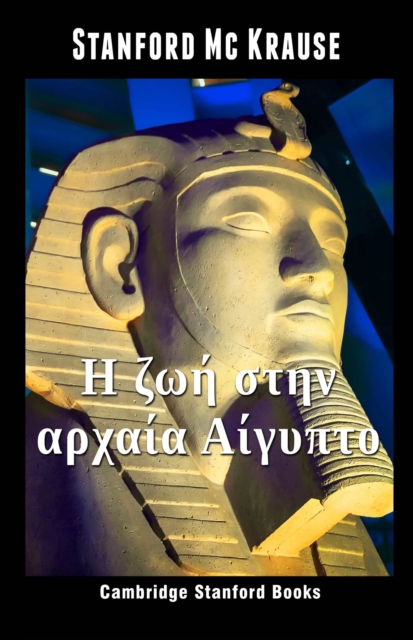
Unravel the history behind of one of the most fascinating ancient civilisations with this engaging, entertaining and educational guide to the ancient Egyptians.
Originally published in 1971 this book argues that certain aspects of traditional African social systems have been misunderstood because of a failure to appreciate what is implied by important differences between the technologies of the major traditional African states and those of Europe and Asia.
Originally published in 1971 this book argues that certain aspects of traditional African social systems have been misunderstood because of a failure to appreciate what is implied by important differences between the technologies of the major traditional African states and those of Europe and Asia.
Originally published in 1947 and reprinted with a new preface in 1961, this book is based on field studies and gives an account of the social organization of the Swazi, wiith special reference to the aristocratic structure of their society and the way in which birth and rank determine social relationships and activities.
Originally published in 1947 and reprinted with a new preface in 1961, this book is based on field studies and gives an account of the social organization of the Swazi, wiith special reference to the aristocratic structure of their society and the way in which birth and rank determine social relationships and activities.