'Sisters in the struggle': Women of Indian Origin in South Africa's Liberation Struggle 1900-1994 unveils an unchartered historical terrain, highlighting the contributions of Indian women towards non-racialism and equality and their experiences within diverse political parties; therefore, shifting the post-apartheid liberation stories which have been dominated by the journey of the ANC to other political organisations who collectively played a significant role in South Africa's road to democracy.
'Sisters in the struggle': Women of Indian Origin in South Africa's Liberation Struggle 1900-1994 unveils an unchartered historical terrain, highlighting the contributions of Indian women towards non-racialism and equality and their experiences within diverse political parties; therefore, shifting the post-apartheid liberation stories which have been dominated by the journey of the ANC to other political organisations who collectively played a significant role in South Africa's road to democracy.
Originally published as a collection in 2006, this volume covers the Atlantic slave trade from its origins to 1600, the selection of essays here look at the reasons for the causes of slavery and serfdom; slavery in Africa; the development of the slave trade; the demographic situation in Latin America; and European attitudes to slavery as an institution.
Originally published as a collection in 2006, this volume covers the Atlantic slave trade from its origins to 1600, the selection of essays here look at the reasons for the causes of slavery and serfdom; slavery in Africa; the development of the slave trade; the demographic situation in Latin America; and European attitudes to slavery as an institution.
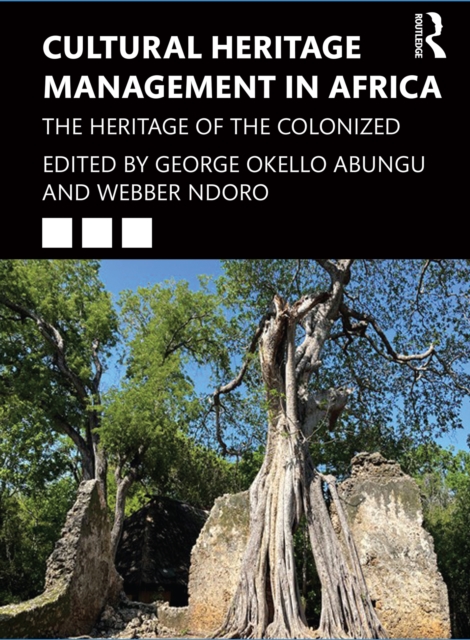
Cultural Heritage Management in Africa explores the diversity of Africa's cultural heritage by analysing how and why this heritage has been managed, and by considering the factors that continue to influence management strategies and systems throughout the African continent.
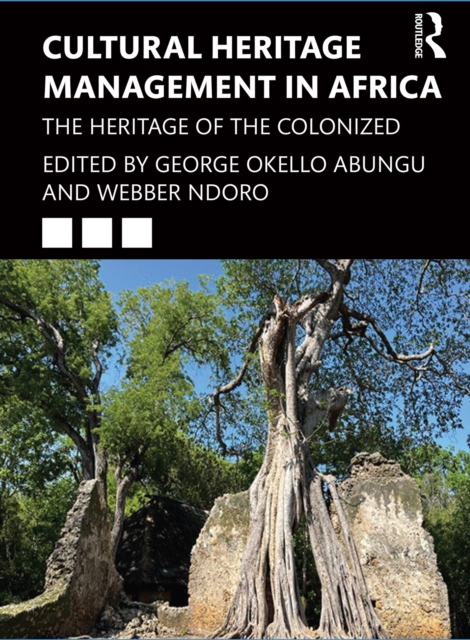
Cultural Heritage Management in Africa explores the diversity of Africa's cultural heritage by analysing how and why this heritage has been managed, and by considering the factors that continue to influence management strategies and systems throughout the African continent.
This book investigates the history of women's reproductive health in Ghana,arguing that between the 1920s and 1980s, it was largely driven by discourses ofdevelopment and population control rather than a concern for women's health orrights.
This book investigates the history of women's reproductive health in Ghana,arguing that between the 1920s and 1980s, it was largely driven by discourses ofdevelopment and population control rather than a concern for women's health orrights.
British multinationals faced unprecedented challenges to their organizational legitimacy in the middle of the twentieth century as the European colonial empires were dismantled and institutional transformations changed colonial relationships in Africa and other parts of the world.
British multinationals faced unprecedented challenges to their organizational legitimacy in the middle of the twentieth century as the European colonial empires were dismantled and institutional transformations changed colonial relationships in Africa and other parts of the world.
Using the socio-political discourse of Kwame Nkrumah, a pioneering Pan-Africanist and Ghana's independence leader, Nartey investigates the notion of political myth-making in a context underexplored in the literature.
Using the socio-political discourse of Kwame Nkrumah, a pioneering Pan-Africanist and Ghana's independence leader, Nartey investigates the notion of political myth-making in a context underexplored in the literature.
This edited volume focuses on aspects of the understudied theme of African sea-power, including African navies and the engagement of non-African navies with the continent.
This edited volume focuses on aspects of the understudied theme of African sea-power, including African navies and the engagement of non-African navies with the continent.
This book provides a timely reconceptualization of Zimbabwe's anti- colonial liberation struggle, resisting simple binaries in favour of more nuanced, critical analysis.
This book provides a timely reconceptualization of Zimbabwe's anti- colonial liberation struggle, resisting simple binaries in favour of more nuanced, critical analysis.
Point of Arrival (1975) examines the experiences of the various immigrant groups - the Huguenots, Irish, Jews, Pakistanis - who have made their home in the East End of London.
Point of Arrival (1975) examines the experiences of the various immigrant groups - the Huguenots, Irish, Jews, Pakistanis - who have made their home in the East End of London.
The Algerian War Retold: Of Camus's Revolt and Postwar Reconciliation focuses on specific aspects of Albert Camus's ethical thought through a study of his writings in conjunction with late 20th- and early 21st-century works written by Franco-Maghrebi authors on the topic of the Algerian War (1954-1962).
The Algerian War Retold: Of Camus's Revolt and Postwar Reconciliation focuses on specific aspects of Albert Camus's ethical thought through a study of his writings in conjunction with late 20th- and early 21st-century works written by Franco-Maghrebi authors on the topic of the Algerian War (1954-1962).
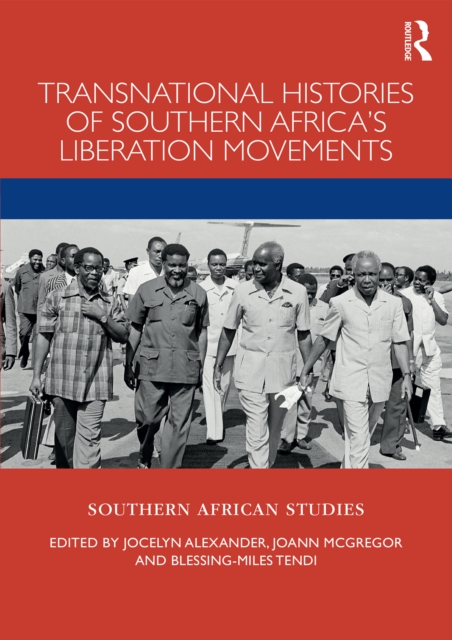
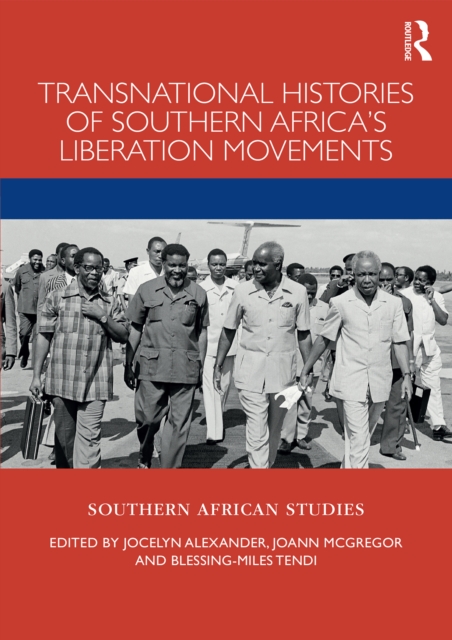
Transnational Histories of Southern Africa's Liberation Movements offers new perspectives on southern Africa's wars of national liberation, drawing on extensive oral historical and archival research.
Transnational Histories of Southern Africa's Liberation Movements offers new perspectives on southern Africa's wars of national liberation, drawing on extensive oral historical and archival research.
This book analyses Flight-Lieutenant Jerry John Rawlings' plans for radical democratisation in Ghana, involving ordinary people directly in the country's political and economic decision-making processes.