This book examines Afro-Israeli relations from about 1958, when Israel launched its diplomatic initiative in Africa, to 1973, when most African states severed their diplomatic ties.
My first introduction to the lower Medjerda Valley was in 1976 byWerner Kiene, then director of economic development programs in NorthAfrica for the Ford Foundation, and by professors Ali Ben Zaid Salmi andMoneeGBP Ben Said, codirectors of the Department of Rural Social Sciences atthe National Agronomy Institute of Tunisia (INA TI.
African pastoralists have been devastated by drought, famine and dislocation, yet herding remains the most viable system of support for the inhabitants of the vast arid and semi-arid zones.
Children of Ham: Freed Slaves and Fugitives Slaves on the Kenya Coast,I 873 to 1907 is a chronological account of the repeated bids for freedom made by slaves and ex-slaves on the Kenya coast and of the obstacles placed in their way by the British, the Busaidi Arabs, and the peoples of the coast.
Based on rare oral data from women participants in the "e;Mau Mau"e; rebellion, this book chronicles changes in women's domestic reproduction, legal status, and gender roles that took place under colonial rule.
In this book the author examines the efforts of the colonial regime to shape the process of decolonization in Kenya from the end of World War II until independence in 1963, focusing on the conflict between the state's two imperatives-promoting economic development and establishing and maintaining control.
Based on an unusual source a retrospective survey of migration from 1900 to 1975 this book traces the history of internal and international labor migration in colonial and contemporary Burkina Faso, the West African coast, and other parts of Africa.
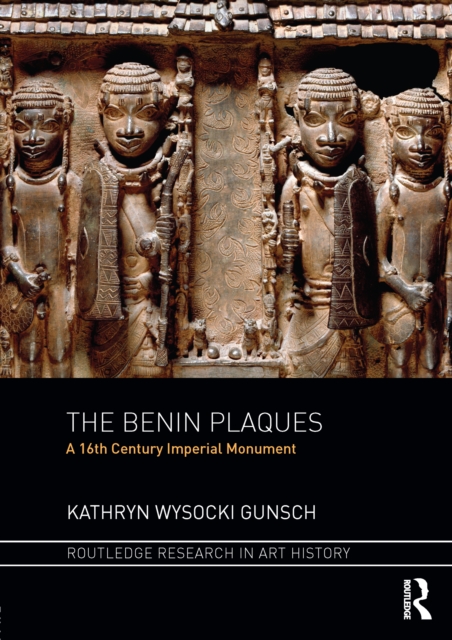
The 16th century bronze plaques from the kingdom of Benin are among the most recognized masterpieces of African art, and yet many details of their commission and installation in the palace in Benin City, Nigeria, are little understood.
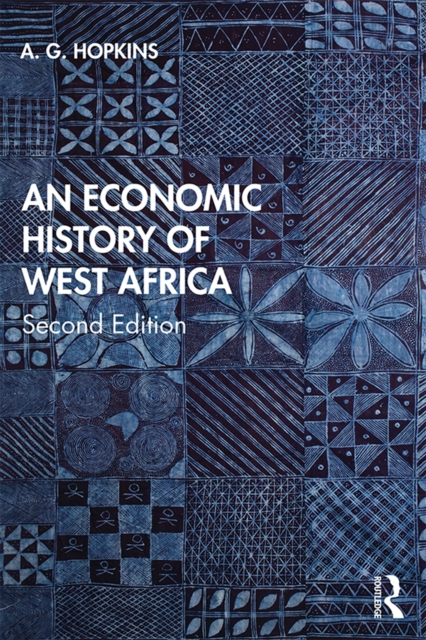
This pioneering and celebrated work was the first, and remains the standard, account of the economic history of the huge area conventionally known as West Africa.
This pioneering and celebrated work was the first, and remains the standard, account of the economic history of the huge area conventionally known as West Africa.
The Routledge Handbook of Pan-Africanism provides an international, intersectional, and interdisciplinary overview of, and approach to, Pan-Africanism, making an invaluable contribution to the ongoing evolution of Pan-Africanism and demonstrating its continued significance in the 21st century.
Sports in African History, Politics, and Identity Formation explores how sports can render a key to unlocking complex social, political, economic, and gendered relations across Africa and the Diaspora.
The Routledge Handbook of Pan-Africanism provides an international, intersectional, and interdisciplinary overview of, and approach to, Pan-Africanism, making an invaluable contribution to the ongoing evolution of Pan-Africanism and demonstrating its continued significance in the 21st century.
Sports in African History, Politics, and Identity Formation explores how sports can render a key to unlocking complex social, political, economic, and gendered relations across Africa and the Diaspora.
Originally published in 1933, at the time of its publication, Modern Industry and the African represented a progressive, essentially liberal approach to the development of the Copperbelt of Northern Rhodesia and the response thereto of the Christian Church.
Originally published in 1933, at the time of its publication, Modern Industry and the African represented a progressive, essentially liberal approach to the development of the Copperbelt of Northern Rhodesia and the response thereto of the Christian Church.
Originally published in 1970, this book is a reprint of one of the most important early documents regarding the early history and tradition of African states.
Originally published in 1970, this book is a reprint of one of the most important early documents regarding the early history and tradition of African states.
Published in 1973: This thoroughgoing collection of informed and incisive essay brings together for the first time between the covers of a single volume a very wide spectrum of views on one of the key conflicts in Africa today.
Published in 1971: The purpose of this book is to describe and to analyse the administrative policies in the Anglo-Egyptian Sudan during the formative years of the Condominium.
Published in 1971: The purpose of this book is to describe and to analyse the administrative policies in the Anglo-Egyptian Sudan during the formative years of the Condominium.
Originally published in 1931 and re-editioned in 1973, this book presents Robert Montagues findings about the Berber world, providing a major contribution to the understanding of Islam and of Africa.
Published in 1973: This thoroughgoing collection of informed and incisive essay brings together for the first time between the covers of a single volume a very wide spectrum of views on one of the key conflicts in Africa today.
Fieldwork of Empire, 1840-1900: Intercultural Dynamics in the Production of British Expeditionary Literature examines the impact of non-western cultural, political, and social forces and agencies on the production of British expeditionary literature; it is a project of recovery.
Fieldwork of Empire, 1840-1900: Intercultural Dynamics in the Production of British Expeditionary Literature examines the impact of non-western cultural, political, and social forces and agencies on the production of British expeditionary literature; it is a project of recovery.
This book is an original and comparative study of reactions in West and East Africa to the persecution and attempted annihilation of Jews in Europe and in former German colonies in sub-Saharan Africa during the Second World War.
This book is an original and comparative study of reactions in West and East Africa to the persecution and attempted annihilation of Jews in Europe and in former German colonies in sub-Saharan Africa during the Second World War.
Originally published in 1931 and re-editioned in 1973, this book presents Robert Montagues findings about the Berber world, providing a major contribution to the understanding of Islam and of Africa.
Originally published in 1950 and updated in 1968, this book discusses the functions and status of native chiefs in what were the French colonies in West Africa.
Originally published in 1950 and updated in 1968, this book discusses the functions and status of native chiefs in what were the French colonies in West Africa.
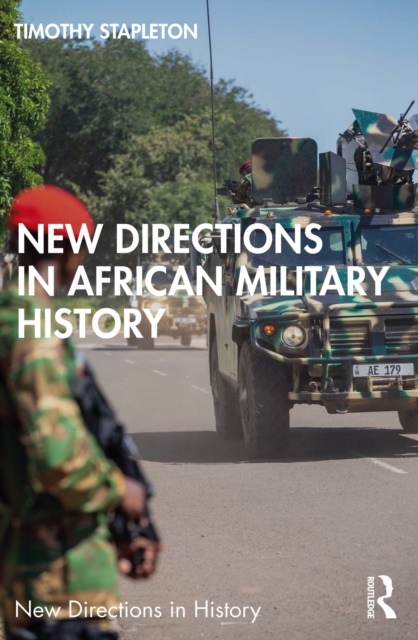
New Directions in African Military History takes a thematic approach to the history of war and military structures in Africa and highlights the under-researched areas.
The Colonial Legacy in Somalia is an investigation into the relationship between Rome and Mogadishu, from the period of colonial administration to the recent dramatic events of Operation Restore Hope.