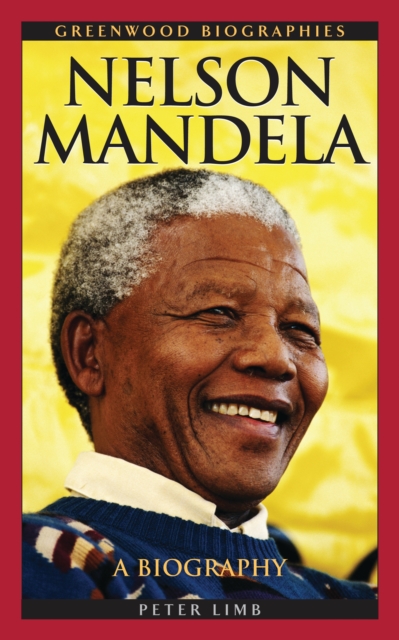
Everyone should know the life story of Nelson Mandela, one of the greatest leaders of all time, the first black president of South Africa, the most famous African, and a major world statesman.
Henry Venn, secretary of the London-based Church Missionary Society from 1840 to 1872, coined the term euthanasia of a mission to describe the vital process whereby a foreign mission becomes progressively indigenous and independent.
Heated debates about and insurgencies against female circumcision are symptoms of a disease emanating from a mindset that produced hierarchies of humans, conquered colonies, and built empires.
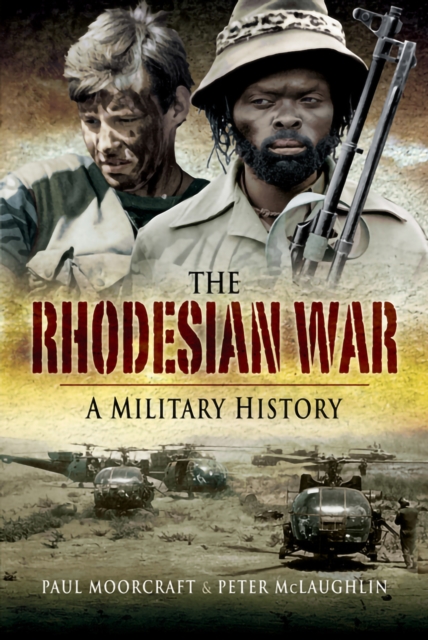
Zimbabwe, formerly known as Rhodesia, won its independence from Great Britain in 1980 yet continues to feel the impact of Western lifestyles and prejudices.
Gocking provides a historical overview of Ghana from the emergence of precolonial states through increasing contact with Europeans that led to the establishment of formal colonial rule by Great Britian at the end of the 19th century.
An NPR Best Book of the Year The incredible true story of the last ship to carry enslaved people to America, the remarkable town its survivors founded after emancipation, and the complicated legacy their descendants carry with them to this dayby the journalist who discovered the ship's remains.
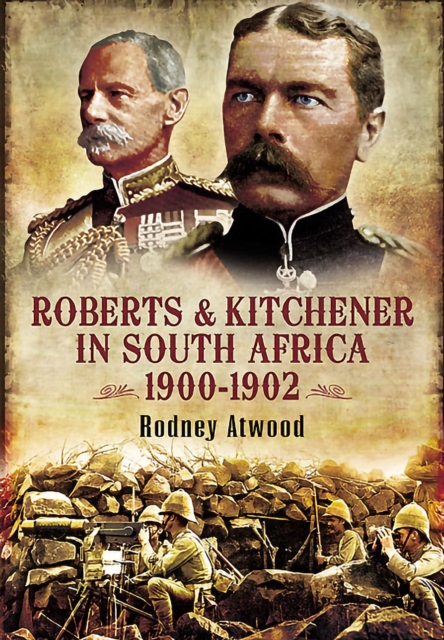
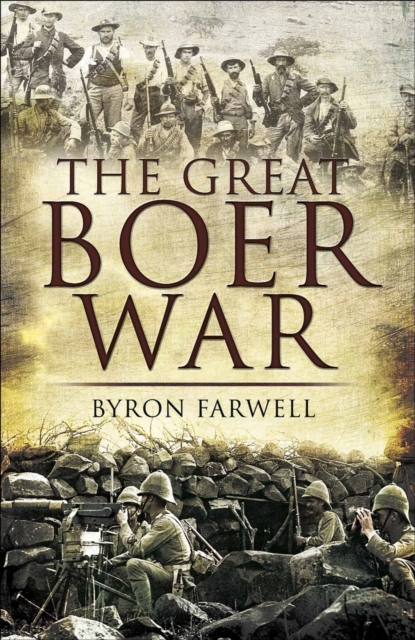
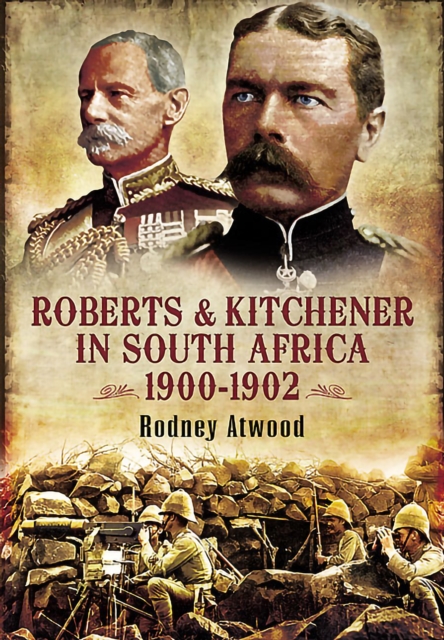
One hundred years after the Boer War, the British continue to debate what went wrong, while the war has significant nationalist overtones in today's South Africa.
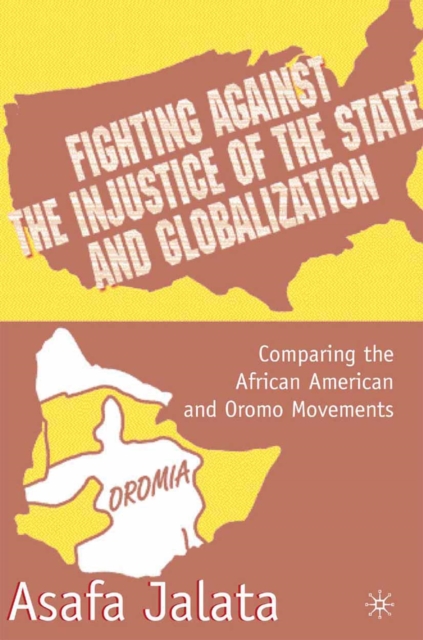
The book examines, compares, and contrasts the African American and Oromo movements by locating them in the global context, and by showing how life chances changed for the two peoples and their descendants as the modern world system became more complex and developed.
Africa's former colonial masters, including Great Britain; France, Portugal and Spain, trained members and leaders of the various colonial Armed Forces to be politically non-partisan.
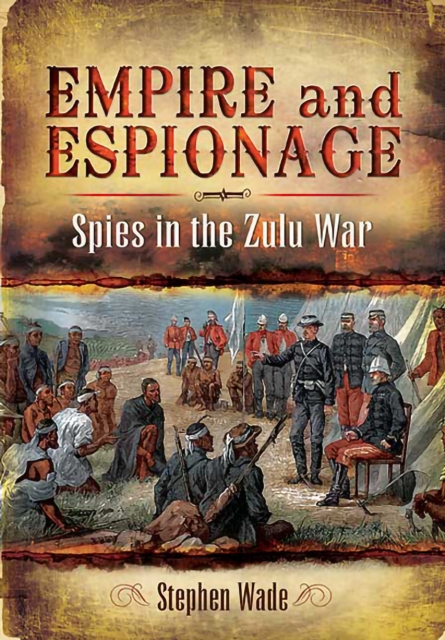
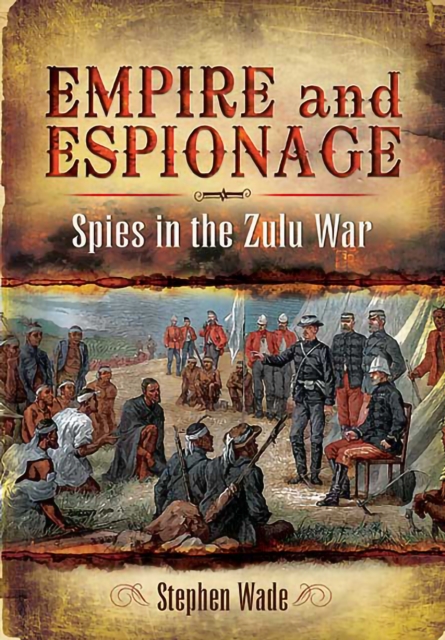
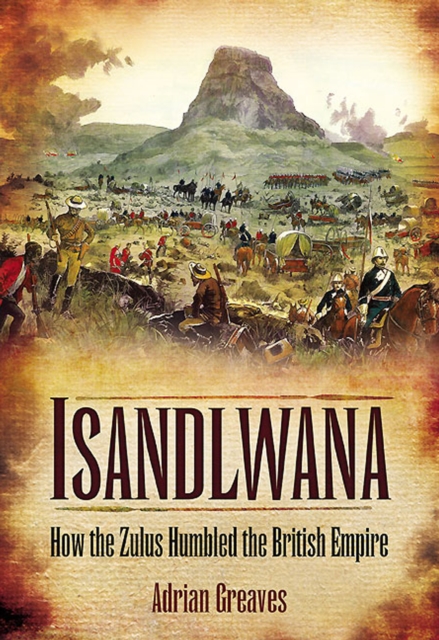
The Anglo-Zulu War may be best remembered for the military blundering that led to the astonishing British defeat at Isandlwana, but as Stephen Wade shows in this book, military action throughout the war was supplemented by the actions of spies and explorers in the field, and was often heavily influenced by the decisions made by diplomats.
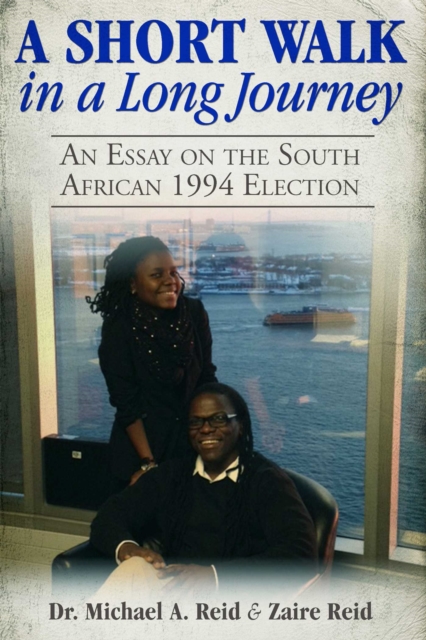
This book addresses the multiple repercussions of South Africa's democratic transition beginning in 1994 by examining a number of themes with local, national, regional, and global relevance: the politics of nation building, public memory, residential segregation, higher education, media, racism, trade unionism, women's rights, and global climate change, to name only a few.
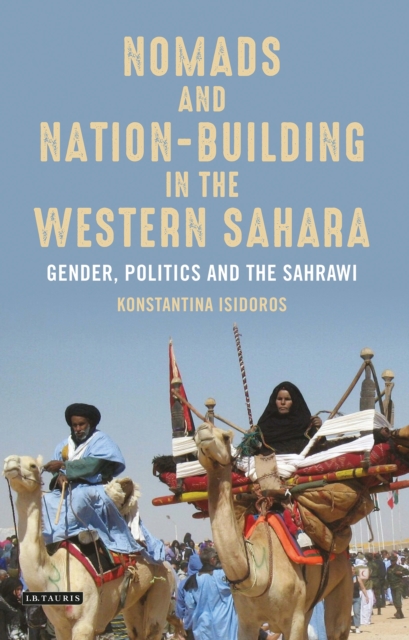
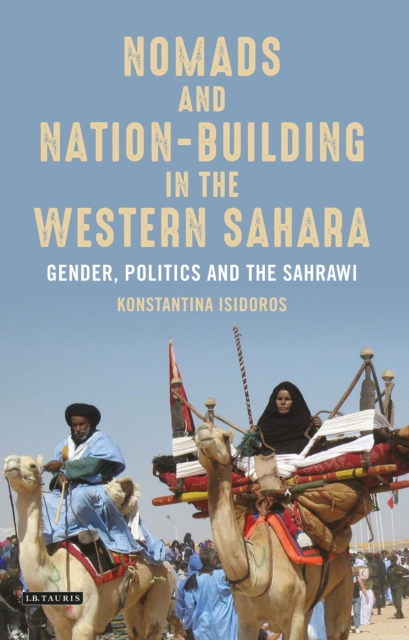
Fabled for more than three thousand years as fierce warrior-nomads and cameleers dominating the western Trans-Saharan caravan trade, today the Sahrawi are admired as soldier-statesmen and refugee-diplomats.
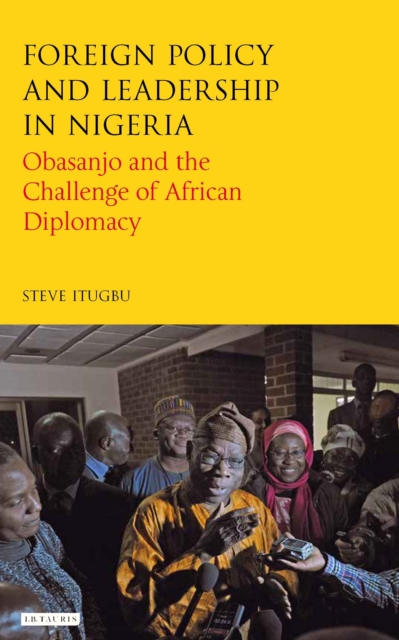
Steve Itugbu, for many years a foreign policy aide to Obasanjo, draws on an extensive corpus of official documents, interviews, unpublished material and first-hand experience to explore the president's multi-faceted personality in depth.
Fabled for more than three thousand years as fierce warrior-nomads and cameleers dominating the western Trans-Saharan caravan trade, today the Sahrawi are admired as soldier-statesmen and refugee-diplomats.
The story of the battle for independence from the British Empire in South Africa by "e;a vivid chronicler of military forces, generals, and wars"e; (Kirkus Reviews).
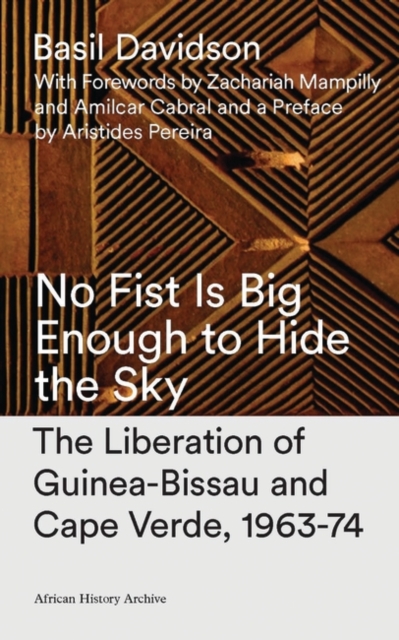
No Fist Is Big Enough to Hide the Sky stands as a key text in the history of the eleven-year struggle against Portuguese rule in Guinea-Bissau and Cape Verde.
No Fist Is Big Enough to Hide the Sky stands as a key text in the history of the eleven-year struggle against Portuguese rule in Guinea-Bissau and Cape Verde.
The Anglo-Zulu War may be best remembered for the military blundering that led to the astonishing British defeat at Isandlwana, but as Stephen Wade shows in this book, military action throughout the war was supplemented by the actions of spies and explorers in the field, and was often heavily influenced by the decisions made by diplomats.
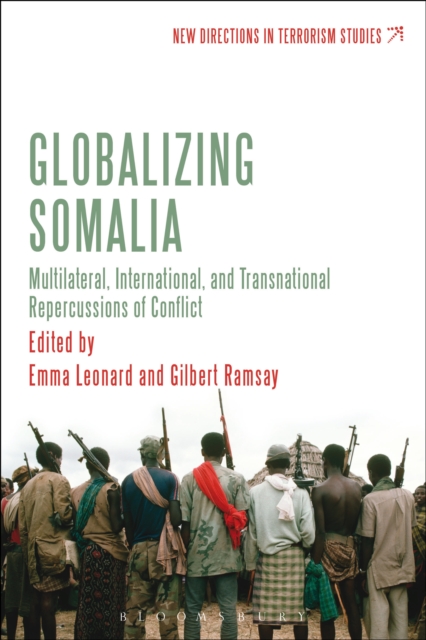
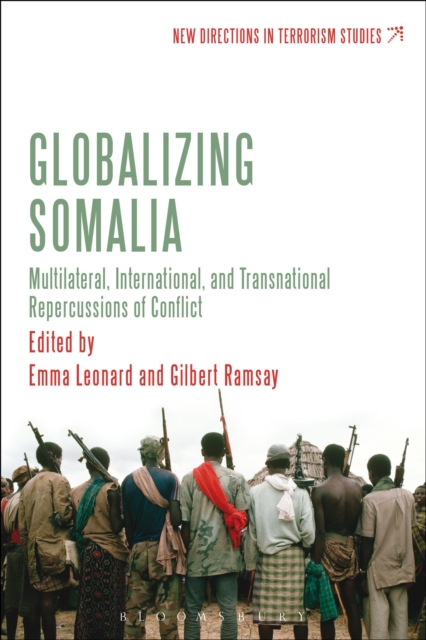
This collection of essays demonstrates how chronic state failure and the inability of the international community to provide a solution to the conflict in Somalia has had transnational repercussions.
This collection of essays demonstrates how chronic state failure and the inability of the international community to provide a solution to the conflict in Somalia has had transnational repercussions.
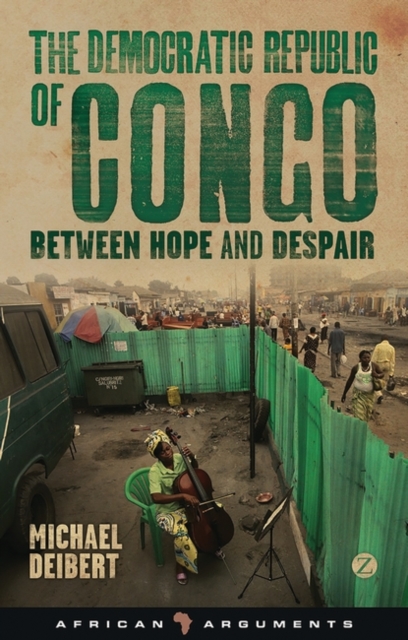
Over the past two decades, the Democratic Republic of Congo has been at the centre of the deadliest series of conflicts since the Second World War, and now hosts the largest United Nations peacekeeping mission in the world.
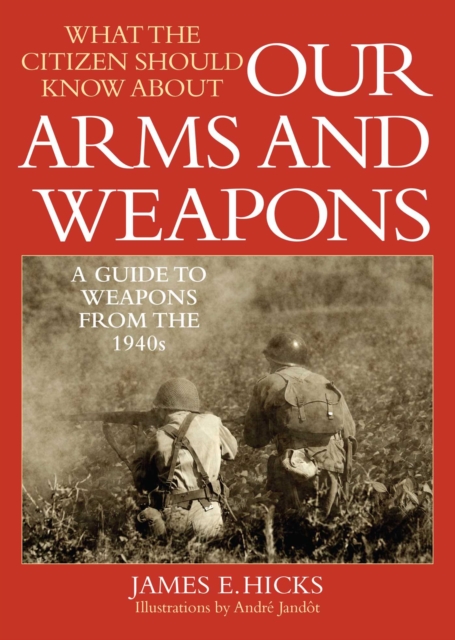
Originally published in 1941, this book of military ordnance was written in order to bring information to the non-military public during the time of uncertainty that marked the beginnings of the United States involvement in World War II.
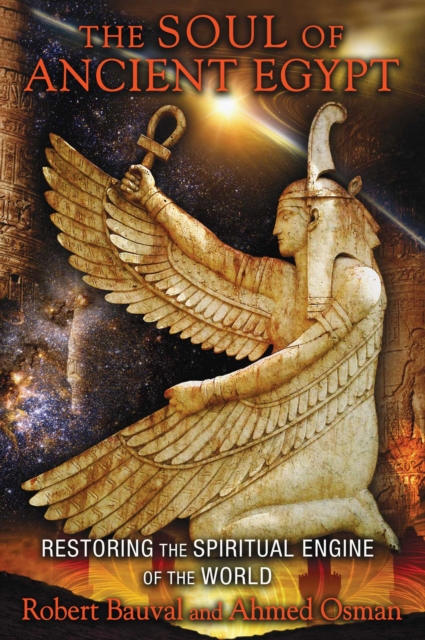
An examination of the cultural occupations of Egypt over the past two millennia and how we can return to the sacred harmony of ancient Egypt Explores the golden civilization of ancient Egypt and its system of natural magic that birthed the Western Mystery tradition Examines each phase of Egyptian history from the Pharaonic period, through the Roman conquest, to the ongoing Islamization Provides a revised portrait of the life of Muhammad, revealing his connections to the Essene tradition Imagine the paradise of ancient Egypt: a lush green valley with a gentle river, full of animals and birds of all sizes.