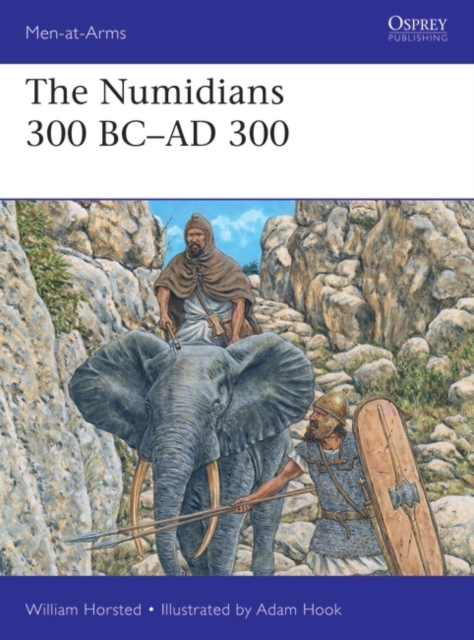
The Numidian light cavalry were among the best-known horsemen in the ancient world: riding without saddles or bridle, carrying only hide shields for defense and clutching a handful of light javelins, they were renowned for their darting attacks, swift retreats, and skirmishing prowess.
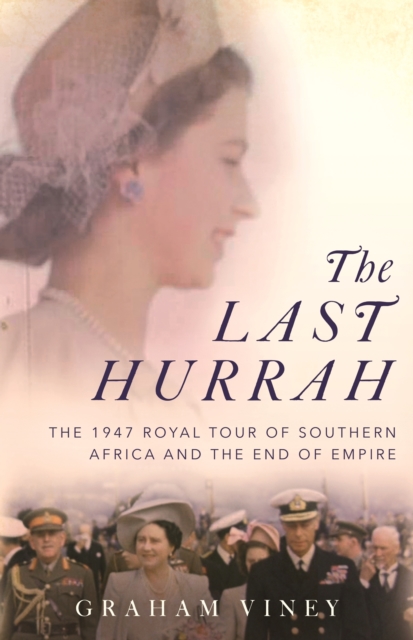
Young Elizabeth captures in vivid detail perhaps the single-most important formative experience in Queen Elizabeth's life, the 1947 royal tour of southern Africa with her parents King George VI, Queen Elizabeth and Princess Margaret, during which she celebrated her twenty-first birthday.
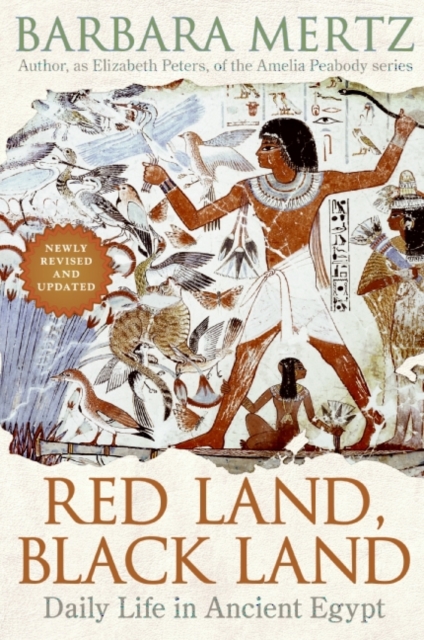
A fascinating, erudite, and witty glimpse of the human side of ancient Egypt—this acclaimed classic work is now revised and updated for a new generationDisplaying the unparalleled descriptive power, unerring eye for fascinating detail, keen insight, and trenchant wit that have made the novels she writes (as Elizabeth Peters and Barbara Michaels) perennial New York Times bestsellers, internationally renowned Egyptologist Barbara Mertz brings a long-buried civilization to vivid life.
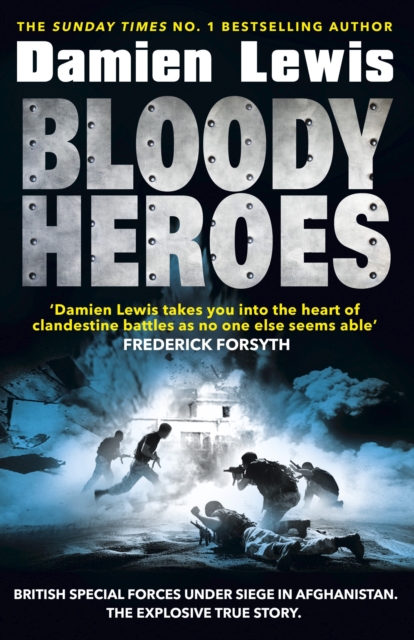
"e;A must read for all Damien Lewis fans"e; Compass ---------------------------------------------------------The most explosive true war story of the 21st Century It is the winter of 2001.
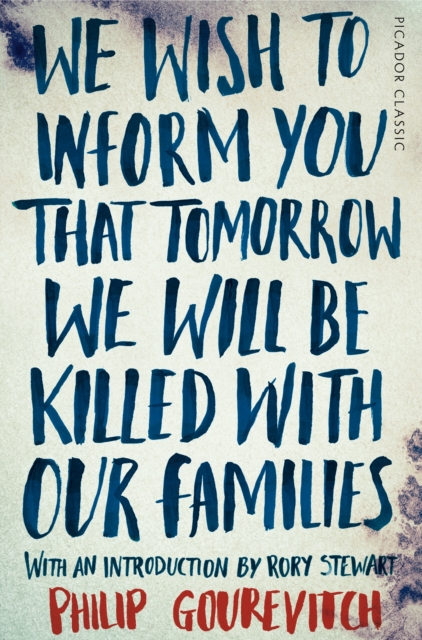
Winner of the National Book Critics Circle Award for NonfictionWinner of the Guardian First Book award'I know few books, fiction or non-fiction, as compelling as Philip Gourevitch's account of the Rwandan genocide' - Sebastian Junger, author of The Perfect Storm'Should be compulsory reading' - The GuardianIn 1994, the Rwandan government orchestrated a campaign of extermination, in which everyone in the Hutu majority was called upon to murder everyone in the Tutsi minority.
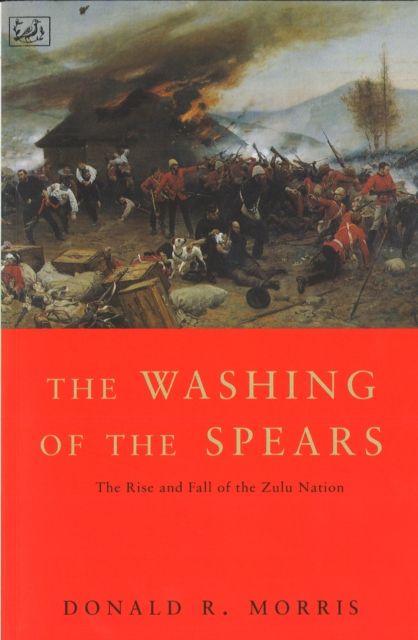
In 1879, armed only with their spears, their rawhide shields, and their incredible courage, the Zulus challenged the might of Victorian England and, initially, inflicted on the British the worst defeat a modern army has ever suffered at the hands of men without guns.
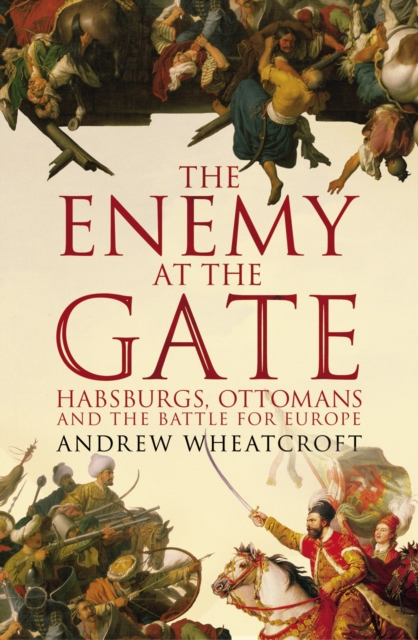
In 1683, two empires - the Ottoman, based in Constantinople, and the Habsburg dynasty in Vienna - came face to face in the culmination of a 250-year power struggle: the Great Siege of Vienna.
In April 1982 Harry Benson was a 21-year-old Royal Navy commando helicopter pilot, fresh out of training and one of the youngest helicopter pilots to serve in the Falklands War.
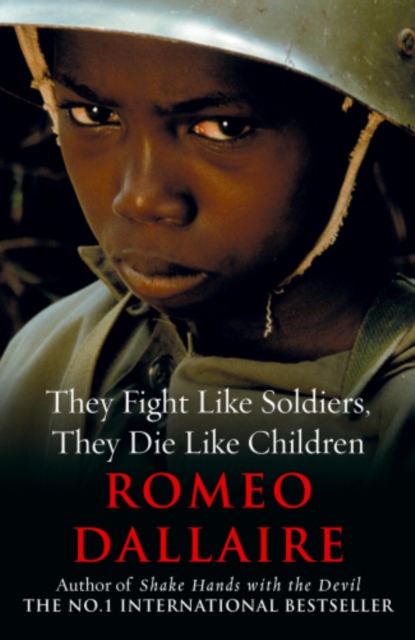
In conflicts around the world, there is an increasingly popular weapon system that needs negligible technology, is simple to sustain, has unlimited versatility, and an incredible capacity for both loyalty and barbarism.
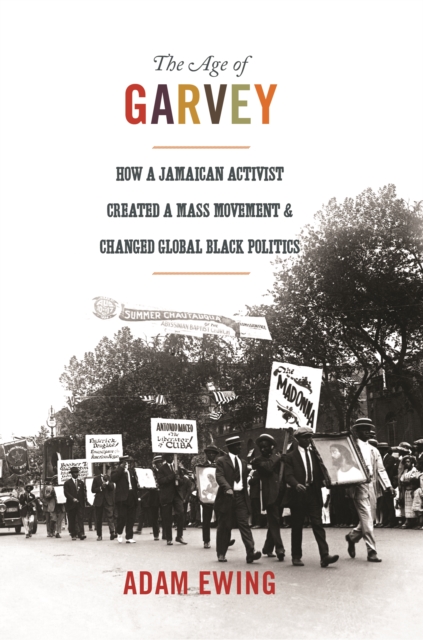
A groundbreaking exploration of Garveyism's global influence during the interwar years and beyondJamaican activist Marcus Garvey (1887-1940) organized the Universal Negro Improvement Association in Harlem in 1917.
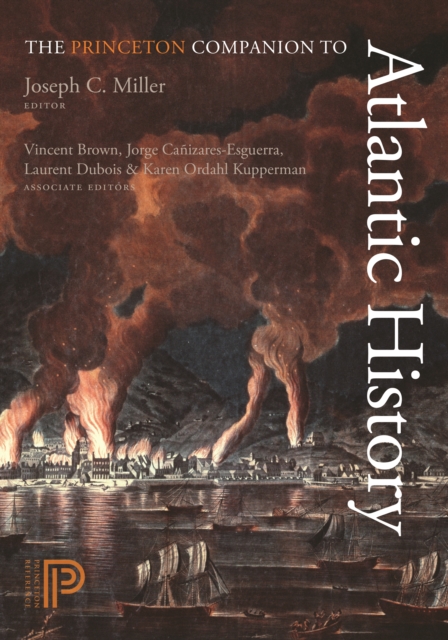
The first encyclopedic reference to Atlantic historyBetween the fifteenth and nineteenth centuries, the connections among Africa, the Americas, and Europe transformed world history-through maritime exploration, commercial engagements, human migrations and settlements, political realignments and upheavals, cultural exchanges, and more.
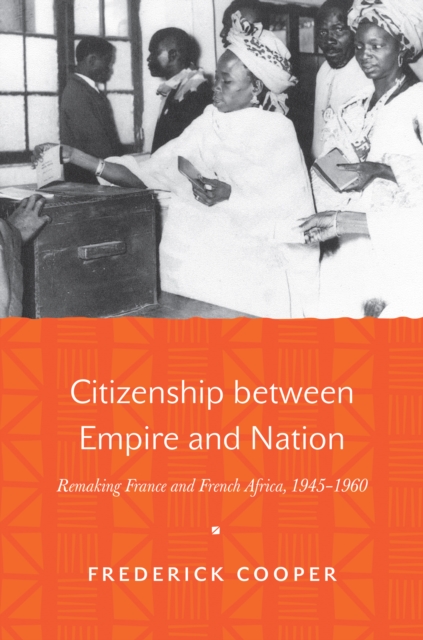
A groundbreaking history of the last days of the French empire in AfricaAs the French public debates its present diversity and its colonial past, few remember that between 1946 and 1960 the inhabitants of French colonies possessed the rights of French citizens.
South Africa came late to television; when it finally arrived in the late 1970s the rest of the world had already begun to boycott the country because of apartheid.
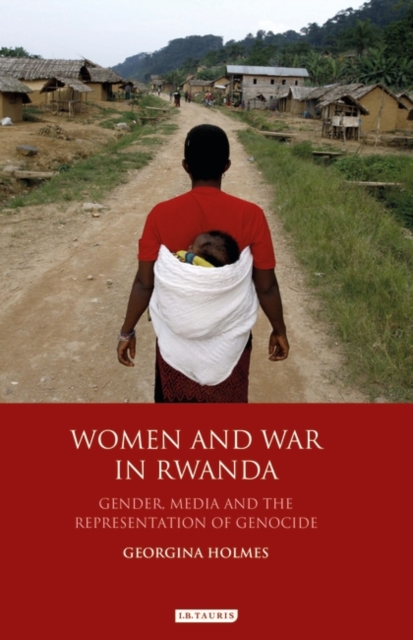
Focusing on television media reporting of the 1994 genocide in Rwanda and its aftermath, this book explores how African states directly involved in conflict, western states with geopolitical interests in Africa's Great Lakes region, militia groups, human rights activists and NGOs use gendered media narratives strategically, often engaging in politics of revisionism and denial, to change the behaviour of other actors in the international system.
In tenth-century Iraq, a group of Arab intellectuals and scholars known as the Ikhwan al-Safa began to make their intellectual mark on the society around them.
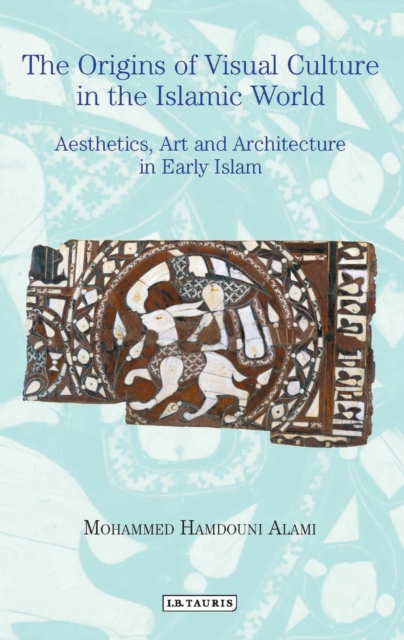
The reign of the founder of Cairo, the fourth Fatimid Imam-caliph al-Mu'izz li-Din Allah (341-365/953-975), marks a watershed in the transformation of the Fatimid state from a regional North African dynasty to an expansive Mediterranean empire.
Universal ideas of freedom are to be found throughout the world's diverse intellectual and political traditions, spread by the global trade in ideas which has grown exponentially during the past 200 years.