This book, based on recently declassified documents in Britain and the USA, is the first detailed account of Britain's East of Suez decision, which was taken by the Harold Wilson Government in 1967-68.
In the 1980s South Africa's urban townships exploded into insurrection led by youth and residents' organisations that collectively became known as the civics movement.
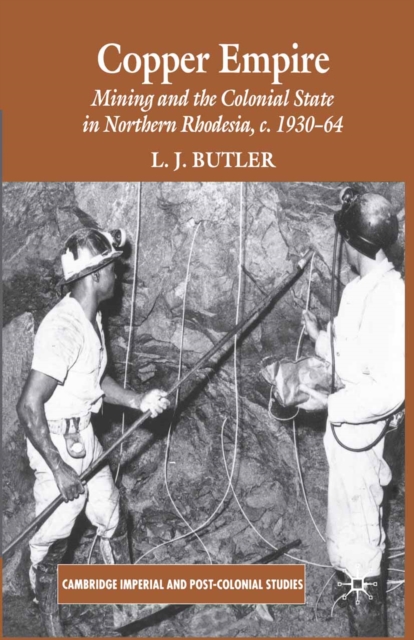
This is a study of the evolving relationship between the British colonial state and the copper mining industry in Northern Rhodesia, from the early stages of development to decolonization, encompassing depression, wartime mobilization and fundamental changes in the nature and context of colonial rule.
This work is a path-breaking study of the changing attitudes of Canada, Australia, New Zealand and South Africa to Britain and the Commonwealth in the 1940s and the effect of those changes on their individual and collective standing in international affairs.
The Fall of Apartheid tells the extraordinary story of how apartheid came into being, secured its ascendancy over the richest and most developed society in Sub-Saharan Africa, and then collapsed.
Using original primary sources, this book uncovers and analyzes for the first time the politics of fertility and the battle over birth control in South Africa from 1910 (the year the country was formed) to 1945.
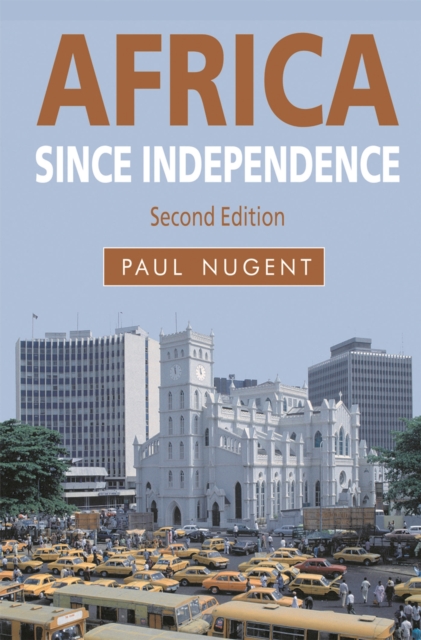
An indispensable introductory textbook that provides students with a genuinely comparative study of the different trajectories and experiences of independent African states.
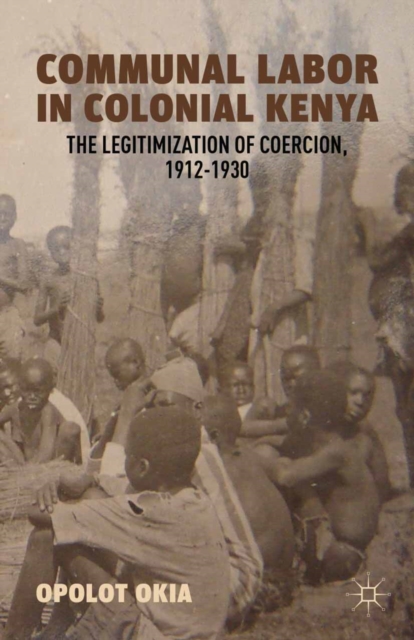
This book advances research into the government-forced labor used widely in colonial Kenya from 1930 to 1963 after the passage of the International Labor Organization's Forced Labour Convention.
This book charts in detail the West's response, particularly that of the US, to Libya's possible involvement in the bombing of the Pan Am airliner over Lockerbie in 1988.
This book describes the fate of South Africa's drive, which began in 1949, to associate itself with Britain, France, Portugal and Belgium in an African Defence Pact.
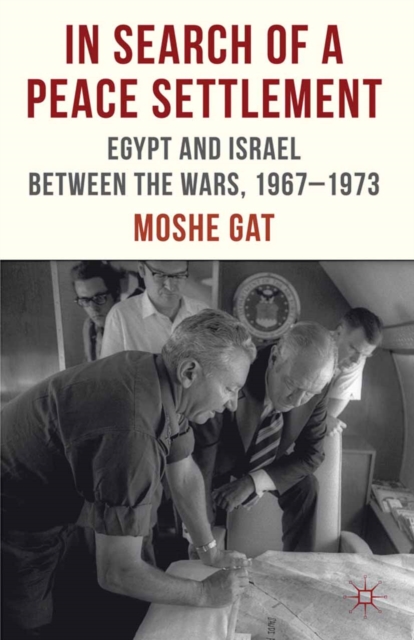
This is the first examination of the Israeli and Egyptian peace process between 1967-1973, which highlights the rise and fall of Soviet influence after the Six Day War and explores how the increasing importance of America's political leadership affected the region.
A fascinating account which discusses the indigenous peoples at the Cape at the time of the Dutch colonisers' arrival through to the years of apartheid.
Presenting a set of rich case-studies which demonstrate novel and productive approaches to the study of colonial knowledge, this volume covers British, Danish, Dutch, French, German, Portuguese, and Spanish colonial encounters in Africa, Asia, America and the Pacific, from the sixteenth to the twentieth century.
Post-colonial South Asia and Africa invite comparison: along with their political boundaries, they inherited from colonial regimes administrative languages, a cluster of sovereign state institutions and modern economic nuclei.
This book examines key emergent trends related to aspects of power, sovereignty, conflict, peace, development, and changing social dynamics in the African context.
From the late 1800s, African workers migrated to the mineral-rich hinterland areas of Guyana, mined gold, diamonds, and bauxite; diversified the country's economy; and contributed to national development.
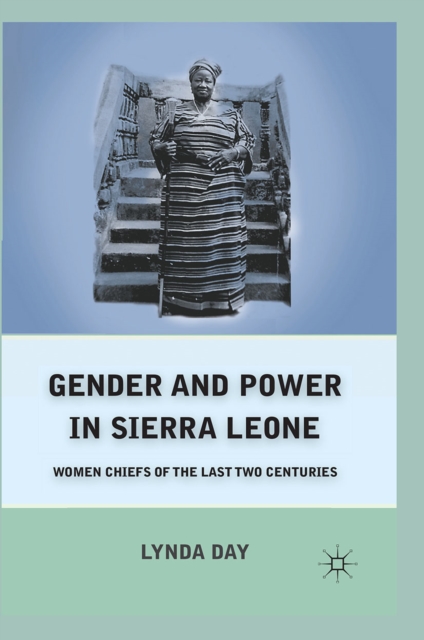
This book addresses the gendered political authority in Sierra Leone, a relatively unknown topic, and looks at the part it plays in women's history, political history, political transformation in Africa, and global women's political leadership.
Sarah Baartman's iconic status as the "e;Hottentot Venus"e; - as "e;victimized"e; African woman, "e;Mother"e; of the new South Africa, and ancestral spirit to countless women of the African Diaspora - has led to an outpouring of essays, biographies, films, interviews, art installations, and centers, comprising a virtual archive that seeks to find some meaning in her persona.
The coming of colonialism to Subsaharan Africa generated many forces that historians often describe in abstract terms: peasantization, leadership, nationalism and even colonialism.
When Peterhouse School opened in 1955, the British Empire in Africa was still intact and the Federation of Rhodesia and Nyasaland had just come into being.
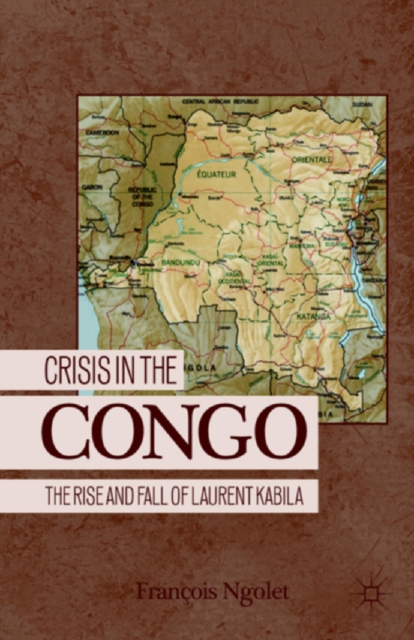
A fascinating account of a huge Central African country, almost completely unprepared for liberation from colonial rule in 1960 and plunged into the anarchy of factional struggles for central power, against a background of regional separatism.
Formal political structures have produced little more than 'electoral democracy' in Africa without tackling the problems of poverty and elite exploitation.
Mohammed Bashir Salau addresses the neglected literature on Atlantic Slavery in West Africa by looking at the plantation operations at Fanisau in Hausaland, and in the process provides an innovative look at one piece of the historically significant Sokoto Caliphate.
Through the research and experiences of 16 scholars whose native homes span ten countries, this collection shifts the discussion of belonging and affinity within Africa and its diaspora toward local perceptions and the ways in which these notions are asserted or altered.
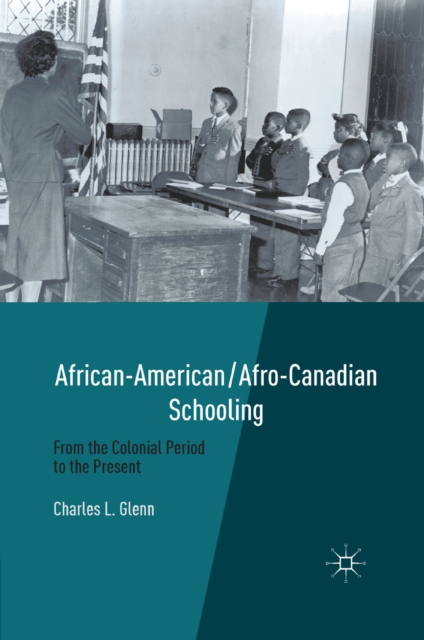
Tracing the history of black schooling in North America, this book emphasizes factors in society at large - and sometimes within black communities - which led to black children being separate from the white majority.
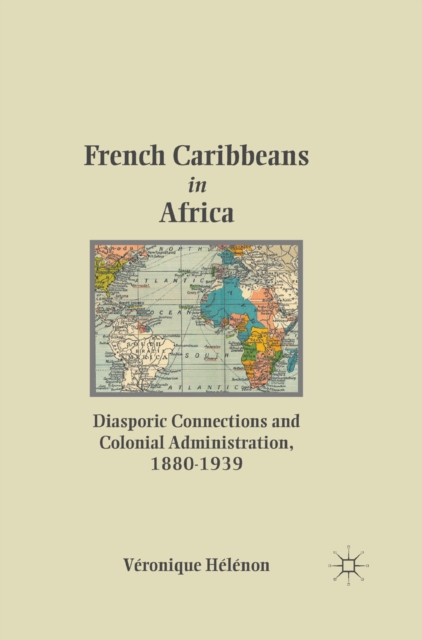
This is the first book-length study of the French Caribbean presence in Africa, and serves as a unique contribution to the field of African Diaspora and Colonial studies.
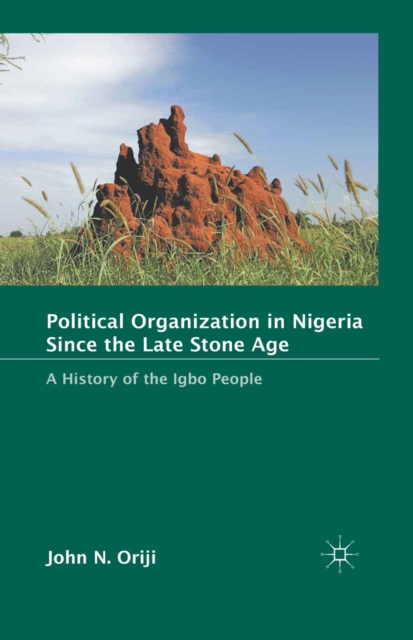
Although the Igbo constitute one of the largest ethnic nationalities of Nigeria and the West African sub-region, little is known about their political history before the Trans-Atlantic slave trade.
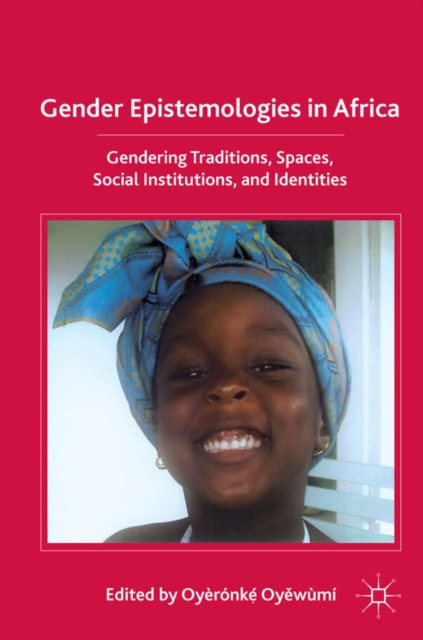
This volume brings together a variety of studies that are engaged with notions of gender in different African localities, institutions and historical time periods.
This edited collection is the product of a National Research Working Group (NRWG) established by Said Adejumobi and supported by the Open Society Initiative for West Africa (OSIWA).