The Lome Peace Accord, signed in 1999, presented significant implications, challenges, and possibilities for post-conflict Sierra Leone, but the literature on post-conflict Sierra Leone only scantily addresses these issues.
A panoramic narrative that places ancient Africa on the stage of world historyThis book brings together archaeological and linguistic evidence to provide a sweeping global history of ancient Africa, tracing how the continent played an important role in the technological, agricultural, and economic transitions of world civilization.
In examining the intellectual history in contemporary South Africa, Eze engages with the emergence of ubuntu as one discourse that has become a mirror and aftermath of South Africa s overall historical narrative.
This book breaks new ground in understanding how modern society has shaped women's knowledge system in Africa and deconstructs long-held myths about the position of ordinary women in the construction of knowledge.
European settler societies have a long history of establishing a sense of belonging and entitlement outside Europe, but Zimbabwe has proven to be the exception to the rule.
This book provides an engaging account of the moral lives of young black South Africans once the struggle against apartheid ended and took away their object of political resistance.
Based on archival research on three continents, this book addresses the interpenetration of two closely related movements: the struggle against white supremacy and Jim Crow in the U.
Proceeding from a longitudinal analysis of Nigeria s governorship history, The Route to Power in Nigeria shows how personalities have for the most part overwhelmed institutions, to the detriment of the country s democratic consolidation.
This study explores the roles played by magic in contemporary African warfare, specifically through the case of Sierra Leone, to assess its impact on behaviour in conflict.
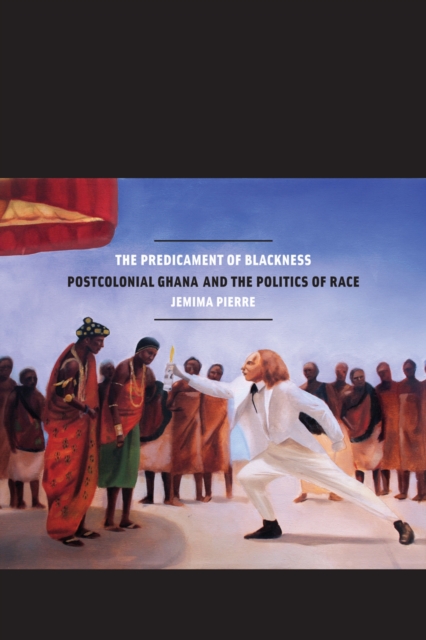
With Ghana's colonial and postcolonial politics as a backdrop, this book explores the ways in which historically marginalized communities have defined and redefined themselves to protect their interests and compete politically and economically with neighbouring ethnic groups.
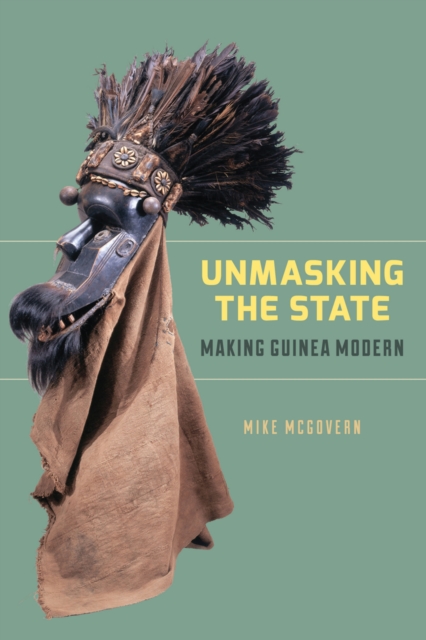
When the Republic of Guinea gained independence in 1958, one of the first policies of the new state was a village-to-village eradication of masks and other ritual objects it deemed "e;fetishes.
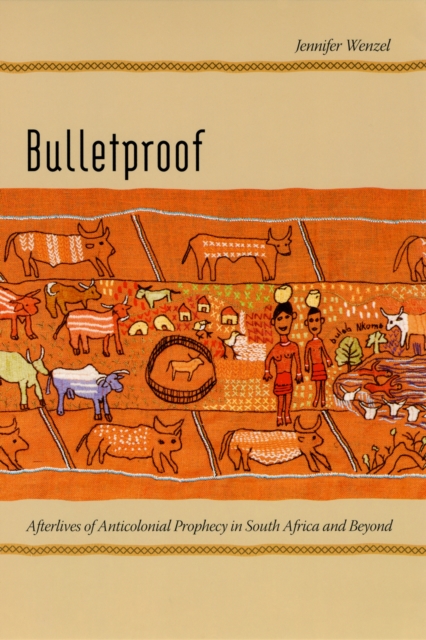
In 1856 and 1857, in response to a prophet's command, the Xhosa people of southern Africa killed their cattle and ceased planting crops; the resulting famine cost tens of thousands of lives.
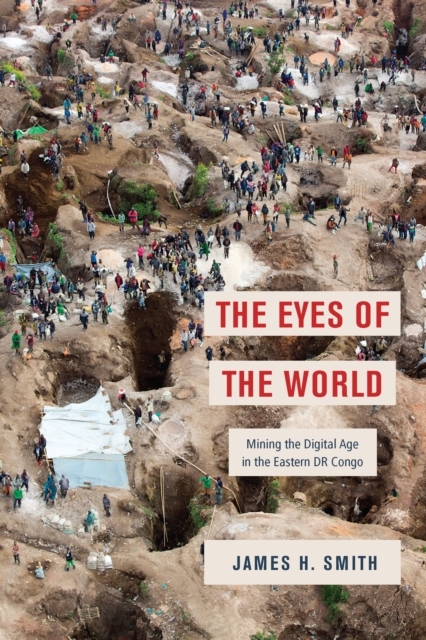
The Eyes of the World focuses on the lives and experiences of Eastern Congolese people involved in extracting and transporting the minerals needed for digital devices.
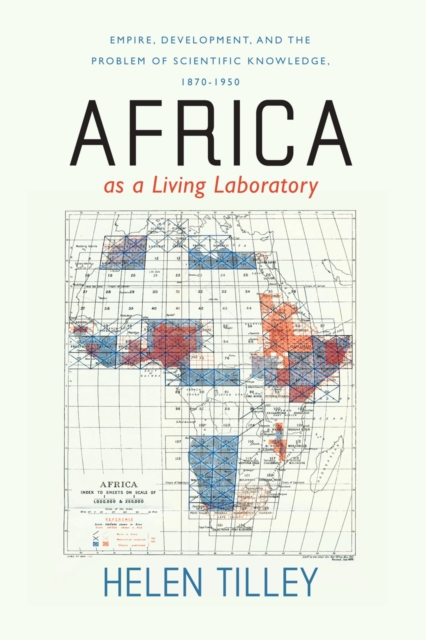
Tropical Africa was one of the last regions of the world to experience formal European colonialism, a process that coincided with the advent of a range of new scientific specialties and research methods.
The Darfur conflict exploded in early 2003 when two rebel groups, the Sudan Liberation Movement and the Justice and Equality Movement, struck national military installations in Darfur to send a hard-hitting message of resentment over the region's political and economic marginalization.
Europe's imperial projects were often predicated on a series of legal and scientific distinctions that were frequently challenged by the reality of social and sexual interactions between the colonized and the colonizers.
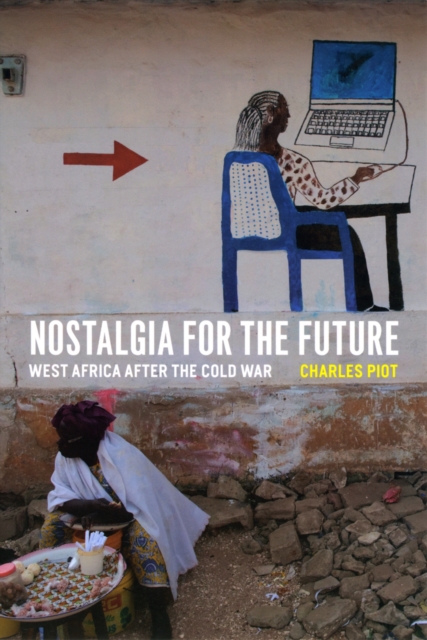
Since the end of the cold war, Africa has seen a dramatic rise in new political and religious phenomena, including an eviscerated privatized state, neoliberal NGOs, Pentecostalism, a resurgence in accusations of witchcraft, a culture of scamming and fraud, and, in some countries, a nearly universal wish to emigrate.
Many observers of Kenya's complicated history see causes for concern, from the use of public office for private gain to a constitutional structure historically lopsided towards the executive branch.
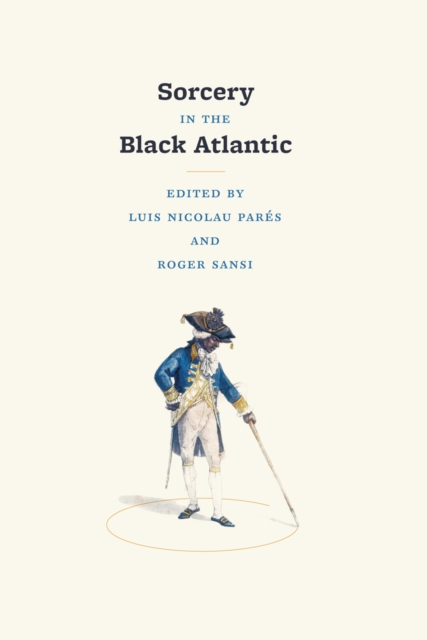
Most scholarship on sorcery and witchcraft has narrowly focused on specific times and places, particularly early modern Europe and twentieth-century Africa.
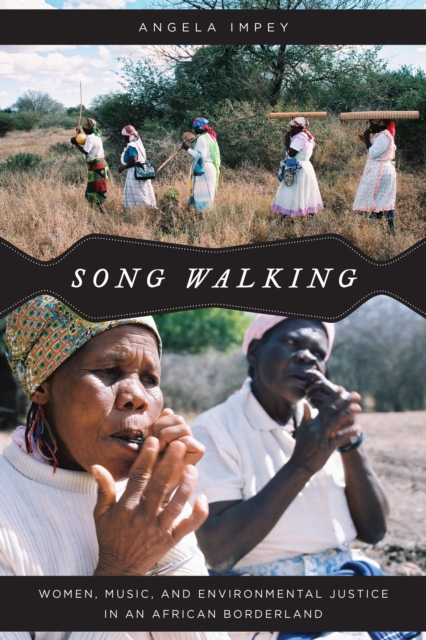
Song Walking explores the politics of land, its position in memories, and its foundation in changing land-use practices in western Maputaland, a borderland region situated at the juncture of South Africa, Mozambique, and Swaziland.
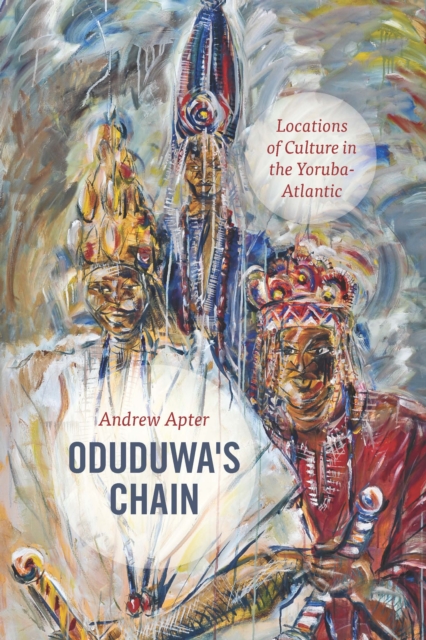
Yoruba culture has been a part of the Americas for centuries, brought from Africa during the transatlantic slave trade and maintained in various forms ever since.
When Breeze FM, a radio station in the provincial Zambian town of Chipata, hired an elderly retired schoolteacher in 2003, no one anticipated the skyrocketing success that would follow.
Fought in the wake of a decade of armed struggle against colonialism, the Mozambican civil war lasted from 1977 to 1992, claiming hundreds of thousands of lives while displacing millions more.
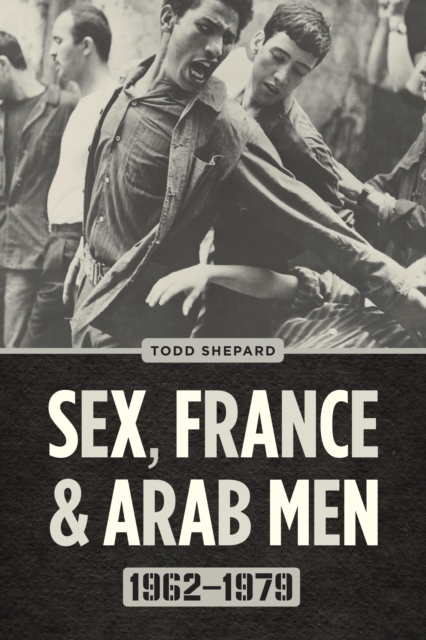
The aftermath of Algeria's revolutionary war for independence coincided with the sexual revolution in France, and in this book Todd Shepard argues that these two movements are inextricably linked.
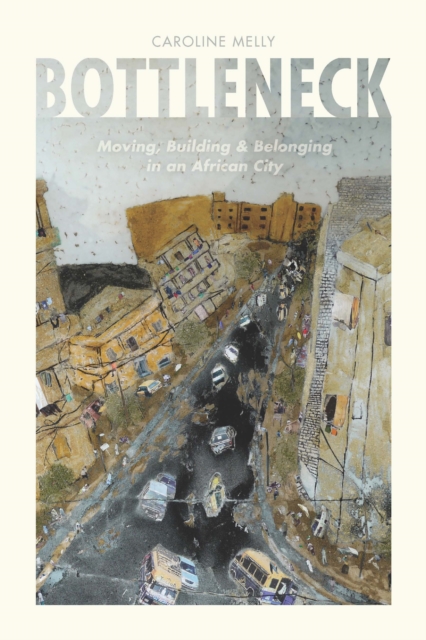
In Bottleneck, anthropologist Caroline Melly uses the problem of traffic bottlenecks to launch a wide-ranging study of mobility in contemporary urban Senegal-a concept that she argues is central to both citizens' and the state's visions of a successful future.
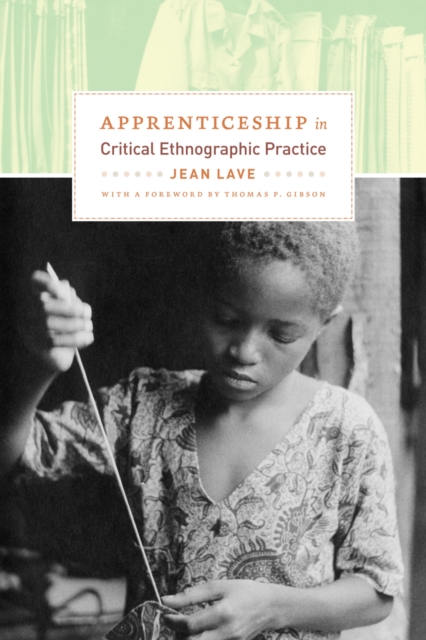
In this extended meditation, Jean Lave interweaves analysis of the process of apprenticeship among the Vai and Gola tailors of Liberia with reflections on the evolution of her research on those tailors in the late 1970s.
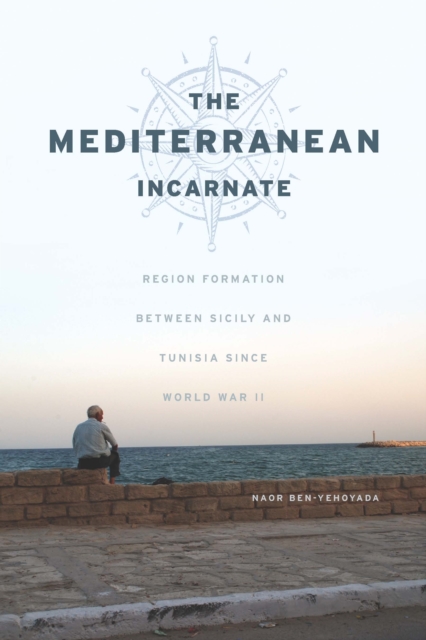
In The Mediterranean Incarnate, anthropologist Naor Ben-Yehoyada takes us aboard the Naumachos for a thirty-seven-day voyage in the fishing grounds between Sicily and Tunisia.
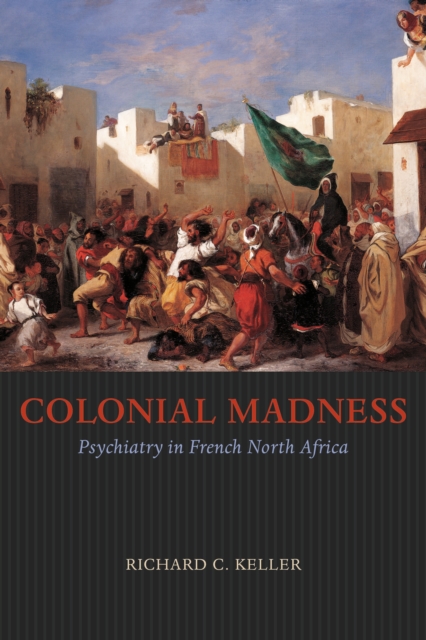
Nineteenth-century French writers and travelers imagined Muslim colonies in North Africa to be realms of savage violence, lurid sexuality, and primitive madness.
The influx of African migrants into Europe in recent years has raised important issues about changing labor economies, new technologies of border control, and the effects of armed conflict.
Nigeria's Nollywood has rapidly grown into one of the world's largest film industries, radically altering media environments across Africa and in the diaspora; it has also become one of African culture's most powerful and consequential expressions, powerfully shaping how Africans see themselves and are seen by others.
For generations Islamic and Western intellectuals and policymakers have debated Islam's compatibility with democratic government, usually with few solid conclusions.
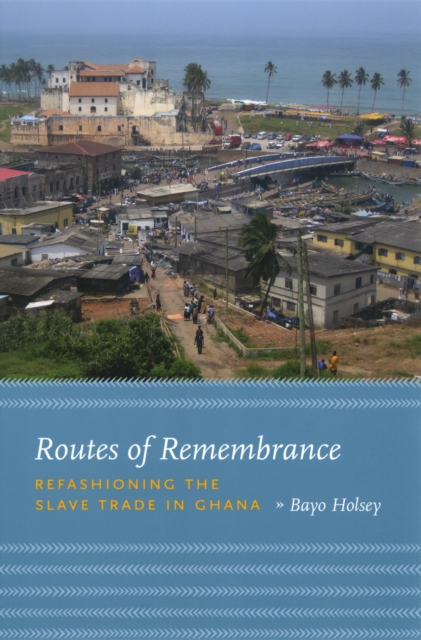
Over the past fifteen years, visitors from the African diaspora have flocked to Cape Coast and Elmina, two towns in Ghana whose chief tourist attractions are the castles and dungeons where slaves were imprisoned before embarking for the New World.