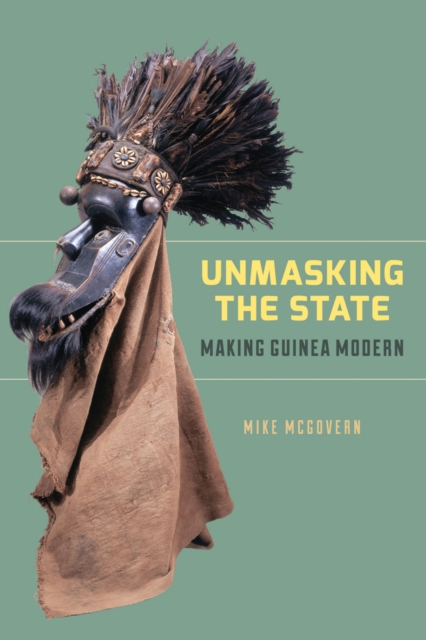
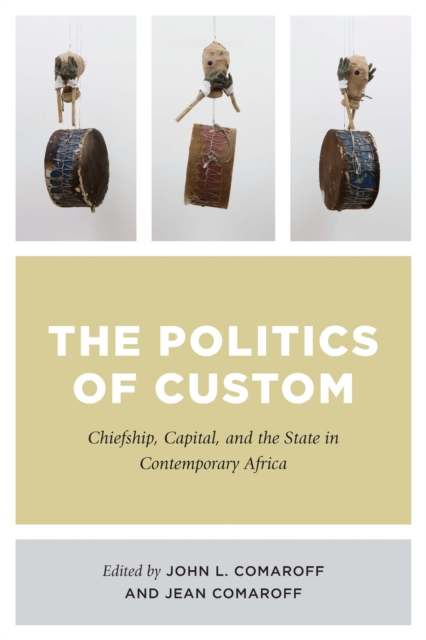
When the Republic of Guinea gained independence in 1958, one of the first policies of the new state was a village-to-village eradication of masks and other ritual objects it deemed "e;fetishes.
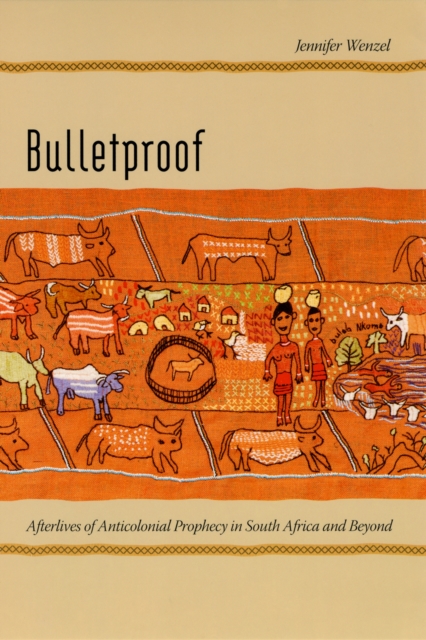
In 1856 and 1857, in response to a prophet's command, the Xhosa people of southern Africa killed their cattle and ceased planting crops; the resulting famine cost tens of thousands of lives.
The Eyes of the World focuses on the lives and experiences of Eastern Congolese people involved in extracting and transporting the minerals needed for digital devices.
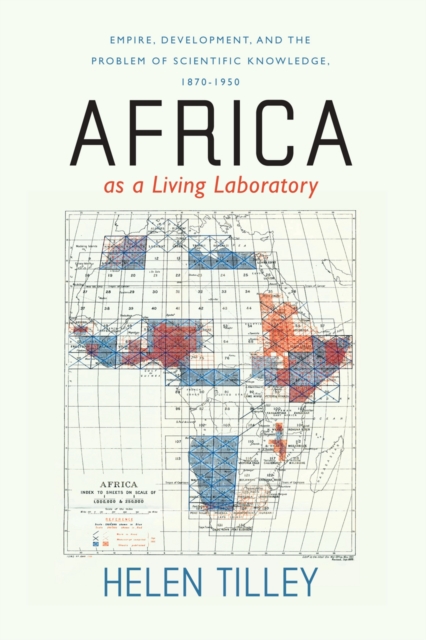
Tropical Africa was one of the last regions of the world to experience formal European colonialism, a process that coincided with the advent of a range of new scientific specialties and research methods.
The Darfur conflict exploded in early 2003 when two rebel groups, the Sudan Liberation Movement and the Justice and Equality Movement, struck national military installations in Darfur to send a hard-hitting message of resentment over the region's political and economic marginalization.
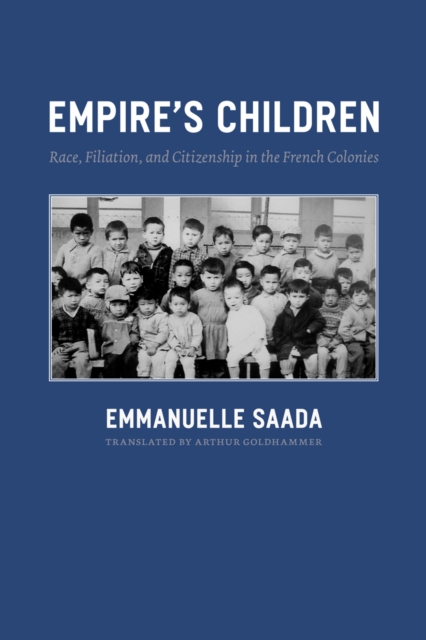
Europe's imperial projects were often predicated on a series of legal and scientific distinctions that were frequently challenged by the reality of social and sexual interactions between the colonized and the colonizers.
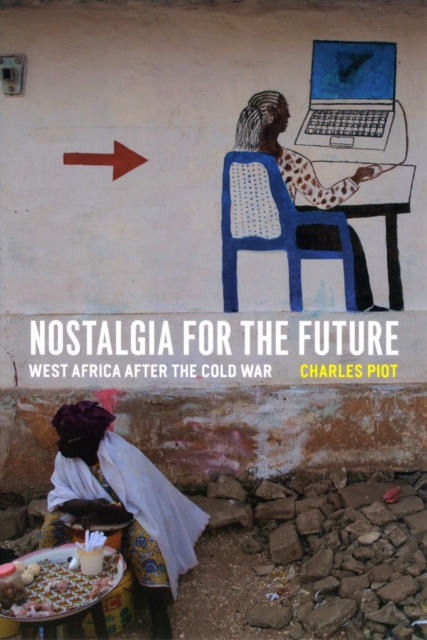
Since the end of the cold war, Africa has seen a dramatic rise in new political and religious phenomena, including an eviscerated privatized state, neoliberal NGOs, Pentecostalism, a resurgence in accusations of witchcraft, a culture of scamming and fraud, and, in some countries, a nearly universal wish to emigrate.
Many observers of Kenya's complicated history see causes for concern, from the use of public office for private gain to a constitutional structure historically lopsided towards the executive branch.
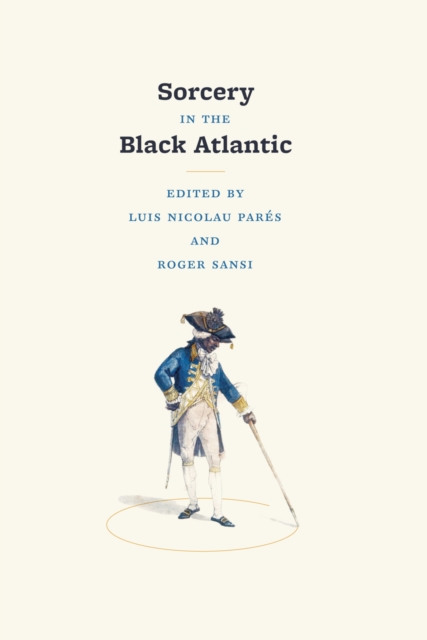
Most scholarship on sorcery and witchcraft has narrowly focused on specific times and places, particularly early modern Europe and twentieth-century Africa.
Song Walking explores the politics of land, its position in memories, and its foundation in changing land-use practices in western Maputaland, a borderland region situated at the juncture of South Africa, Mozambique, and Swaziland.
While much has been written on post-apartheid social movements in South Africa, most discussion centers on ideal forms of movements, disregarding the reality and agency of the activists themselves.
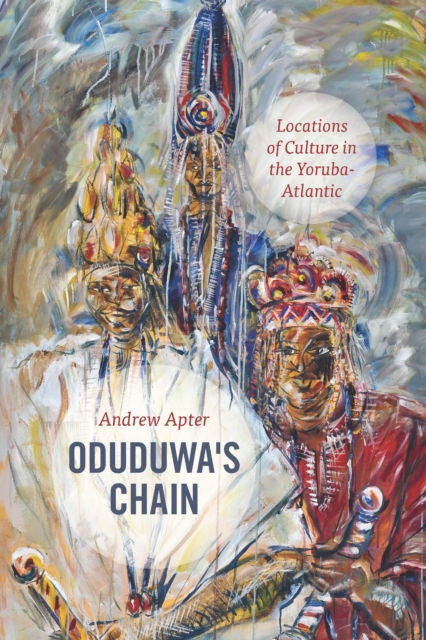
Yoruba culture has been a part of the Americas for centuries, brought from Africa during the transatlantic slave trade and maintained in various forms ever since.
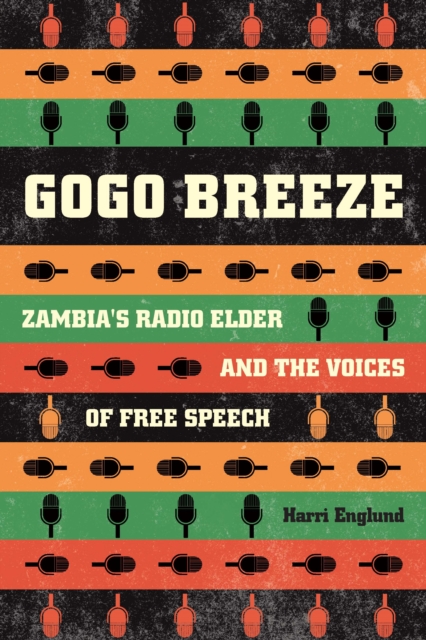
When Breeze FM, a radio station in the provincial Zambian town of Chipata, hired an elderly retired schoolteacher in 2003, no one anticipated the skyrocketing success that would follow.
Fought in the wake of a decade of armed struggle against colonialism, the Mozambican civil war lasted from 1977 to 1992, claiming hundreds of thousands of lives while displacing millions more.
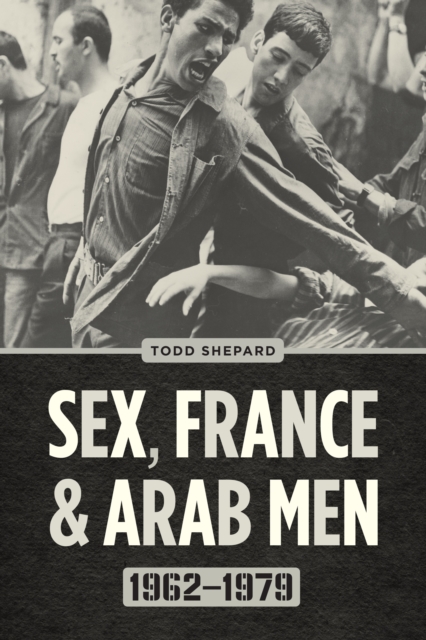
The aftermath of Algeria's revolutionary war for independence coincided with the sexual revolution in France, and in this book Todd Shepard argues that these two movements are inextricably linked.
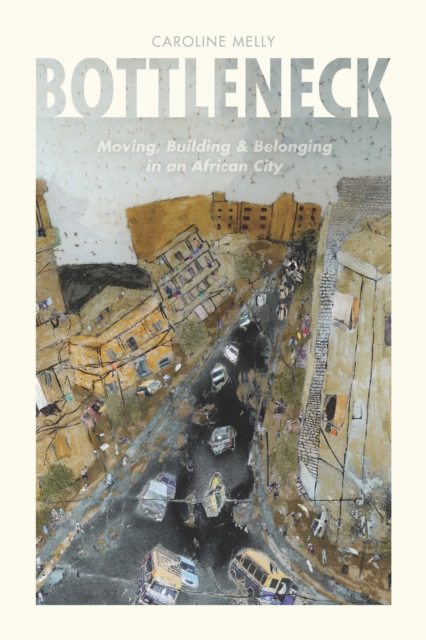
In Bottleneck, anthropologist Caroline Melly uses the problem of traffic bottlenecks to launch a wide-ranging study of mobility in contemporary urban Senegal-a concept that she argues is central to both citizens' and the state's visions of a successful future.
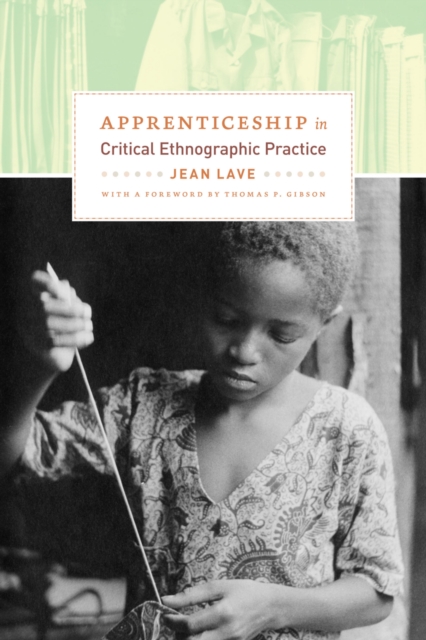
In this extended meditation, Jean Lave interweaves analysis of the process of apprenticeship among the Vai and Gola tailors of Liberia with reflections on the evolution of her research on those tailors in the late 1970s.
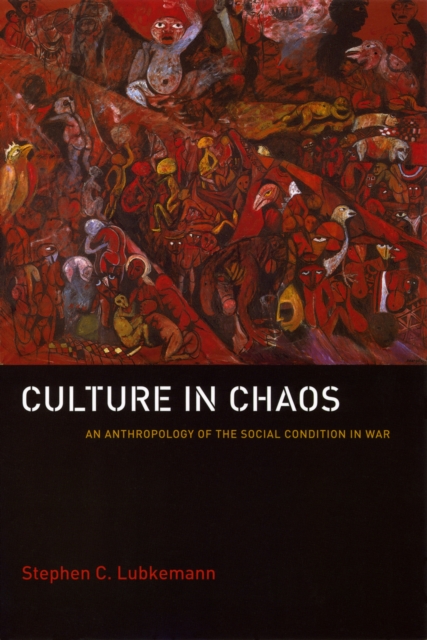
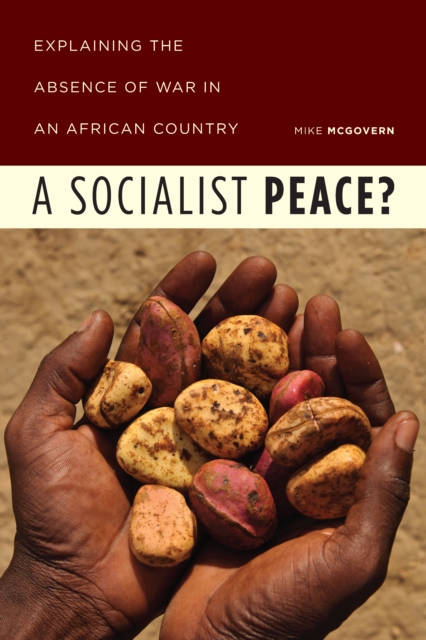
For the last twenty years, the West African nation of Guinea has exhibited all of the conditions that have led to civil wars in other countries, and Guineans themselves regularly talk about the inevitability of war.
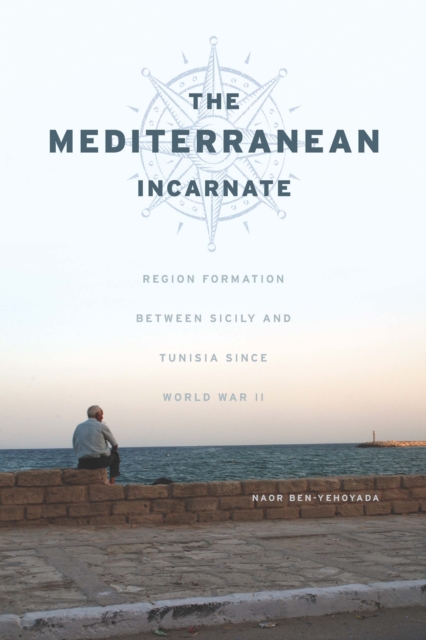
In The Mediterranean Incarnate, anthropologist Naor Ben-Yehoyada takes us aboard the Naumachos for a thirty-seven-day voyage in the fishing grounds between Sicily and Tunisia.
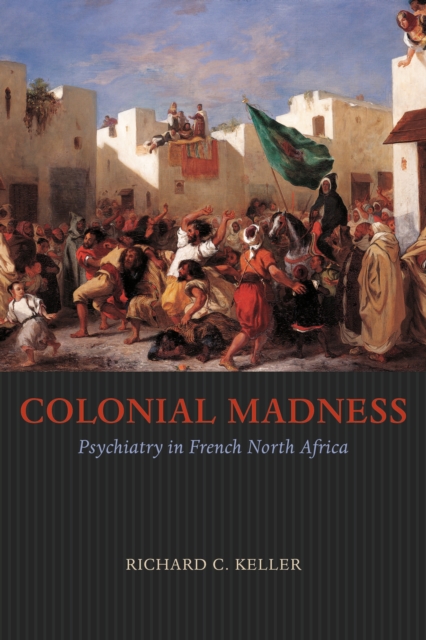
Nineteenth-century French writers and travelers imagined Muslim colonies in North Africa to be realms of savage violence, lurid sexuality, and primitive madness.
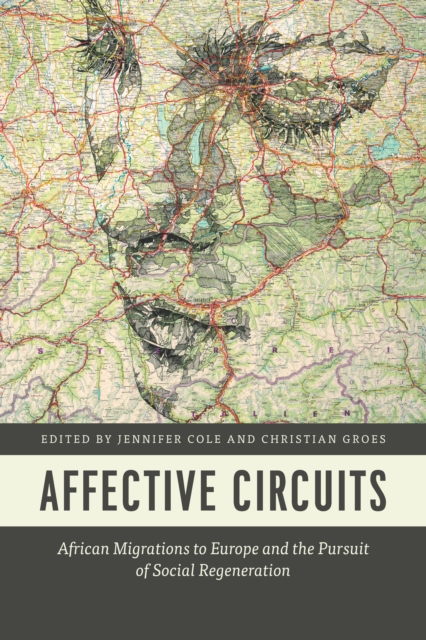
The influx of African migrants into Europe in recent years has raised important issues about changing labor economies, new technologies of border control, and the effects of armed conflict.
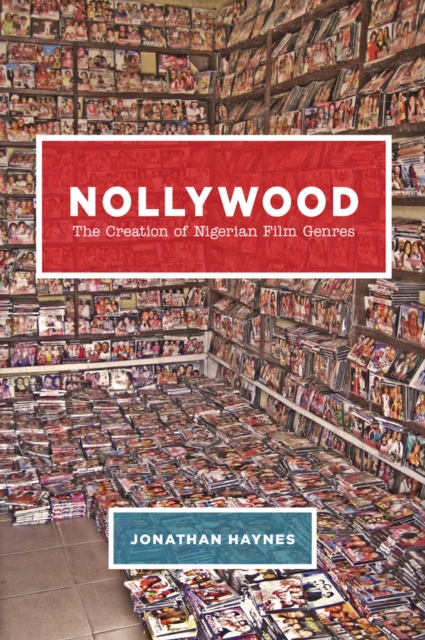
Nigeria's Nollywood has rapidly grown into one of the world's largest film industries, radically altering media environments across Africa and in the diaspora; it has also become one of African culture's most powerful and consequential expressions, powerfully shaping how Africans see themselves and are seen by others.
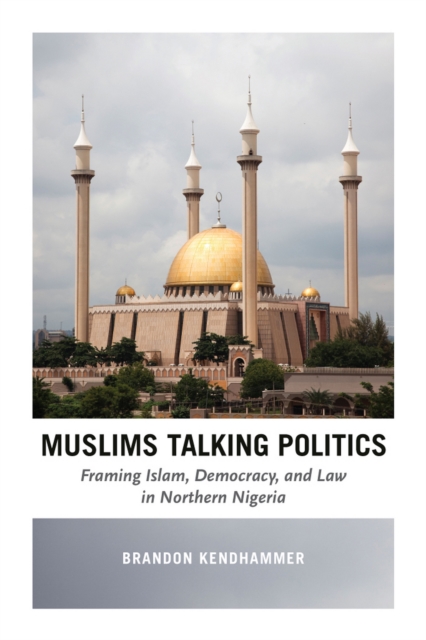
For generations Islamic and Western intellectuals and policymakers have debated Islam's compatibility with democratic government, usually with few solid conclusions.
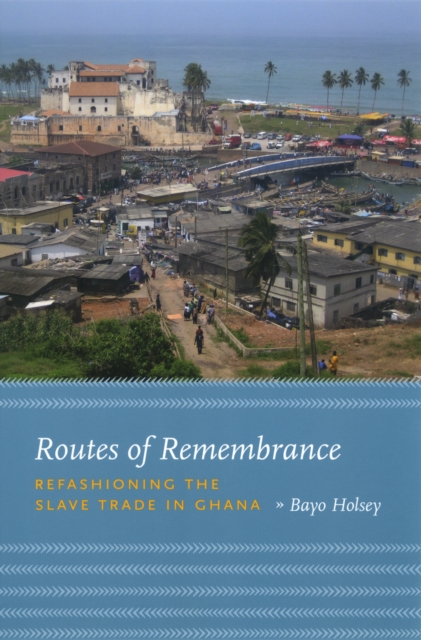
Over the past fifteen years, visitors from the African diaspora have flocked to Cape Coast and Elmina, two towns in Ghana whose chief tourist attractions are the castles and dungeons where slaves were imprisoned before embarking for the New World.
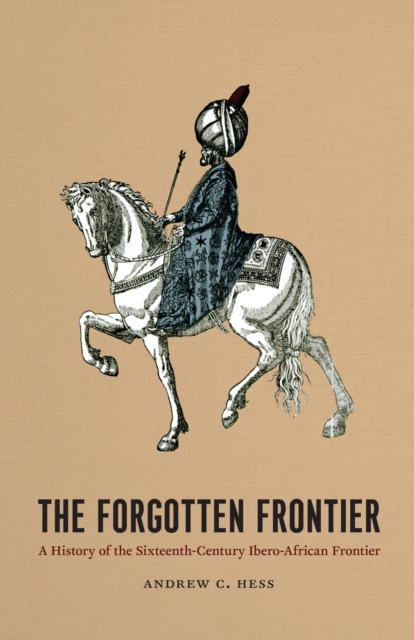
The sixteenth-century Mediterranean witnessed the expansion of both European and Middle Eastern civilizations, under the guises of the Habsburg monarchy and the Ottoman empire.
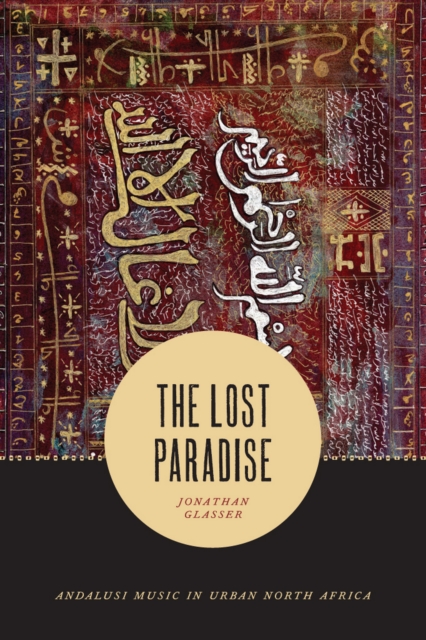
For more than a century, urban North Africans have sought to protect and revive Andalusi music, a prestigious Arabic-language performance tradition said to originate in the "e;lost paradise"e; of medieval Islamic Spain.
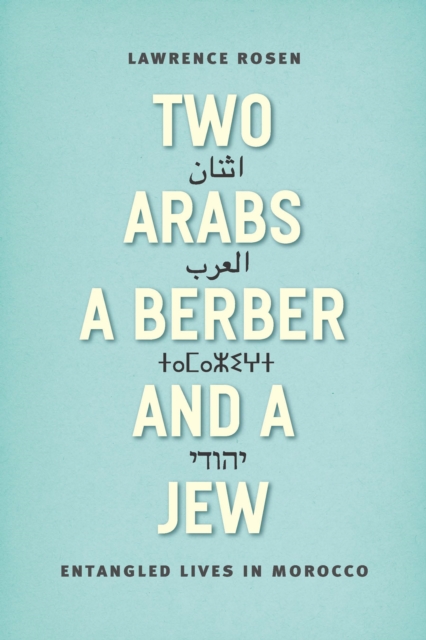
In this remarkable work by seasoned scholar Lawrence Rosen, we follow the fascinating intellectual developments of four ordinary Moroccans over the span of forty years.
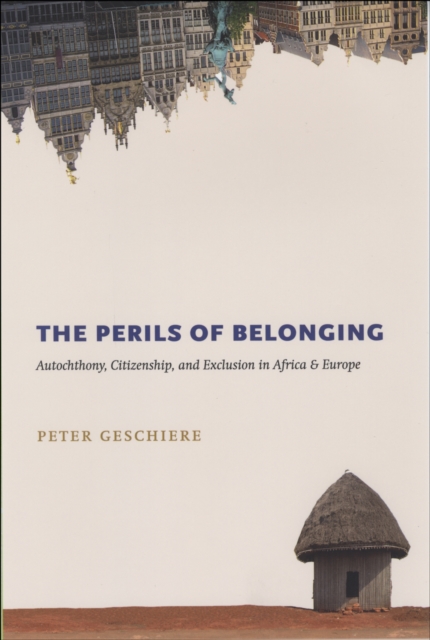
Despite being told that we now live in a cosmopolitan world, more and more people have begun to assert their identities in ways that are deeply rooted in the local.
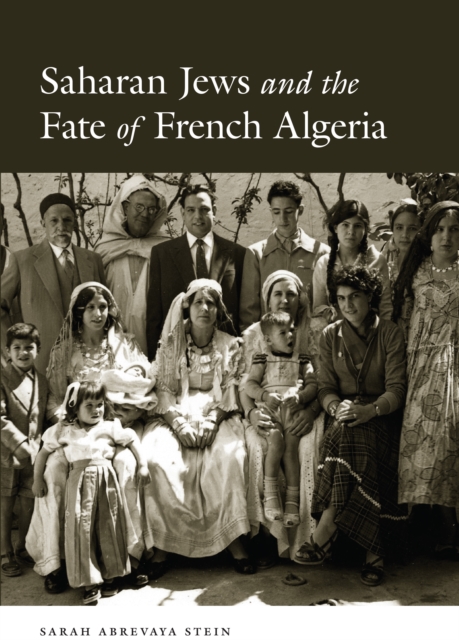
The history of Algerian Jews has thus far been viewed from the perspective of communities on the northern coast, who became, to some extent, beneficiaries of colonialism.
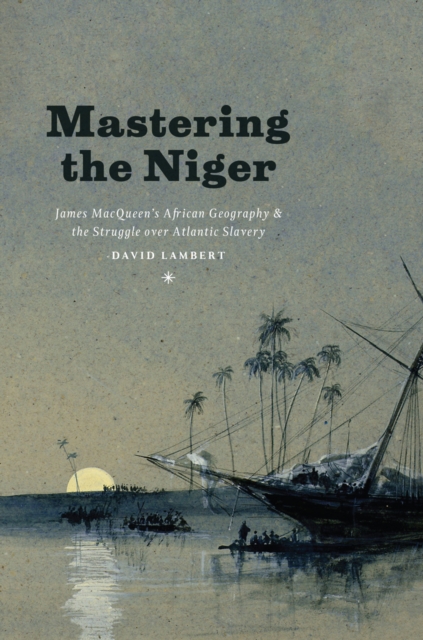
In Mastering the Niger, David Lambert recalls Scotsman James MacQueen (1778-1870) and his publication of A New Map of Africa in 1841 to show that Atlantic slavery-as a practice of subjugation, a source of wealth, and a focus of political struggle-was entangled with the production, circulation, and reception of geographical knowledge.
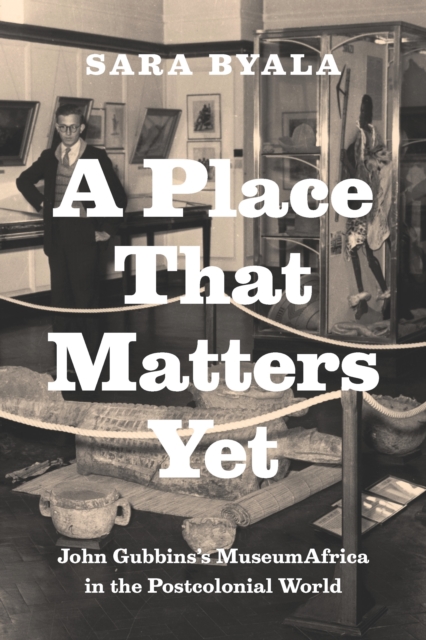
A Place That Matters Yet unearths the little-known story of Johannesburg's MuseumAfrica, a South African history museum that embodies one of the most dynamic and fraught stories of colonialism and postcolonialism, its life spanning the eras before, during, and after apartheid.