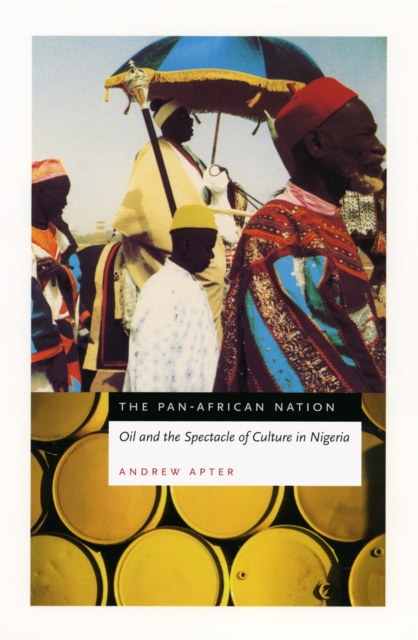
When Nigeria hosted the Second World Black and African Festival of Arts and Culture (FESTAC) in 1977, it celebrated a global vision of black nationhood and citizenship animated by the exuberance of its recent oil boom.
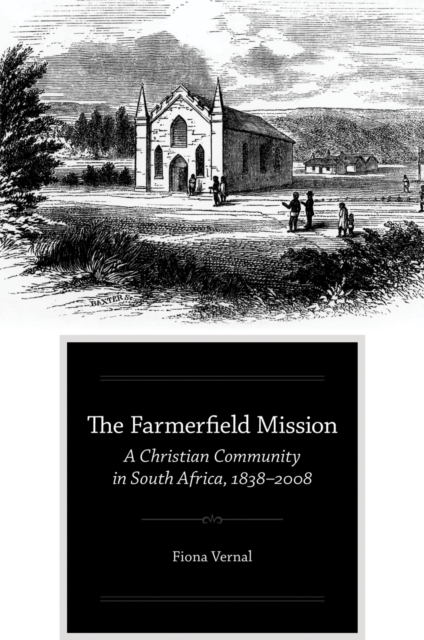
The Farmerfield Mission explores the history of a residential Christian community in South Africa established for Africans in 1838 by Methodist missionaries, destroyed in 1962 by the apartheid government when it was zoned as an exclusive area for white occupation, and returned to the descendants of the community under South Africa's land reform program in 1999.
Apartheid and Beyond offers trenchant, historically sensitive readings of writings by Coetzee, Gordimer, Fugard, Tlali, Dike, Magona, and Mda, focusing on the intimate relationship between place, subjectivity, and literary form.
Litigating War offers an in-depth examination of the law and procedure of the Eritrea-Ethiopia Claims Commission, which was tasked with deciding, through binding arbitration, claims for losses, damages, and injuries resulting from the 1998-2000 Eritrean-Ethiopian war.
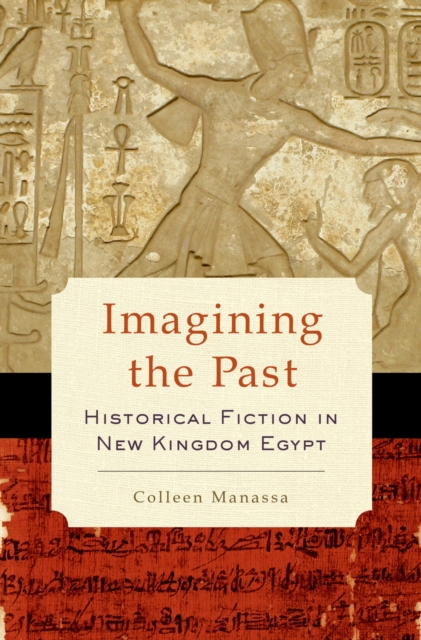
Five hundred years before Homer immortalized the Trojan Horse, the ancient Egyptians had already composed a tale of soldiers hiding Ali Baba-like in baskets to capture a besieged city.
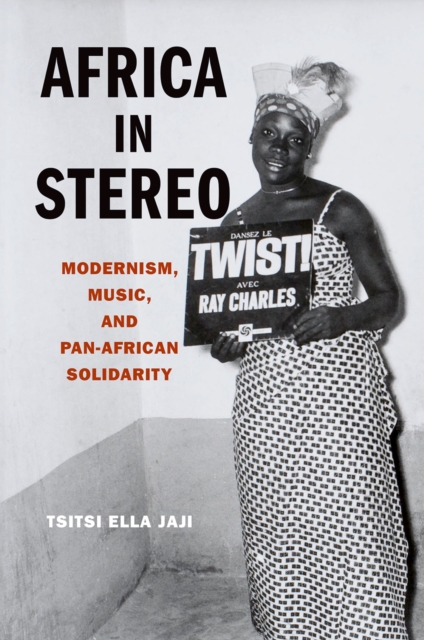
Africa in Stereo analyzes how Africans have engaged with African American music and its representations in the long twentieth century (1890-2011) to offer a new cultural history attesting to pan-Africanism's ongoing and open theoretical potential.
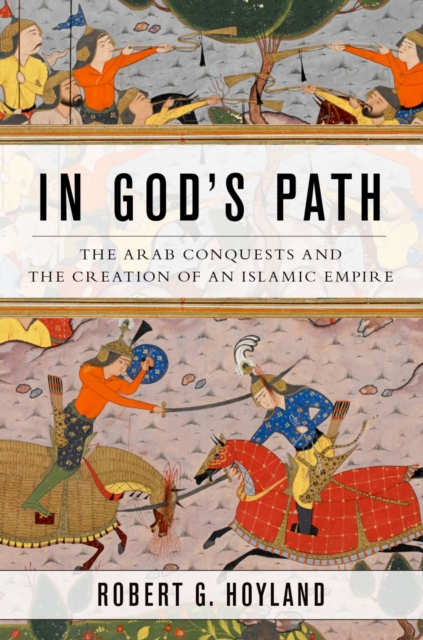
In just over a hundred years--from the death of the Mohammed in 632 to the beginning of the Abbasid Caliphate in 750--the followers of the Prophet swept across the whole of the Middle East, North Africa, and Spain.
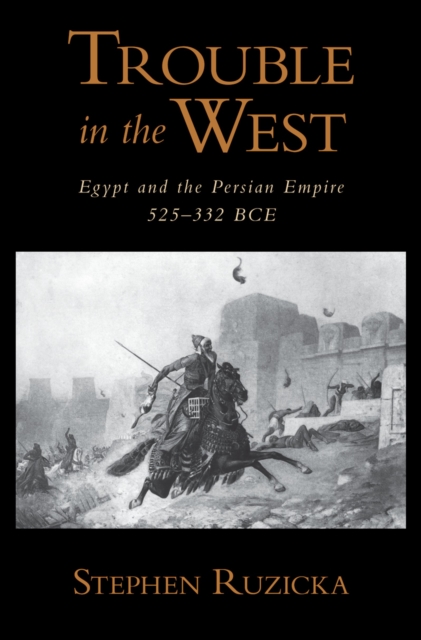
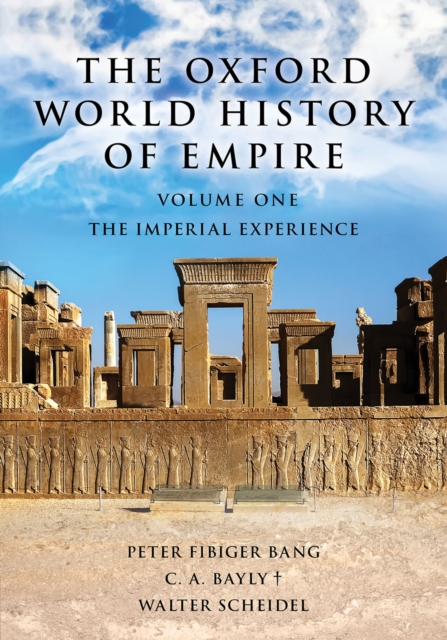
Trouble in the West provides the first full and continuous account of the Persian-Egyptian War, a conflict that continued for nearly the two-hundred-year duration of the Persian Empire.
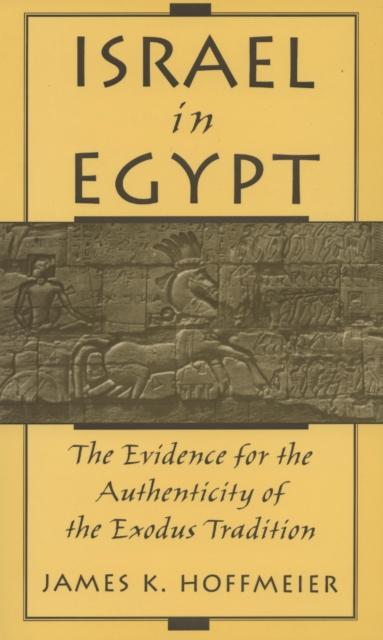
Scholars of the Hebrew Bible have in the last decade begun to question the historical accuracy of the Israelite sojourn in Egypt, as described in the book of Exodus.
Late in 1755, an army of British regulars and Massachusetts volunteers completed one of the cruelest, most successful military campaigns in North American history, capturing and deporting seven thousand French-speaking Catholic Acadians from the province of Nova Scotia, and chasing an equal number into the wilderness of eastern Canada.
Although Apollonius of Rhodes' extraordinary epic poem on the Argonauts' quest for the Golden Fleece has begun to get the attention it deserves, it still is not well known to many readers and scholars.
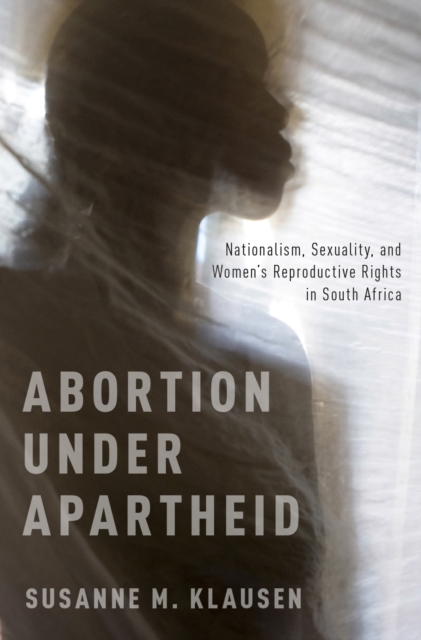
Abortion Under Apartheid examines the politics of abortion in South Africa during the apartheid era (1948-1990), when termination of pregnancy was criminalized.
The Farmerfield Mission explores the history of a residential Christian community in South Africa established for Africans in 1838 by Methodist missionaries, destroyed in 1962 by the apartheid government when it was zoned as an exclusive area for white occupation, and returned to the descendants of the community under South Africa's land reform program in 1999.
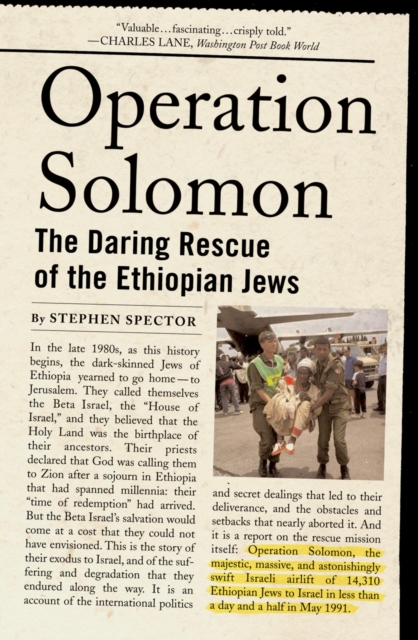
"e;Operation Solomon"e; was one of the most remarkable rescue efforts in modern history, in which more than 14,000 Ethiopian Jews were airlifted to Israel in little more than a day.
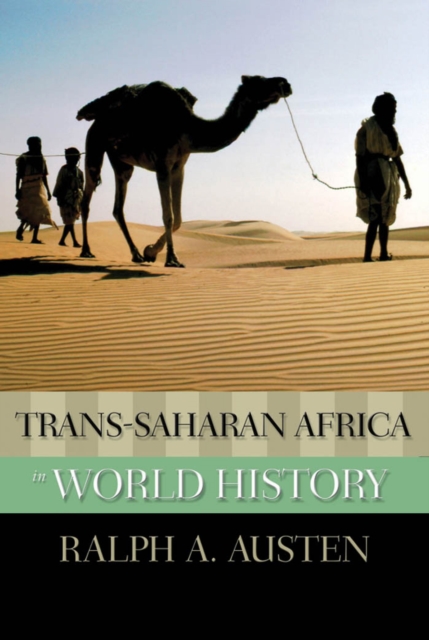
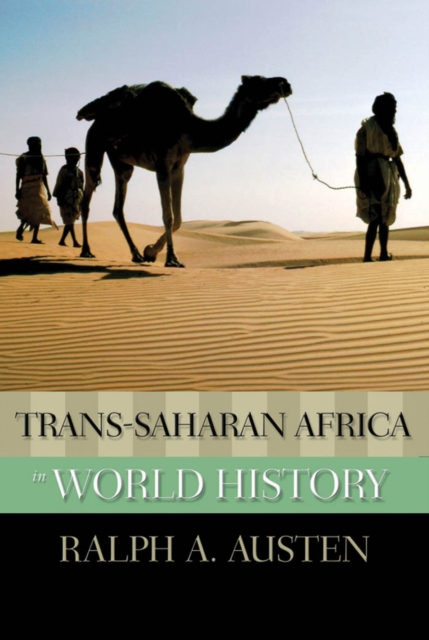
During the heyday of camel caravan traffic--from the eighth century CE arrival of Islam in North Africa to the early twentieth-century building of European colonial railroads that linked the Sudan with the Atlantic--the Sahara was one of the world's great commercial highways, bringing gold, slaves, and other commodities northward and sending both manufactured goods and Mediterranean culture southward into the Sudan.
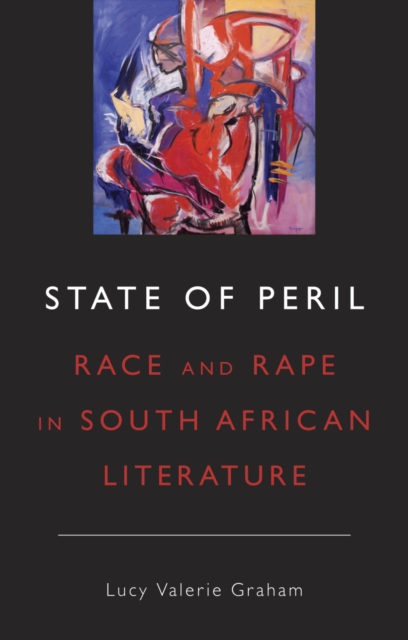
Considering fiction from the colonial era to the present, State of Peril offers the first sustained, scholarly examination of rape narratives in the literature of a country that has extremely high levels of sexual violence.
Scholars of the Hebrew Bible have in the last decade begun to question the historical accuracy of the Israelite sojourn in Egypt, as described in the book of Exodus.
During the heyday of camel caravan traffic--from the eighth century CE arrival of Islam in North Africa to the early twentieth-century building of European colonial railroads that linked the Sudan with the Atlantic--the Sahara was one of the world's great commercial highways, bringing gold, slaves, and other commodities northward and sending both manufactured goods and Mediterranean culture southward into the Sudan.
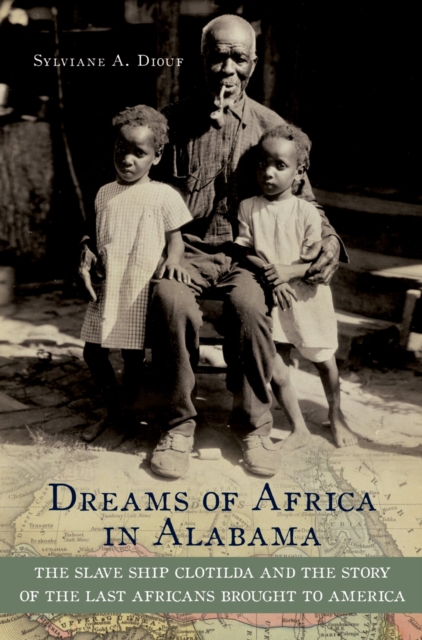
In the summer of 1860, more than fifty years after the United States legally abolished the international slave trade, 110 men, women, and children from Benin and Nigeria were brought ashore in Alabama under cover of night.
From the gene that causes people to age prematurely to the "e;bitter gene"e; that may spawn broccoli haters, this book explores a few of the more exotic locales on the human genome, highlighting some of the tragic and bizarre ways our bodies go wrong when genes fall prey to mutation and the curious ways in which genes have evolved for our survival.