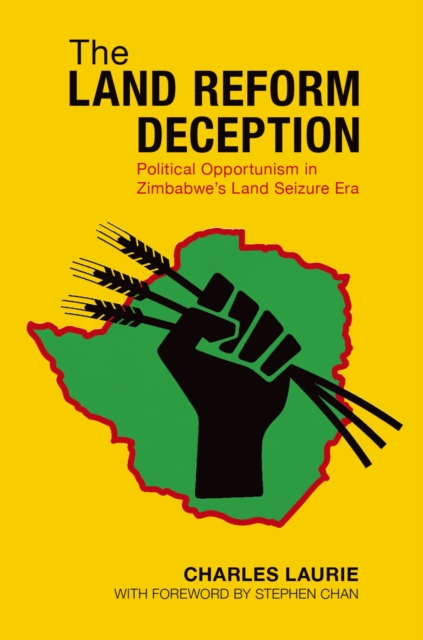
The Land Reform Deception looks at a particularly contentious period in Zimbabwe's recent history, from 2000-2008, when the government seized commercial farms using illegal and violent methods against a largely unarmed population of farmers and farm workers.
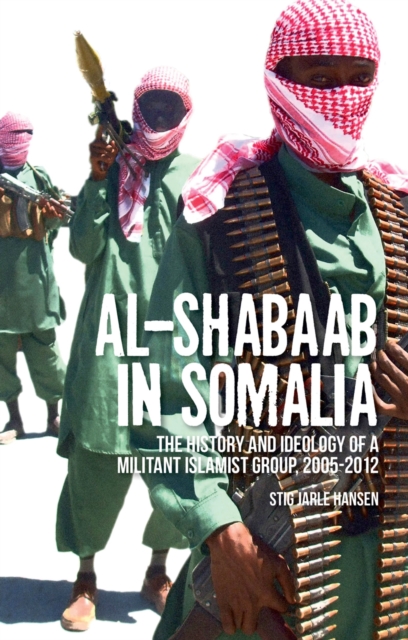
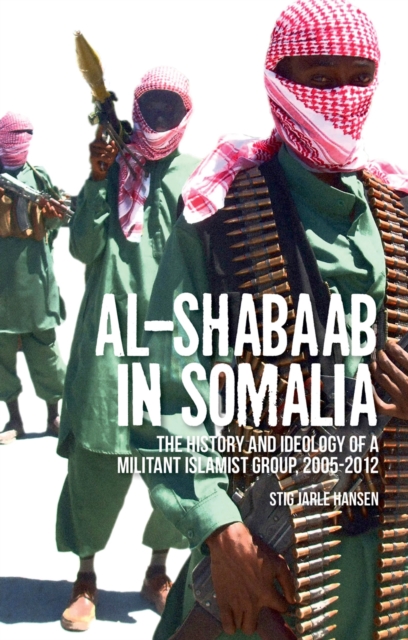
Since early 2007 a new breed of combatants has appeared on the streets of Mogadishu and other towns in Somalia: the 'Shabaab', or youth, the only self-proclaimed branch of al-Qaeda to have gained acceptance (and praise) from Ayman al-Zawahiri and 'AQ centre' in Afghanistan.
Since early 2007 a new breed of combatants has appeared on the streets of Mogadishu and other towns in Somalia: the 'Shabaab', or youth, the only self-proclaimed branch of al-Qaeda to have gained acceptance (and praise) from Ayman al-Zawahiri and 'AQ centre' in Afghanistan.
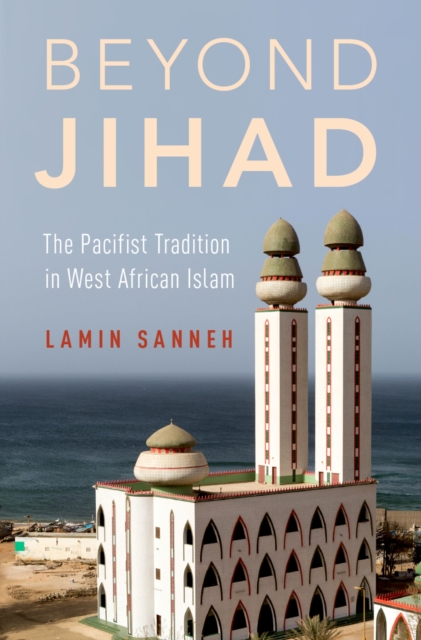
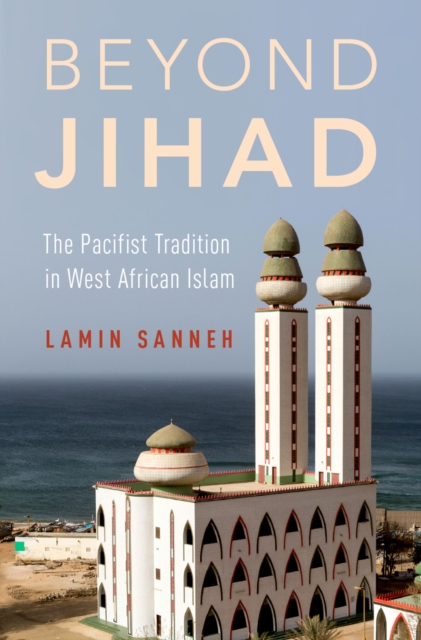
Over the course of the last 1400 years, Islam has grown from a small band of followers on the Arabian peninsula into a global religion of over a billion believers.
Over the course of the last 1400 years, Islam has grown from a small band of followers on the Arabian peninsula into a global religion of over a billion believers.
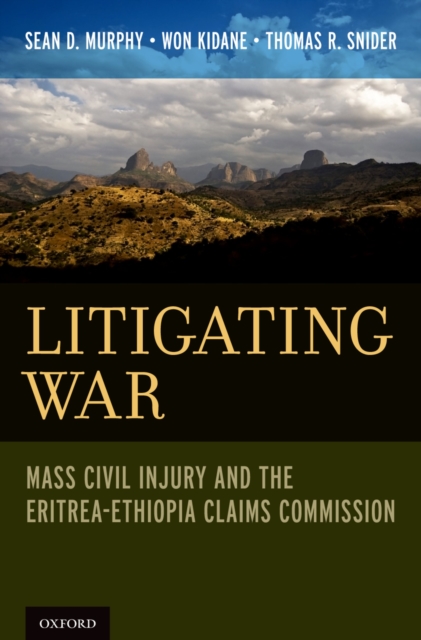
Litigating War offers an in-depth examination of the law and procedure of the Eritrea-Ethiopia Claims Commission, which was tasked with deciding, through binding arbitration, claims for losses, damages, and injuries resulting from the 1998-2000 Eritrean-Ethiopian war.
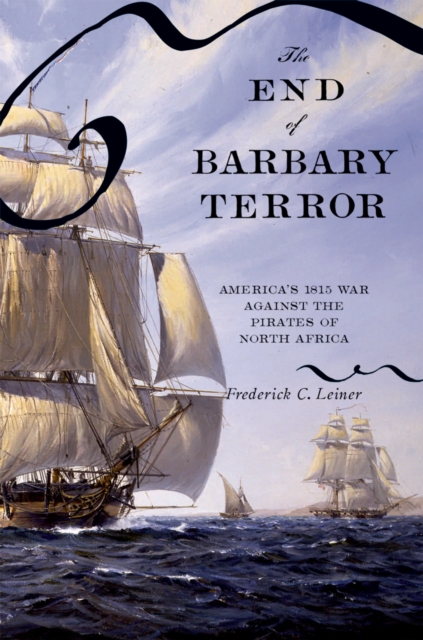
When Barbary pirates captured an obscure Yankee sailing brig off the coast of North Africa in 1812, enslaving eleven American sailors, President James Madison first tried to settle the issue through diplomacy.
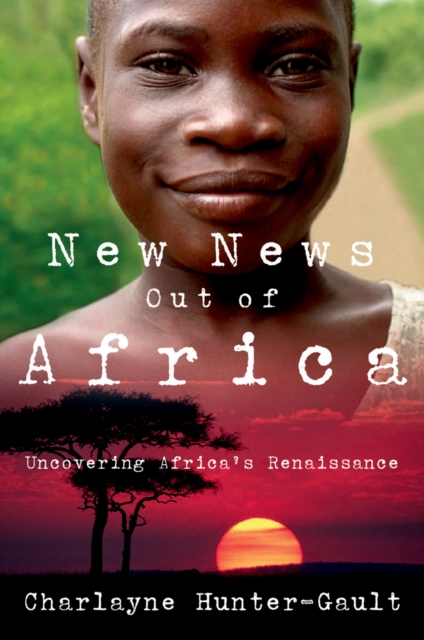
For twenty years an acclaimed correspondent on PBS's The News Hour with Jim Lehrer and the winner of two Emmys and two Peabody Awards (the latter two for her coverage of Africa), Charlayne Hunter-Gault was until recently the Johannesburg Bureau Chief for CNN.
A recent wave of research has explored the link between wh- syntax and prosody, breaking with the traditional generative conception of a unidirectional syntax-phonology relationship.
A recent wave of research has explored the link between wh- syntax and prosody, breaking with the traditional generative conception of a unidirectional syntax-phonology relationship.
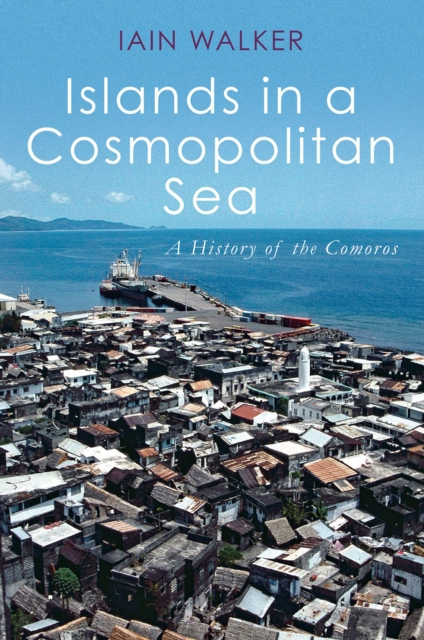
Many people today have never heard of the Comoros, but these islands were once part of a prosperous regional trading economy that stretched halfway around the world.
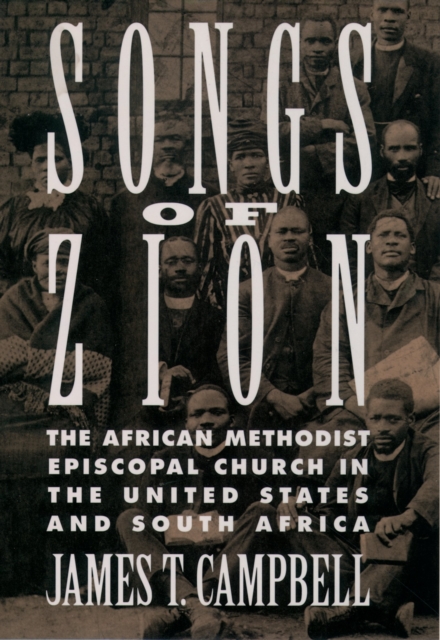
This is a study of the transplantation of a creed devised by and for African Americans--the African Methodist Episcopal Church--that was appropriated and transformed in a variety of South African contexts.
In this groundbreaking work, Robert Baum seeks to reconstruct the religious and social history of the Diola communities in southern Senegal during the precolonial era, when the Atlantic slave trade was at its height.
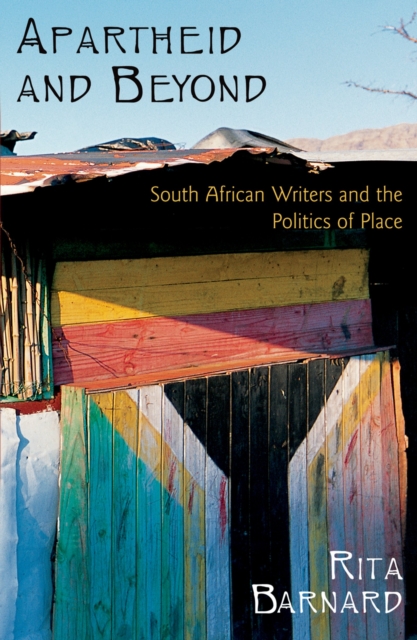
Apartheid and Beyond offers trenchant, historically sensitive readings of writings by Coetzee, Gordimer, Fugard, Tlali, Dike, Magona, and Mda, focusing on the intimate relationship between place, subjectivity, and literary form.
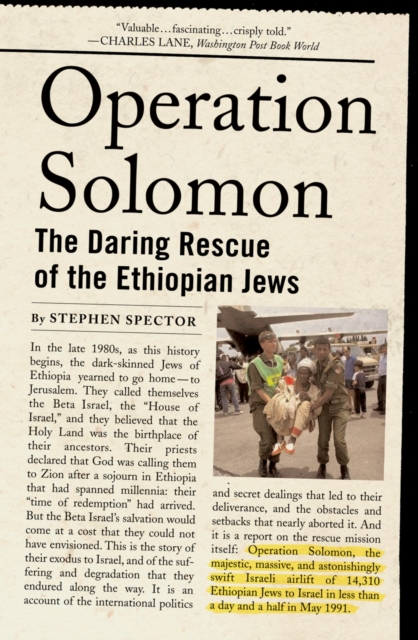
"e;Operation Solomon"e; was one of the most remarkable rescue efforts in modern history, in which more than 14,000 Ethiopian Jews were airlifted to Israel in little more than a day.
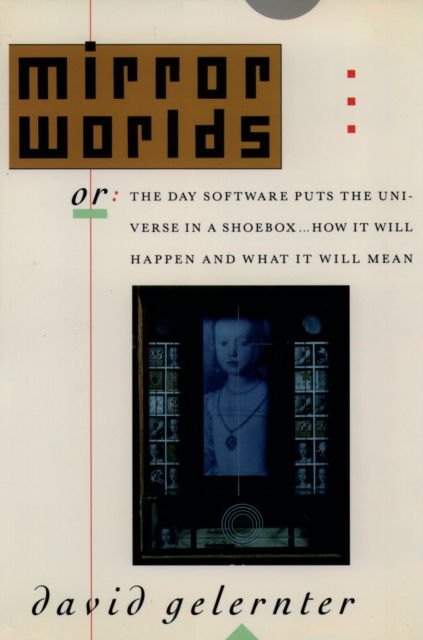
Technology doesn't flow smoothly; it's the big surprises that matter, and Yale computer expert David Gelernter sees one such giant leap right on the horizon.
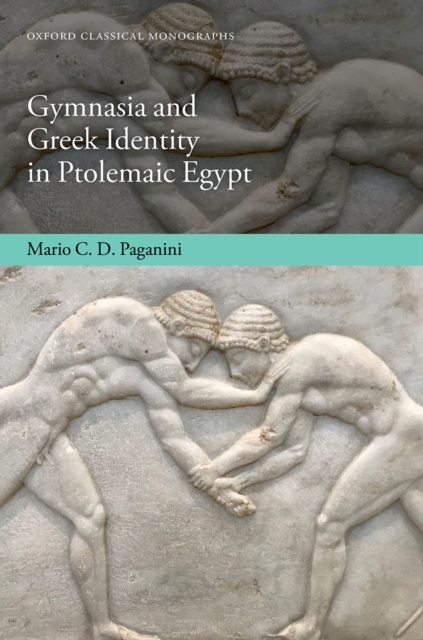
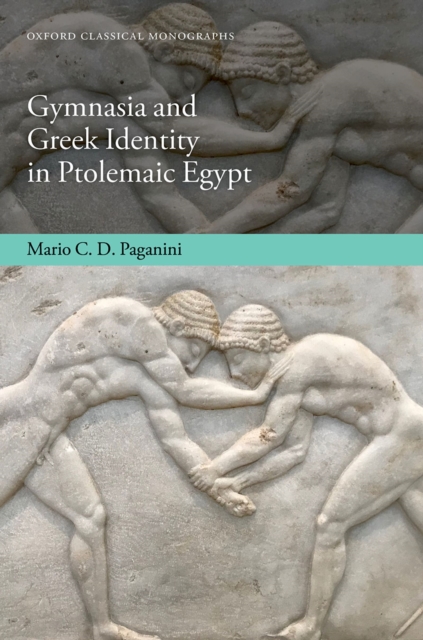
This book provides the first complete study of the documentation relevant to the gymnasium and gymnasial life in Egypt at the time of the Ptolemies, the longest reigning Hellenistic Royal House (323-30 BC).
This book provides the first complete study of the documentation relevant to the gymnasium and gymnasial life in Egypt at the time of the Ptolemies, the longest reigning Hellenistic Royal House (323-30 BC).
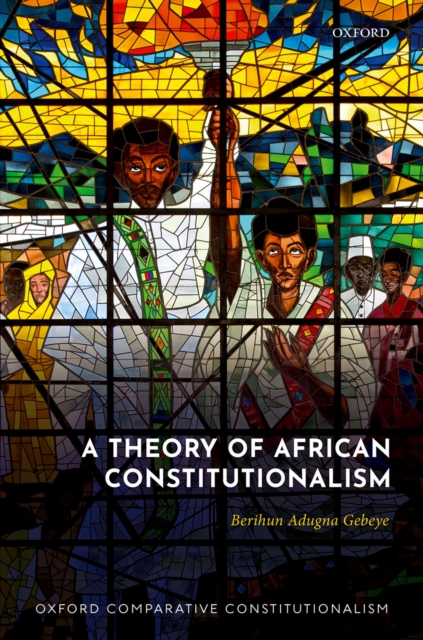
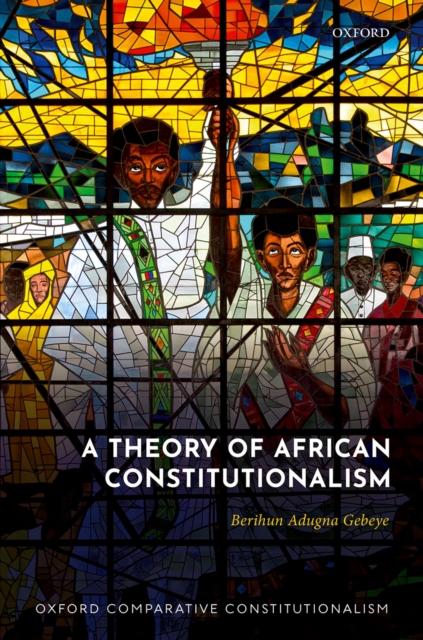
A Theory of African Constitutionalism asks and seeks to answer why we need a new theoretical framework for African constitutionalism and how this could offer us better theoretical and practical tools with which to understand, improve, and assess African constitutionalism on its own terms.
A Theory of African Constitutionalism asks and seeks to answer why we need a new theoretical framework for African constitutionalism and how this could offer us better theoretical and practical tools with which to understand, improve, and assess African constitutionalism on its own terms.
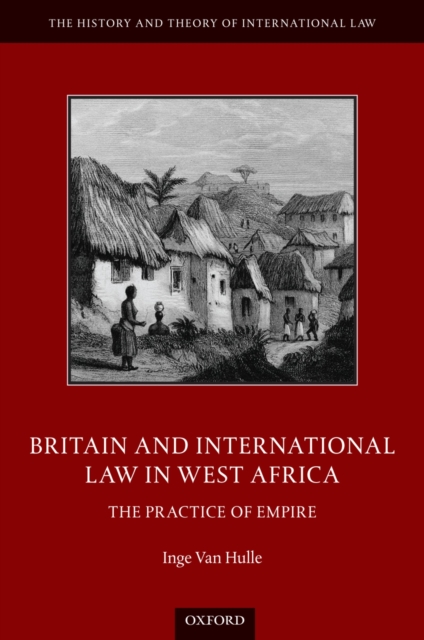
Africa often remains neglected in studies that discuss the historical relationship between international law and imperialism during the nineteenth century.
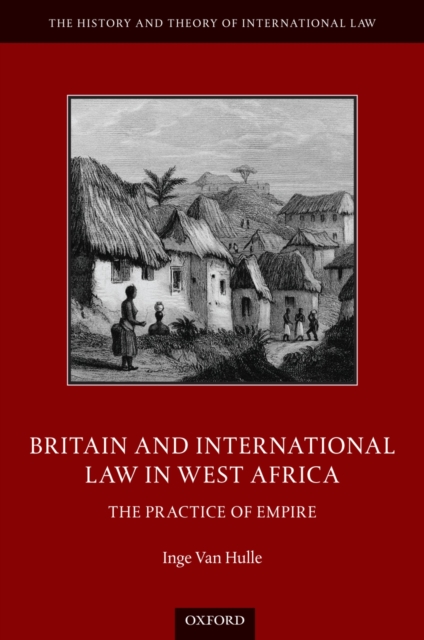
Africa often remains neglected in studies that discuss the historical relationship between international law and imperialism during the nineteenth century.
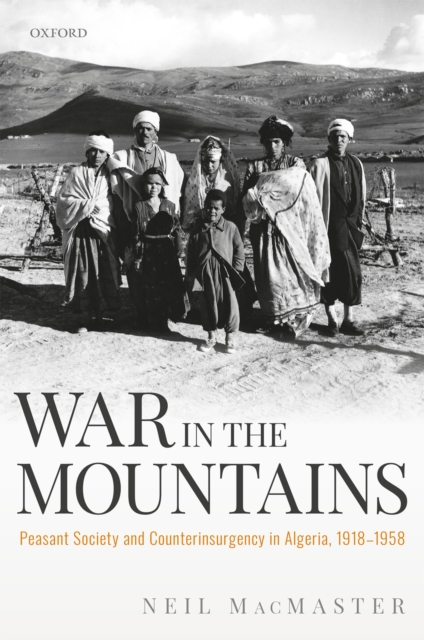
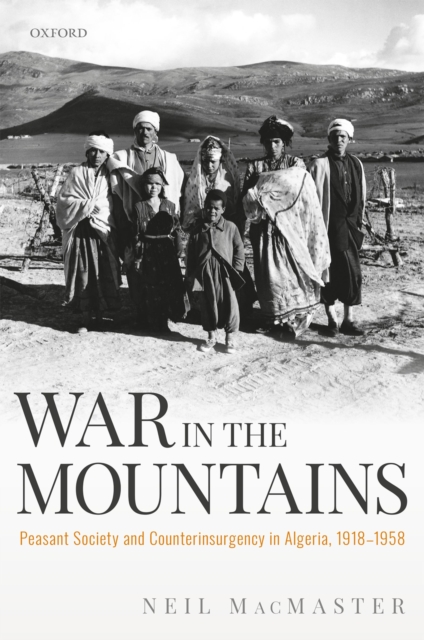
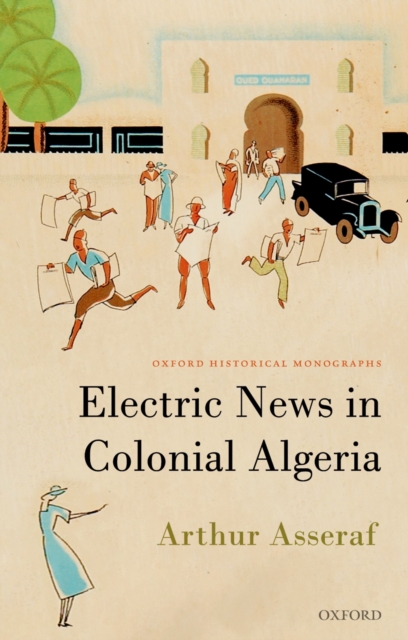
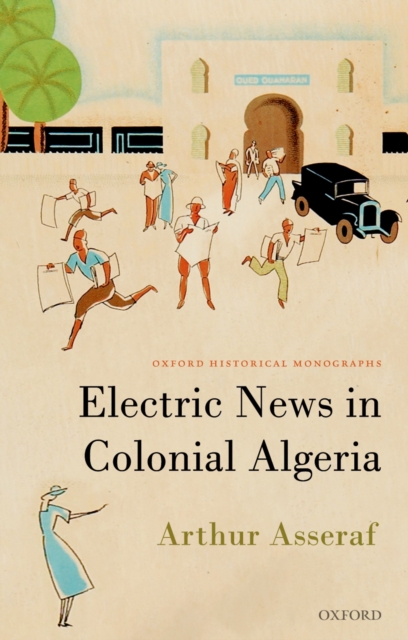
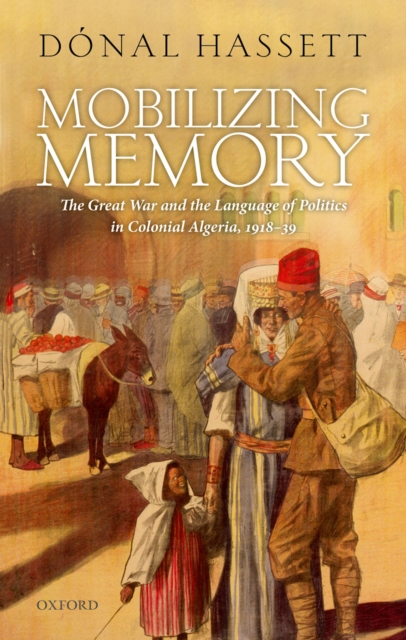
The role of the peasantry during the Algerian War of Independence (1954-1962) has long been neglected by historians, in part because they have been viewed as a 'primitive' mass devoid of political consciousness.
The role of the peasantry during the Algerian War of Independence (1954-1962) has long been neglected by historians, in part because they have been viewed as a 'primitive' mass devoid of political consciousness.
Africa throughout its postcolonial history has been plagued by human rights abuses ranging from intolerance of political dissent to heinous crimes such as genocide.
Africa throughout its postcolonial history has been plagued by human rights abuses ranging from intolerance of political dissent to heinous crimes such as genocide.
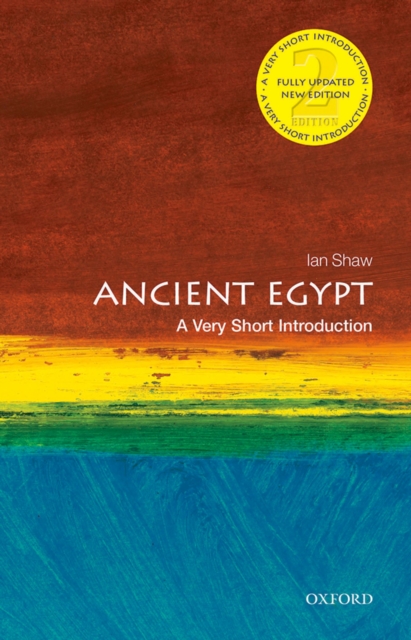
Very Short Introductions: Brilliant, Sharp, Inspiring The ancient Egyptians are an enduring source of fascination -- mummies and pyramids, curses and rituals have captured the imagination of generations.
Very Short Introductions: Brilliant, Sharp, Inspiring The ancient Egyptians are an enduring source of fascination -- mummies and pyramids, curses and rituals have captured the imagination of generations.
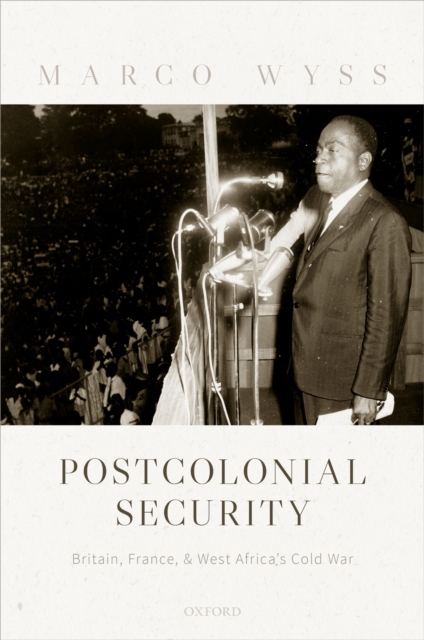
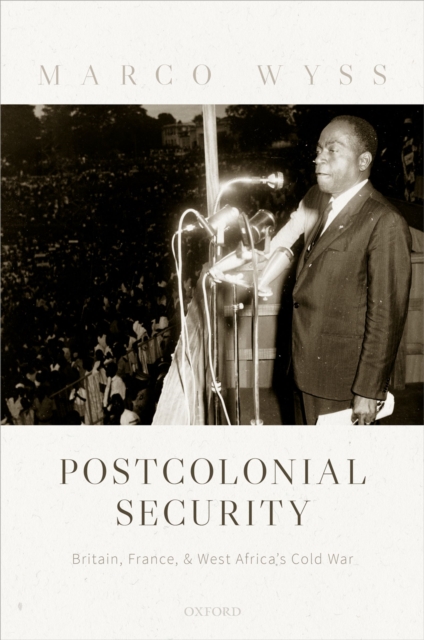
In light of the discrepancy between Britain's and France's postcolonial security roles in Africa, which seemed already determined half a decade after independence, this book studies the making of the postcolonial security relationship during the transfer of power and the early years of independence (1958-1966).
In light of the discrepancy between Britain's and France's postcolonial security roles in Africa, which seemed already determined half a decade after independence, this book studies the making of the postcolonial security relationship during the transfer of power and the early years of independence (1958-1966).