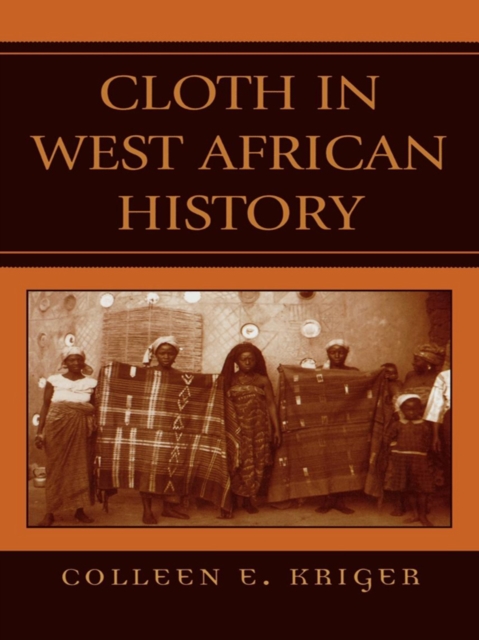
In this holistic approach to the study of textiles and their makers, Colleen Kriger charts the role cotton has played in commercial, community, and labor settings in West Africa.
'An exemplary work of investigative journalism that is also a wonderfully colourful book of history and travel' Observer, Books of the Year'A piece of postmodern historiography of quite extraordinary sophistication and ingenuity.
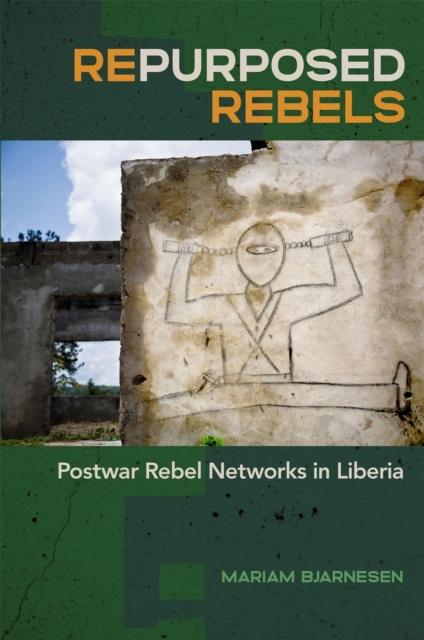
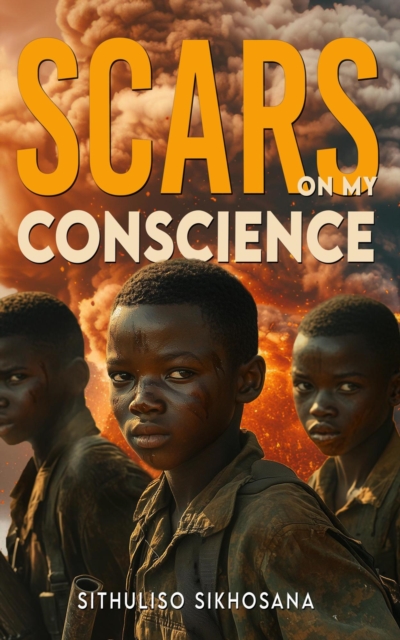
Despite peace agreements, demobilization, and reintegration processes, the end of war does not automatically or necessarily make combatants abandon their wartime rebel networks.
Africa welcomes business investment and offers some of the world's highest returns and impactsAfrica has tremendous economic potential and offers rewarding opportunities for global businesses looking for new markets and long-term investments with favorable returns.
In 1910, when Khedive Abbas II married a second wife surreptitiously, the contrast with his openly polygamous grandfather, Ismail, whose multiple wives and concubines signified his grandeur and masculinity, could not have been greater.
To explore the life of Mahmud Sami al-Barudi is to gain a nuanced perspective on the many facets-the perils and promises-of change in the rapidly modernizing Egypt of the nineteenth century.
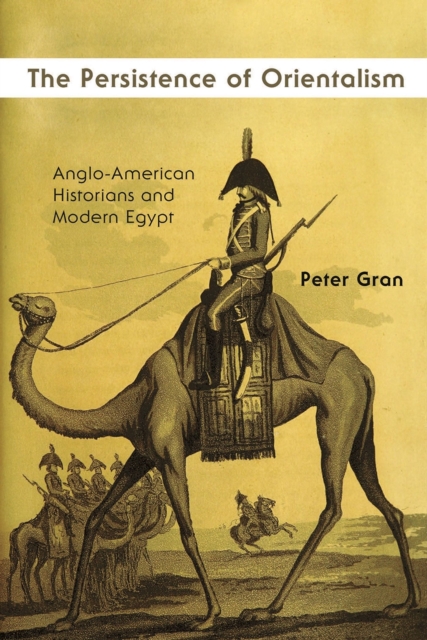
Why is the 1798 Napoleonic invasion of Egypt routinely accepted as a watershed moment between premodern and modern in general histories on the Middle East?
Set in late nineteenth-century Benghazi, Najwa Bin Shatwan's powerful novel tells the story of Atiqa, the daughter of a slave woman and her white master.
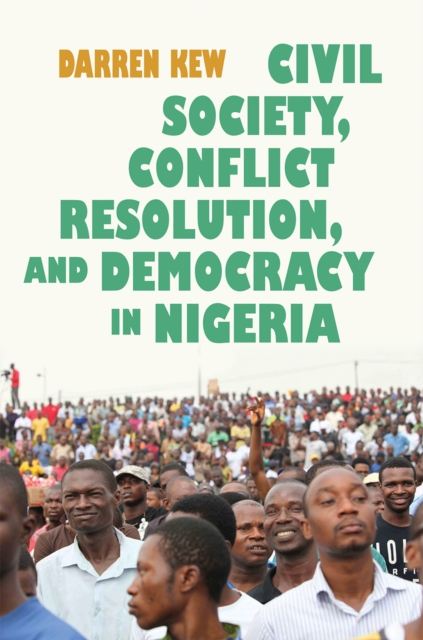
African nations have watched the recent civic dramas of the Arab Spring and Occupy Wall Street asking if they too will see similar civil society actions in their own countries.
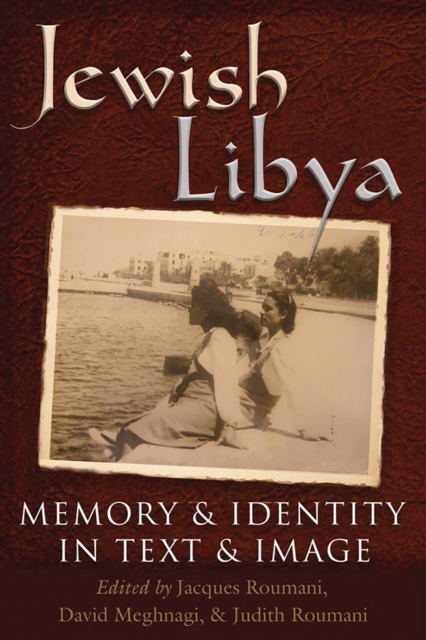
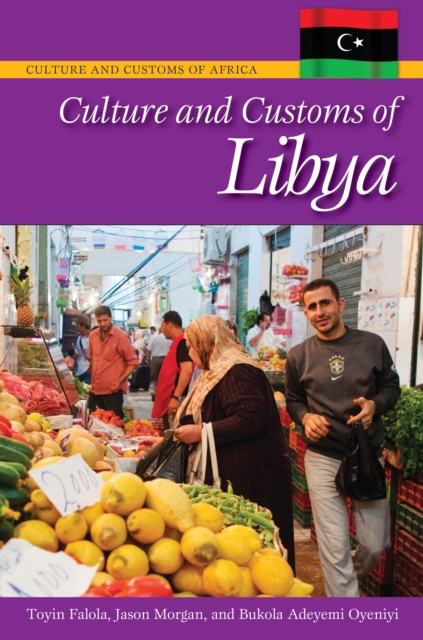
In June 2017, the Jews of Libya commemorated the jubilee of their complete exodus from this North African land in 1967, which began with a mass migration to Israel in 1948-49.
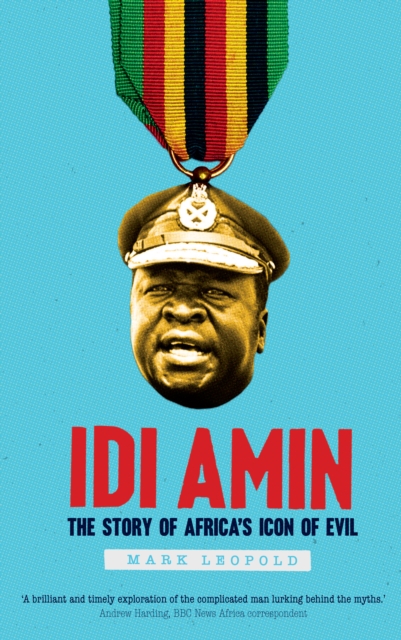
The first serious full-length biography of former Ugandan president Idi Amin, modern Africa's most famous dictator"e;A nuanced and sophisticated examination of one of the most misunderstood, and caricatured, figures in modern African history.
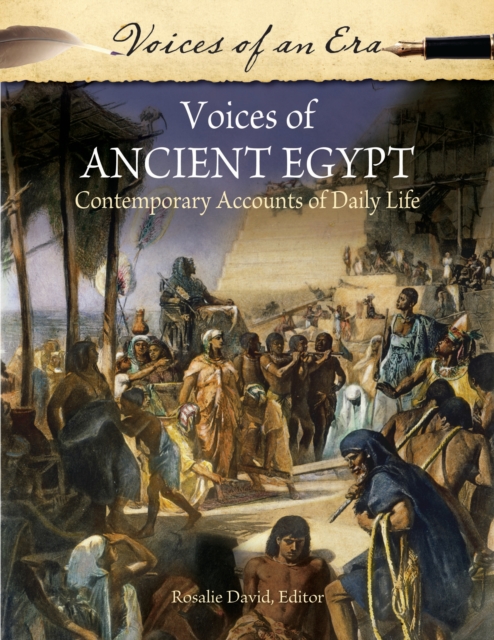
Supporting the current trends toward document-based teaching, this book introduces the reader to the multifaceted world of ancient Egypt through revealing excerpts from 51 texts written by Egyptians themselves.
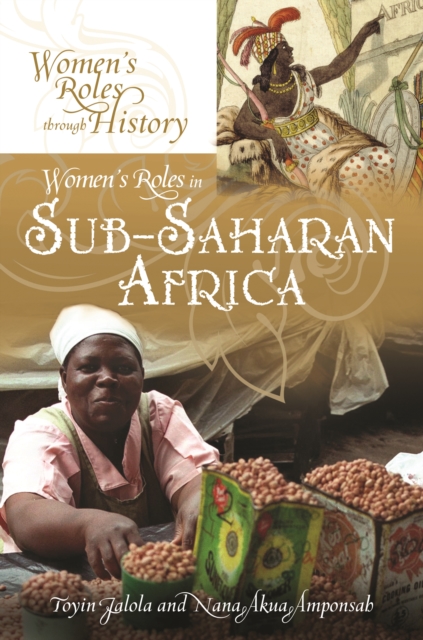
This exhaustive exploration of the sociocultural, political, and economic roles of African women through history demonstrates how African women have shaped-and continue to shape-their societies.
A culinary expedition celebrating cooking from across the African continentAfricana travels the continent showcasing its vibrant and varied cuisines that are rich in flavour, diverse in culture and steeped in tradition.
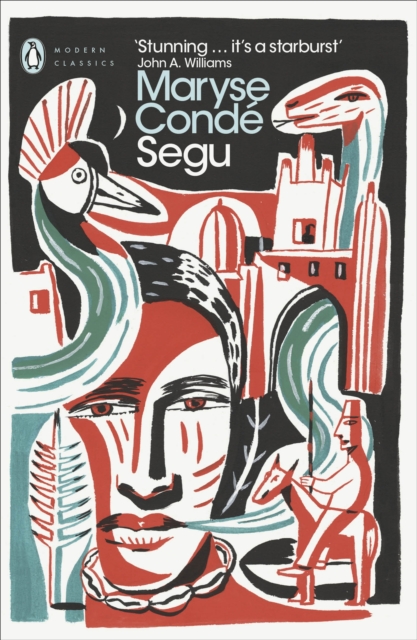
The bestselling epic novel of family, treachery, rivalry, religious fervour and the turbulent fate of a royal African dynastyIt is 1797 and the African kingdom of Segu, born of blood and violence, is at the height of its power.
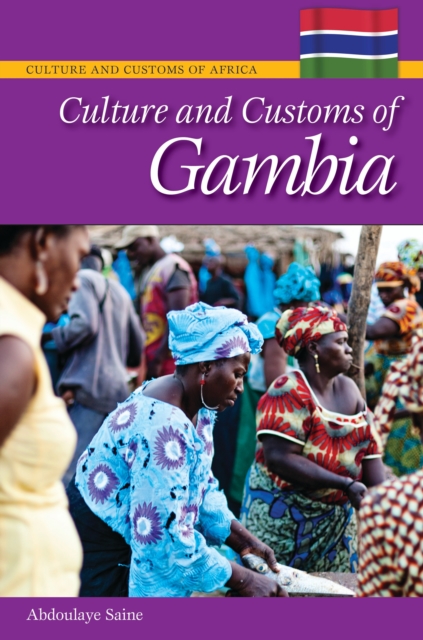
Ideal for high school and undergraduate students, this addition to the Culture and Customs of Africa series examines the contemporary cultures and traditions of modern Gambia, from religious customs to literature to cuisine and much more.
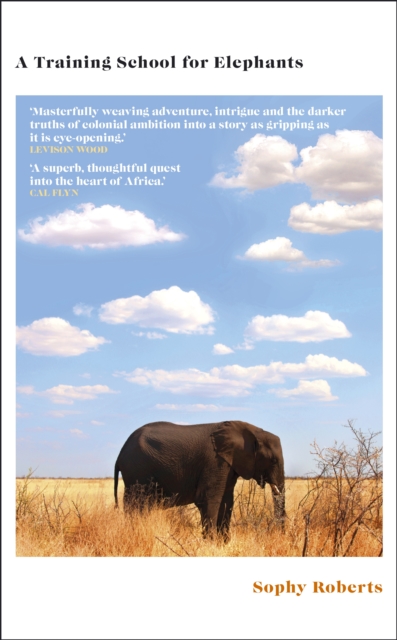
From the award-winning author of The Lost Pianos of Siberia comes a new journey, following four 19th century elephants marched from the East African coast towards Congo to tell a heartbreaking story of folly and colonial greed.
In this spellbinding memoir, popular CNN anchor Zain Asher pays tribute to her mother's strength and determination to raise four successful children in the shadow of tragedy.
In October 1875, two months after the takeover of the Somali coastal town of Zeila, an Egyptian force numbering 1,200 soldiers departed from the city to occupy Harar, a prominent Muslim hub in the Horn of Africa.
In June 2017, the Jews of Libya commemorated the jubilee of their complete exodus from this North African land in 1967, which began with a mass migration to Israel in 1948-49.
The politics of black education has long been a key issue in southern African studies, but despite rich debates on the racial and class dimensions of schooling, historians have neglected their distinctive gendered dynamics.
The scope of the study reported in this book entails understanding the constraints and providing potential diagnostics to Africa's leather sector, which is otherwise globally, one of the most lucrative agro-based industries in the world, estimated at over US$ 130Billion.
Fighting for Africa captures the commitment and contributions of two men who dedicated their lives to the fight to free Africa from colonialism and racism.
A Brookings Institution Press and World Peace Foundation publicationThe new South Africa, as well as the surrounding southern region, is finally free of apartheid and colonial rule.
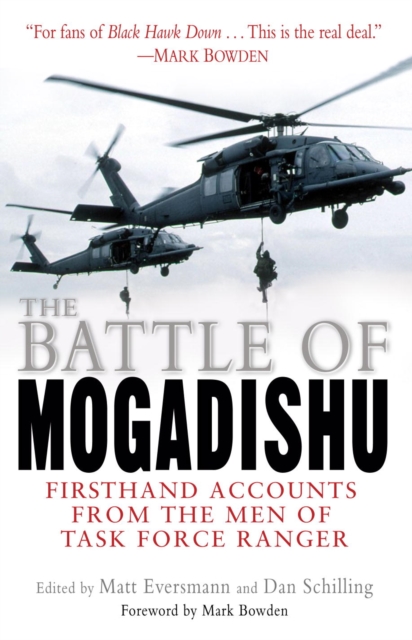
The multilateral military intervention in Somalia was one of the international community's first major attempts to respond to a dangerous new challenge in the post-cold war era the problem of state collapse and social disintegration.
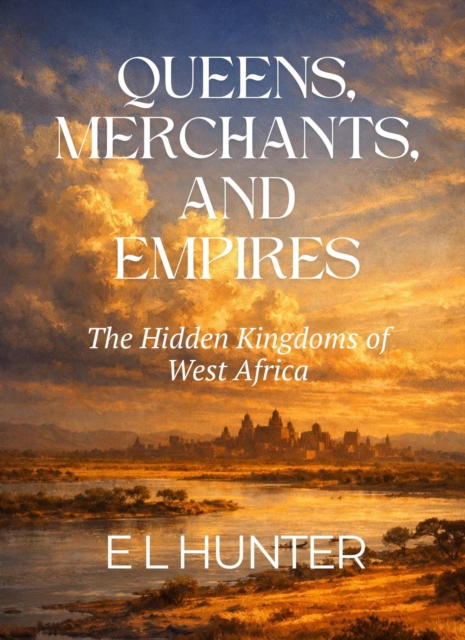
While Europe built cathedrals and Asia's silk roads hummed with commerce, West Africa was doing something the history books have largely ignored - constructing the medieval world's most sophisticated political systems, richest trading networks, and most enduring empires.
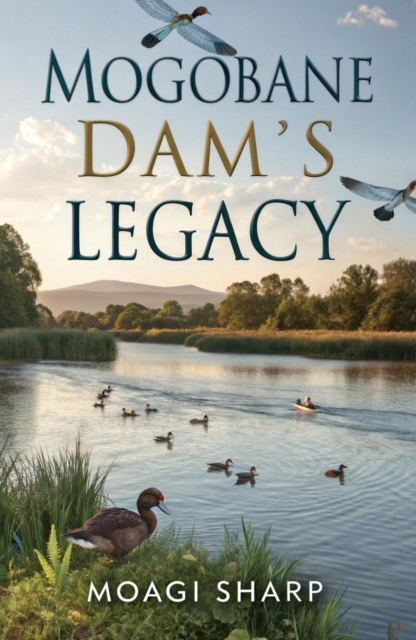
In the parched savanna of the Bechuanaland Protectorate, where the sun bleaches the South East District and the Notwane River is more a memory than a flow, a vision took root in 1936.