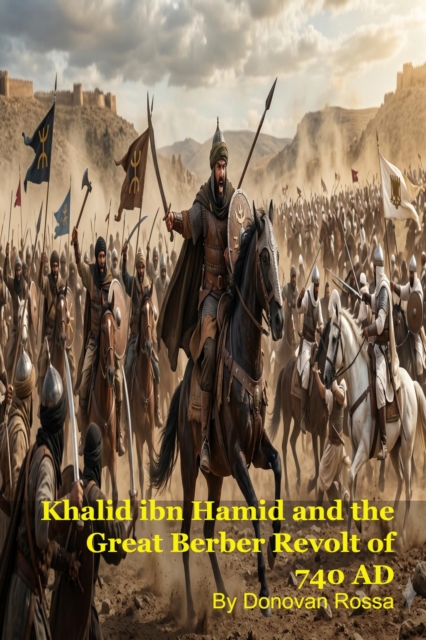
Khalid ibn Hamid and the Great Berber Revolt of 740 ADIn 740 AD, a Zenata Berber chieftain named Khalid ibn Hamid al-Zanati led a coalition of North African tribes in one of the most consequential military campaigns of the medieval world, and then vanished from history as completely as he had entered it.
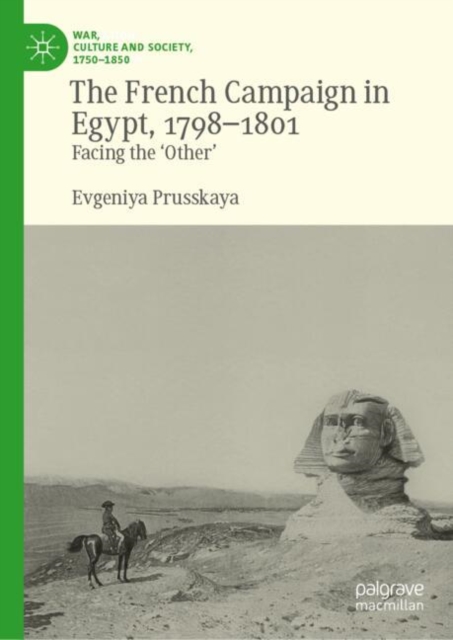
This book examines the cultural encounter and conflict that arose during the French occupation of Egypt (1798–1801) by analyzing mutual perceptions of the French and Egyptians.
This book discusses the new roles assigned to oral traditions in the works of contemporary playwrights, and asserts that these oral materials, though old, have enduring vitality and relevance for modern-day society.
This book discusses the new roles assigned to oral traditions in the works of contemporary playwrights, and asserts that these oral materials, though old, have enduring vitality and relevance for modern-day society.
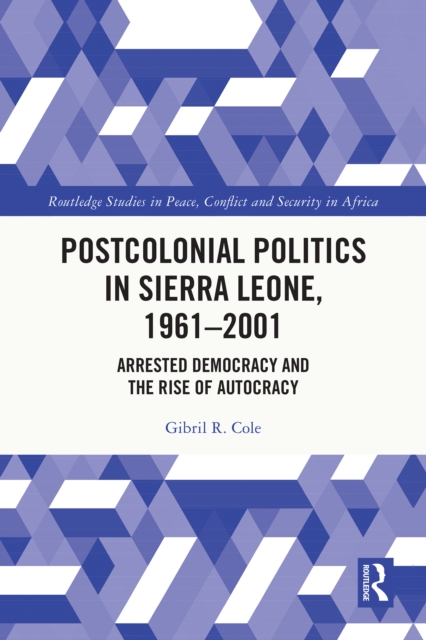
This book investigates the historical trajectory of postcolonial Sierra Leone, especially the persistence of a culture of political violence and autocratic tendencies.
This book investigates the historical trajectory of postcolonial Sierra Leone, especially the persistence of a culture of political violence and autocratic tendencies.
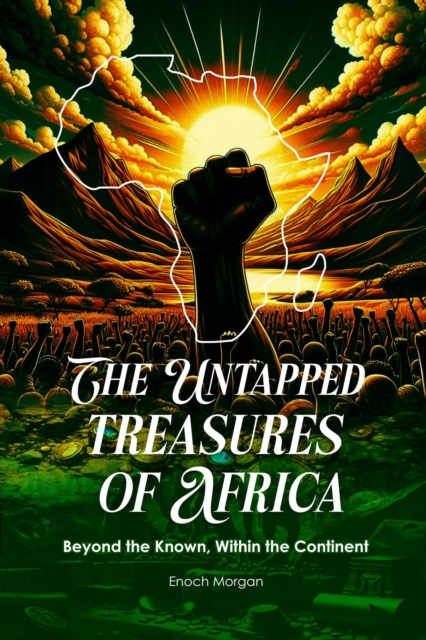
The Untapped Treasures of Africa: Beyond the Known, Within the Continent is a thought-provoking exploration of Africa's vast natural wealth and the paradox of persistent poverty.
The Assyrian Empire was one of the most powerful and formidable civilizations of the ancient world, dominating the Near East through military strength, advanced administration, and cultural achievements.
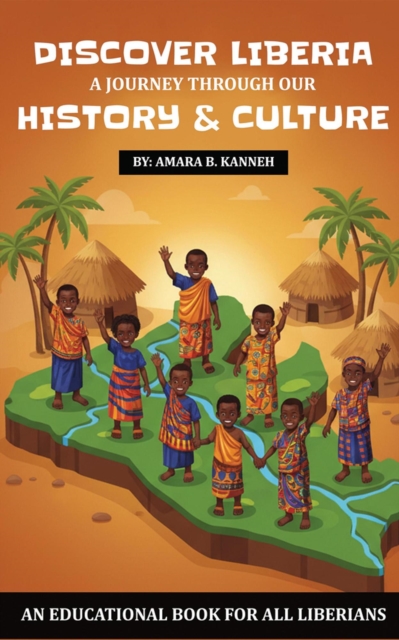
Discover Liberia: A Journey Through Our History and Culture takes readers on a powerful and enlightening exploration of one of West Africa's most unique and resilient nations.
L’histoire de la Grèce, et plus largement l’histoire occidentale, a été façonnée durant la période coloniale pour justifier le colonialisme et le racisme.
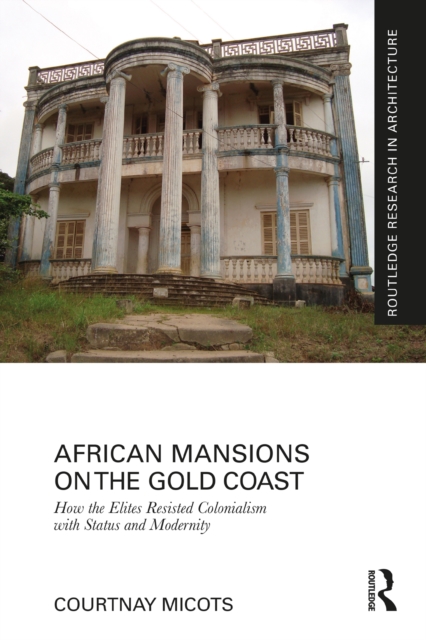
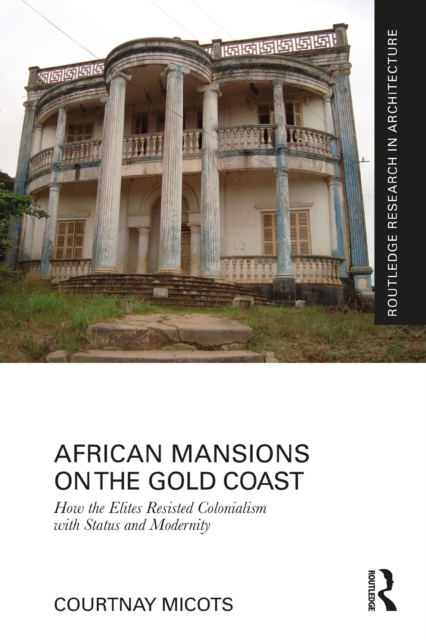
This will be the first book to focus on the African patrons who commissioned grand family mansions from the 1860s to 1950s, and to highlight their intentions during the tumultuous period in the Gold Coast Colony (part of present-day Ghana) from roughly 1874 to independence from the British on March 6, 1957.
Trading in West Africa (1976) provides a vivid portrait of conditions in the West African trade - trade that was at the heart of the economic development of nineteenth century shipping.
West African Government for Nigerian Students (1965) was originally prepared as a guide to a Government exam in Nigeria, but now serves as a useful source of information to pre-colonial institutions and existing institutions in Ghana, Nigeria, Sierra Leone and the Gambia.
Political Leadership in Africa (1983) reviews the different types of leadership in Africa, ranging from the beneficial guidance of Nyerere to the despotism of Amin.
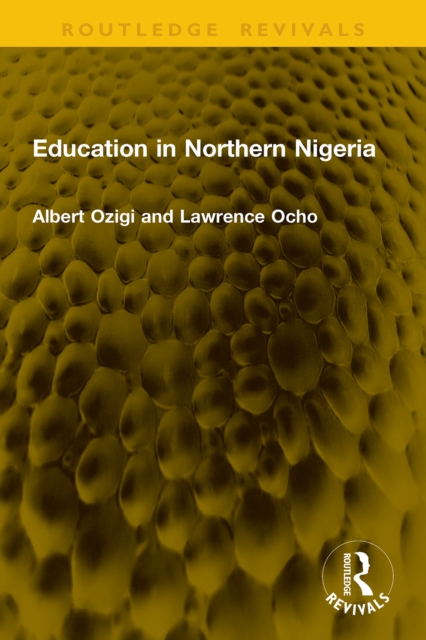
Education in Northern Nigeria (1981) is a comprehensive account of educational development in that region of Nigeria known from 1900 to 1967, when it was a single administrative and political unit, as the Northern Region.
Political Leadership in Africa (1983) reviews the different types of leadership in Africa, ranging from the beneficial guidance of Nyerere to the despotism of Amin.
West African Government for Nigerian Students (1965) was originally prepared as a guide to a Government exam in Nigeria, but now serves as a useful source of information to pre-colonial institutions and existing institutions in Ghana, Nigeria, Sierra Leone and the Gambia.
Trading in West Africa (1976) provides a vivid portrait of conditions in the West African trade - trade that was at the heart of the economic development of nineteenth century shipping.
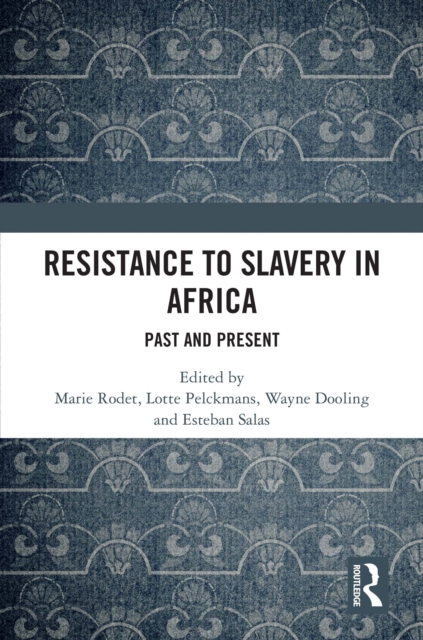
Resistance to Slavery in Africa: Past and Present offers a sweeping, accessible overview of how African individuals and communities have challenged slavery across centuries.
This will be the first book to focus on the African patrons who commissioned grand family mansions from the 1860s to 1950s, and to highlight their intentions during the tumultuous period in the Gold Coast Colony (part of present-day Ghana) from roughly 1874 to independence from the British on March 6, 1957.
Education in Northern Nigeria (1981) is a comprehensive account of educational development in that region of Nigeria known from 1900 to 1967, when it was a single administrative and political unit, as the Northern Region.
Resistance to Slavery in Africa: Past and Present offers a sweeping, accessible overview of how African individuals and communities have challenged slavery across centuries.
Situated at the crossroads of queer theory and postcolonial studies, Hybrid Anxieties analyzes the intertwined and composite aspects of identities and textual forms in the wake of the French-Algerian War (19541962).
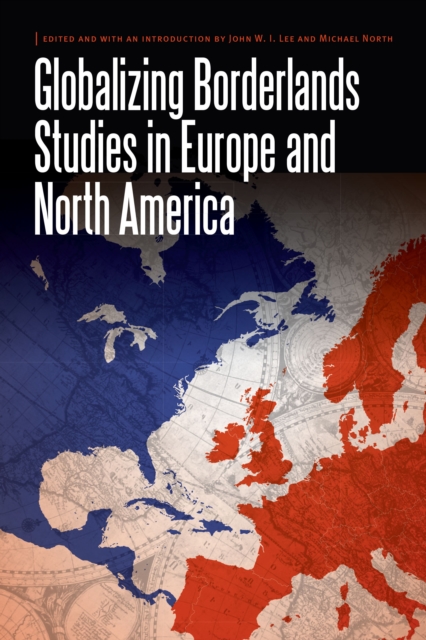
Borderlands are complex spaces that can involve military, religious, economic, political, and cultural interactions-all of which may vary by region and over time.
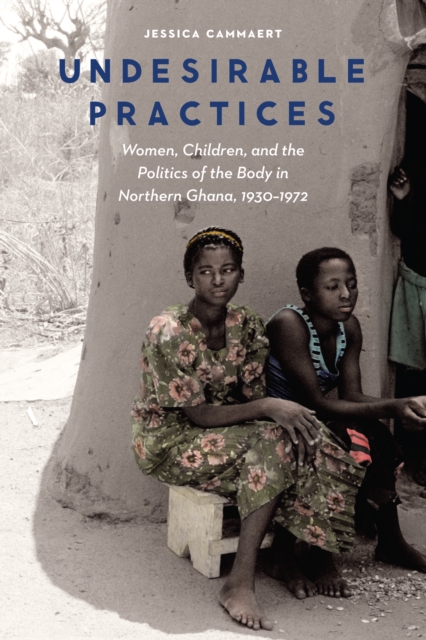
Undesirable Practices examines both the intended and the unintended consequences of imperial feminism and British colonial interventions in undesirable cultural practices in northern Ghana.
Situated at the crossroads of queer theory and postcolonial studies, Hybrid Anxieties analyzes the intertwined and composite aspects of identities and textual forms in the wake of the French-Algerian War (19541962).
Borderlands are complex spaces that can involve military, religious, economic, political, and cultural interactions-all of which may vary by region and over time.
Originally published in 1986, this book provides an in-depth study of the relationship between administrators and politicians in Nigeria from the birth of modern Nigeria in 1914 to the late 20th century.
Originally published in 1986, this book provides an in-depth study of the relationship between administrators and politicians in Nigeria from the birth of modern Nigeria in 1914 to the late 20th century.
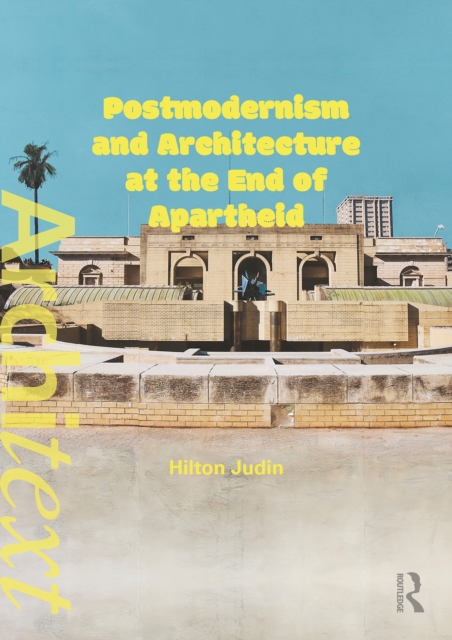
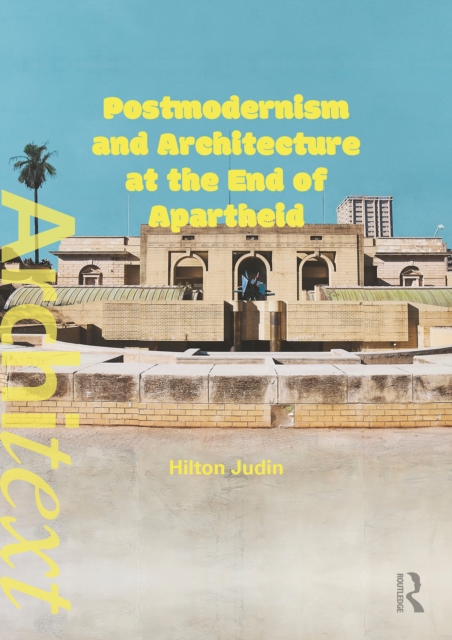
Set against a social and political urban landscape of segregation and forced removals, Postmodernism and Architecture at the End of Apartheid unpacks postmodernism in the 1970s and 1980s as it unfolds in South Africa during the final brutal decade of apartheid.
Set against a social and political urban landscape of segregation and forced removals, Postmodernism and Architecture at the End of Apartheid unpacks postmodernism in the 1970s and 1980s as it unfolds in South Africa during the final brutal decade of apartheid.
The Girl who Killed a Nation is a fast-paced tale that is deeply reflective, readable and down to earth, and will draw in lovers of travel, history, and personal memoir.