Ebook Description for The Heart of Darkness: Unraveling the Crisis of the Democratic Republic of the Congo A Nation Rich in Resources, Trapped in Conflict.
South Africa's mining journey began with the discovery of 'mountains of copper' in the drylands of Namaqualand, laying the foundation of an industry that would forever shape a nation's destiny.
This book examines the environment and society of North Africa during the late Roman period (fourth and fifth centuries CE) through the writings of Helvius Vindicianus, Theodorus Priscianus, Caelius Aurelianus, and Cassius Felix.
This book examines the environment and society of North Africa during the late Roman period (fourth and fifth centuries CE) through the writings of Helvius Vindicianus, Theodorus Priscianus, Caelius Aurelianus, and Cassius Felix.
A memoir of how the Amazigh people successfully fought for their recognition in Morocco
For decades after Moroccan independence in 1956, the struggle of the Amazigh people for their indigenous rights and cultural preservation took center stage.
A memoir of how the Amazigh people successfully fought for their recognition in Morocco
For decades after Moroccan independence in 1956, the struggle of the Amazigh people for their indigenous rights and cultural preservation took center stage.
First published in 1986, Tunisia: Crossroads of the Islamic and European Worlds presents a comprehensive overview of Tunisian history along with its political and governmental structures and the role of Habib Bourguiba and other nationalist leaders in moulding those institutions and in controlling them since independence.
First published in 1986, Tunisia: Crossroads of the Islamic and European Worlds presents a comprehensive overview of Tunisian history along with its political and governmental structures and the role of Habib Bourguiba and other nationalist leaders in moulding those institutions and in controlling them since independence.
This biography traces the extraordinary story of the Molteno family coming from an Anglo-Italian origin, whose legacy helped shape South African political and social life from the 19th century onward.
This biography traces the extraordinary story of the Molteno family coming from an Anglo-Italian origin, whose legacy helped shape South African political and social life from the 19th century onward.
This study presents the first history of the South African national pavilion at the Venice Biennale since it first participated in 1950 up until its contemporary pavilions.
This study presents the first history of the South African national pavilion at the Venice Biennale since it first participated in 1950 up until its contemporary pavilions.
"L’oracle des Grands Lacs" donne un aperçu particulier de la guerre des Grands Lacs en livrant des éclaircissements sur son histoire et sur la vie doucement en cours, des souvenirs romancés.
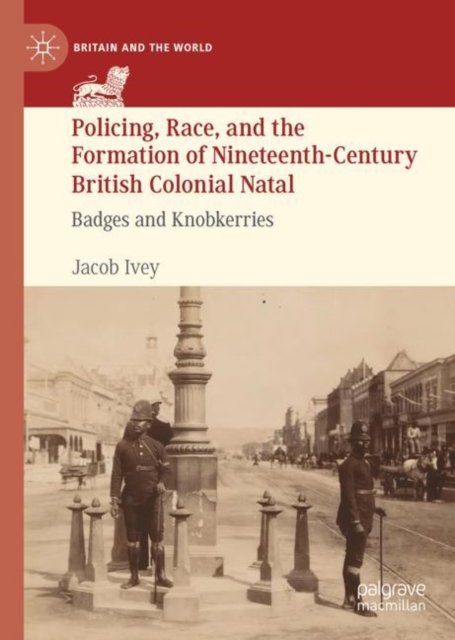
This book traces the creation, implementation, and evolution of the police institutions within British colonial Natal during ‘the formative period’ of the colony between 1845 and 1899.
This book traces the creation, implementation, and evolution of the police institutions within British colonial Natal during ‘the formative period’ of the colony between 1845 and 1899.
This book is a retelling of the history of Liberia’s formation through the lens of settler colonial theory to understand the antagonisms that continue to shape contemporary citizenship debates.
This book is a retelling of the history of Liberia’s formation through the lens of settler colonial theory to understand the antagonisms that continue to shape contemporary citizenship debates.
This book explores the profound intellectual legacy of the late Ntongela Masilela, a groundbreaking literary historian whose analytical significance surged following his death in 2020.
This book explores the profound intellectual legacy of the late Ntongela Masilela, a groundbreaking literary historian whose analytical significance surged following his death in 2020.
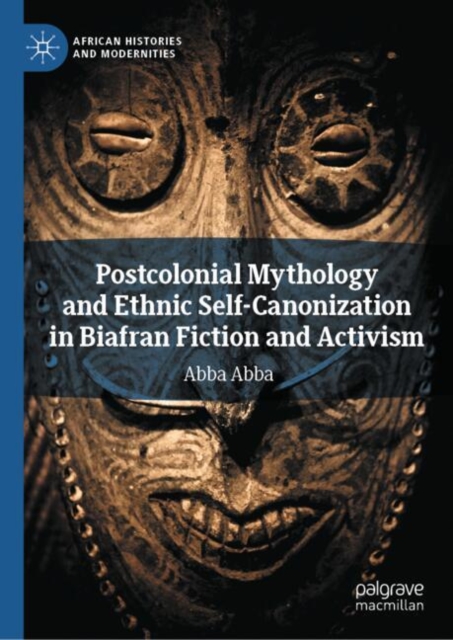
Postcolonial Mythology and Ethnic Self-Canonization in Biafran Fiction and Activism explores the ways in which communities that have been marginalized in colonial discourses attempt to reconstruct their identities, histories, and narratives through the use of postcolonial myths.