Uganda: A Modern History (1981) provides a comprehensive political, social and economic history of Uganda from the beginnings of colonial rule in 1888.
First published in 1958, The Making of Modern Uganda is concerned with the formation of modern Uganda in the sixty years since the 1890s when the foundations of the British administration were laid.
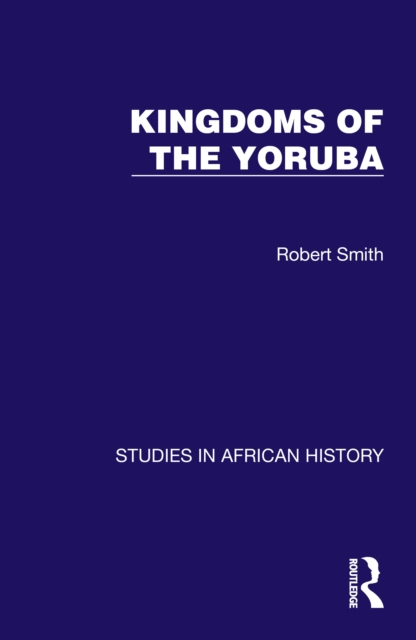
Originally published in 1969 and as a second edition in 1976, this book gives a general account of the major Yoruba kingdoms and provides a synthesis of Yoruba and Igbomina history, culture and archaeology.
Originally published in 1976, this book provides an account of the aims and structure of the Organization of African Unity (OAU) and its growth from its foundation in Addis Ababa in 1963 up to the mid-1970s.
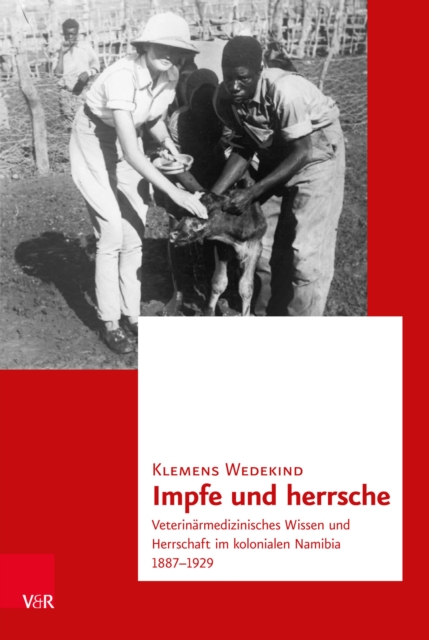
Die Geschichte der kolonialen Veterinärmedizin illustriert nicht nur die Entstehung von Wissensbeständen durch die transimperiale Verflechtung mit europäischen Experten.
Originally published in 1969 and as a second edition in 1976, this book gives a general account of the major Yoruba kingdoms and provides a synthesis of Yoruba and Igbomina history, culture and archaeology.
The first major history of photography from coastal East AfricaThe ports of the Swahili coastZanzibar and Mombasa among themhave long been dynamic centers of trade where diverse peoples, ideas, and materials converge.
Atlantis: The Antediluvian World by Ignatius Donnelly is a pioneering work that delves into the enigmatic and controversial concept of Atlantis-an ancient, advanced civilization believed to have vanished beneath the sea.
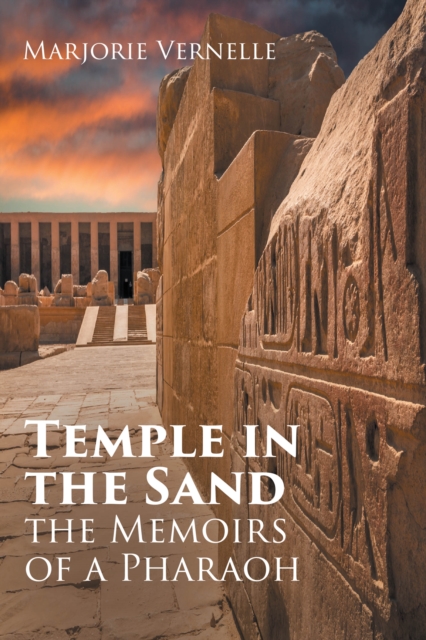
Seti I is most frequently known as the father of Ramesses II, but in fact, he was a great pharaoh himself, though with a relatively short reign of just eleven years.
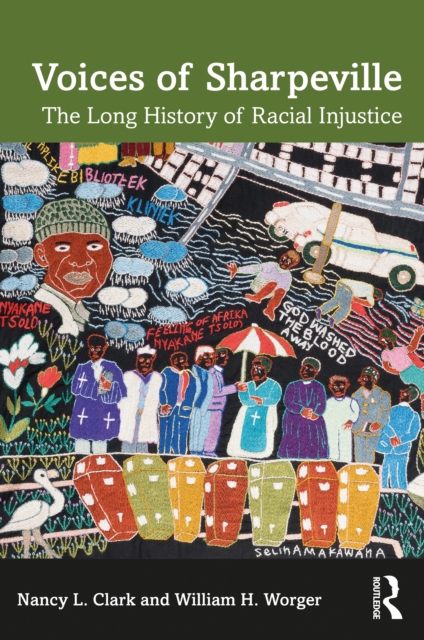
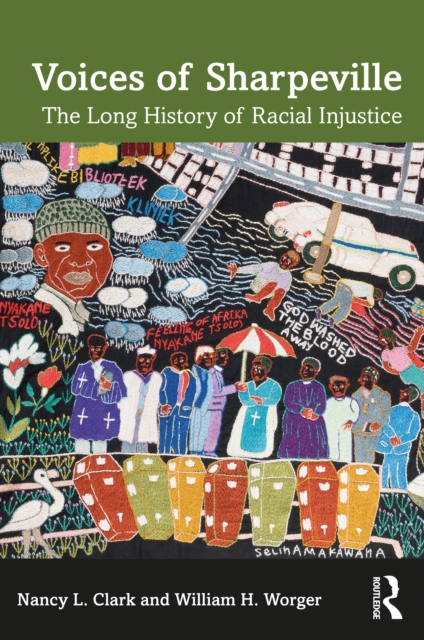
This is the first in-depth study of Sharpeville, the South African township that was the site of the infamous police massacre of March 21, 1960, the event that prompted the United Nations to declare apartheid a "e;crime against humanity.
This is the first in-depth study of Sharpeville, the South African township that was the site of the infamous police massacre of March 21, 1960, the event that prompted the United Nations to declare apartheid a "e;crime against humanity.
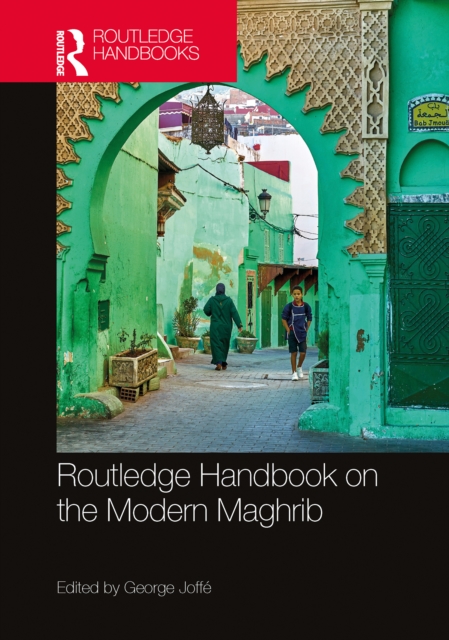
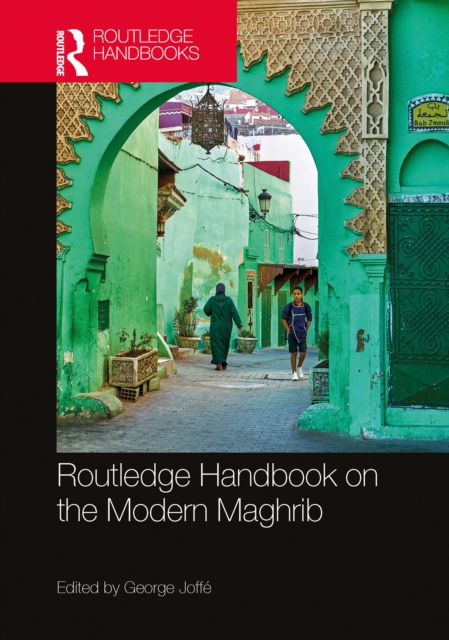
This comprehensive Routledge Handbook on the Modern Maghrib introduces and analyses the region in its full complexity, focussing on the countries of Morocco, Tunisia, Algeria and Libya, as well as the regions of the northern and western Sahara.
This comprehensive Routledge Handbook on the Modern Maghrib introduces and analyses the region in its full complexity, focussing on the countries of Morocco, Tunisia, Algeria and Libya, as well as the regions of the northern and western Sahara.
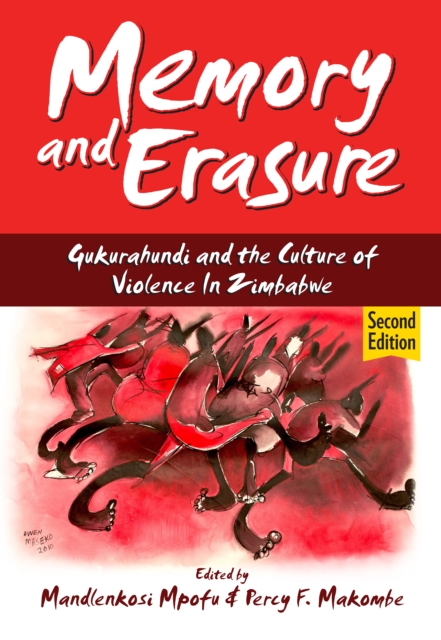
Memory and Erasure is part of a growing body of academic literature to properly document and narrate the Gukurahundi genocide which, hopefully, may contribute to survivors and victims, families, quest for justice and closure.
Very Short Introductions: Brilliant, Sharp, Inspiring A pathbreaking analysis of the relationship between Mandela the myth, and Mandela the historical figure, looking at the way images, stories, and politics have been combined to create the iconic image of Mandela that we know today.
›Die Erfindung der Überbevölkerung‹ ist eine tiefgründige Analyse, die sich mit einem der drängendsten globalen Probleme unserer Zeit auseinandersetzt.
First published in 1958, The Making of Modern Uganda is concerned with the formation of modern Uganda in the sixty years since the 1890s when the foundations of the British administration were laid.
Originally published in 1976, this book provides an account of the aims and structure of the Organization of African Unity (OAU) and its growth from its foundation in Addis Ababa in 1963 up to the mid-1970s.
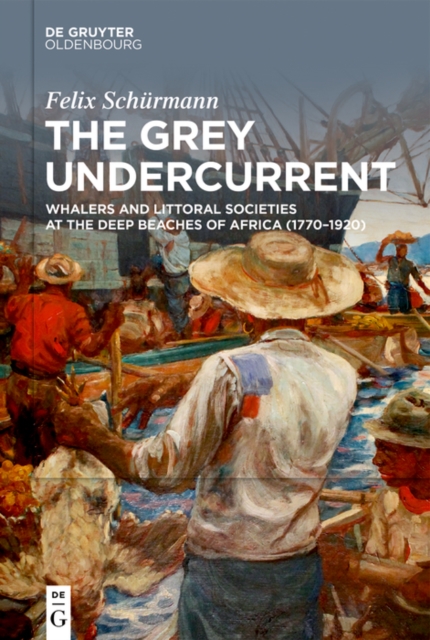
By extending their voyages to all oceans from the 1760s onward, whaling vessels from North America and Europe spanned a novel net of hunting grounds, maritime routes, supply posts, and transport chains across the globe.
Written as a tribute to the revolutionary intellectual and leader Mzala Nxumalo, this book discusses the significance of his work in the context of contemporary South African left politics.
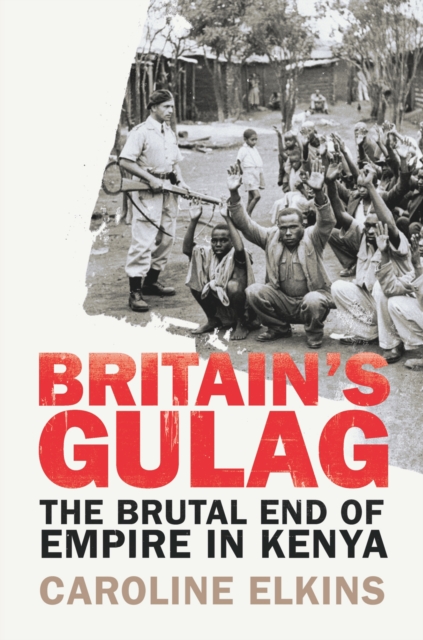
Only a few years after Britain defeated fascism came the Mau Mau uprising in Kenya - a mass armed rebellion by the Kikuyu people, demanding the return of their land and freedom.
Technological advancements, expanding education, and unfettered capitalism have encouraged many around the world to aspire to better lives, even as declines in employment and widening inequality are pushing more and more people into insecurity and hardship.
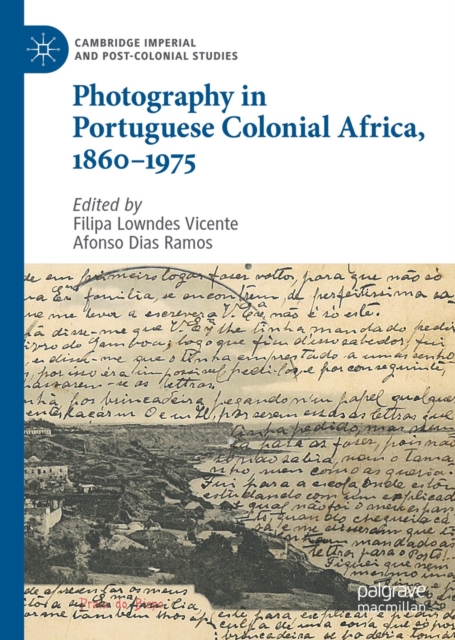
This edited collection presents the first critical and historical overview of photography in Portuguese colonial Africa to an English-speaking audience.
In Children of the Soil, Tasha Rijke-Epstein offers an urban history of the port city of Mahajanga, Madagascar, before, during, and after colonization.
In a time without GPS and echosounder, European engineers and black labourers worked for decades to get a better understanding of the nautical intricacies of the Congo River.
In From Migrants to Refugees Jill Rosenthal tells the history of how Rwandan migrants in a Tanzanian border district became considered either citizens or refugees as nation-state boundaries solidified in the wake of decolonization.
Originally published for the first time in English in 1979 this book represents one of the earliest Marxist analyses of the impact that colonialism had on Africa during the first half century that followed the Scramble.
Guerrillas and Combative Mothers is a narrative of women participating in the armed struggle against apartheid from 1961 to 1994 and their lives in a democratic South Africa.
Originally published for the first time in English in 1979 this book represents one of the earliest Marxist analyses of the impact that colonialism had on Africa during the first half century that followed the Scramble.
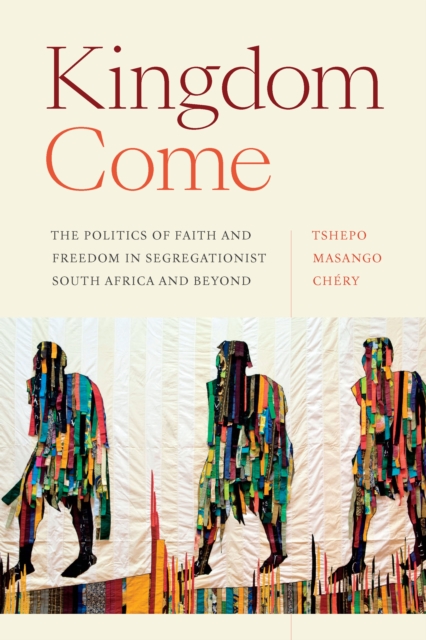
In Kingdom Come, Tshepo Masango Chery charts a new genealogy of early twentieth-century Black Christian activists who challenged racism in South Africa before the solidification of apartheid by using faith as a strategy against global racism.
Technological advancements, expanding education, and unfettered capitalism have encouraged many around the world to aspire to better lives, even as declines in employment and widening inequality are pushing more and more people into insecurity and hardship.
In this collection of essays on African and Caribbean literature, culture, and politics, Ngugi wa Thiong'o delivers a groundbreaking critique of colonialism and capitalism in postcolonial Africa.
This edited collection presents the first critical and historical overview of photography in Portuguese colonial Africa to an English-speaking audience.
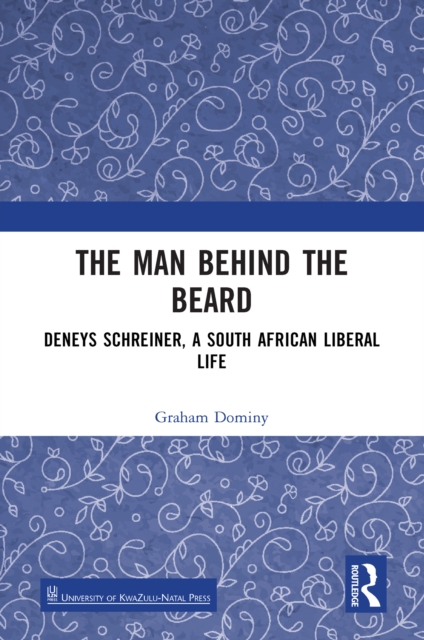
Deneys Schreiner was an academic, a scientist and a man of strong liberal principles, with a good sense of humor and widespread interests in the sciences, arts and public affairs.
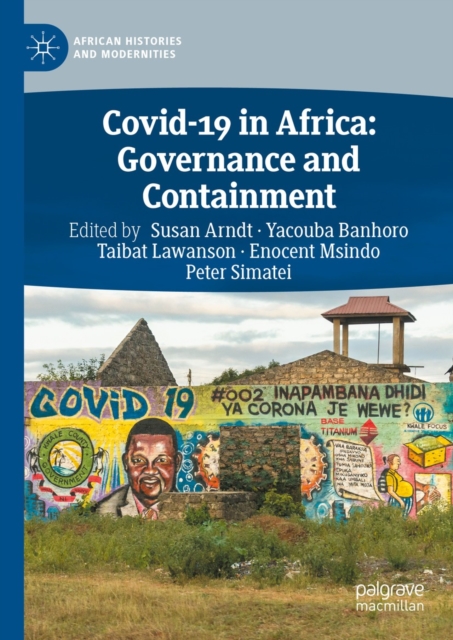
Written amidst the ongoing Covid-19 pandemic, this edited volume draws on the expertise of social scientists and humanities scholars to understand the several ramifications of Covid-19 in societies, politics, and the economies of Africa.
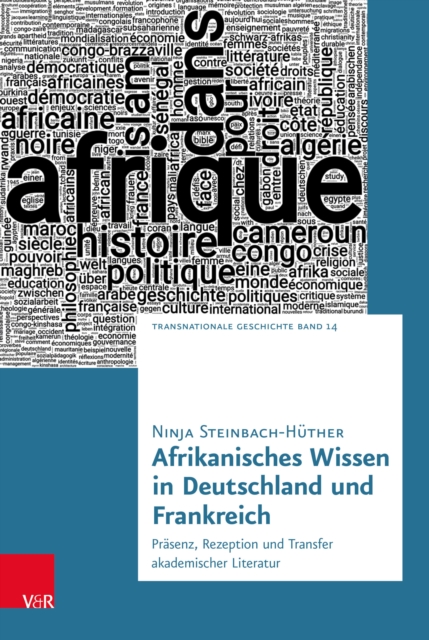
Ninja Steinbach-Hüther stellt die Frage nach dem Platz afrikanischen Wissens auf den Buchmärkten Frankreichs und Deutschlands und untersucht exemplarisch die Präsenz und Rezeption gesellschaftswissenschaftlicher Publikationen afrikanischer Autorinnen und Autoren seit den 1950er Jahren bis zur Gegenwart.
Very Short Introductions: Brilliant, Sharp, Inspiring A pathbreaking analysis of the relationship between Mandela the myth, and Mandela the historical figure, looking at the way images, stories, and politics have been combined to create the iconic image of Mandela that we know today.