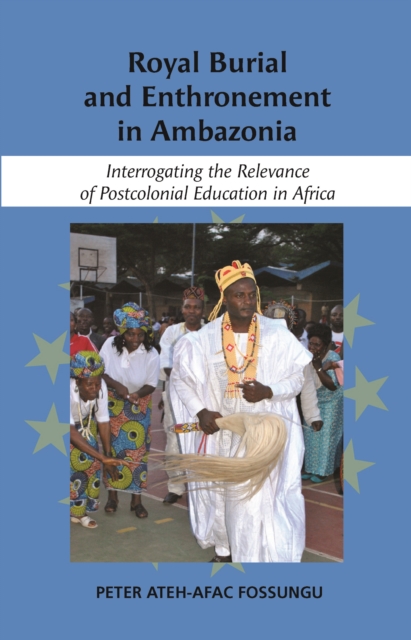
The contribution works toward achieving its mentality-changing goals by essentially providing Afrikentication lessons radiating principally around the theme: Making African education relevant to African liberation and progress.
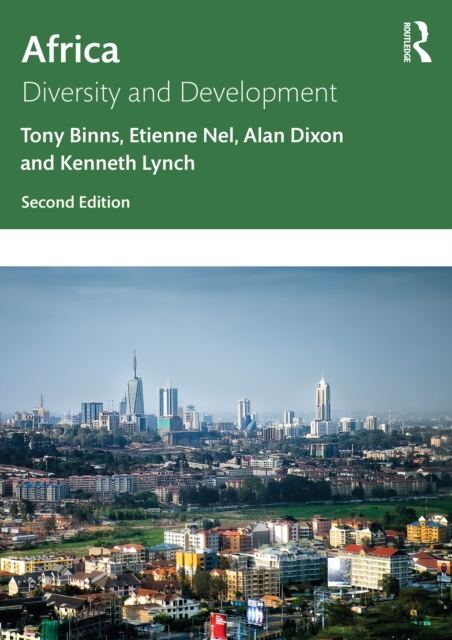
Africa: Diversity and Development introduces and de-mystifies Africa's diversity and dynamism, and considers how its peoples and environments have interacted through time and space.
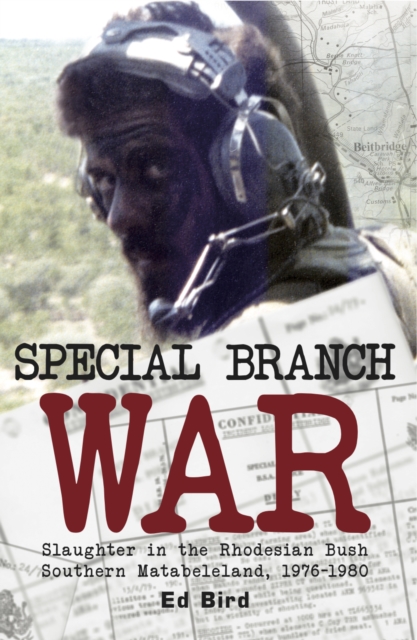
This searing account primarily covers Ed Bird's Special Branch (SB) service in the Beitbridge area of southern Matabeleland, 1976-1980, encompassing Operations Repulse and Tangent of the bitter Rhodesian 'bush war'.
Dieses eBook: "Peter Moors Fahrt nach Südwest" ist mit einem detaillierten und dynamischen Inhaltsverzeichnis versehen und wurde sorgfältig korrekturgelesen.
Written as a tribute to the revolutionary intellectual and leader Mzala Nxumalo, this book discusses the significance of his work in the context of contemporary South African left politics.
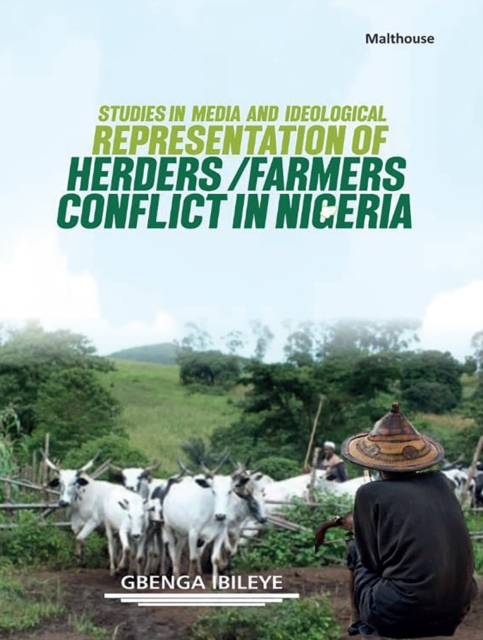
This book features articles from a spectrum of perspectives that are considered of direct consequence for the discourse on the conflict between herders and farmers in Nigeria.
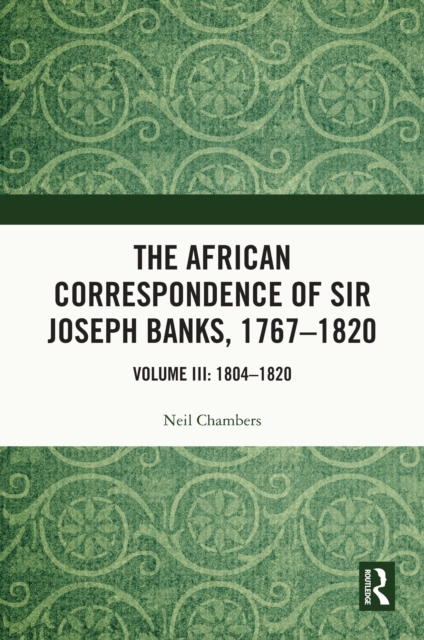
This edition brings together in three fully edited volumes the correspondence and associated papers of Sir Joseph Banks regarding European and especially British exploration of Africa from 1767-1820, for the first time publishing this globally scattered material in one place, thereby revolutionizing its availability and understanding of the activities of a key figure who helped organize and publish a series of missions to penetrate the African interior, mainly from West Africa and by crossing the Sahara from Cairo and Tripoli.
Dirty War is the first comprehensive look at the Rhodesia's top secret use of chemical and biological weapons (CBW) during their long counterinsurgency against native African nationalists.
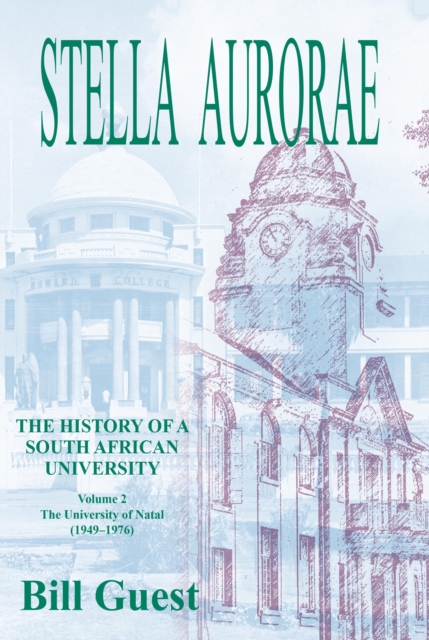
This is the second of a three-volume history by Bill Guest of a major South African university founded as the Natal University College in Pietermaritzburg in 1909.
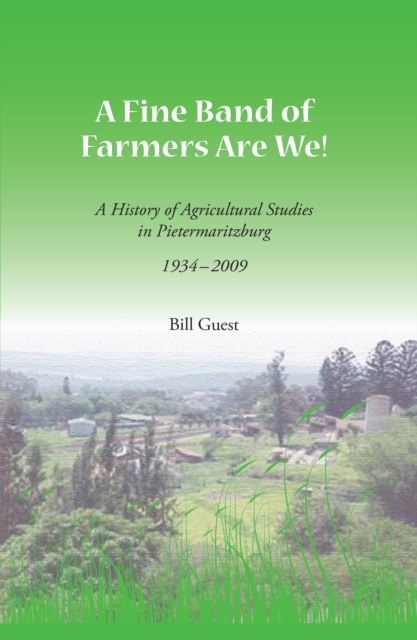
This history of agricultural studies in KwaZulu-Natal over a period of 75 years, from 1934 to 2009, gives a detailed overview of the establishment of formal agricultural studies in the province and focuses on the Faculty of Agriculture at the University of KwaZulu-Natal.
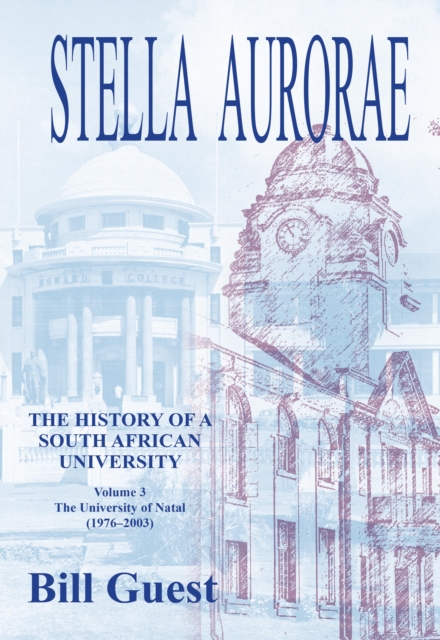
This is the last of a three-volume history by Bill Guest of a major South African university founded as the Natal University College in Pietermaritzburg in 1909.
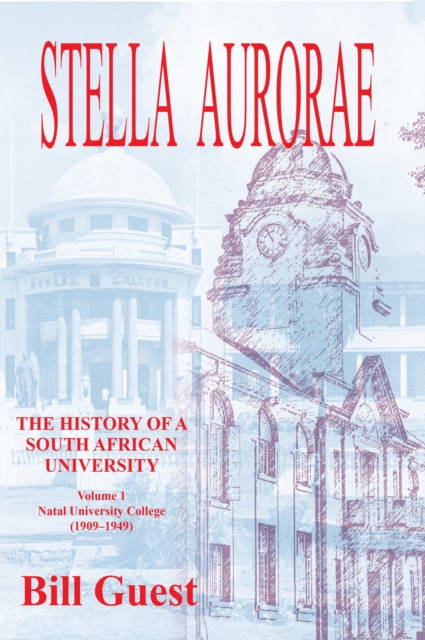
This is the first of a three-volume history by Bill Guest of a major South African university founded as the Natal University College in Pietermaritzburg in 1909.
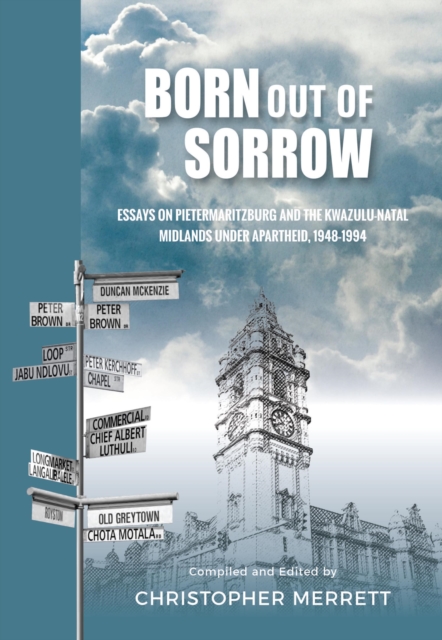
HALF the size of New York cemetery and twice as dead: this much-quoted, wry comment is generally attributed to the satirical writer Tom Sharpe who worked in Pietermarizburg in the 1950s.
First published in 1975, The Kingdom of Toro in Uganda describes the foundation of the Toro kingdom in the nineteenth century by the rebel prince Kaboyo, and investigates how Kasagama, Kaboyo's grandson, was able to recreate, with little local support, a kingdom far more extensive than Kaboyo had ever envisaged.
First published in 1975, The Kingdom of Toro in Uganda describes the foundation of the Toro kingdom in the nineteenth century by the rebel prince Kaboyo, and investigates how Kasagama, Kaboyo's grandson, was able to recreate, with little local support, a kingdom far more extensive than Kaboyo had ever envisaged.
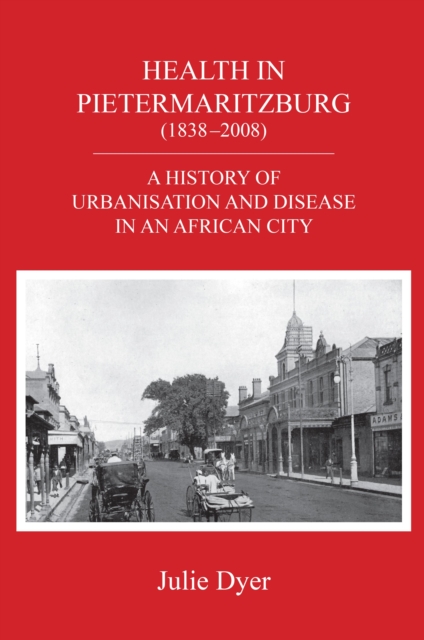
This is a history of the health of the people of Pietermaritzburg, a developing city in Africa and capital of the province of KwaZulu-Natal in South Africa.
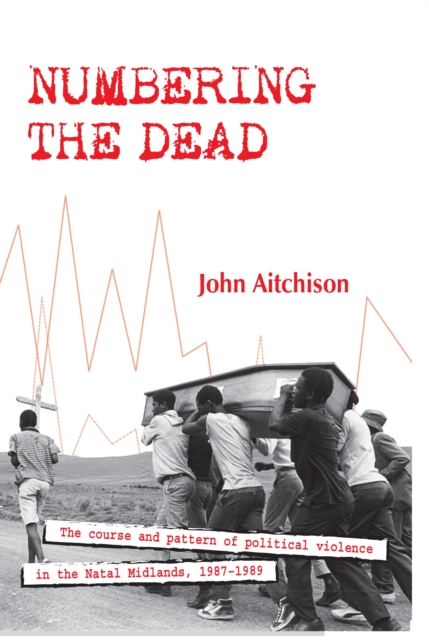
Numbering the Dead is a seminal account of the violent civil conflict that broke out around the city of Pietermaritzburg in 1987 and what ensued over the next three years.
Originally published in 1969, this book assesses the origin and nature of the 20th Century trend towards military intervention in the politics of African states.
Originally published in 1976, this book was the first comprehensive analysis in English of the post-independence developments in the West African Republic of Guinea.
Originally published in 1976, this book was the first comprehensive analysis in English of the post-independence developments in the West African Republic of Guinea.
This book offers a historically sensitive ethnography of the zar tumbura spirit possession cult, associated with descendants of African slaves who live mainly in the area of Greater Khartoum, Sudan.
This book offers a historically sensitive ethnography of the zar tumbura spirit possession cult, associated with descendants of African slaves who live mainly in the area of Greater Khartoum, Sudan.
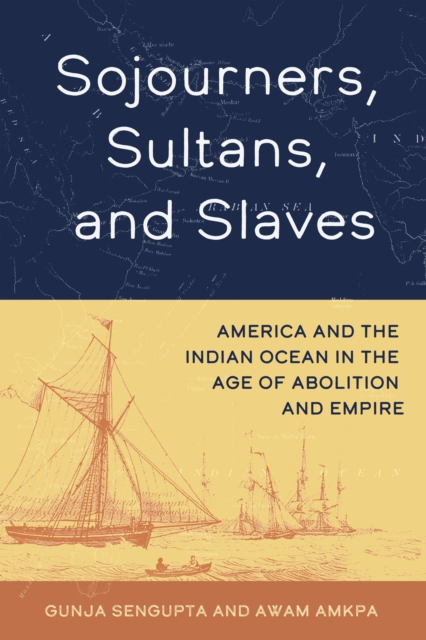
In the nineteenth century, global systems of capitalism and empire knit the North Atlantic and Indian Ocean worlds into international networks in contest over the meanings of slavery and freedom.
In the nineteenth century, global systems of capitalism and empire knit the North Atlantic and Indian Ocean worlds into international networks in contest over the meanings of slavery and freedom.
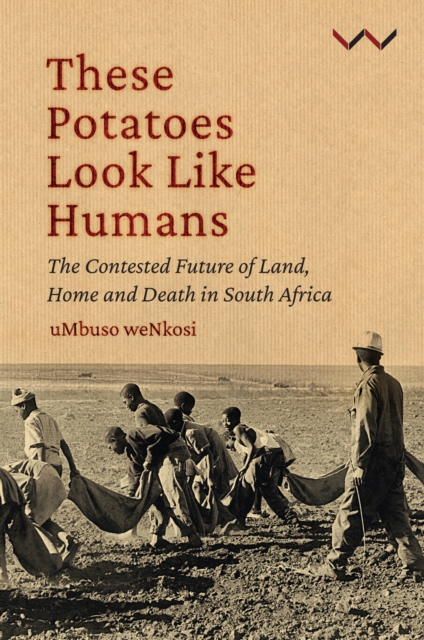
These Potatoes Look Like Humans offers a unique understanding of the intersection between land, labour, dispossession and violence experienced by Black South Africans from the apartheid period to the present.
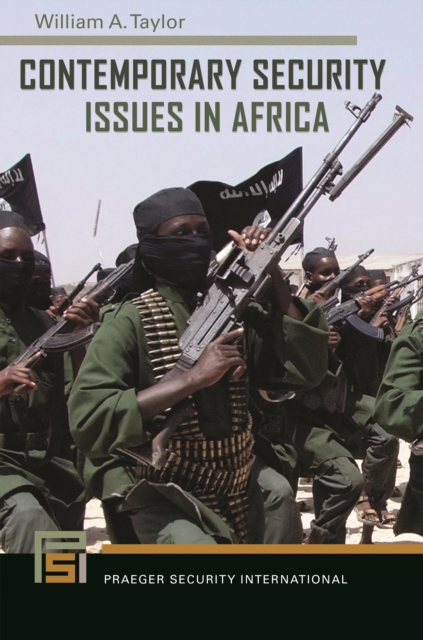
As a comprehensive resource for readers interested in contemporary security issues in Africa, this compelling book details the impact of complex challenges in Africa and explains why addressing them grows increasingly important.
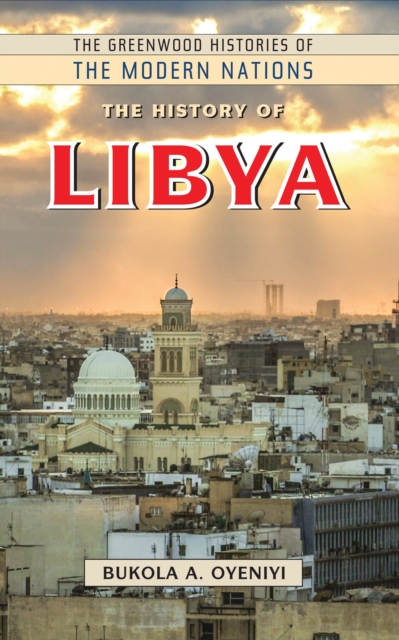
Covers Libyan history from the prehistoric period through the Phoenician, Roman, and Islamic/Ottoman periods to Italian colonization, independence, and the 2011 uprising and civil war.
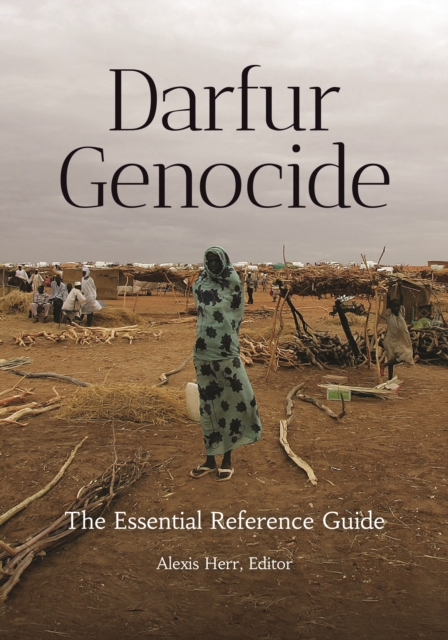
This important reference work offers students a comprehensive overview of the Darfur Genocide, with roughly 100 in-depth articles by leading scholars on an array of topics and themes and more than a dozen key primary source documents.
Originally published in 1974, this book is a readable account of Botswana from the time of the first European visitors to the modern era of emergence as an independent African state.
Originally published in 1976, this book combines detailed technical studies of the diplomacy of the land and waterborne warfare of pre-colonial West Africa.
Originally published in 1969, this book examines the factors which at different historical periods led people to use one language (Swahili) rather than another, or within a given period, to use a particular language in one set of circumstances.
Originally published in 1972, this book examines the way in which the military/police regime in Ghana, which overthrew President Nkrumah in February 1966, performed two overlapping tasks - those of establishing itself as a recognised government, and of pursuing its chosen objective of eventually restoring democratic civilian rule.
Originally published in 1974, this book is a readable account of Botswana from the time of the first European visitors to the modern era of emergence as an independent African state.
Originally published in 1969, this book examines the factors which at different historical periods led people to use one language (Swahili) rather than another, or within a given period, to use a particular language in one set of circumstances.