Originally published in 1990, this book provides a unique view of South Africa and when it was published, it represented a coming of age of a new and vigorous strand of scholarship.
The World Today Series: Africa provides students with vital information on all countries on the African continent through a thorough and expert overview of political and economic histories, current events, and emerging trends.
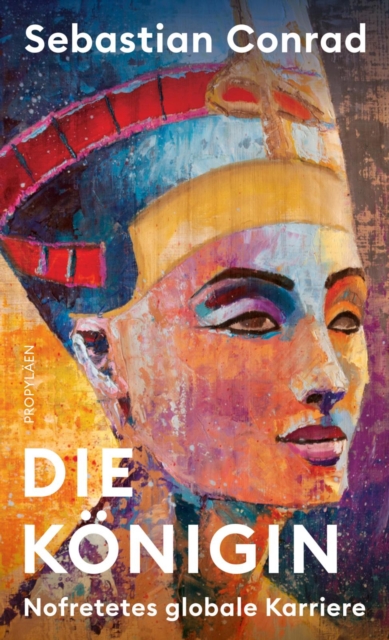
Eine Weltreise auf den Spuren der sagenhaften Königin Ihre Entdeckung im ägyptischen Tell el-Armana war eine Sensation, ihre Präsentation 1924 in Berlin sorgte für Furore weit über Deutschland hinaus.
First published in 1984, Habib Bourguiba, Islam and the Creation of Tunisia is a study of Habib Bourguiba, the founder of independent Tunisia, that argues that Islam played a vital role in the development of the Tunisian nationalist movement.
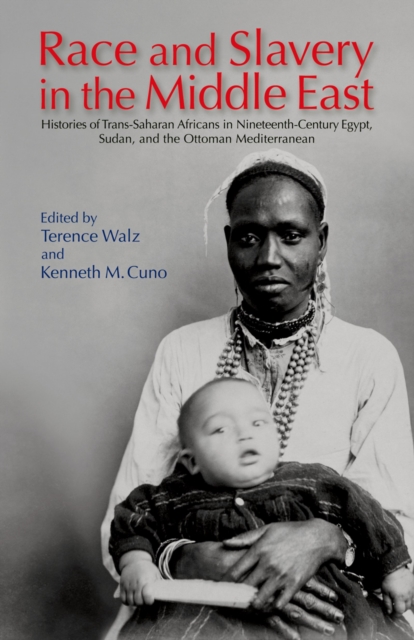
In the nineteenth century hundreds of thousands of Africans were forcibly migrated northward to Egypt and other eastern Mediterranean destinations, yet relatively little is known about them.
In the nineteenth century hundreds of thousands of Africans were forcibly migrated northward to Egypt and other eastern Mediterranean destinations, yet relatively little is known about them.
First published in 1984, Habib Bourguiba, Islam and the Creation of Tunisia is a study of Habib Bourguiba, the founder of independent Tunisia, that argues that Islam played a vital role in the development of the Tunisian nationalist movement.
Written amidst the ongoing Covid-19 pandemic, this edited volume draws on the expertise of social scientists and humanities scholars to understand the many ramifications of Covid-19 on societies, politics, and the economies of Africa.
This book of 100 essays written over the last three post-apartheid decades provides profiles of pan-African figures, mostly from Africa and its diaspora in the Americas, Europe, and the Caribbean.
This authoritative work examines 500 years of interaction between the races in a country that during the apartheid era became a byword for racial disharmony.
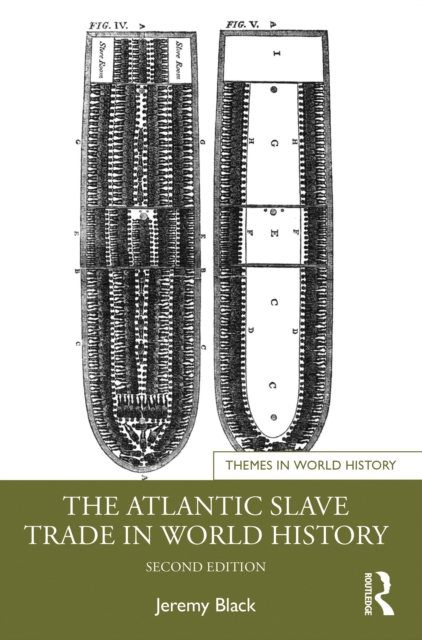
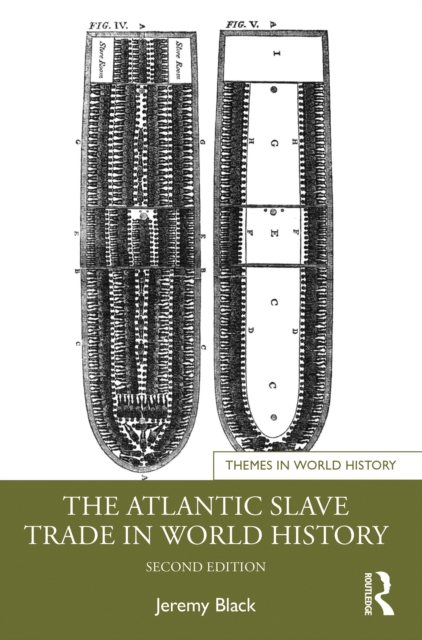
Now in its second edition, The Atlantic Slave Trade in World History has been updated to include recent scholarship, and an analysis of how debates have changed in light of recent key events such as the Black Lives Matter movement.
This book of 100 essays written over the last three post-apartheid decades provides profiles of pan-African figures, mostly from Africa and its diaspora in the Americas, Europe, and the Caribbean.
This collection focuses on the role of religious leaders and religious institutions in supporting or resisting the democratization process in Zimbabwe.
Powerful, instructive, and full of humanity, this book challenges the current understanding of the war that has turned Mozambique-a naturally rich country-into the world's poorest nation.
Challenging prevailing theories of development and labor, Gay Seidman's controversial study explores how highly politicized labor movements could arise simultaneously in Brazil and South Africa, two starkly different societies.
Dateline Soweto documents the working lives of black South African reporters caught between the mistrust of militant blacks, police harrassment, and white editors who-fearing government disapproval-may not print the stories these reporters risk their lives to get.
In a radical reflection, John Young contends that the US model of democracy has failed the Global South because its emphasis on the supremacy of market capitalism entails a loss of national sovereignty and a truncated notion of human rights that leaves little room for citizens' engagement or socioeconomic justice.
Powerful, instructive, and full of humanity, this book challenges the current understanding of the war that has turned Mozambique-a naturally rich country-into the world's poorest nation.
Challenging prevailing theories of development and labor, Gay Seidman's controversial study explores how highly politicized labor movements could arise simultaneously in Brazil and South Africa, two starkly different societies.
Dateline Soweto documents the working lives of black South African reporters caught between the mistrust of militant blacks, police harrassment, and white editors who-fearing government disapproval-may not print the stories these reporters risk their lives to get.
Now in its second edition, The Atlantic Slave Trade in World History has been updated to include recent scholarship, and an analysis of how debates have changed in light of recent key events such as the Black Lives Matter movement.
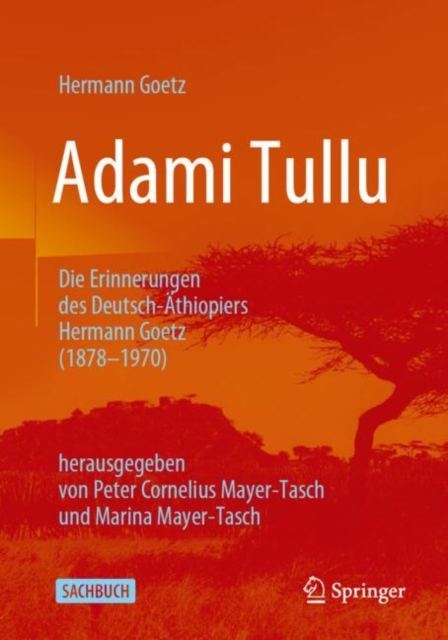
Als einer der frühen Abenteurer und Afrika-Pioniere des vergangenen Jahrhunderts schildert Hermann Goetz sein ereignisreiches Leben in sieben wechselvollen Jahrzehnten abessinisch-äthiopischer Geschichte.
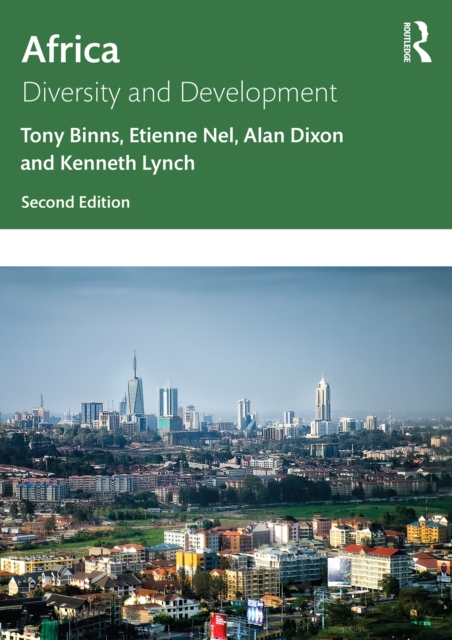
Africa: Diversity and Development introduces and de-mystifies Africa's diversity and dynamism, and considers how its peoples and environments have interacted through time and space.
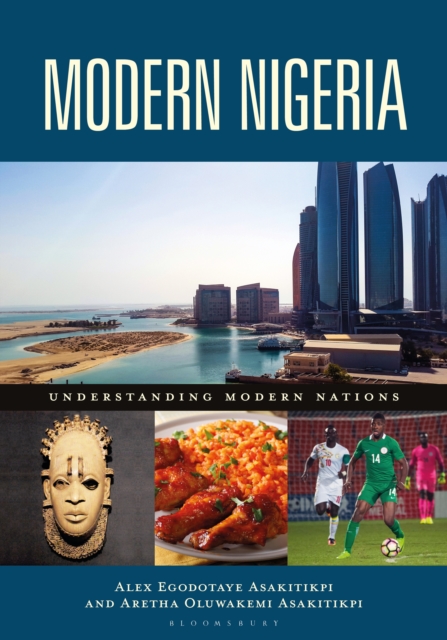
Discover Nigeria, Africa's most populous country, in this thematic encyclopedia that covers everything from geography and economics to etiquette and pop culture.
Als einer der frühen Abenteurer und Afrika-Pioniere des vergangenen Jahrhunderts schildert Hermann Goetz sein ereignisreiches Leben in sieben wechselvollen Jahrzehnten abessinisch-äthiopischer Geschichte.
This searing account primarily covers Ed Bird's Special Branch (SB) service in the Beitbridge area of southern Matabeleland, 1976-1980, encompassing Operations Repulse and Tangent of the bitter Rhodesian 'bush war'.
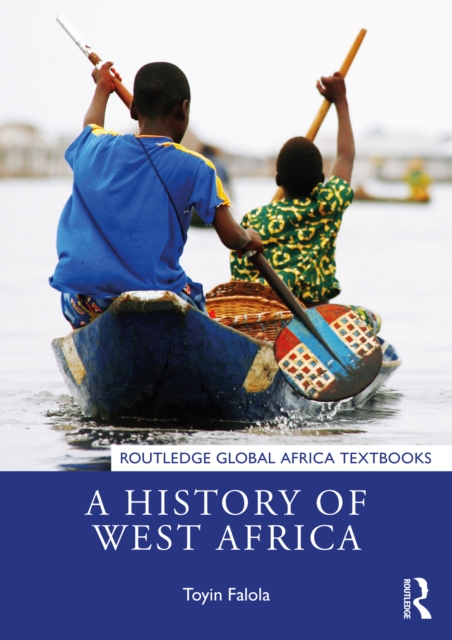
This book introduces readers to the rich and fascinating history of West Africa, stretching all the way back to the stone age, and right up to the modern day.