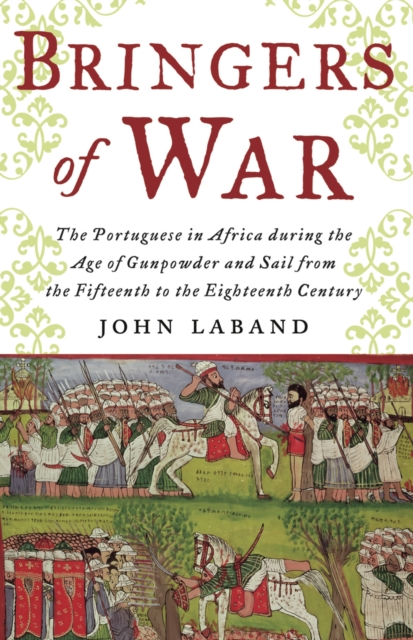
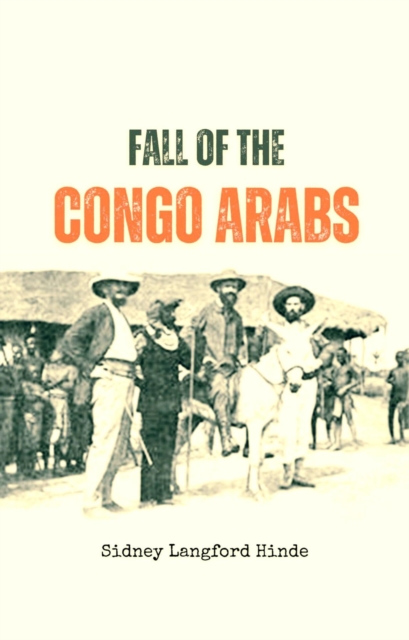
Long before coal-fuelled ships and machine-tooled firearms, in the age of sail and black powder, the Portuguese were engaged all around the coasts of Africa in capturing trading towns, seizing slaves and searching for mineral riches.
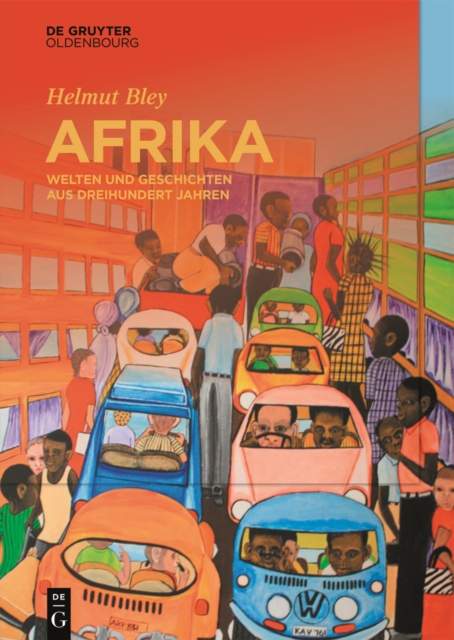
Ein historischer Krimi mit Verbindung zum Deutschen Kaiserreich, über die vermeintliche Geschichte einer Pandemie und wie diese entstanden sein könnte.
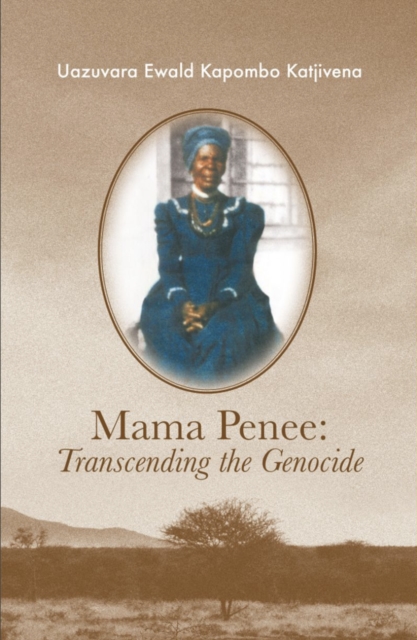
Jahohora Petronella Inaavinuise, who came to be known as Mama Penee, was a young girl of eleven when her parents were shot in cold blood before her during the 19041908 genocidal war in Namibia.
This book analyses the shifting patterns of Czechoslovak educational aid programmes for sub-Saharan African countries within the broader framework of the global debates on the nature of development aid in education discussed on the UNESCO grounds during the three "e;development decades.
This book analyses the shifting patterns of Czechoslovak educational aid programmes for sub-Saharan African countries within the broader framework of the global debates on the nature of development aid in education discussed on the UNESCO grounds during the three "e;development decades.
Gustav Frenssens Werk 'Peter Moors Fahrt nach Südwest' ist ein epischer Roman, der die Reise des Protagonisten Peter Moor in den Westen Nordamerikas beschreibt.
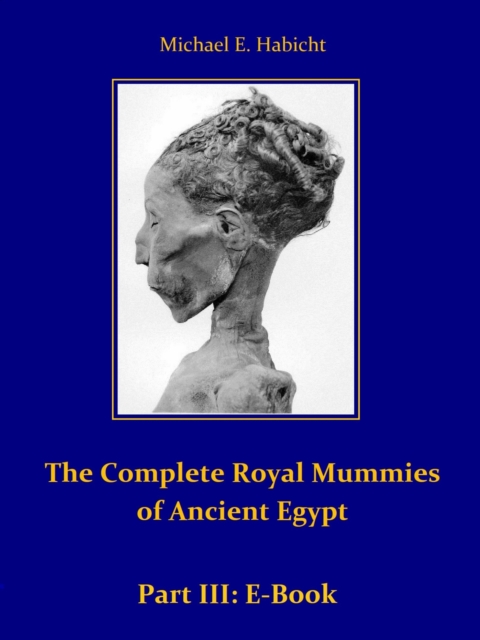
The Complete Royal Mummies of Ancient Egypt: Identifications of Ancient Egyptian Royal Mummies and burials from the Old Kingdom to Modern Age re-assessed.
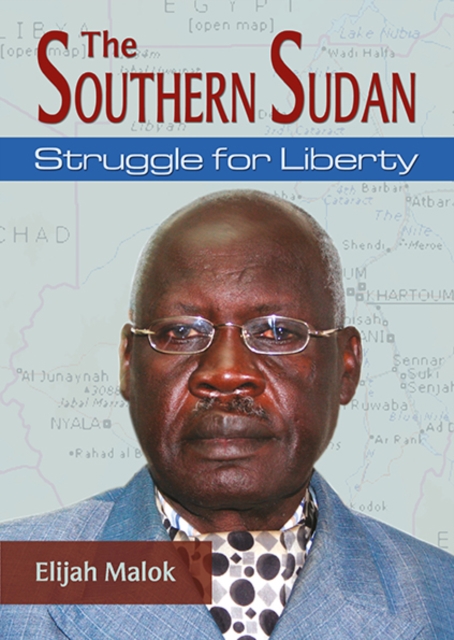
For many centuries, the politics of Sudan has been characterised by racial dichotomy and identity crisis, specifically between the North and the South.
Originally published in 1978, this book was distinctive in translating the work of French labour specialists and includes chapters on Nigeria, South Africa, Senegal, Kenya, Tanganyika, Madagascar and Botswana.
The white monopoly of political power; the attempt to make race coincide with space; the regulation of the labour supply; the maintenance of social control.
The white monopoly of political power; the attempt to make race coincide with space; the regulation of the labour supply; the maintenance of social control.
Originally published in 1974 and with a new introduction for the 1981 edition, this book is a clear and vivid history of the role of organized labour in the politics of Nigeria.
This book explores pastoralist/ farmers' approaches to environmental disaster management in East Africa, charting their responses and adaptations to famine, pandemics, natural disasters, and historical events.
This book explores pastoralist/ farmers' approaches to environmental disaster management in East Africa, charting their responses and adaptations to famine, pandemics, natural disasters, and historical events.
Though Egypt was ruled by Turkish-speakers through most of the period from the ninth century until 1952, the impact of Turkish culture there remains under-studied.
Winner of the 2019 Gold Medal Award, Best Military History Memoir, Military Writers Society of AmericaRanked in the Top 10 Military Books of 2018 by Military Times.
In the past few decades, Western studies of Afrofuturism have grown to encompass examples deriving from multiple sites across the diaspora, as well as from the African continent.
In the past few decades, Western studies of Afrofuturism have grown to encompass examples deriving from multiple sites across the diaspora, as well as from the African continent.
El Nuevo Reino de Granada, donde existió un franco desinterés por condados y marquesados, fue el escenario de la mayor expedición naturalista del imperio español.
This book provides an extensive examination of the major conflicts in the extremely volatile region of sub-Saharan Africa and their ramifications throughout the continent and beyond.
This book provides an overview of contemporary issues in Sudan, Africa's largest nation, examining the country's history and current scene to help readers develop a deeper understanding of how much Sudan matters in today's world.
Christianity and the African Counter-Discourse in Achebe and Beti: Cultures in Dialogue, Contest and Conflict intervenes, in light of African literary products, the history of Christianity in Africa in late 19th and early 20th centuries, goes beyond the existing cliches about the operations of the European Christian missionaries whether Protestant or Catholic in Africa, and opens alternative ways to read the chain of missionary-native African, and missionary-European colonists relationships.
Christianity and the African Counter-Discourse in Achebe and Beti: Cultures in Dialogue, Contest and Conflict intervenes, in light of African literary products, the history of Christianity in Africa in late 19th and early 20th centuries, goes beyond the existing cliches about the operations of the European Christian missionaries whether Protestant or Catholic in Africa, and opens alternative ways to read the chain of missionary-native African, and missionary-European colonists relationships.
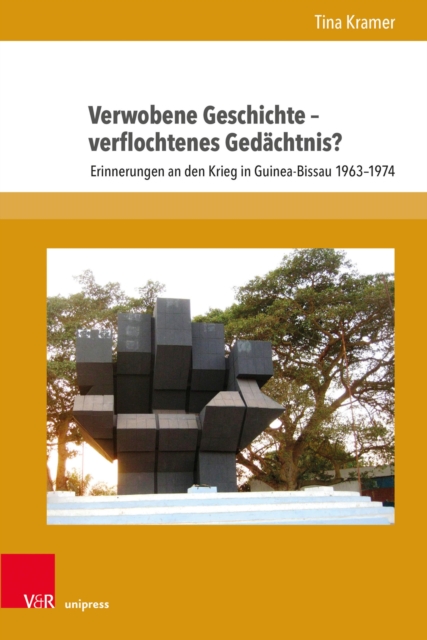
Der Krieg in Guinea-Bissau von 1963 bis 1974 war der bewaffnete Kampf der nationalen Bewegung PAIGC gegen die Vorherrschaft der portugiesischen Kolonialregierung im Land.
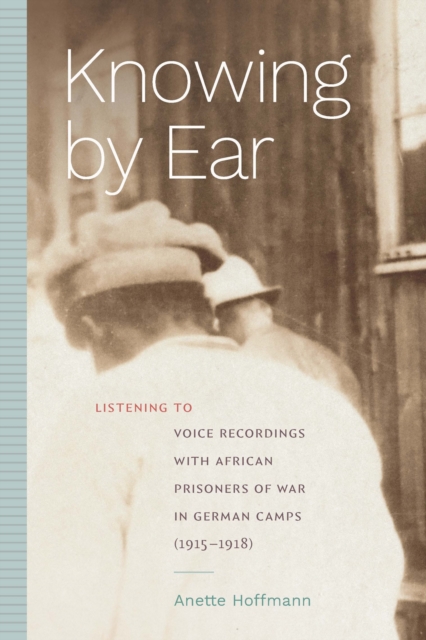
During World War I, thousands of young African men conscripted to fight for France and Britain were captured and held as prisoners of war in Germany, where their stories and songs were recorded and archived by German linguists.
This book alerts readers to the dangers of tradition as a formal, structured politics, which enriches a narrowly elite minority while overriding democratic rights, effecting a 'state of exception' for the governance of millions who are rendered as 'subjects' in South Africa.
This book alerts readers to the dangers of tradition as a formal, structured politics, which enriches a narrowly elite minority while overriding democratic rights, effecting a 'state of exception' for the governance of millions who are rendered as 'subjects' in South Africa.
Originally published in 1990, this book provides a unique view of South Africa and when it was published, it represented a coming of age of a new and vigorous strand of scholarship.
In ›Die Erfindung der Namen‹ taucht der Leser in eine faszinierende Welt ein, in der die Bedeutung von Namen nicht nur eine kulturelle Nuance ist, sondern eine grundlegende Rolle im menschlichen Dasein spielt.
This book addresses the multiple repercussions of South Africa's democratic transition beginning in 1994 by examining a number of themes with local, national, regional, and global relevance: the politics of nation building, public memory, residential segregation, higher education, media, racism, trade unionism, women's rights, and global climate change, to name only a few.
Originally published in 1990, this book provides a unique view of South Africa and when it was published, it represented a coming of age of a new and vigorous strand of scholarship.
The World Today Series: Africa provides students with vital information on all countries on the African continent through a thorough and expert overview of political and economic histories, current events, and emerging trends.