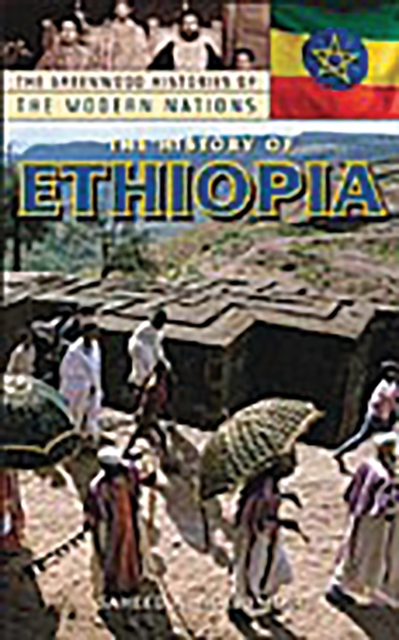
This engaging and informative historical narrative provides an excellent introduction to the history of Ethiopia from the classical era through the modern age.
A scholarly and engaging study, this history of Swaziland, by an author who spent many years in the kingdom, presents a vivid account of the interplay of politics and personalities along the passage to post-colonial independence.
Through reconstruction of oral testimony, folk stories and poetry, the true history of Hausa women and their reception of Islam's vision of Muslim in Western Africa have been uncovered.
The Man-eaters of Tsavo and other East African Adventures is a book written by John Henry Patterson in 1907 about a pair of lions that he killed in Kenya, known as the Tsavo man-eaters.
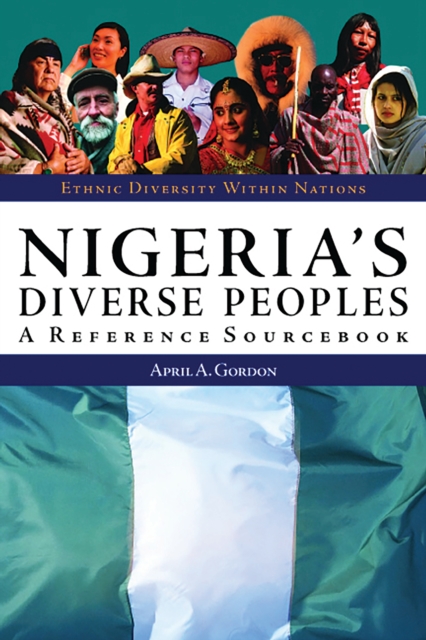
Exploring the history of ethnic, regional, and religious diversity in Nigeria, this volume traces most of the country's current problems to its colonial exploitation.
This book investigates the historical economic and legal regimes that legitimated the resource extraction and exploitation of Africa between the 15th and 19th centuries and led to the continent's trajectory of underdevelopment in the world system.
Originally published in 1959 by a former Governor of Uganda and Head of the Africa Division of the former Colonial Office, this book is a concise exposition of British aims and methods in colonial Africa and the extent of British influence, and the way the region was administered before the war with insufficient staff and money.
This book shows that the connected histories of decolonization and globalization concern the practices of individuals and movements as much as they do the ideologies of states, institutions and organizations.
This book shows that the connected histories of decolonization and globalization concern the practices of individuals and movements as much as they do the ideologies of states, institutions and organizations.
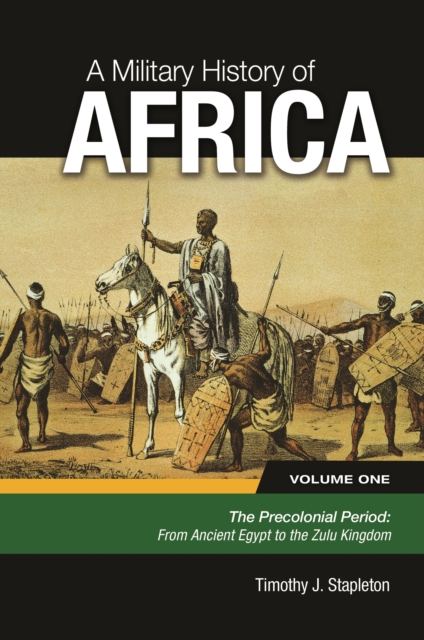
Two volumes introduce the history of colonial wars in Africa and illustrate why African countries like the Democratic Republic of Congo, Nigeria, Somalia, and Sudan continue to experience ethnic, political, and religious violence in the early 21st century.
A major new history of how African nations, starting in the 1960s, sought to reclaim the art looted by Western colonial powers For decades, African nations have fought for the return of countless works of art stolen during the colonial era and placed in Western museums.
Ein Reisebericht zwischen Roadtrip und Zeitreise: auf historischen Spuren durch AfrikaZwischen zwei Jobs fällt dem Journalisten Simon Riesche die Reiseerzählung eines Mannes in die Hände, der 1907 versuchte, als Erster Afrika mit einem Auto zu durchqueren.
Research into the history of Christian missions in the context of colonialism has focused primarily on missions as institutions and on the ways in which people were integrated into the economic, political and ideological spheres of imperial powers.
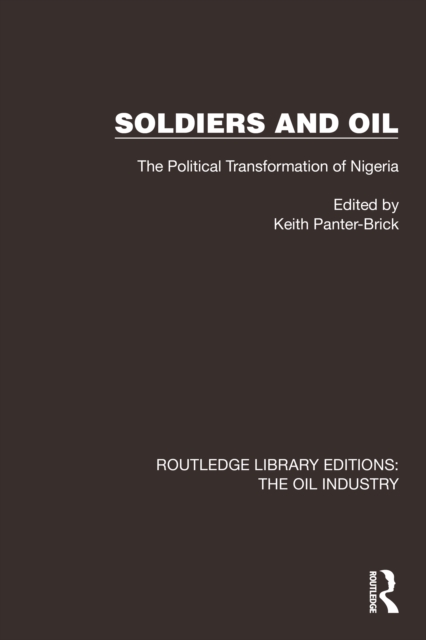
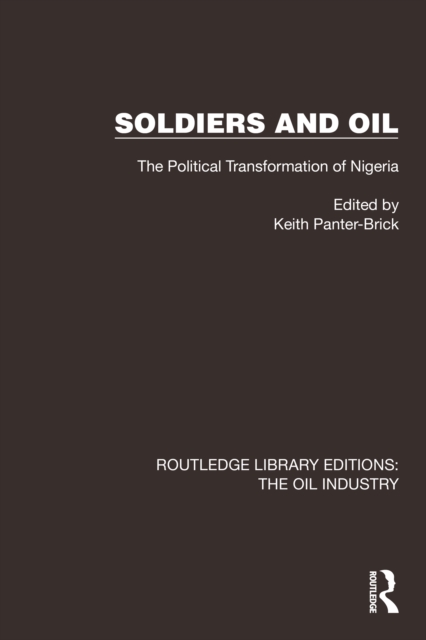
Soldiers and Oil (1978) examines Nigeria under military rule from 1966 to 1978, a period of political change as well as economic - the period also saw a twenty-fold increase in Nigerian oil revenues.
Soldiers and Oil (1978) examines Nigeria under military rule from 1966 to 1978, a period of political change as well as economic - the period also saw a twenty-fold increase in Nigerian oil revenues.
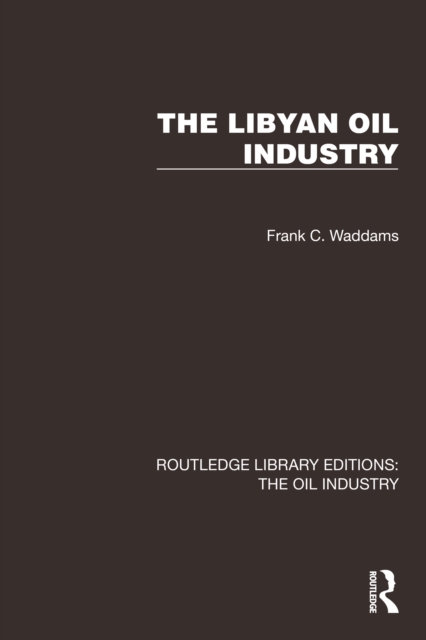
The Libyan Oil Industry (1980) gives a narrative and analysis of the economic consequences of the discovery and production of oil in Libya, from the searches for oil by the major oil companies to the establishment of Libya as one of the main exporters in the world.
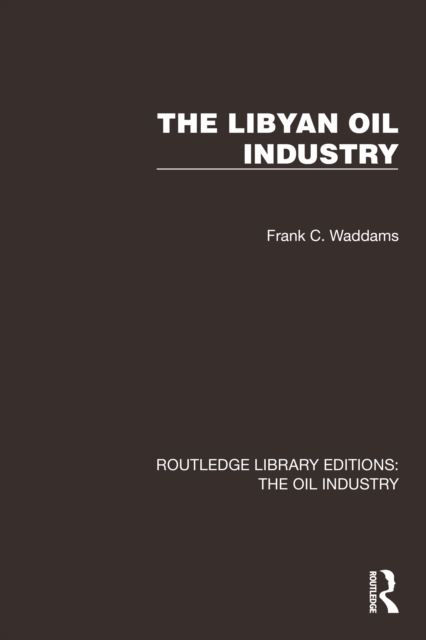
The Libyan Oil Industry (1980) gives a narrative and analysis of the economic consequences of the discovery and production of oil in Libya, from the searches for oil by the major oil companies to the establishment of Libya as one of the main exporters in the world.
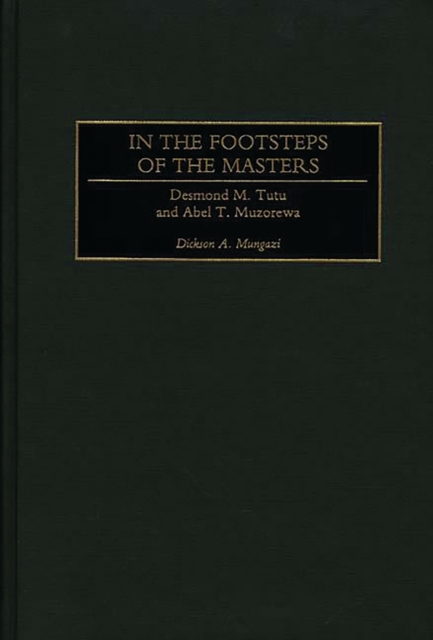
The height of colonial rule on the African continent saw two prominent religious leaders step to the fore: Desmond Tutu in South Africa, and Abel Muzorewa in Zimbabwe.
Originally published in 1975, this volume reassesses the historical, political and social role of African workers and examines the extent to which a working class has formed and undertaken collective action in various parts of Africa.
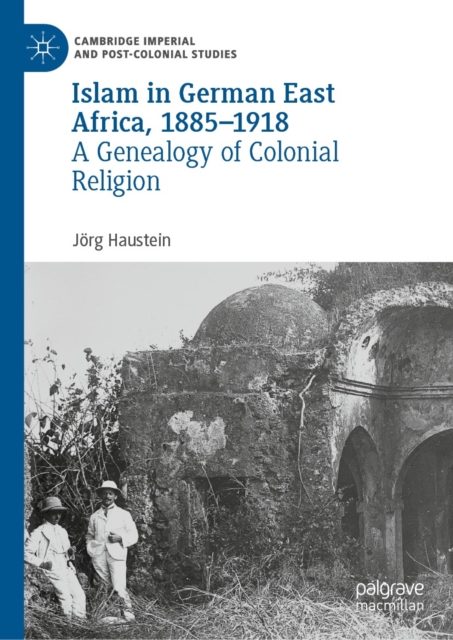
In this rich and multi-layered deconstruction of German colonial engagement with Islam, Jorg Haustein shows how imperial agents in Germany's largest colony wielded the knowledge category of Islam in a broad set of debates, ranging from race, language, and education to slavery, law, conflict, and war.
Originally published in 1975, this volume reassesses the historical, political and social role of African workers and examines the extent to which a working class has formed and undertaken collective action in various parts of Africa.
This account of the development of modern South African society seeks to establish the geographical and historical context in which change has taken place.
This account of the development of modern South African society seeks to establish the geographical and historical context in which change has taken place.
In this rich and multi-layered deconstruction of German colonial engagement with Islam, Jorg Haustein shows how imperial agents in Germany's largest colony wielded the knowledge category of Islam in a broad set of debates, ranging from race, language, and education to slavery, law, conflict, and war.
Membering the Rhodesian Linguistic Agenda in Zimbabwe reports on a study carried out in Zimbabwe to ascertain the degree and effect of honouring the colonial linguistic agenda.
Membering the Rhodesian Linguistic Agenda in Zimbabwe reports on a study carried out in Zimbabwe to ascertain the degree and effect of honouring the colonial linguistic agenda.
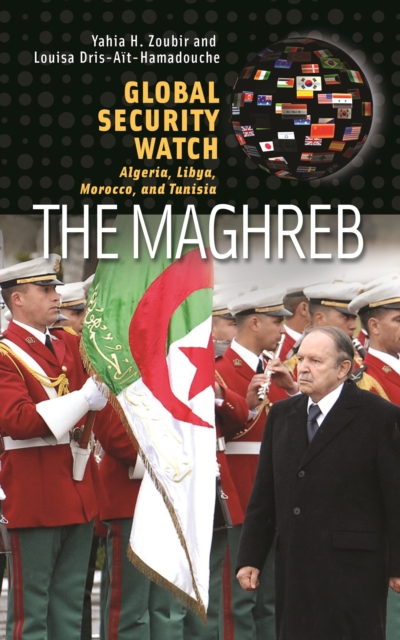
An unprecedented analysis of how the liberation from colonial rule has threatened the Maghreb region of Africa and created political and social challenges that puts global security at risk.
Written lucidly and simply to serve as an introduction to the study of the African continent from a human population perspective, this book demonstrates important factors in the ebb and flow of group size and structure using the example of the fastest growing region in the world.
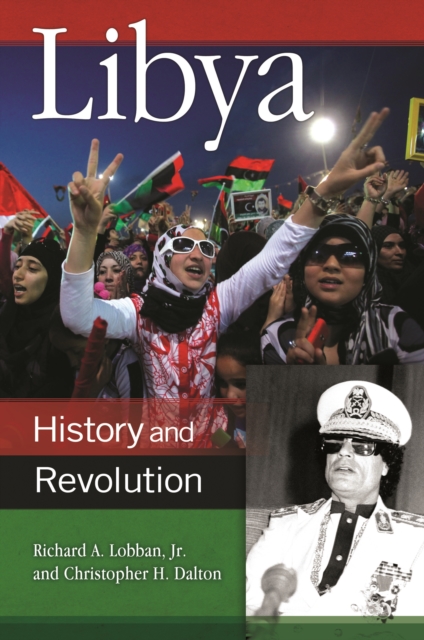
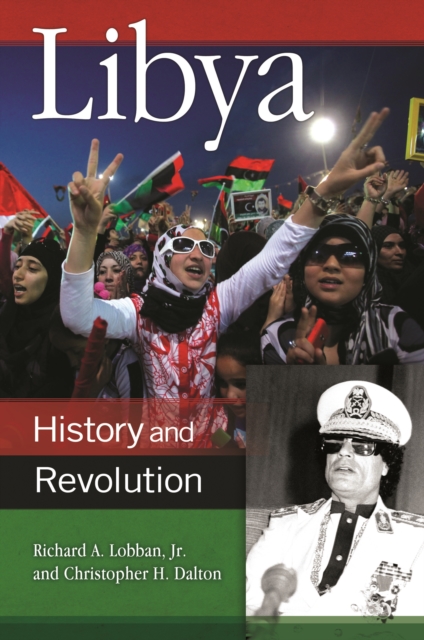
This narrative chronicles Libya's, and to a vast extent Muammar Gaddafi's, remarkable past, meteoric rise to prominence, and convoluted reign, and introduces potential scenarios that may play out in the near term.
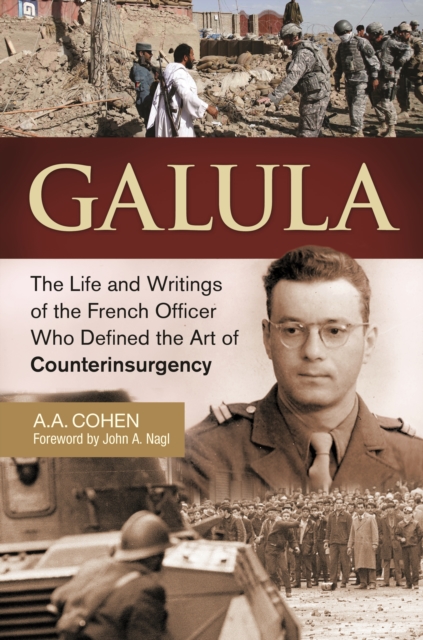
This comprehensive analytical biography is the definitive work on the life and writings of history's most significant counterinsurgency doctrinaire, David Galula, elucidating the context for his reflections and examining the present and future applicability of his treatise for scholars and practitioners alike.
This narrative chronicles Libya's, and to a vast extent Muammar Gaddafi's, remarkable past, meteoric rise to prominence, and convoluted reign, and introduces potential scenarios that may play out in the near term.
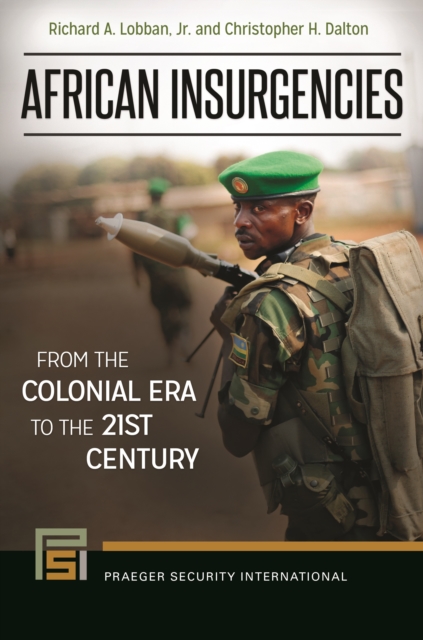
Presenting a continent-wide comparative analysis of ethnic, political, and colonially based insurgencies, this text examines the causes, tactics, outcomes, and key individuals of African insurgent events and assesses a range of foreseeable outcomes in Africa's multiple regions of continuing political instability.
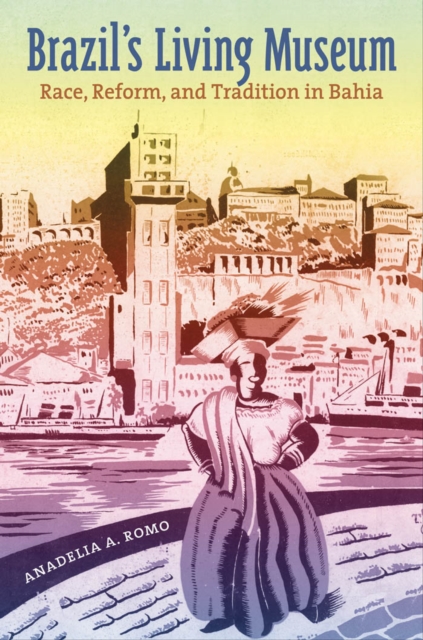
Brazils northeastern state of Bahia has built its economy around attracting international tourists to what is billed as the locus of Afro-Brazilian culture and the epicenter of Brazilian racial harmony.
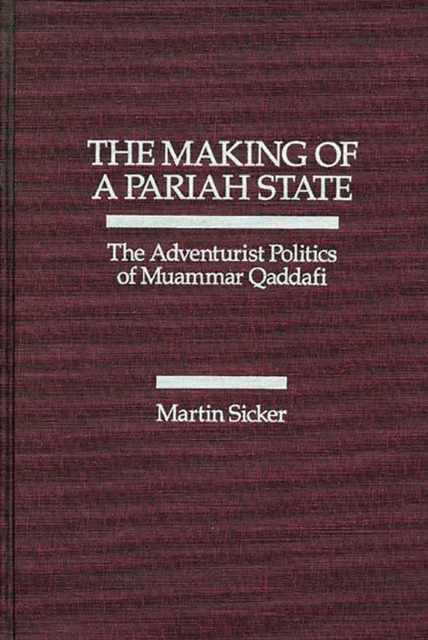
The Making of a Pariah State takes the reader behind the flamboyance and apparent irrationality of Libyan leader Muammar Qaddafi to expose his attempt to impose national cohesion on the Arab, Muslim, and Third World elements under his leadership.
This book, originally published in 1967 looks at political institutions in Nigeria, Ghana, Sierra Leone, Liberia and Gambia a the time of the establishment of alien rule and goes on to discuss in detail constitutional developments from 1919 to the late 20th Century, paying particular attention to the constitutional arrangements of the Commonwealth West African countries after Independence.
This book, originally published in 1967 looks at political institutions in Nigeria, Ghana, Sierra Leone, Liberia and Gambia a the time of the establishment of alien rule and goes on to discuss in detail constitutional developments from 1919 to the late 20th Century, paying particular attention to the constitutional arrangements of the Commonwealth West African countries after Independence.