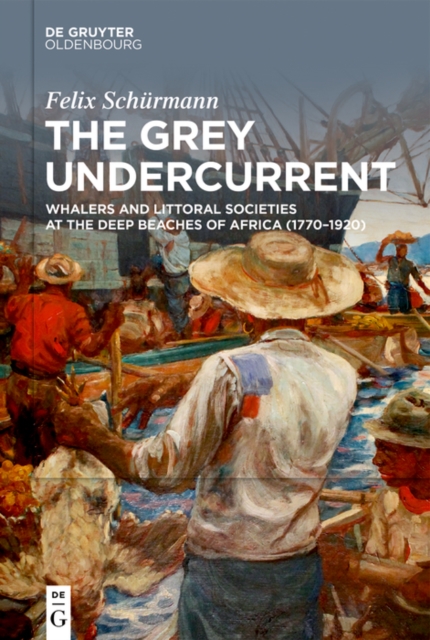
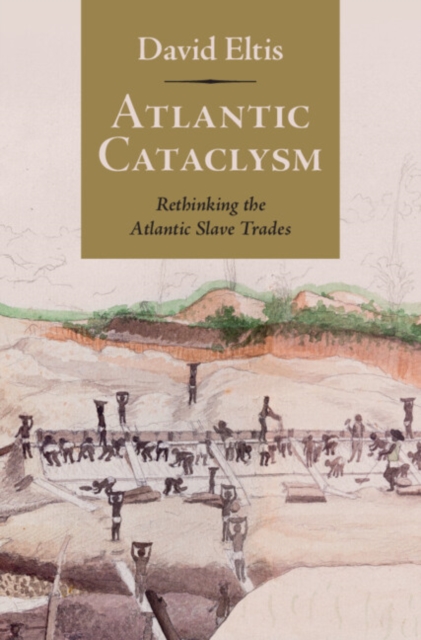
By extending their voyages to all oceans from the 1760s onward, whaling vessels from North America and Europe spanned a novel net of hunting grounds, maritime routes, supply posts, and transport chains across the globe.
Written as a tribute to the revolutionary intellectual and leader Mzala Nxumalo, this book discusses the significance of his work in the context of contemporary South African left politics.
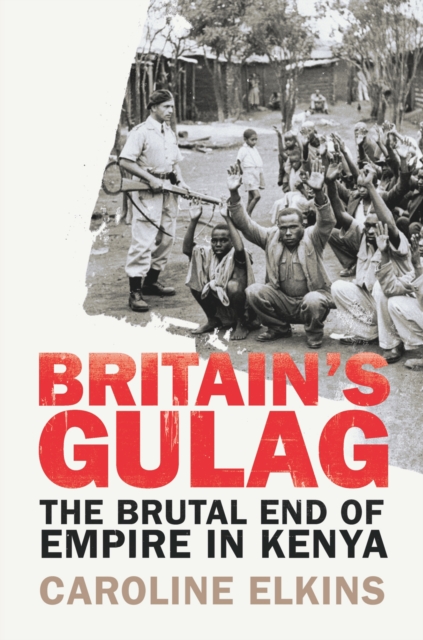
Only a few years after Britain defeated fascism came the Mau Mau uprising in Kenya - a mass armed rebellion by the Kikuyu people, demanding the return of their land and freedom.
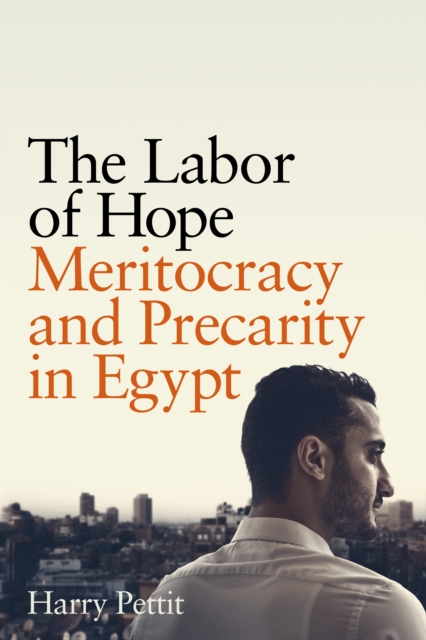
Technological advancements, expanding education, and unfettered capitalism have encouraged many around the world to aspire to better lives, even as declines in employment and widening inequality are pushing more and more people into insecurity and hardship.
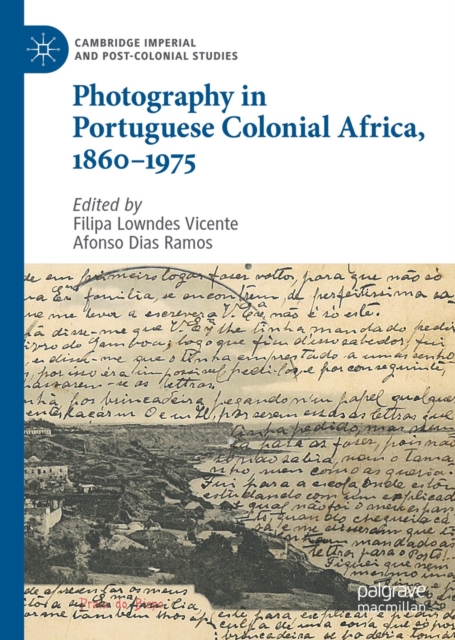
This edited collection presents the first critical and historical overview of photography in Portuguese colonial Africa to an English-speaking audience.
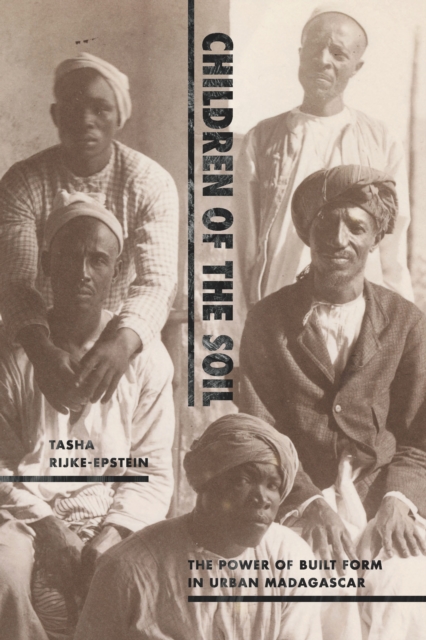
In Children of the Soil, Tasha Rijke-Epstein offers an urban history of the port city of Mahajanga, Madagascar, before, during, and after colonization.
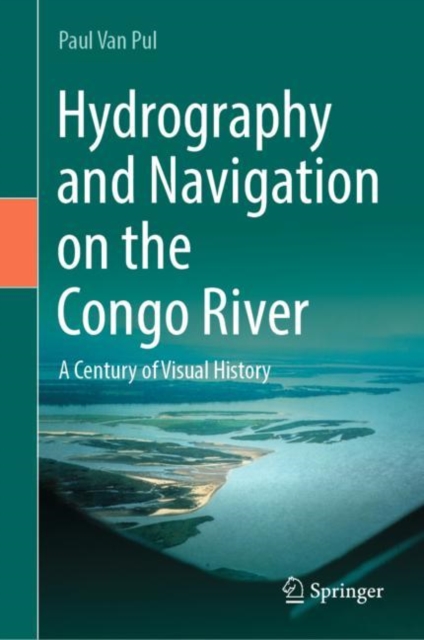
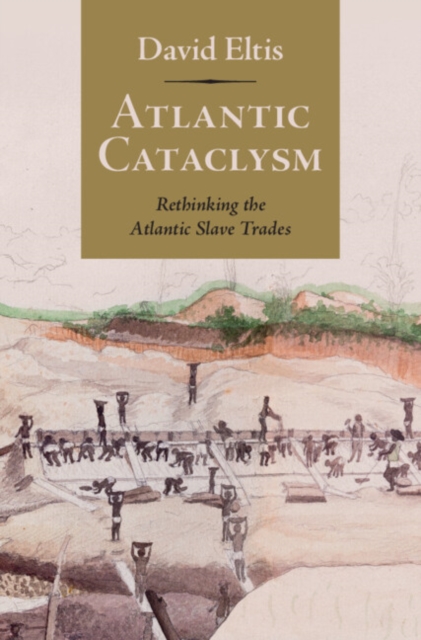
In a time without GPS and echosounder, European engineers and black labourers worked for decades to get a better understanding of the nautical intricacies of the Congo River.
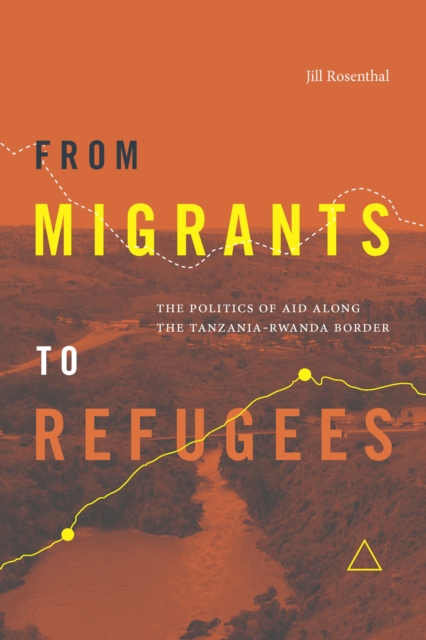
In From Migrants to Refugees Jill Rosenthal tells the history of how Rwandan migrants in a Tanzanian border district became considered either citizens or refugees as nation-state boundaries solidified in the wake of decolonization.
Originally published for the first time in English in 1979 this book represents one of the earliest Marxist analyses of the impact that colonialism had on Africa during the first half century that followed the Scramble.
Guerrillas and Combative Mothers is a narrative of women participating in the armed struggle against apartheid from 1961 to 1994 and their lives in a democratic South Africa.
Originally published for the first time in English in 1979 this book represents one of the earliest Marxist analyses of the impact that colonialism had on Africa during the first half century that followed the Scramble.
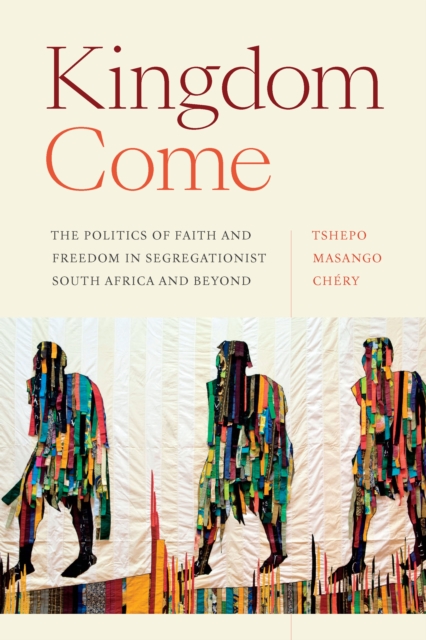
In Kingdom Come, Tshepo Masango Chery charts a new genealogy of early twentieth-century Black Christian activists who challenged racism in South Africa before the solidification of apartheid by using faith as a strategy against global racism.
Technological advancements, expanding education, and unfettered capitalism have encouraged many around the world to aspire to better lives, even as declines in employment and widening inequality are pushing more and more people into insecurity and hardship.
In this collection of essays on African and Caribbean literature, culture, and politics, Ngugi wa Thiong'o delivers a groundbreaking critique of colonialism and capitalism in postcolonial Africa.
This edited collection presents the first critical and historical overview of photography in Portuguese colonial Africa to an English-speaking audience.
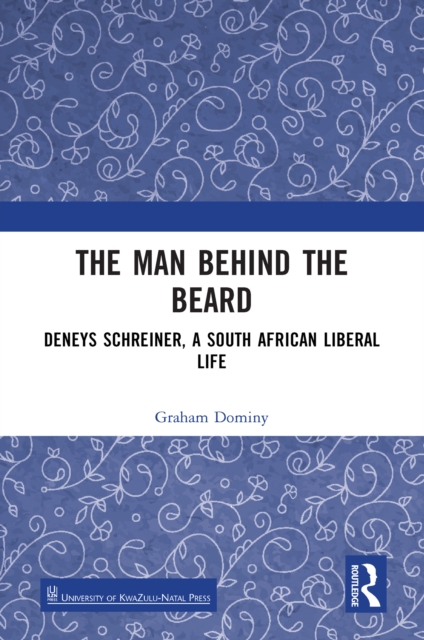
Deneys Schreiner was an academic, a scientist and a man of strong liberal principles, with a good sense of humor and widespread interests in the sciences, arts and public affairs.
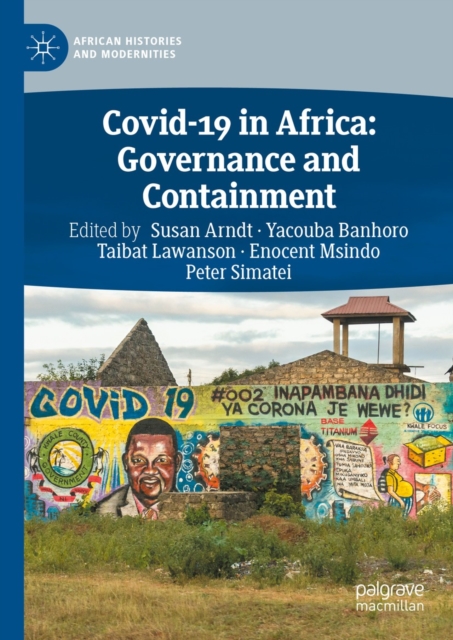
Written amidst the ongoing Covid-19 pandemic, this edited volume draws on the expertise of social scientists and humanities scholars to understand the several ramifications of Covid-19 in societies, politics, and the economies of Africa.
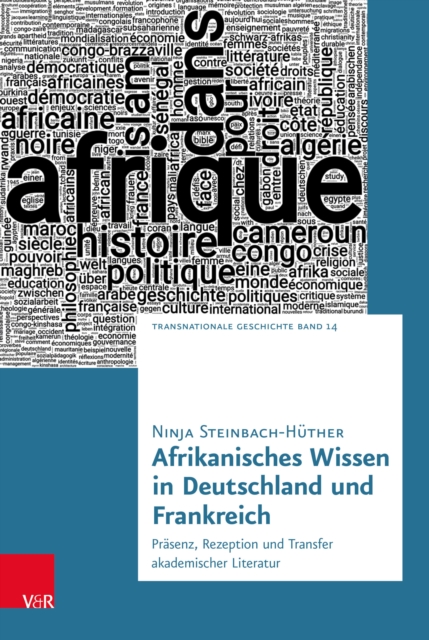
Ninja Steinbach-Hüther stellt die Frage nach dem Platz afrikanischen Wissens auf den Buchmärkten Frankreichs und Deutschlands und untersucht exemplarisch die Präsenz und Rezeption gesellschaftswissenschaftlicher Publikationen afrikanischer Autorinnen und Autoren seit den 1950er Jahren bis zur Gegenwart.
Very Short Introductions: Brilliant, Sharp, Inspiring A pathbreaking analysis of the relationship between Mandela the myth, and Mandela the historical figure, looking at the way images, stories, and politics have been combined to create the iconic image of Mandela that we know today.
Guerrillas and Combative Mothers is a narrative of women participating in the armed struggle against apartheid from 1961 to 1994 and their lives in a democratic South Africa.
In a time without GPS and echosounder, European engineers and black labourers worked for decades to get a better understanding of the nautical intricacies of the Congo River.
For over 30 years, Willy Mutunga has blazed the trail in starting many important public conversations about remaking Kenya and the wider world into a better society.
Deneys Schreiner was an academic, a scientist and a man of strong liberal principles, with a good sense of humor and widespread interests in the sciences, arts and public affairs.
Originally published in 1959 by a former Governor of Uganda and Head of the Africa Division of the former Colonial Office, this book is a concise exposition of British aims and methods in colonial Africa and the extent of British influence, and the way the region was administered before the war with insufficient staff and money.
British Paternalism and Africa (1978) is a study of the beliefs and assumptions of members of the British intelligentsia who concerned themselves with British-African politics in the period between the wars.
British Paternalism and Africa (1978) is a study of the beliefs and assumptions of members of the British intelligentsia who concerned themselves with British-African politics in the period between the wars.
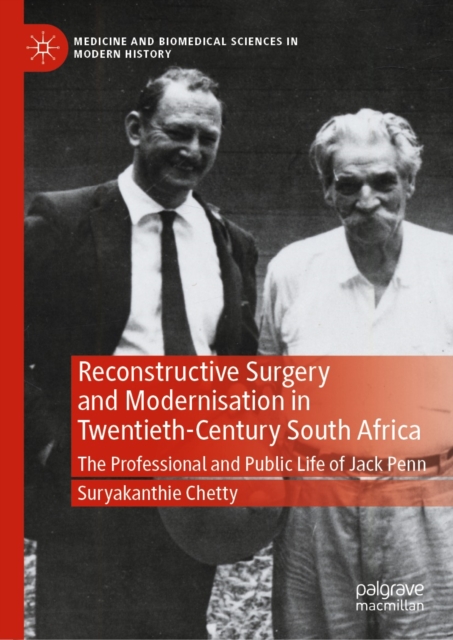
This book traces the career of pioneering South African plastic and reconstructive surgeon, Jack Penn, from its beginnings during the Second World War.
A broadly interdisciplinary work, this handbook discusses the best and most enduring literature related to the major topics and themes of World War II.
As the population of Africa increasingly converts to Christianity, the church has stepped up its involvement in secular affairs revolving around the transition to democracy in nations such as Zambia, Zimbabwe, and South Africa.
The South African higher education system has historically been characterized by racial and gender inequities inherited from the discriminatory policies of the apartheid era.
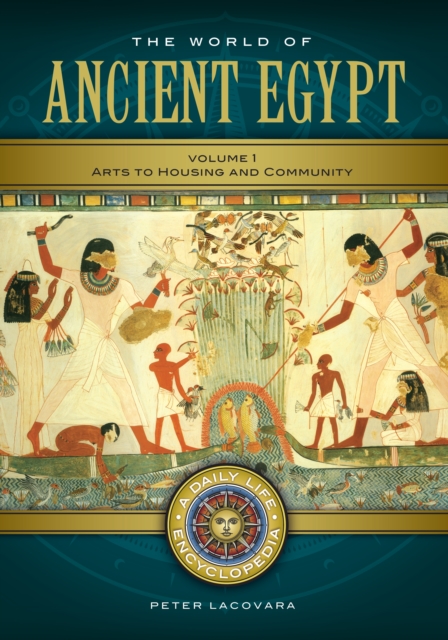
This absorbing reference covers everyday life in ancient Egypt, spanning a period of more than 5,000 years-from the Stone Age to the advent of Christianity.