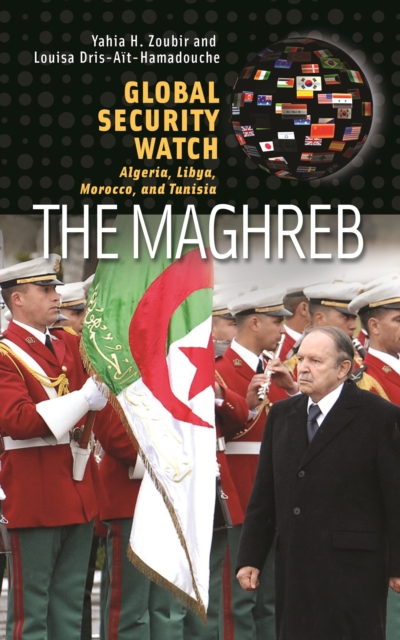
An unprecedented analysis of how the liberation from colonial rule has threatened the Maghreb region of Africa and created political and social challenges that puts global security at risk.
Written lucidly and simply to serve as an introduction to the study of the African continent from a human population perspective, this book demonstrates important factors in the ebb and flow of group size and structure using the example of the fastest growing region in the world.
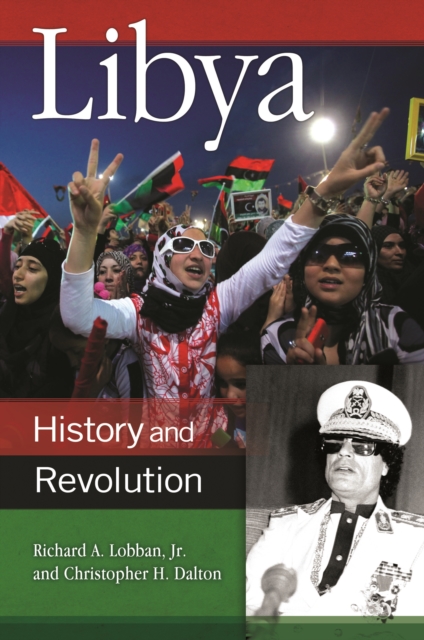
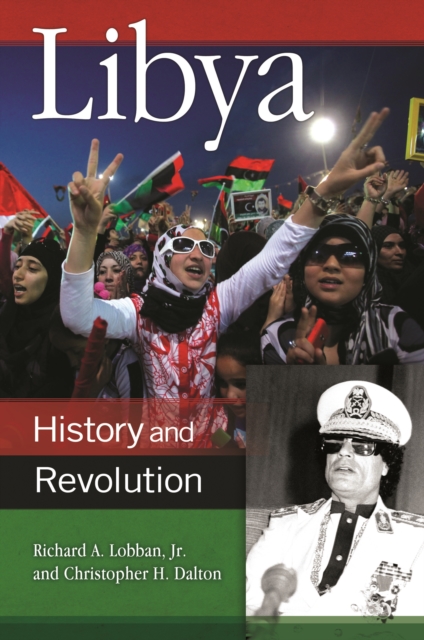
This narrative chronicles Libya's, and to a vast extent Muammar Gaddafi's, remarkable past, meteoric rise to prominence, and convoluted reign, and introduces potential scenarios that may play out in the near term.
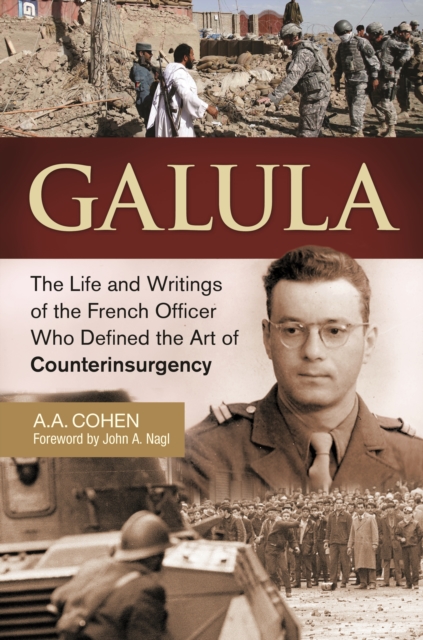
This comprehensive analytical biography is the definitive work on the life and writings of history's most significant counterinsurgency doctrinaire, David Galula, elucidating the context for his reflections and examining the present and future applicability of his treatise for scholars and practitioners alike.
This narrative chronicles Libya's, and to a vast extent Muammar Gaddafi's, remarkable past, meteoric rise to prominence, and convoluted reign, and introduces potential scenarios that may play out in the near term.
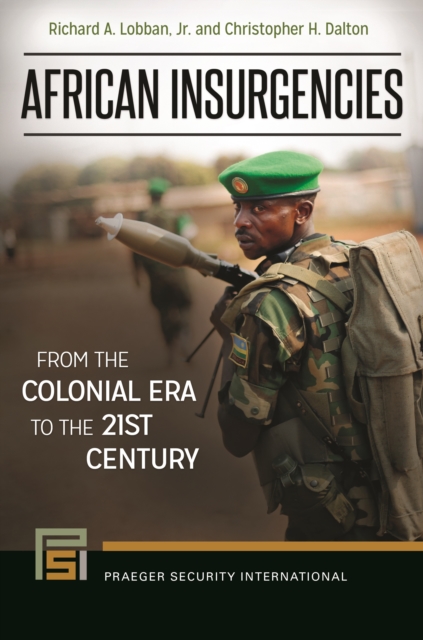
Presenting a continent-wide comparative analysis of ethnic, political, and colonially based insurgencies, this text examines the causes, tactics, outcomes, and key individuals of African insurgent events and assesses a range of foreseeable outcomes in Africa's multiple regions of continuing political instability.
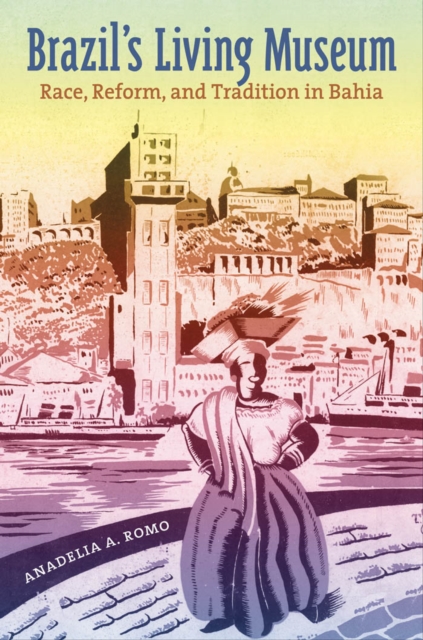
Brazils northeastern state of Bahia has built its economy around attracting international tourists to what is billed as the locus of Afro-Brazilian culture and the epicenter of Brazilian racial harmony.
The Making of a Pariah State takes the reader behind the flamboyance and apparent irrationality of Libyan leader Muammar Qaddafi to expose his attempt to impose national cohesion on the Arab, Muslim, and Third World elements under his leadership.
This book, originally published in 1967 looks at political institutions in Nigeria, Ghana, Sierra Leone, Liberia and Gambia a the time of the establishment of alien rule and goes on to discuss in detail constitutional developments from 1919 to the late 20th Century, paying particular attention to the constitutional arrangements of the Commonwealth West African countries after Independence.
This book, originally published in 1967 looks at political institutions in Nigeria, Ghana, Sierra Leone, Liberia and Gambia a the time of the establishment of alien rule and goes on to discuss in detail constitutional developments from 1919 to the late 20th Century, paying particular attention to the constitutional arrangements of the Commonwealth West African countries after Independence.
This book explores Malawi's recent history in light of longer-term historical developments, contributing important new insights to debates about migration, citizenship, chieftaincy, language, cultural practice, anti-colonialism and nationalism.
This book examines African Latin Christianity from the fifth to the thirteenth century, exploring the complex interactions between local Christian communities and Vandals, Byzantines, and Arabs.
In 1962 when Algeria finally obtained its independence from France after an eight-year guerilla war, it immediately embarked upon a second revolution aimed at destroying the colonial economic and social order.
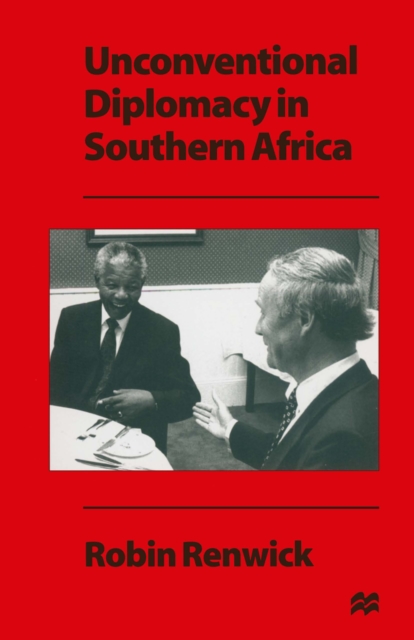
An insider's account of the negotiations which ended the Rhodesia conflict and of the British role in South Africa in the period leading up to the release of Nelson Mandela.
The Ogaden region/Somali state is inhabited by Somalis and is geographically and administratively part of Ethiopia, but its political status remains unsettled.
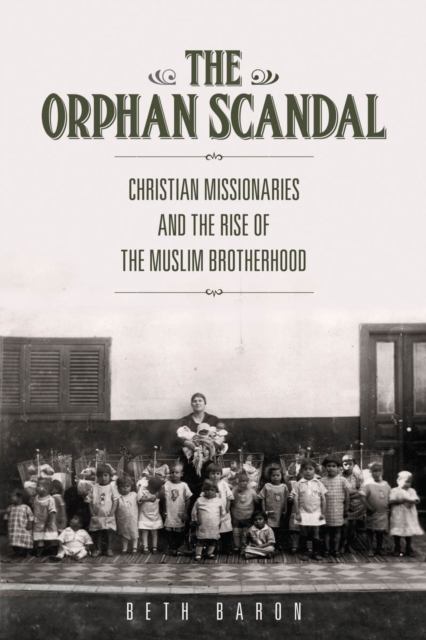
On a sweltering June morning in 1933 a fifteen-year-old Muslim orphan girl refused to rise in a show of respect for her elders at her Christian missionary school in Port Said.
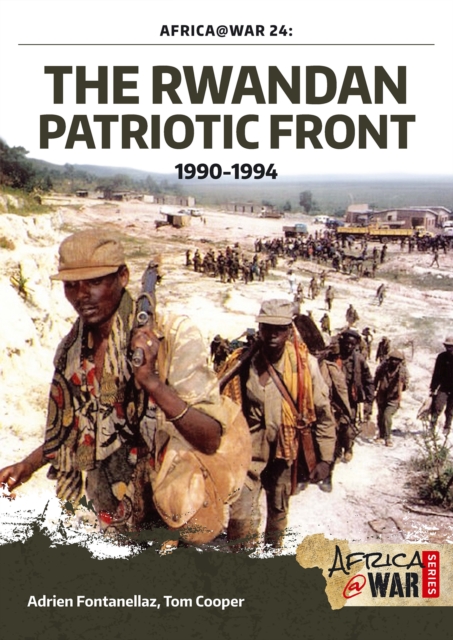
On 1 October 1990, hundreds of Banyarawanda militants that served with the Ugandan Army deserted their posts to form the Rwandan Patriotic Front (RPF) and invade Rwanda.
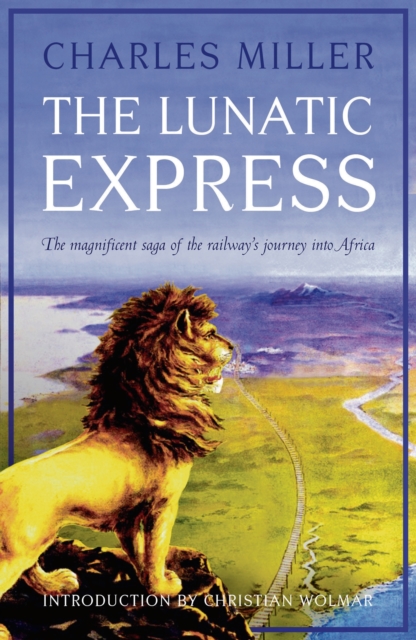
In 1895, George Whitehouse arrived at the east African post of Mombasa to perform an engineering miracle: the building of the Mombasa-Nairobi-Lake Victoria Railway a 600-mile route that was largely unmapped and barely explored.
El primer libro editado por Panenka habla sobre Africa y su futbol, intentando iluminar el relato desbordante, feroz y profundo de un continente demasiadas veces eclipsado.
Este ensayo nos traslada al África Subsahariana, en un principio con un hecho de la etapa colonial americana prácticamente desconocido donde Buenos Aires, por entonces capital del Virreinato del Río de la Plata, debía administrar e incorporar bajo su jurisdicción esos territorios del continente africano.
This book is an account of the changing social and political structure of the Hassaniya and Hissinat, two Sudanese Arabic speaking tribes inhabiting the northern part of the White Nile Province in the Sudan.
This book is an account of the changing social and political structure of the Hassaniya and Hissinat, two Sudanese Arabic speaking tribes inhabiting the northern part of the White Nile Province in the Sudan.
Voices of Freedom: The Middle East and North Africa showcases essays from activists, journalists, novelists, and scholars whose areas of expertise include free speech, peace and reconciliation, alterity-otherness, and Middle Eastern and North African religions and literatures.
Egypt has undergone significant economic liberalization under the auspices of the International Monetary Fund, the World Bank, USAID, and the European Commission.
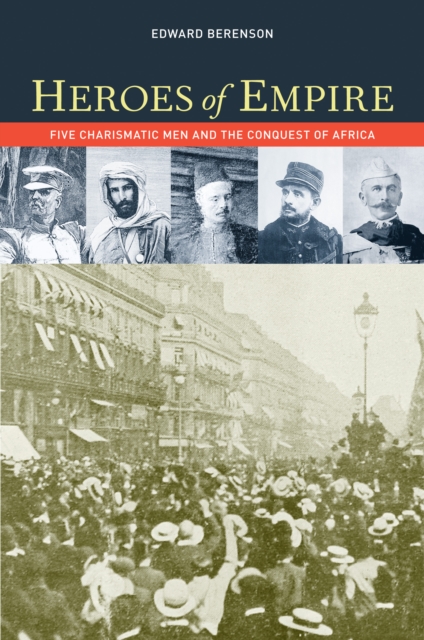
A groundbreaking history of the last days of the French empire in AfricaAs the French public debates its present diversity and its colonial past, few remember that between 1946 and 1960 the inhabitants of French colonies possessed the rights of French citizens.
The Republic of Sudan's former Culture Minister and a leading architect in the movement to gain independence for South Sudan, Bona Malwal, provides a factual and personal account of the break up of Sudan.