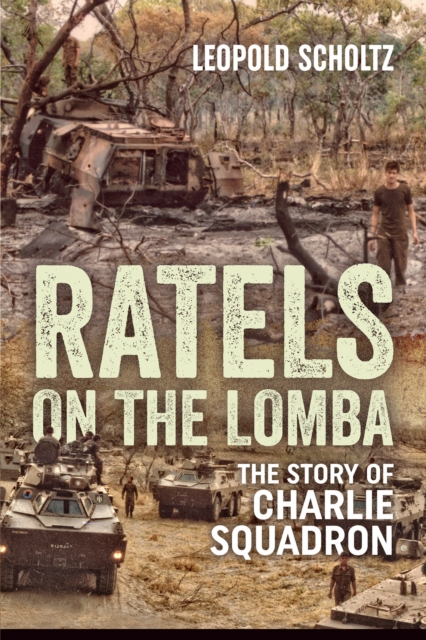
Charlie Squadron – the iron fist of the South African Defense Force’s 61 Mechanised Battalion Group – led the way on 3 October 1987 during the climactic battle on the Lomba River in Southern Angola.
After the Vietnam War ground to a bloody halt, long after the boys were officially sent home, evidence remained that over 2,000 American soldiers were still missing in Southeast Asia.
In the decades before colonial partition in Africa, the Church Missionary Society embarked on the first serious effort to evangelize in an independent Muslim state.
This book updates African maritime economic history to analyse the influence of seaports and seaborne trade, processes of urbanization and development, and the impact of globalization on port evolution within the different regions of Africa.
This book is the first major work to explore the utility of the border as a theoretical, methodological, and interpretive construct for understanding colonial public health by considering African experiences in the Zimbabwe-Mozambique borderland.
This volume addresses the Out-of-Africa dispersals of the earliest hominins and early anatomically modern humans, the last semi-sedentary, pottery-bearing hunters-fishers-gatherers, the early food producers and users of domestic plants and animals either local or imported from the Near East, and the presuppositions of the rise of the kingdoms of Kerma, Pharaonic Egypt, and Axum on the basis of the latest available data.
From Darfur to the Rwandan genocide, journalists, policymakers, and scholars have blamed armed conflicts in Africa on ancient hatreds or competition for resources.
This book examines how and why Portugal and Spain increasingly engaged with women in their African colonies in the crucial period from the 1950s to the 1970s.
This book examines the representation of figures, memories and images of childhood in selected contemporary diasporic African fiction by Adichie, Abani, Wainaina and Oyeyemi.
This book explores the experiences of 'Indo-Mozambicans,' citizens and residents of Mozambique who can trace their origins to the Indian subcontinent, a region affected by competing colonialisms during the twentieth century.
This book is the first English translation of Felice di Michele Brancacci's diary of his 1422 mission to the court of Sultan Al-Ashraf Seyf-ad-Din Barsbay of Egypt.
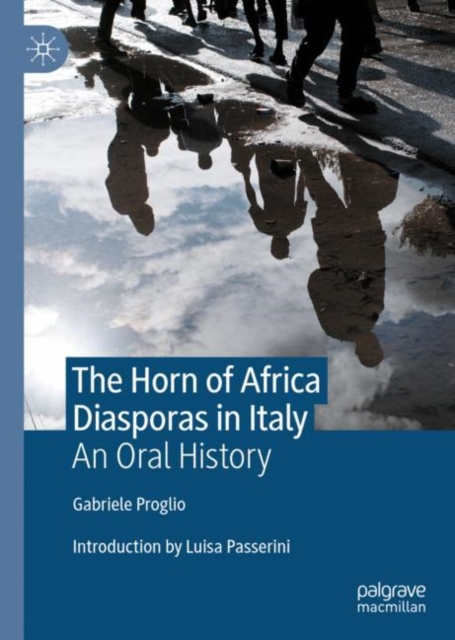
This book delves into the history of the Horn of Africa diaspora in Italy and Europe through the stories of those who fled to Italy from East African states.
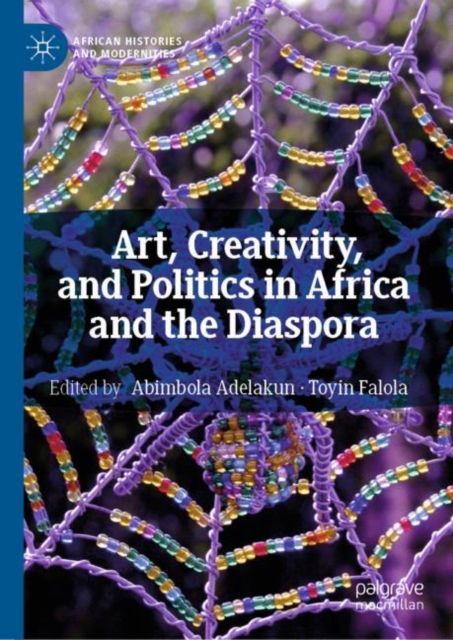
This book explores the politics of artistic creativity, examining how black artists in Africa and the diaspora create art as a procedure of self-making.
This volume presents an account of how people in sub-Saharan Africa have fared under changing life circumstances of the past centuries until the present.
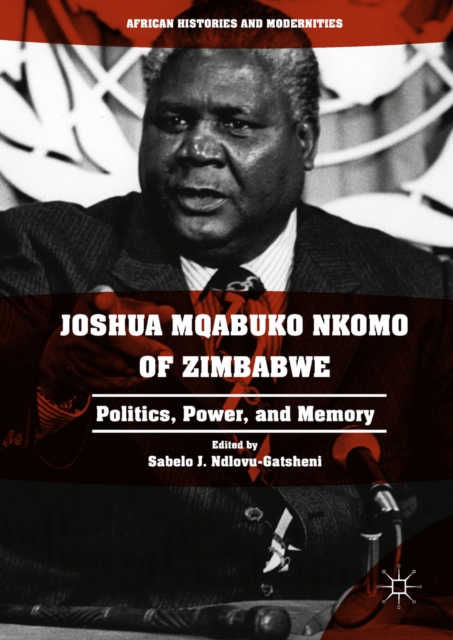
This book is a pioneering study of Joshua Mqabuko Nkomo, a Zimbabwean nationalist whose crucial role in the country's anti-colonial struggle has largely gone unrecognized.
This book argues that capitalism has practically failed to deliver the long-desired economic transformation and inclusive development in postcolonial Africa.
These essays reexamine European forts in West Africa as hubs where different peoples interacted, negotiated and transformed each other socially, politically, culturally, and economically.
This book examines the role of foreign languages and cultures in the Algerian educational system, highlighting how cultural imperialism and supremacy persist through damaging language ideologies and the privileging of colonial languages such as French and English.
The book examines popular fiction columns, a dominant feature in Kenyan newspapers, published in the twentieth century and examines their historical and cultural impact on Kenyan politics.