Although the reception of the Eastern Father Gregory of Nyssa has varied over the centuries, the past few decades have witnessed a profound awakening of interest in his thought.
Global Africa is a striking, original volume that disrupts the dominant narratives that continue to frame our discussion of Africa, complicating conventional views of the region as a place of violence, despair, and victimhood.
Utilizing narratives of seven different people-soldier, rebel, student, trader, evangelist, father, and politician-I Did it To Save My Life provides fresh insight into how ordinary Sierra Leoneans survived the war that devastated their country for a decade.
When France both hosted and won the World Cup in 1998, the face of its star player, Zinedine Zidane, the son of Algerian immigrants, was projected onto the Arc de Triomphe.
Once lauded as the wave of the African future, Zambia's economic boom in the 1960s and early 1970s was fueled by the export of copper and other primary materials.
This fourth edition of this best-selling core history textbook offers a richly illustrated, single volume, narrative introduction to African history, from a hugely respected authority in the field.
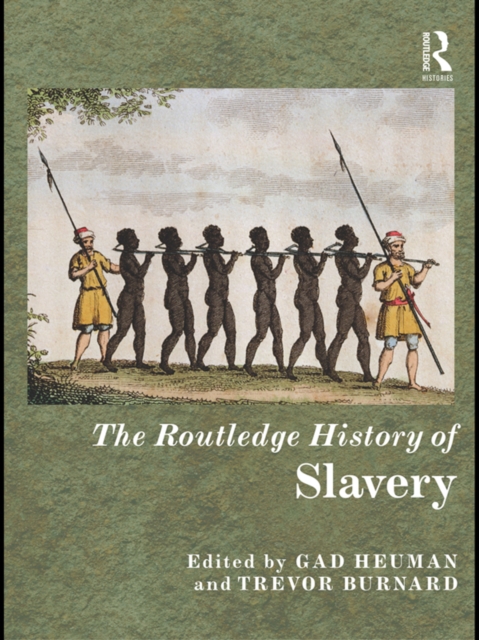
The Routledge History of Slavery is a landmark publication that provides an overview of the main themes surrounding the history of slavery from ancient Greece to the present day.
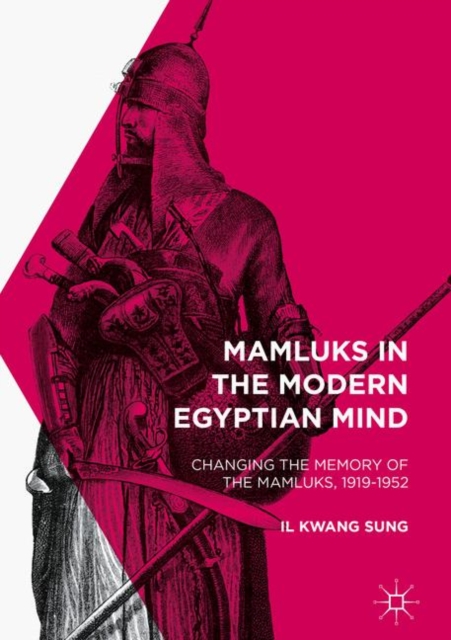
This book explores how modern Egyptians understand the Mamluks and reveals the ways in which that historical memory is utilized for political and ideological purposes.
During the 1920s and 1930s, anthropologists and folklorists became obsessed with uncovering connections between African Americans and their African roots.
In this transnational account of black protest, Nicholas Grant examines how African Americans engaged with, supported, and were inspired by the South African anti-apartheid movement.
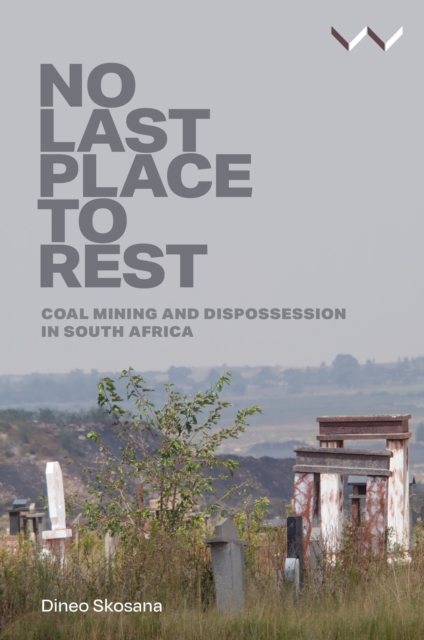
No Last Place to Rest: Coal Mining and Dispossession in South Africa is an exploration of the ongoing struggles faced by families whose lives have been upended by the relentless expansion of coal mining operations in the Mpumalanga and KwaZulu-Natal provinces.
Living with the Law explores the marital disputes of Jews in medieval Islamic Egypt (1000-1250), relating medieval gossip, marital woes, and the voices of men and women of a world long gone.
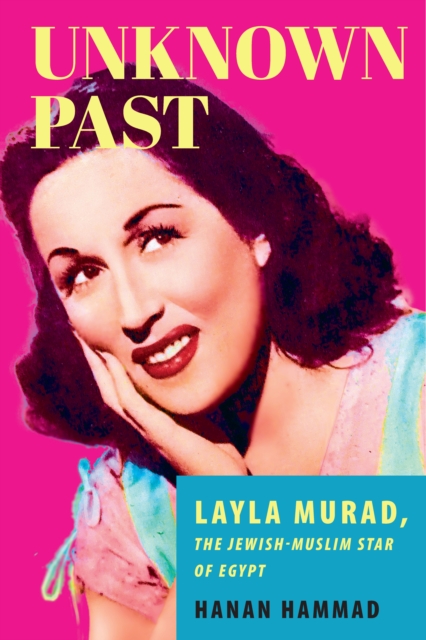
A biography of the "e;Cinderella"e; of Egyptian cinema-the veneration and rumors that surrounded an unparalleled career, and the gendered questions that unsettled Egyptian society.
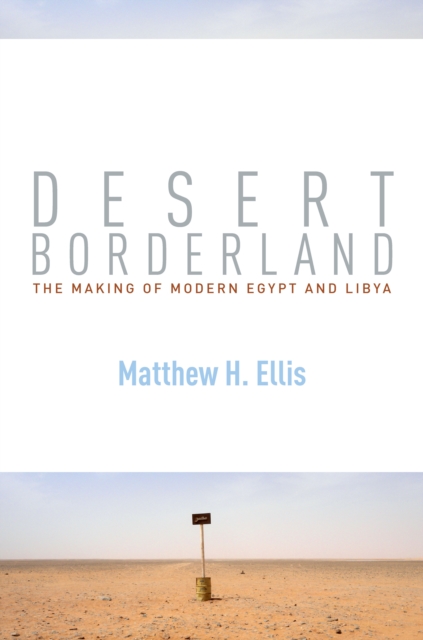
Desert Borderland investigates the historical processes that transformed political identity in the easternmost reaches of the Sahara Desert in the half century before World War I.
Copts and the Security State combines political, anthropological, and social history to analyze the practices of the Egyptian state and the political acts of the Egyptian Coptic minority.
In the mid-nineteenth century, as European navies learned to neutralize piracy, new patterns of circulation and settlement became possible in the western Mediterranean.
World War II had many superlatives, but none like Operation Torch-a series of simultaneous amphibious landings, audacious commando and paratroop assaults, and the Atlantic's biggest naval battle, fought across a two thousand mile span of coastline in French North Africa.
This extraordinary biography of the Algerian warrior and Sufi saint, Emir Abd el-Kader (1807/8-1883), shows his dazzling spiritual qualities in the fight against the French colonial authorities.
In December of 1914, veteran Boer commander General Louis Botha landed his forces on the coast of German South West Africa to finish off the colony’s Schutztruppe defenders.
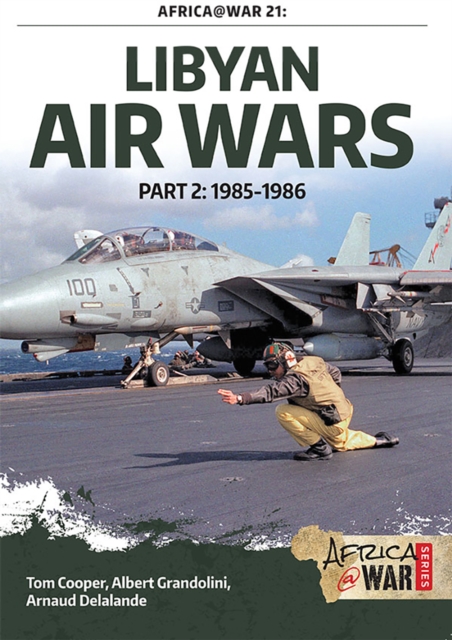
While the first volume in this mini-series spanned the first decade of confrontations between Libya and several of its neighbors, but foremost the USA and France, between 1973 and 1985, the second is to cover the period of less than a year – between mid-1985 and March 1986, when this confrontation reached its first climax.
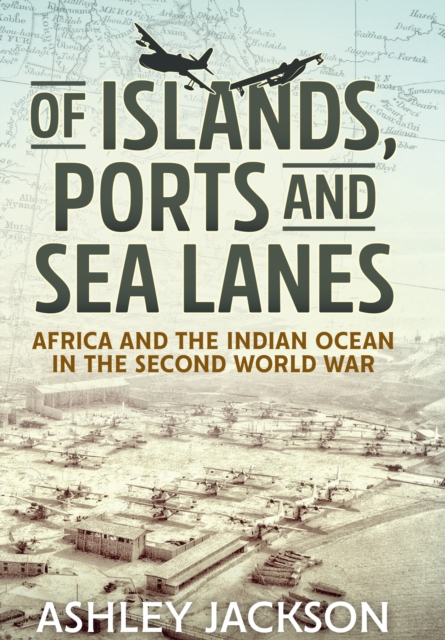
Of Islands, Ports, and Sea Lanes,/i> explains the operational and strategic importance of the ports and sea lanes of Africa and the Indian Ocean during the Second World War.