A new translation that captures the gripping power of one of the greatest war stories ever told-Julius Caesar's pitiless account of his brutal campaign to conquer GaulImagine a book about an unnecessary war written by the ruthless general of an occupying army-a vivid and dramatic propaganda piece that forces the reader to identify with the conquerors and that is designed, like the war itself, to fuel the limitless political ambitions of the author.
The first volume of the New York Times-bestselling author's monumental and unprecedented history: "e;Consistently thought-provoking"e; (The New York Review of Books).
Dive into the rich world of classical scholarship with California Studies in Classical Antiquity: Volume 10, a compelling collection of essays that explore diverse aspects of ancient history, literature, and culture.
Reprint of a classic work of ancient military history Traces the origins of Sparta's unique training, tactics, and organization that made it the master of Greek battlefields Clear analysis of battles such as Thermopylae, Plataea, Mantinea, and Leuktra Spartan warriors continue to influence modern militaries, including the U.
The first eight studies in this volume seek to address a series of questions concerning the emergence and the role of the military orders in the 12th and 13th centuries: the reasons for the appearance of the institution, the recruitment and instruction of novices, and, though the military orders were predominantly male organisations, the role of women within them.
Twenty-five thousand years ago, sea level fell more than 400 feet below its present position as a consequence of the growth of immense ice sheets in the Northern Hemisphere.
Four thousand years ago, Egyptian society struggled with the downfall of the Old Kingdom, which brought an end to material success and introduced anarchy and chaos.
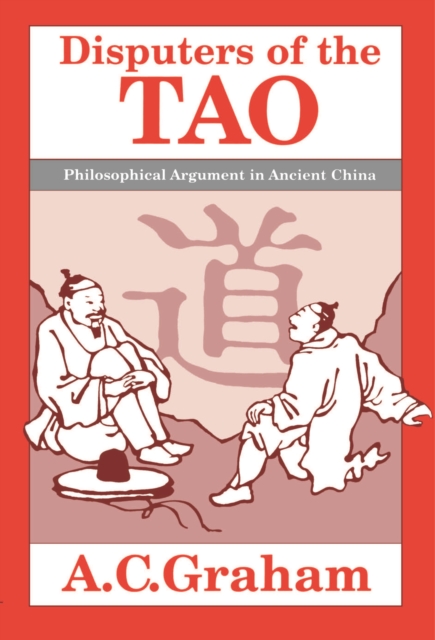
"e;A history of Chinese philosophy in the so-called Axial Period (the period of classical Greek and Indian philosophy), during which time China evolved the characteristic ways of thought that sustained both its empire and its culture for over 2000 years.
Paul's letter to the Philippians has often been read as one of the apostle's clearest denials of his (previous) Jewish identity in order to preempt the "e;Judaizing"e; tactics of false teachers who might infiltrate the congregation.
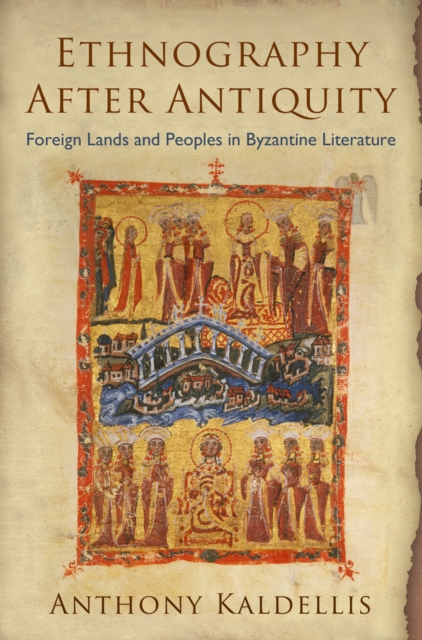
Although Greek and Roman authors wrote ethnographic texts describing foreign cultures, ethnography seems to disappear from Byzantine literature after the seventh century C.
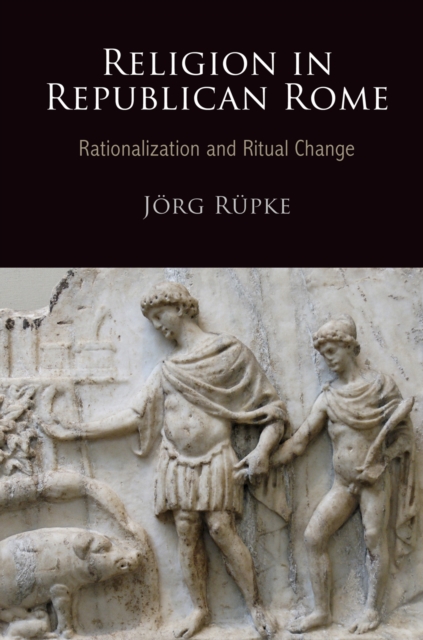
Roman religion as we know it is largely the product of the middle and late republic, the period falling roughly between the victory of Rome over its Latin allies in 338 B.
For centuries, Christians have wrestled with how to witness faithfully to the peaceable kingdom of God, while also living as citizens within an earthly nation-state.
Focusing in turn on history, powerful individuals, under-represented voices and the arts, the essays in this collection cover a wide variety of modern and contemporary narrative fiction from Jo Walton and L.
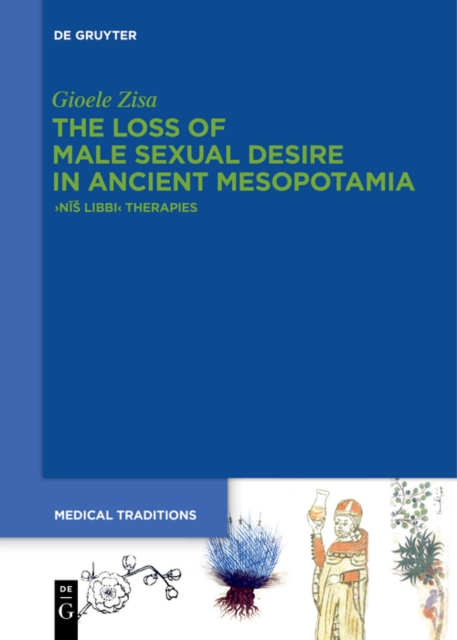
After more than fifty years since the last publication, the cuneiform texts relating to the treatment of the loss of male sexual desire and vigor in Mesopotamia are collected in this volume.
This book explores the ways in which the origins of time, of the gods, and processes associated with time were conceptualised in antiquity, examining a variety of ancient sources from across the ancient world and addressing issues surrounding the sources themselves.
Das zentrale Element der Meistererzählung über den Anfang Griechenlands, die Einwanderung von Stämmen des Volks der Griechen aus dem Norden, wird in diesem Buch mit Hilfe der analytischen Instrumente der intentionalen Geschichte, Ethnizität und Ethnogenese als problematisch erwiesen.
Herodotus' 'The Histories' is a seminal work in the realm of historical literature, often credited as one of the first examples of a comprehensive account of past events.
This volume contains 20 peer-reviewed papers highlighting historical, social and cultural episodes, conditions, and trends of the Empire during the reign of Septimius Severus, the last great emperor to lead the Romans prior to the third century crisis.