An introduction to the history of early Christianity, this reference provides roughly 60 primary source documents from the first five centuries of the Christian Era, each accompanied by explanatory material.
California Studies in Classical Antiquity: Volume 2 presents a captivating collection of scholarly essays that examine a wide range of topics from ancient Greek and Roman history, literature, and culture.
Since the eighteenth century, scholars and historians studying the texts of the Bible have attempted to distil historical facts and biography from the mythology and miracles described there.
With contributions spanning from the Neolithic Age to the Iron Age, this book offers important insights into the religions and ritual practices in ancient Egyptian and Near Eastern communities through the lenses of their material remains.
In this book, well-renowned international scholars discuss topics related to various aspects of the history of the Battle of Salamis, inspired by the democratic origins of the Greek naval victory at Salamis.
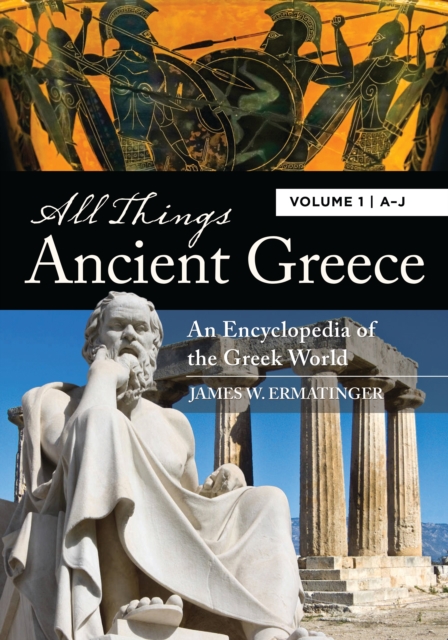
As an invaluable resource for students and general audiences investigating Ancient Greek culture and history, this encyclopedia provides a thorough examination of the Mediterranean world and its influence on modern society.
This volume reflects the different methods and new approaches to the study of Byzantine history that have characterized the work of Paul Speck, to whom it is dedicated, and above all, his insistence on a close reading and careful interpretation of the sources.
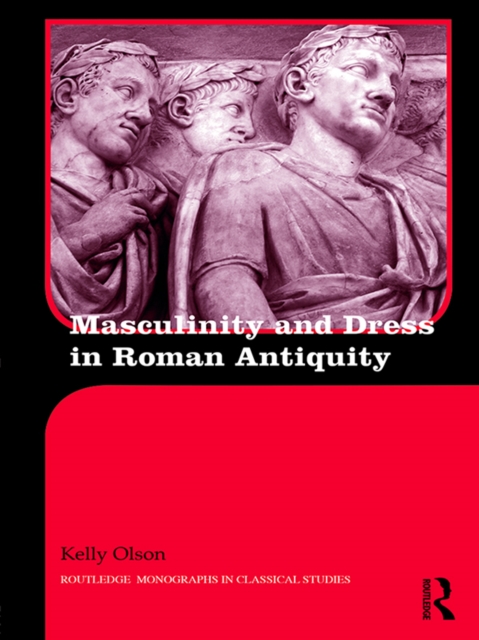
In Masculinity and Dress in Roman Antiquity, Olson argues that clothing functioned as part of the process of communication by which elite male influence, masculinity, and sexuality were made known and acknowledged, and furthermore that these concepts interconnected in socially significant ways.
Crusades covers seven hundred years from the First Crusade (1095-1102) to the fall of Malta (1798) and draws together scholars working on theatres of war, their home fronts and settlements from the Baltic to Africa and from Spain to the Near East and on theology, law, literature, art, numismatics and economic, social, political and military history.
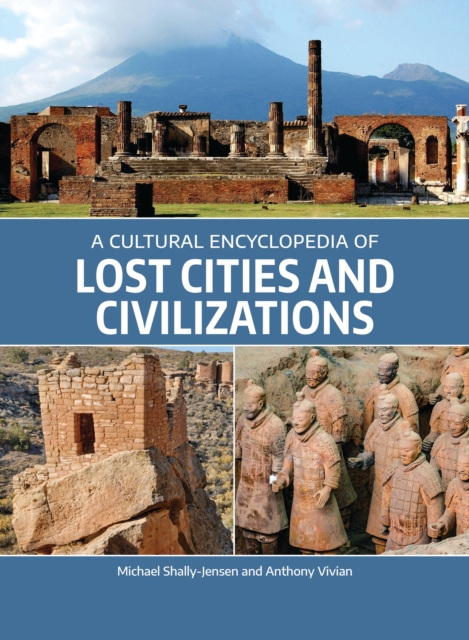
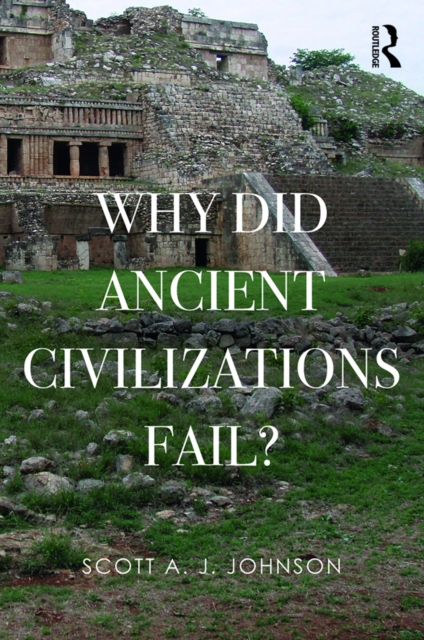
Ideas abound as to why certain complex societies collapsed in the past, including environmental change, subsistence failure, fluctuating social structure and lack of adaptability.
Aspects of Greek History 750- 323 BC: A Source-Based Approach offers an indispensable introduction to the central period of Greek History for all students of classics, from pre-university to undergraduate level.
Plato and the Creation of the Hebrew Bible for the first time compares the ancient law collections of the Ancient Near East, the Greeks and the Pentateuch to determine the legal antecedents for the biblical laws.
The book puts the current interest in historical Jesus research into a proper historical context, highlighting Gnosticism's lasting influence on early Christianity and making the provocative claim that nearly all Christian Churches are in some way descended from Roman Christianity.
There is a growing recognition that philosophy isn't unique to the West, that it didn't begin only with the classical Greeks, and that Greek philosophy was influenced by Near Eastern traditions.
A revolutionary account of the ancient Greek economyThis comprehensive introduction to the ancient Greek economy revolutionizes our understanding of the subject and its possibilities.
Ancient Greek literature, Athenian civic ideology, and modern classical scholarship have all worked together to reinforce the idea that there were three neatly defined status groups in classical Athens--citizens, slaves, and resident foreigners.
Drawing on archaeological findings and an unusual combination of Greek and Egyptian evidence, Dorothy Thompson examines the economic life and multicultural society of the ancient Egyptian city of Memphis in the era between Alexander and Augustus.
Two classic illustrated anthologies, now combined in one convenient volumeJames Pritchard's classic anthologies of the ancient Near East have introduced generations of readers to texts essential for understanding the peoples and cultures of this important region.
According to one myth, the first Athenian citizen was born from the earth after the sperm of a rejected lover, the god Hephaistos, dripped off the virgin goddess Athena's leg and onto fertile soil.
The Symptom and the Subject takes an in-depth look at how the physical body first emerged in the West as both an object of knowledge and a mysterious part of the self.
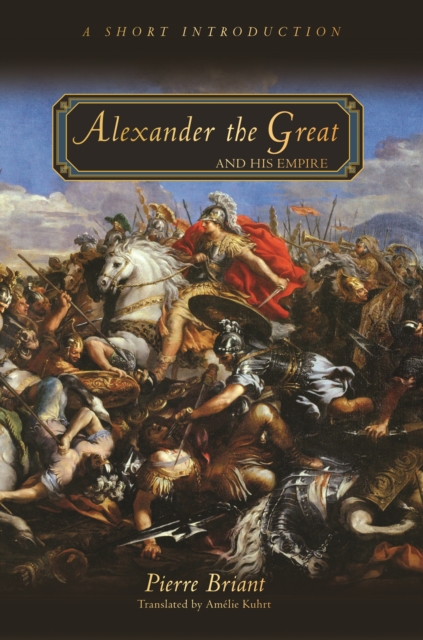
A classic account of Alexander the Great's conquest and its impact on the conquered-now in English for the first timeThis is the first publication in English of Pierre Briant's classic short history of Alexander the Great's conquest of the Persian empire, from the Mediterranean to Central Asia.
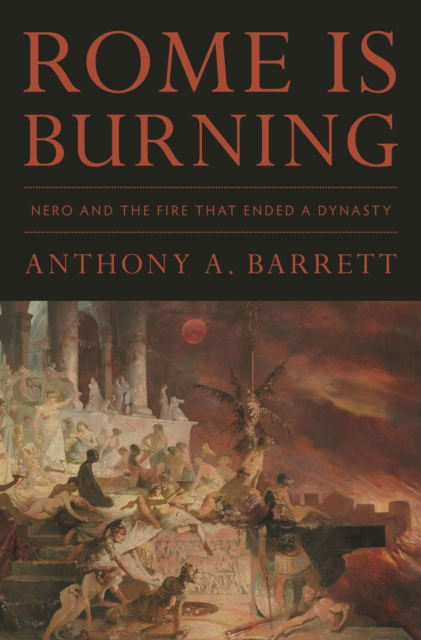
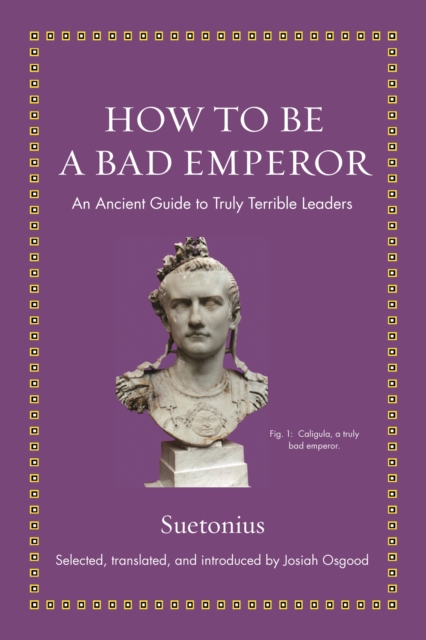
Drawing on new archaeological evidence, an authoritative history of Rome's Great Fire-and how it inflicted lasting harm on the Roman EmpireAccording to legend, the Roman emperor Nero set fire to his majestic imperial capital on the night of July 19, AD 64 and fiddled while the city burned.
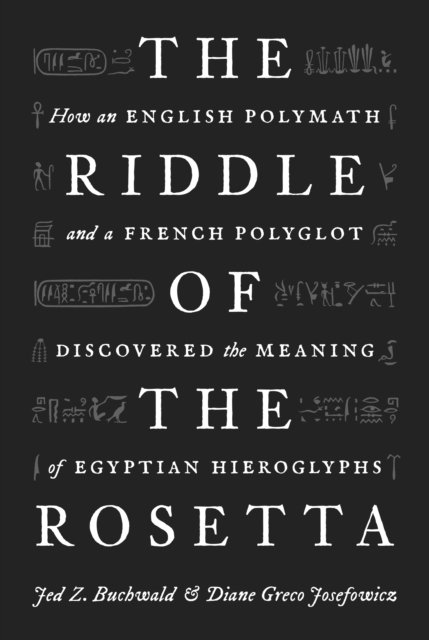
A major new history of the race between two geniuses to decipher ancient Egyptian hieroglyphs, set against the backdrop of nineteenth-century EuropeIn 1799, a French Army officer was rebuilding the defenses of a fort on the banks of the Nile when he discovered an ancient stele fragment bearing a decree inscribed in three different scripts.