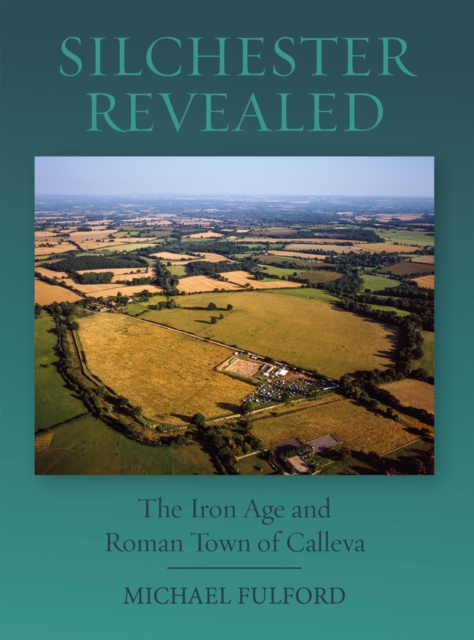
With its apparently complete town plan, revealed by the Society of Antiquaries of London’s great excavation project, 1890-1909, Silchester is one of the best known towns in Roman Britain and the Roman world more widely.
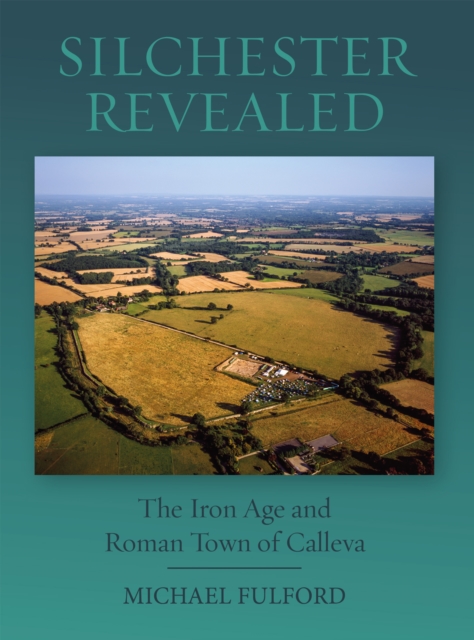
With its apparently complete town plan, revealed by the Society of Antiquaries of London’s great excavation project, 1890-1909, Silchester is one of the best known towns in Roman Britain and the Roman world more widely.
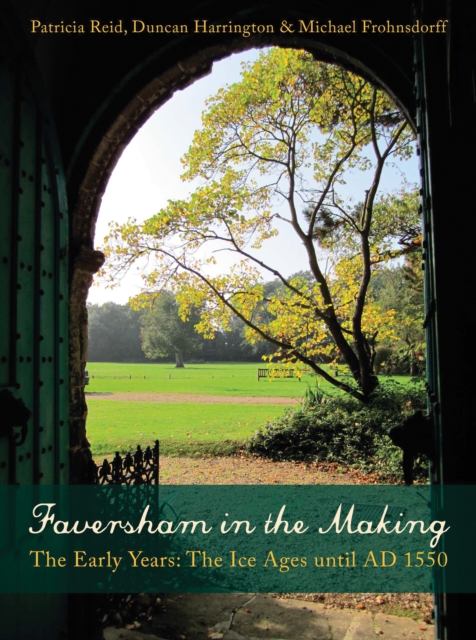
Well known for its later gunpowder industry and the famous Sheherd Neame brewery, Faversham’s earlier medieval history also reveals it to have been an important religious and administrative center.
Well known for its later gunpowder industry and the famous Sheherd Neame brewery, Faversham’s earlier medieval history also reveals it to have been an important religious and administrative center.
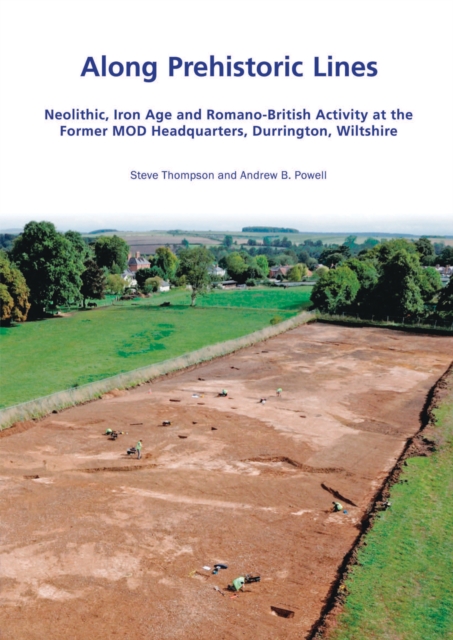
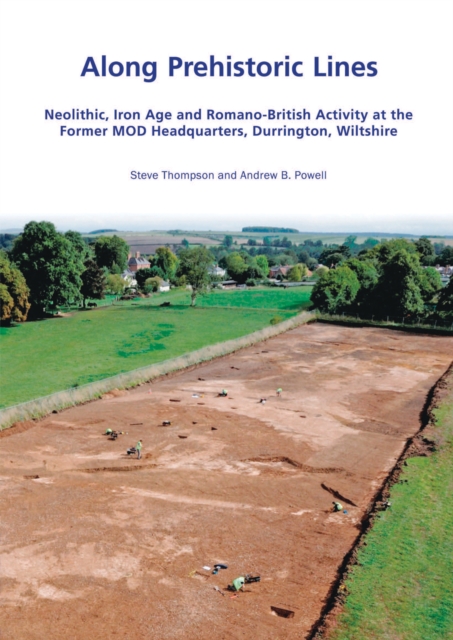
An excavation in 2010–12 on the site of the former Ministry of Defence (MoD) Headquarters in Durrington, Wiltshire, revealed evidence spanning the post-glacial to the post-medieval periods.
An excavation in 2010–12 on the site of the former Ministry of Defence (MoD) Headquarters in Durrington, Wiltshire, revealed evidence spanning the post-glacial to the post-medieval periods.
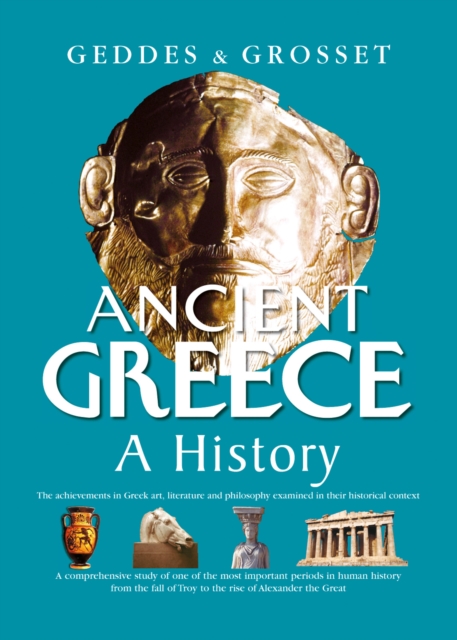
Ancient Greece A History examines Greek art, literature and philosophy, with a focus on tragedy, art, philosophy, sculpture and the glorious architecture of classical Greece.
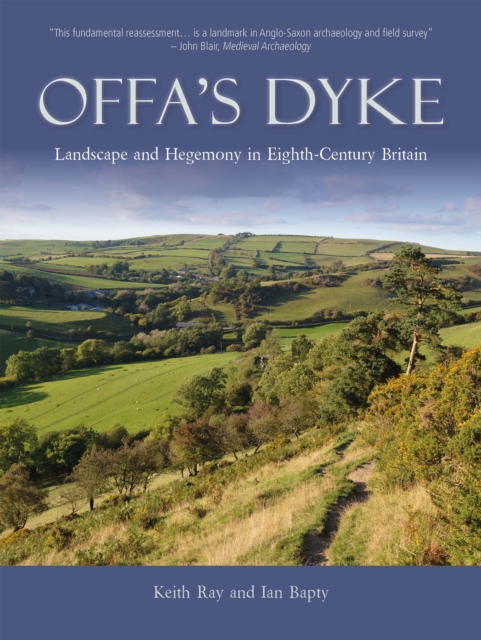
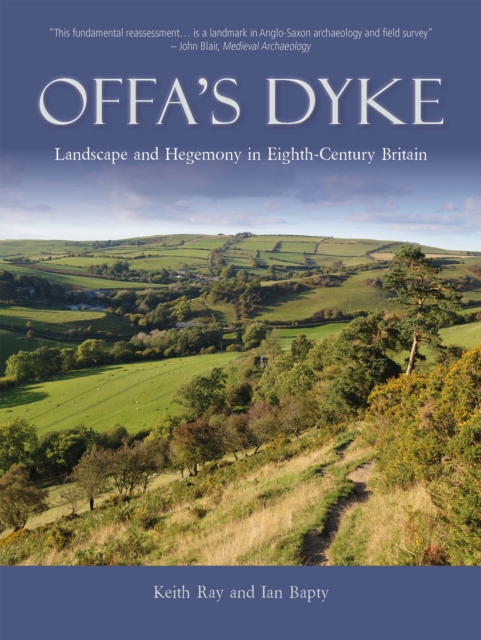
The massive ancient earthwork that provides the sole commemoration of an extraordinary Anglo-Saxon king and that gives its name to one of our most popular contemporary national walking trails remains an enigma.
The massive ancient earthwork that provides the sole commemoration of an extraordinary Anglo-Saxon king and that gives its name to one of our most popular contemporary national walking trails remains an enigma.
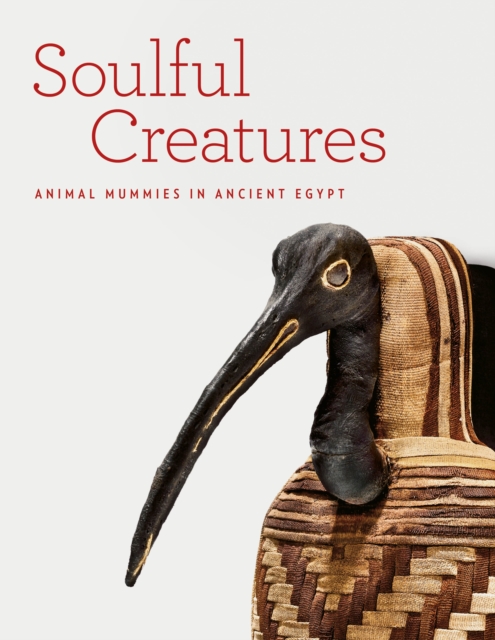
A fascinating mix of archaeology, history, and medical imaging shedding new light on ancient Egyptian animal mummies, this fully illustrated volume explores the important role granted to animals in Egyptian lifethey were seen as equals to humans within creation, endowed with souls.
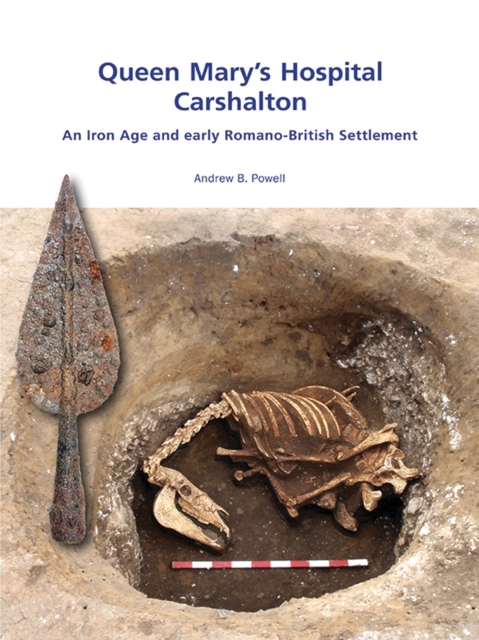
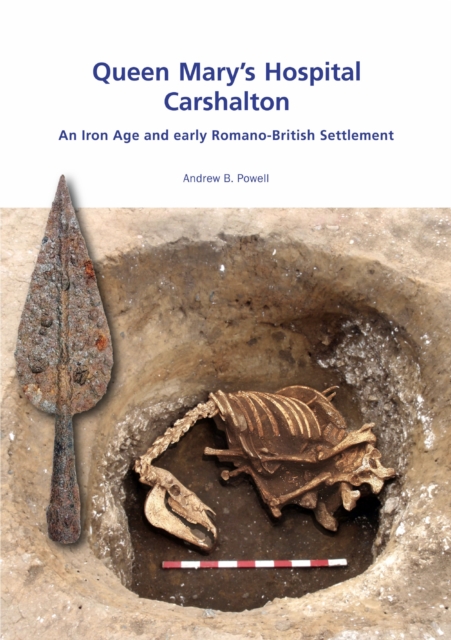
Excavations just outside a large Late Bronze Age ringwork at Queen Mary’s Hospital, Carshalton, in the London Borough of Sutton, revealed a settlement which was occupied possibly continuously from the Early Iron Age into the early Romano-British period.
Excavations just outside a large Late Bronze Age ringwork at Queen Mary’s Hospital, Carshalton, in the London Borough of Sutton, revealed a settlement which was occupied possibly continuously from the Early Iron Age into the early Romano-British period.
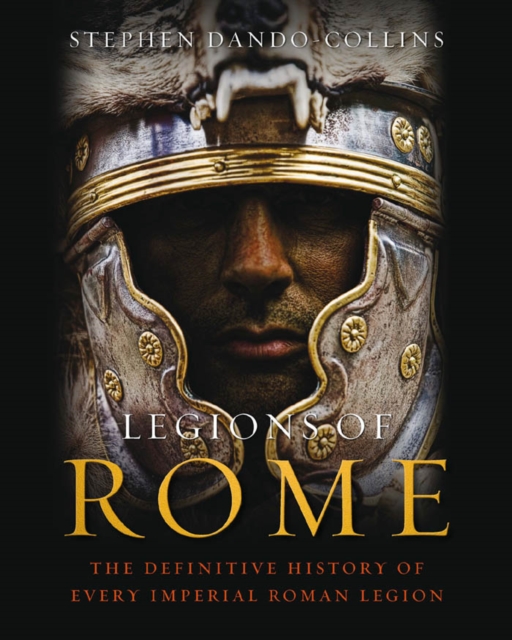
No book on Roman history has attempted to do what Stephen Dando-Collins does in Legions of Rome: to provide a complete history of every Imperial Roman legion and what it achieved as a fighting force.
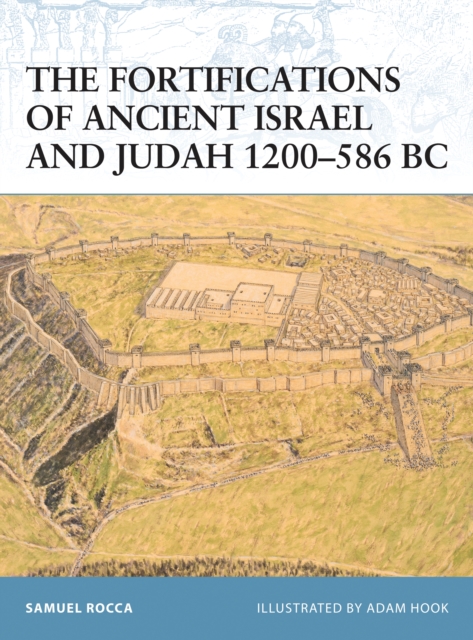
This book provides a detailed study of the fortifications of the founders of ancient Israel from the time of their first settlement in the Middle East, through the periods of the united and divided kingdoms, until the sack of Jerusalem in 586 BC.
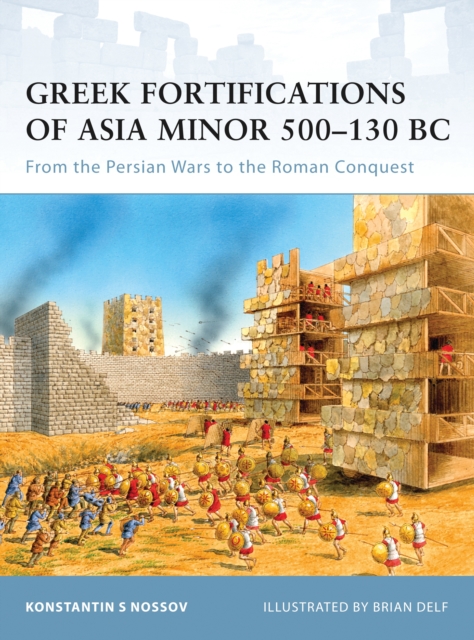
Sandwiched between the heart of ancient Greece and the lands of Persia, the Greek cities of Western Anatolia were the spark that ignited some of the most iconic conflicts of the ancient world.
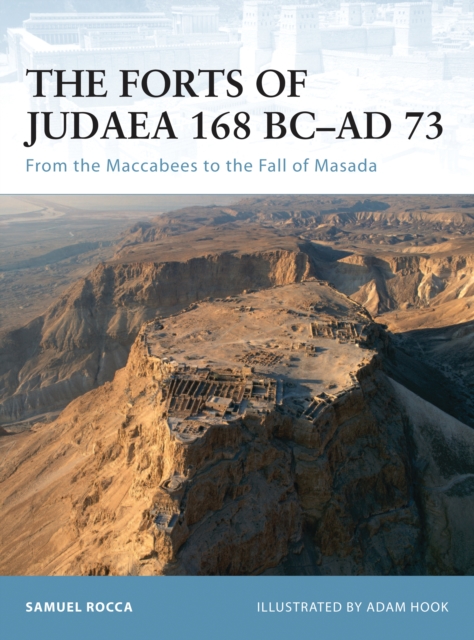
This book analyzes the fortifications of Hasmonaean and Herodian Judaea from the middle of the second century BC, when the Maccabees rebelled against their Seleucids overlords and established an independent state, until the end of the Jewish-Roman War in AD 73.
This history of Ancient Greek warfare vividly chronicles the struggle for control of the Macedonian Empire, a fateful time of change in the Ancient World.
Warfare in the Medieval World explores how civilizations and cultures made war on the battlefields of the Near East and Europe in the period between the fall of Rome and the introduction of reliable gunpowder weapons during the Thirty Years War.
Ninety years ago, Howard Carter discovered Tutankhamen's mummy lying, surrounded by grave goods, in a virtually intact tomb in the Valley of the Kings.
This book traces the eventful life of Seneca, the Roman philosopher, dramatist, essayist and rhetorician of the first century CE, who came from Spain to Rome, spent his youth in Egypt, was exiled to Corsica under Claudius but recalled after eight years, and rose to dizzying heights of wealth, power and social influence under Nero, before falling from favour and being forced to kill himself.
This definitive, multi-volume history of the world's first known state reveals that much of what we have been taught about Ancient Egypt is the product of narrow-minded visions of the pastDrawing on a lifetime of research, John Romer chronicles the history of Ancient Egypt from the building of the Great Pyramid through the rise and fall of the Middle Kingdom: a peak of Pharaonic culture and the period when writing first flourished.
'A stunning, clear-sighted history of ancient Egypt' Sunday TimesThe extraordinary history of Ancient Egyptian civilization - from its earliest origins to the creation of its greatest monument - from specialist John RomerThis exceptional book draws on a lifetime of research and thought to recreate the previously untold story of how a civilization which began with handfuls of semi-itinerant fishermen settled, spread and created a rich, vivid, strange civilization that had its first culmination in the pharaoh Khufu building the Great Pyramid.
Alexander the Great is one of the most famous men in history, and many believe he was the greatest military genius of all time (Julius Caesar wept at the feet of his statue in envy of his achievements).