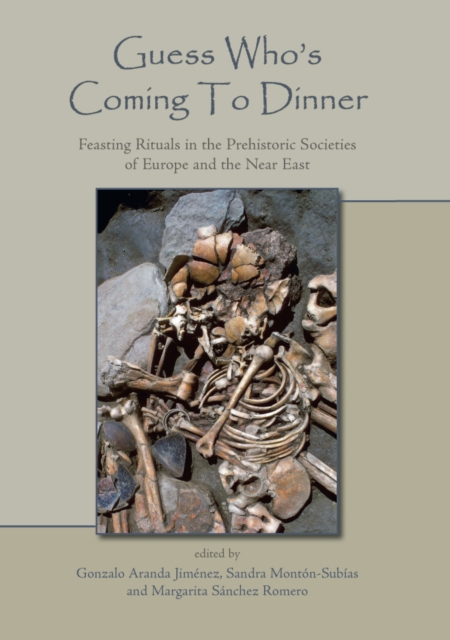
Guess Who's Coming to Dinner examines how specific types of food were prepared and eaten during feasting rituals in prehistoric Europe and the Near East.
Guess Who's Coming to Dinner examines how specific types of food were prepared and eaten during feasting rituals in prehistoric Europe and the Near East.
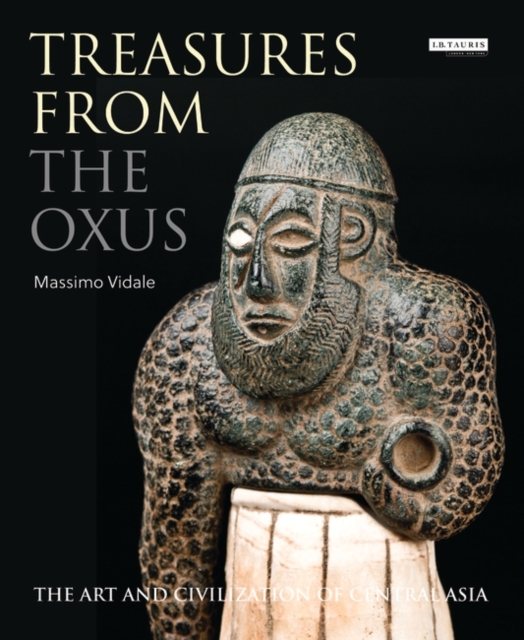
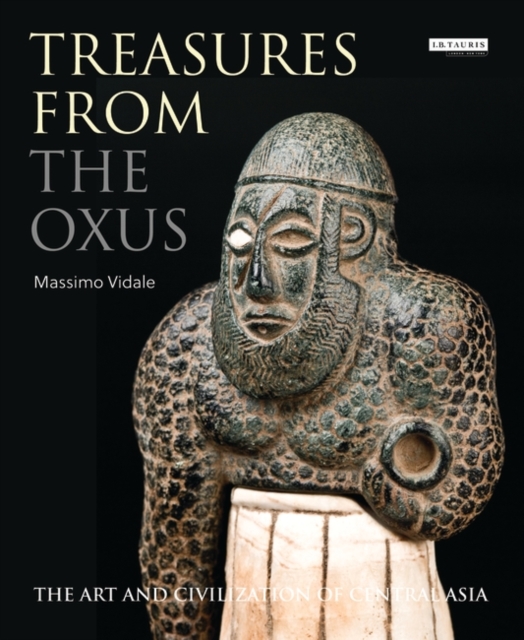
In history, this grand arterial 1500-mile waterway was always seen as the natural frontier between the northern provinces of the Iranian empires and the outer Turanian lands.
In history, this grand arterial 1500-mile waterway was always seen as the natural frontier between the northern provinces of the Iranian empires and the outer Turanian lands.
In this major study - regarded as his most important work - the pioneering anthropologist, Berthold Laufer documents the cultural transfers that took place between China and Iran in ancient times.
In this major study - regarded as his most important work - the pioneering anthropologist, Berthold Laufer documents the cultural transfers that took place between China and Iran in ancient times.
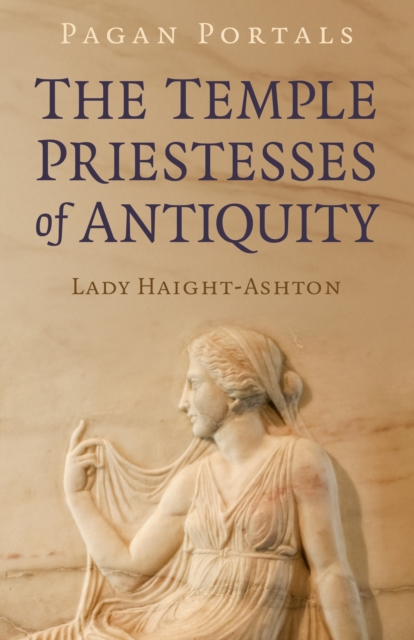
Whether Oracles, Seers, Psychics and Sibyls, or Sacred Dancers and Healers, the ancient Temple Priestesses wove a narrative of both realism and mythology.
Arthwyr ap Meurig, der wahre König Arthur, im Schatten der Normannen & Franken, ist meine deutsche Übersetzung der historischen Bücher von Wilson & Blackett.
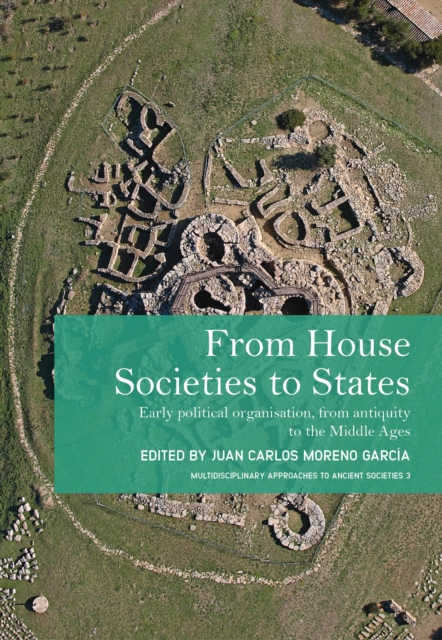
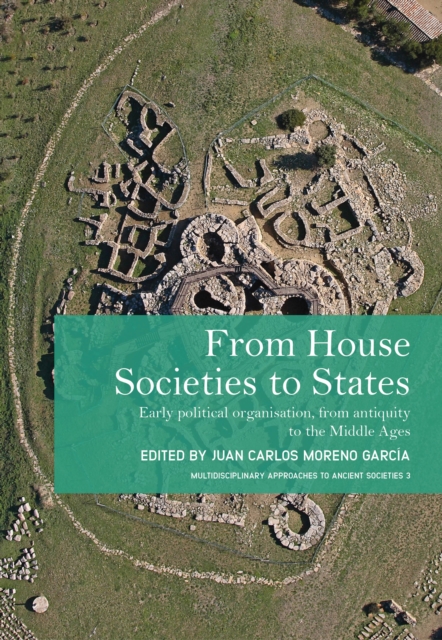
The organization and characteristics of early and ancient states have become the focus of a renewed interest from archaeologists, ancient historians and anthropologists in recent years.
The organization and characteristics of early and ancient states have become the focus of a renewed interest from archaeologists, ancient historians and anthropologists in recent years.
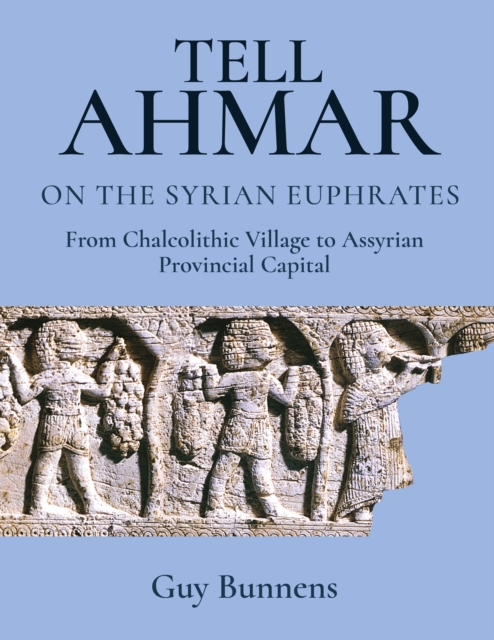
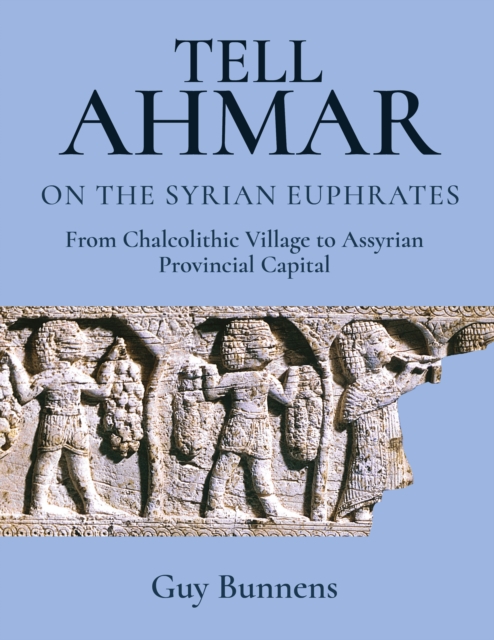
Tell Ahmar – also known as Masuwari, Til Barsib and Kar-Shalmaneser in the first millennium BCE – was first inhabited in the sixth millennium, during the Ubaid period, and progressively developed to become a regional center and, in the eighth and seventh centuries, a provincial capital of the Assyrian empire.
Tell Ahmar – also known as Masuwari, Til Barsib and Kar-Shalmaneser in the first millennium BCE – was first inhabited in the sixth millennium, during the Ubaid period, and progressively developed to become a regional center and, in the eighth and seventh centuries, a provincial capital of the Assyrian empire.
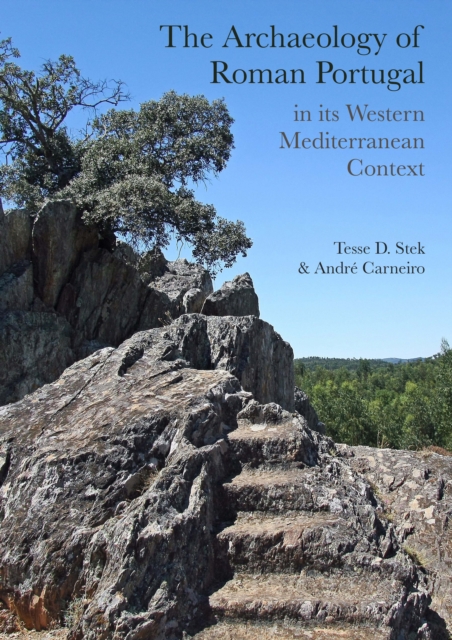
The Archaeology of Roman Portugal aims to contribute to the wider debate on Roman imperialism and expansionism, by bringing to the fore a much-underrepresented area of the Roman empire, at least in English-language scholarship: its westernmost edge in modern day Portugal.
The Archaeology of Roman Portugal aims to contribute to the wider debate on Roman imperialism and expansionism, by bringing to the fore a much-underrepresented area of the Roman empire, at least in English-language scholarship: its westernmost edge in modern day Portugal.
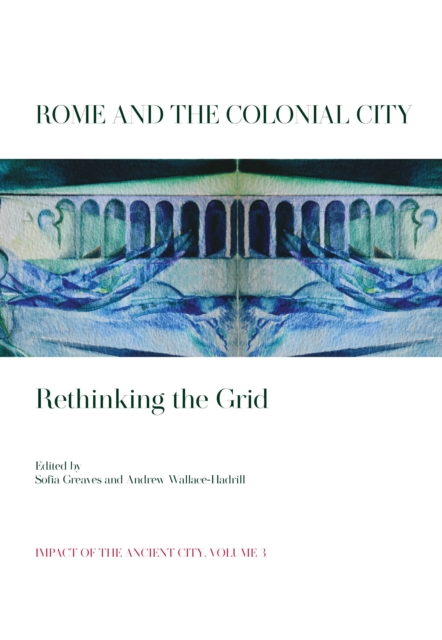
According to one narrative, that received almost canonical status a century ago with Francis Haverfield, the orthogonal grid was the most important development of ancient town planning, embodying values of civilization in contrast to barbarism, diffused in particular by hundreds of Roman colonial foundations, and its main legacy to subsequent urban development was the model of the grid city, spread across the New World in new colonial cities.
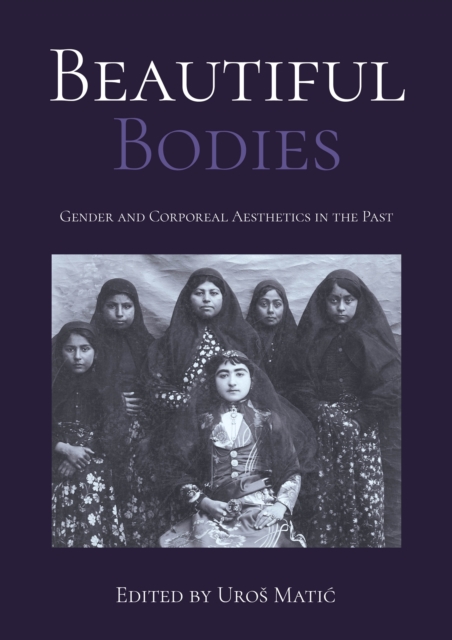
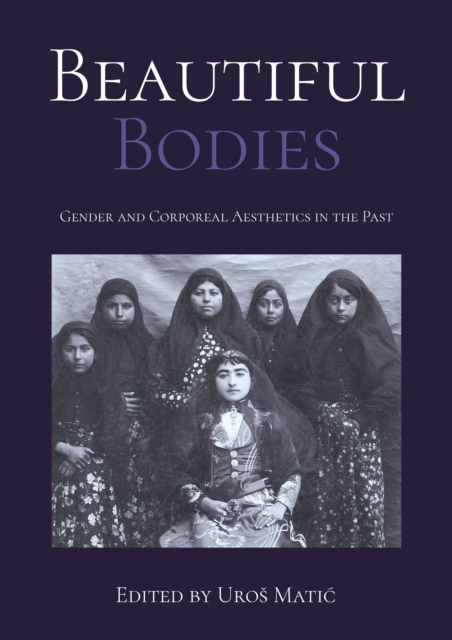
This book explores the role of material culture in the formation of corporeal aesthetics and beauty ideals in different past societies and thus contributes to the cultural relativization of bodily aesthetics and related gender norms.
This book explores the role of material culture in the formation of corporeal aesthetics and beauty ideals in different past societies and thus contributes to the cultural relativization of bodily aesthetics and related gender norms.
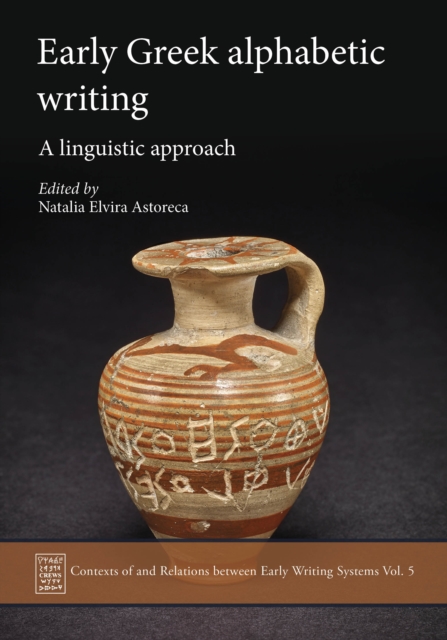
Despite the flourishing of epichoric studies on the Archaic Greek scripts in the 1960s, embodied by archaeologists Lilian Hamilton Jeffery and Margherita Guarducci, most scholarship on early alphabetic writing in Greece has focused on questions around the origin of ‘the Greek alphabet’ instead of acknowledging the diversity of alphabetic systems that emerged in Geometric and Archaic times.
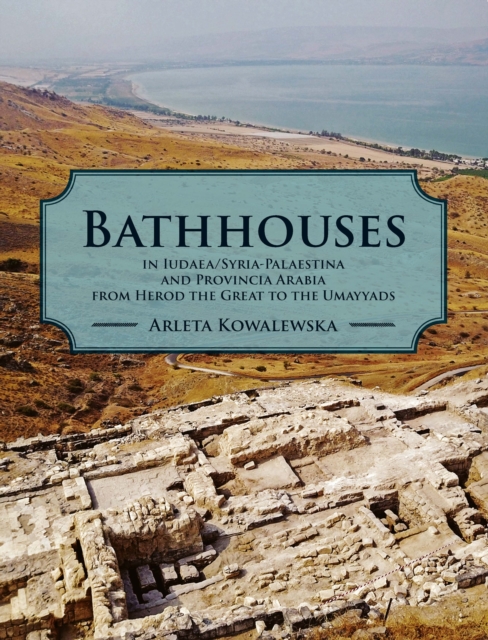
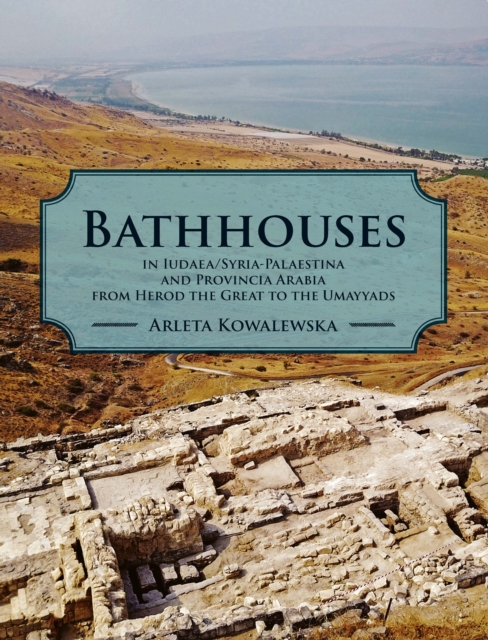
Bathing culture was one of the pillars of Roman society and bathhouses are one of the largest categories of a particular type of construction excavated in the Roman world.
Bathing culture was one of the pillars of Roman society and bathhouses are one of the largest categories of a particular type of construction excavated in the Roman world.
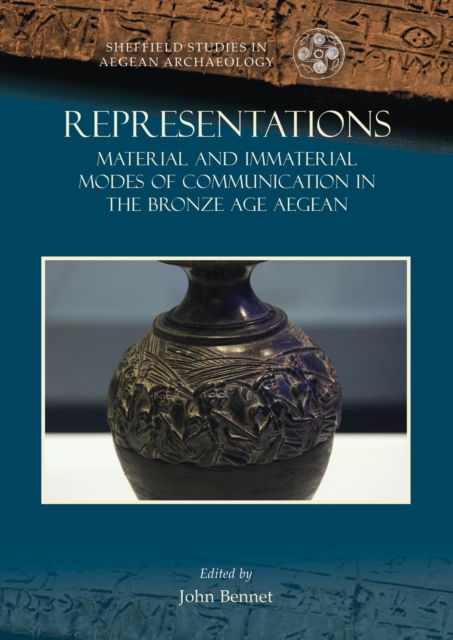
This volume presents a series of reflections on modes of communication in the Bronze Age Aegean, drawing on papers presented at two round table workshops of the Sheffield Centre for Aegean Archaeology on ‘Technologies of Representation’ and ‘Writing and Non-Writing in the Bronze Age Aegean’.