'Tarn's Alexander the Great, first published in 1948, has become a classic and its importance for subsequent Alexander studies can hardly be exaggerated.
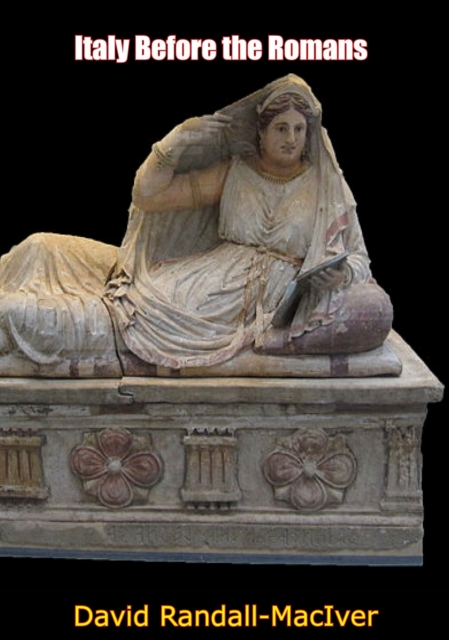
First published in 1928, this book by archaeologist and author David Randall-MacIver provides a detailed description of Italy and its chief peoples before it was conquered by the Romans in 509 B.
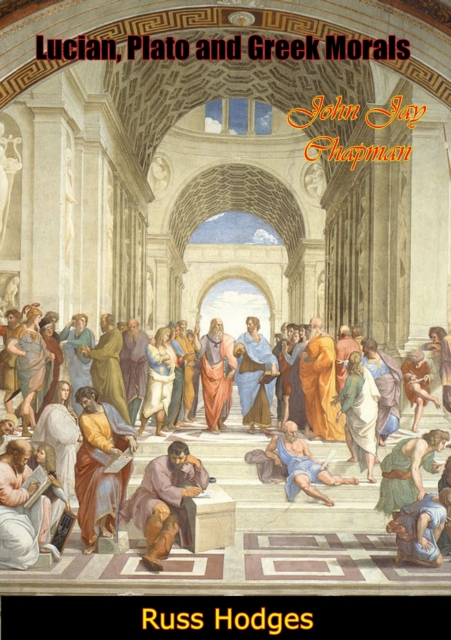
First published in 1931, this fascinating book provides a study of famous Greek satirist and rhetorician, Lucian of Samosata, as well as an analysis of the Classical Greek philosopher Plato's Symposium in the light of Lucian's criticism.
The pages of this book are the product of years of study of a Bible-lover who has gone through the fiery furnace of skepticism and has come out firmly convinced of the scientific trustworthiness of the first chapter of the Book of Genesis.
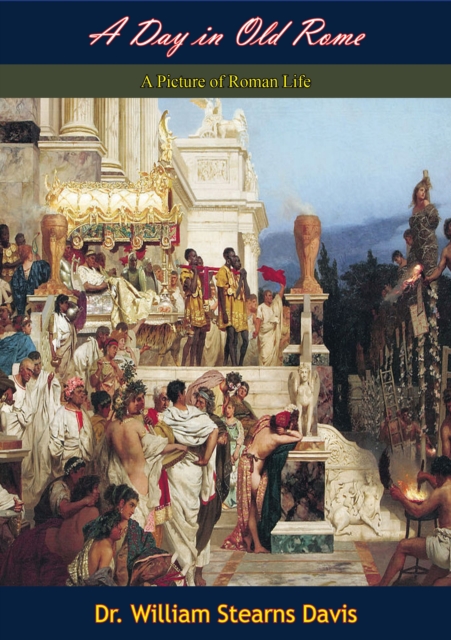
This book tries to describe what an intelligent person would have witnessed in Ancient Rome if by some legerdemain he had been translated to the Second Christian Century, and conducted about the imperial city under competent guidance.
The four-year reign of the divine Elagabalus, a most unusual, often outrageous, Roman emperor, as seen through the eyes of his loyal Praetorian bodyguard.
First published in 1961, this book provides a contemporary definition of race, the distinction between geographical, local and micro-races, as well as consideration of the major evolutionary mechanisms of race formation in man.
In 1921, author David Randall-MacIver moved to Rome in order to focus on Italian archaeology, the result of which is this is this fascinating and detailed study of the history of the Etruscans, first published in 1927.
First published in 1931, this book by archaeologist David Randall-MacIver provides a detailed description of Greek architectural sites in southern Italy and Sicily, together with narratives on the cities where the sites are found, including their mythologies and most famous citizens, visitors and political figures.
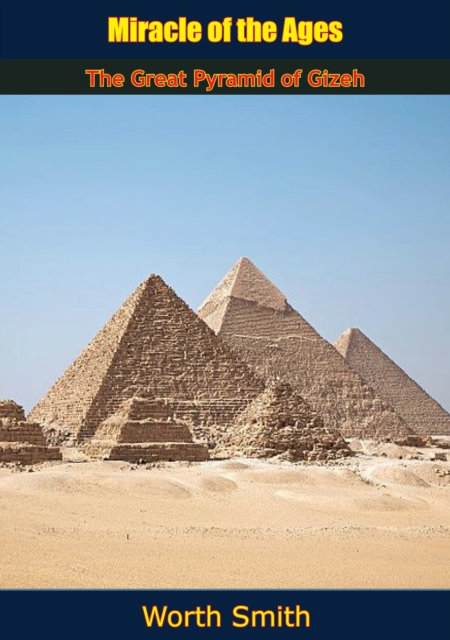
Dating from the beginning of historical memory, the obelisks of ancient Egypt-those tall, tapering shafts typically weighing from 200 to 500 tons-were carved from a single block of solid stone to commemorate the ruler of the moment.
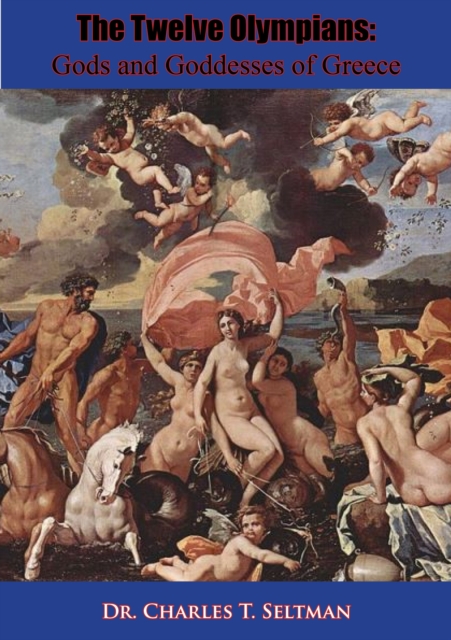
THE TWELVE OLYMPIANS, originally published in 1952, gives a new account of the twelve chief gods and goddesses of Ancient Greece, and of the myths and gay stories told about them, which, recounted and referred to again and again in prose and poetry, are woven closely into the world's greatest literature.
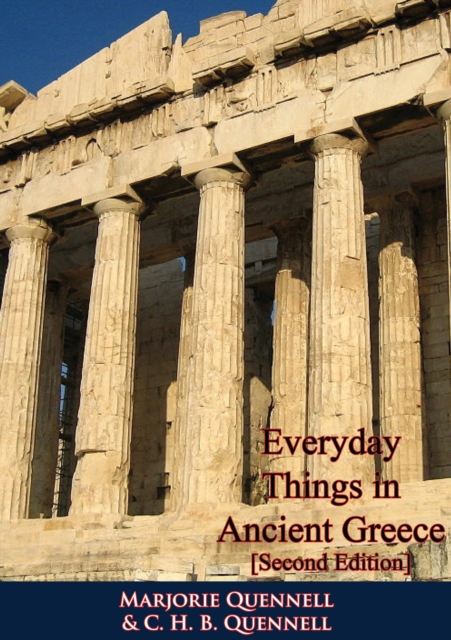
First published in 1954, this is the Second Edition of the single-volume amalgamation of husband-and-wife team Marjorie and Charles Quinnells' three-volume anthology on Greek antiquity, originally between 1929-1932: Everyday Things in Homeric Greece, Everyday Things in Archaic Greece, and Everyday Things in Classical Greece.
Rome Urbs Roma: city of patricians and plebeians, emperors and gladiators, slaves and concubines was the epicentre of a far-flung imperium whose cultural legacy is incalculable.