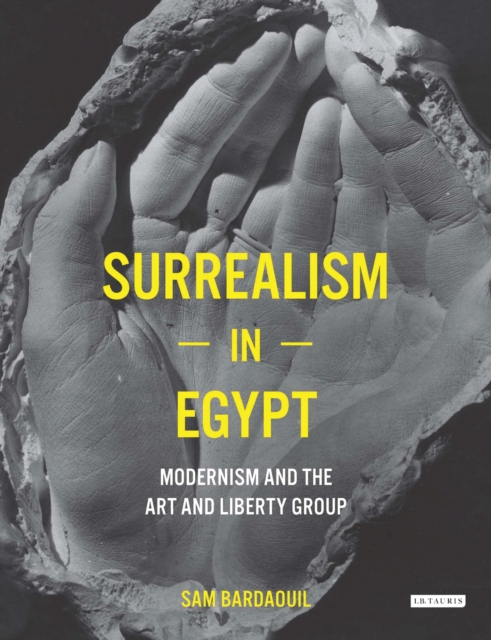
In the thick of the Second World War, the Cairo-based Surrealist collective Art et Liberte were pioneering new art forms and mounting subversive exhibitions that sent shockwaves across local artistic circles.
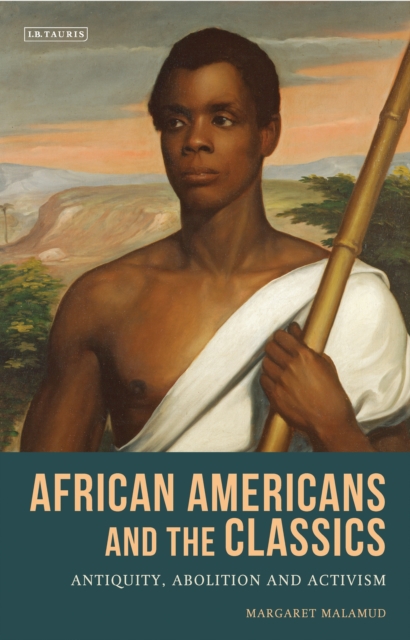
A new wave of research in black classicism has emerged in the 21st century that explores the role played by the classics in the larger cultural traditions of black America, Africa and the Caribbean.
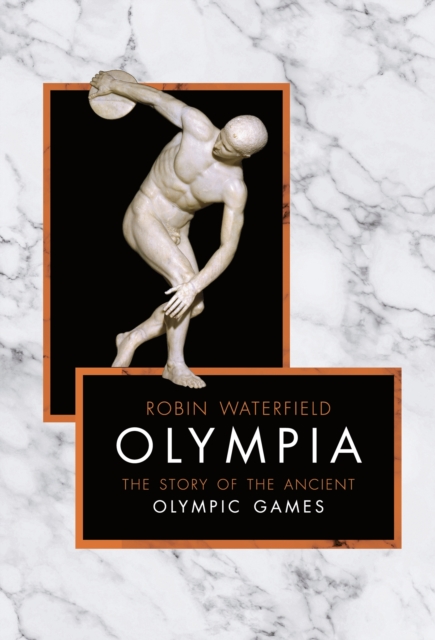
In the northwestern corner of the great peninsula of the Peloponnese, close to the meeting point of the Cladeus and Alpheus rivers, lies a peaceful river valley overlooked by the steep-sided Hill of Cronus.
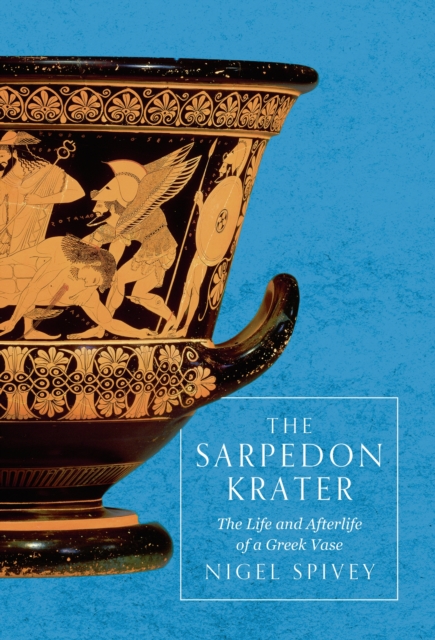
Once the pride of New York's Metropolitan Museum of Art, the Sarpedon krater is a wine-mixing bowl crafted by two Athenians, Euxitheos (who shaped it) and Euphronios (who decorated it), in the late 6thc BC.
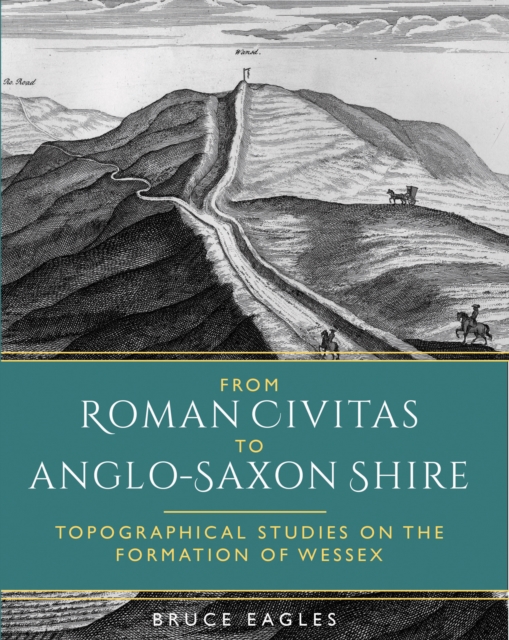
This book is the culmination of the author’s lifelong interest in the Roman to medieval transition in England and in the analysis of the historic landscape of Wessex.
This book is the culmination of the author’s lifelong interest in the Roman to medieval transition in England and in the analysis of the historic landscape of Wessex.
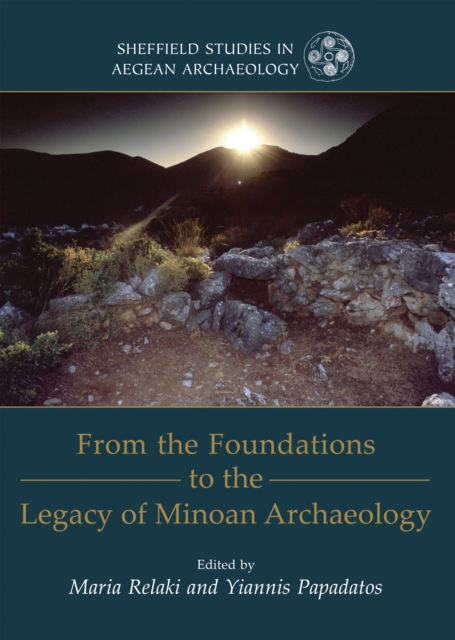
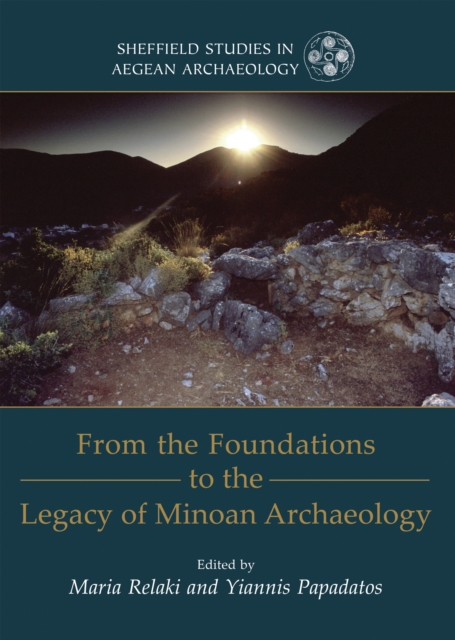
From the Foundations to the Legacy seeks to examine how the developmental trajectory of a single site can offer insights into regional patterns, the importance of integrating local survey information in reconstructing general historical processes and the significance of temporal variability in the construction of space.
From the Foundations to the Legacy seeks to examine how the developmental trajectory of a single site can offer insights into regional patterns, the importance of integrating local survey information in reconstructing general historical processes and the significance of temporal variability in the construction of space.
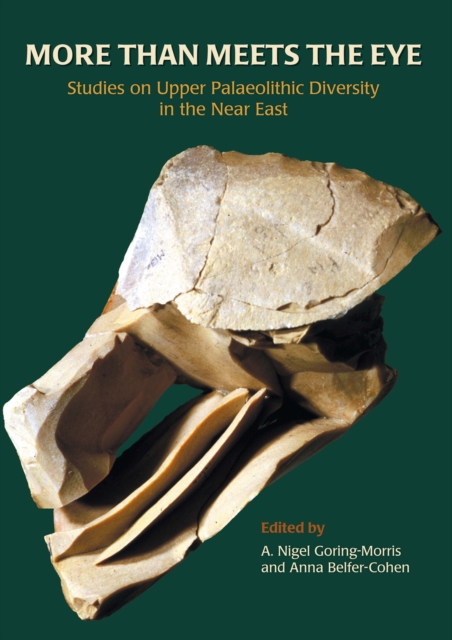
These twenty-three papers focus on recent research into the Upper Palaeolithic of the Levant, a murky period of human history (ca 45,000 to 20,000 years ago) during which modern patterns of human behaviour and communication became the norm.
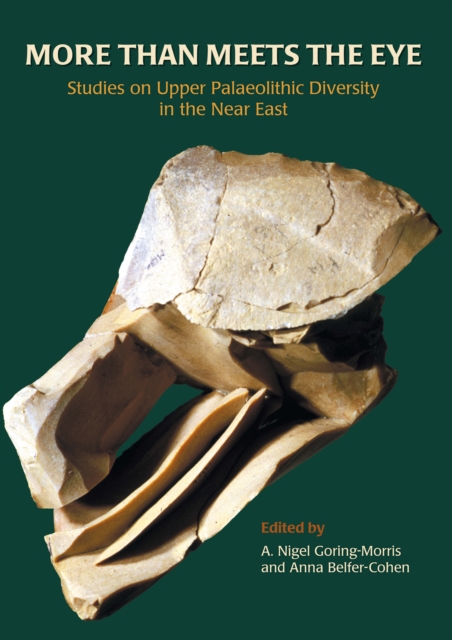
These twenty-three papers focus on recent research into the Upper Palaeolithic of the Levant, a murky period of human history (ca 45,000 to 20,000 years ago) during which modern patterns of human behaviour and communication became the norm.
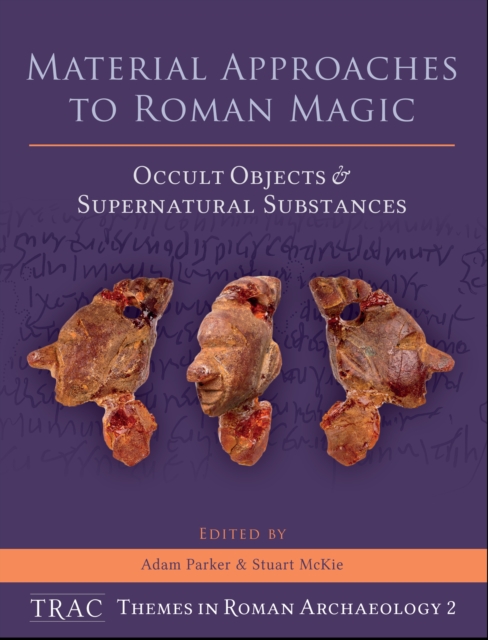
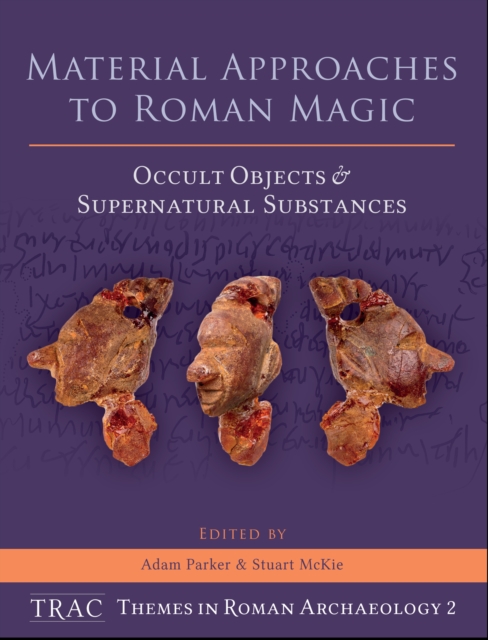
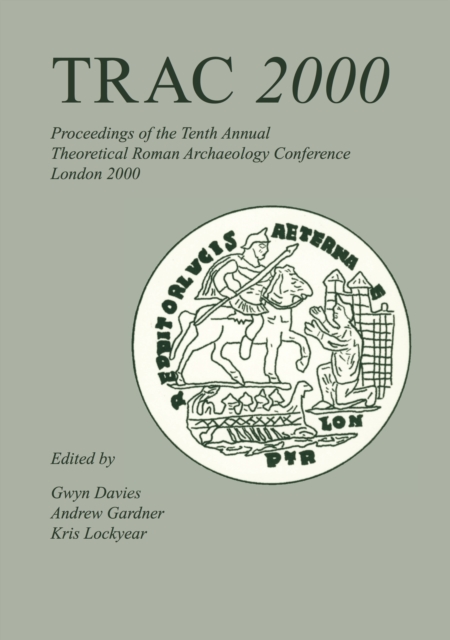
This second volume in the new TRAC Themes in Roman Archaeology series seeks to push the research agendas of materiality and lived experience further into the study of Roman magic, a field that has, until recently, lacked object-focused analysis.
This second volume in the new TRAC Themes in Roman Archaeology series seeks to push the research agendas of materiality and lived experience further into the study of Roman magic, a field that has, until recently, lacked object-focused analysis.
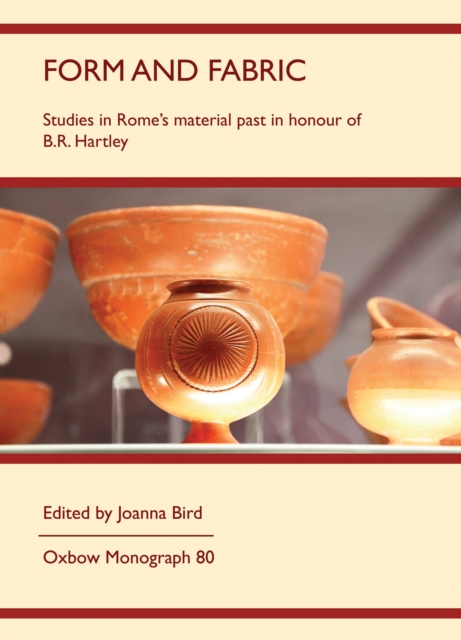
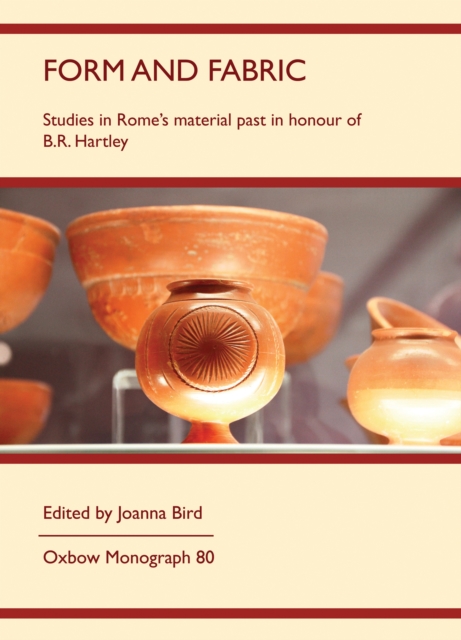
The range of papers presented in this volume demonstrates the wide scope of Brian Hartley’s interests and the fields of archaeological scholarship with which he has been involved.
The range of papers presented in this volume demonstrates the wide scope of Brian Hartley’s interests and the fields of archaeological scholarship with which he has been involved.
These thirty essays were presented to Alan L Boegehold, a distinguished philologist and an inspirational teacher, on the occasion of his retirement and his seventy-fifth birthday.
These thirty essays were presented to Alan L Boegehold, a distinguished philologist and an inspirational teacher, on the occasion of his retirement and his seventy-fifth birthday.
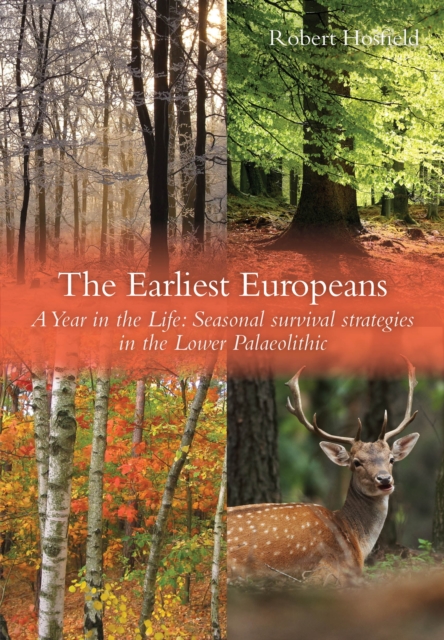
The Earliest Europeans explores the early origins of man in Europe through the perspective of ‘a year in the life’: how hominins in the Lower Palaeolithic coped with the year-round practical challenges of mid-latitude Europe with its distinctive temperatures, seasonality patterns, and available resources.
The Earliest Europeans explores the early origins of man in Europe through the perspective of ‘a year in the life’: how hominins in the Lower Palaeolithic coped with the year-round practical challenges of mid-latitude Europe with its distinctive temperatures, seasonality patterns, and available resources.
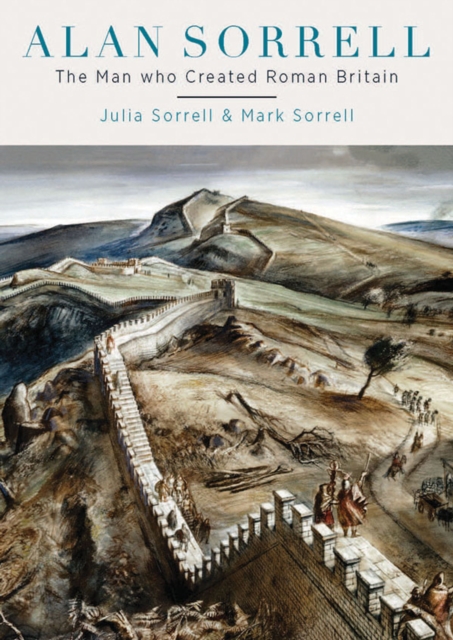
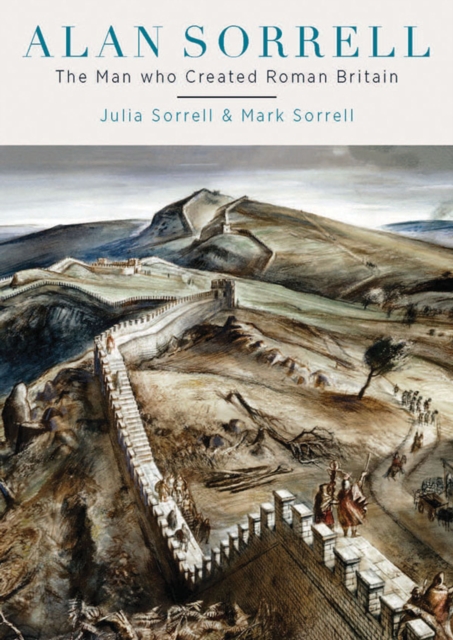
Alan Sorrell’s archaeological reconstruction drawings and paintings remain some of the best, most accurate and most accomplished paintings of their genre that continue to inform our understanding and appreciation of historic buildings and monuments in Eutope, the Near East and throughout the UK.
Alan Sorrell’s archaeological reconstruction drawings and paintings remain some of the best, most accurate and most accomplished paintings of their genre that continue to inform our understanding and appreciation of historic buildings and monuments in Eutope, the Near East and throughout the UK.
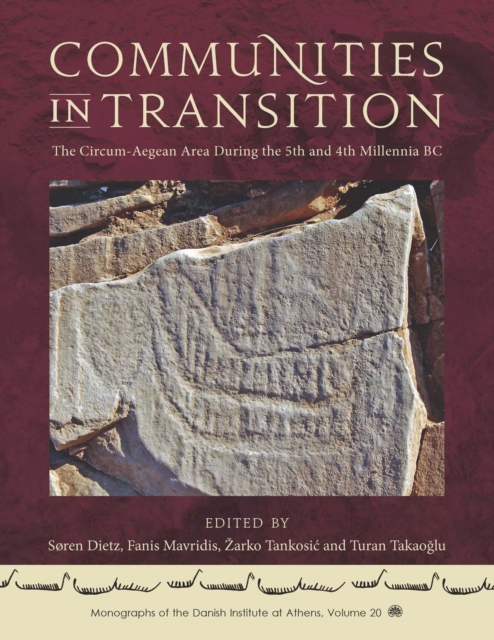
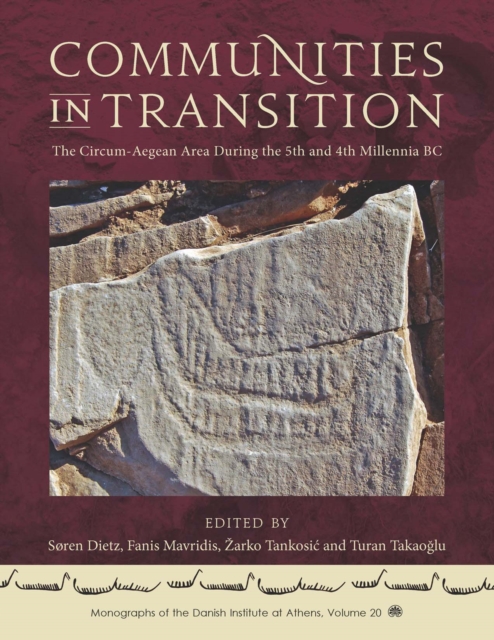
Communities in Transition brings together scholars from different countries and backgrounds united by a common interest in the transition between the Neolithic and the Early Bronze Age in the lands around the Aegean.
Communities in Transition brings together scholars from different countries and backgrounds united by a common interest in the transition between the Neolithic and the Early Bronze Age in the lands around the Aegean.