'Ferrara's book is an introduction to writing as a process of revelation, but it's also a celebration of these things still undeciphered, and many other tantalising mysteries besides.
Dionysius of Halicarnassus: On Thucydides (English Translation) offers an insightful analysis of Thucydides' work, bringing a fresh perspective to his syntax, style, and historical narrative.
The Egyptian Revival: Its Sources, Monuments, and Meaning 1808-1858 offers an in-depth study of an architectural phenomenon that recast ancient Egyptian forms in the early 19th-century Western world, examining the aesthetic and symbolic layers of this revival.
This early work by the British archaeologist, Flinders Petrie, was originally published in 1883 and we are now republishing it with a brand new introductory biography.
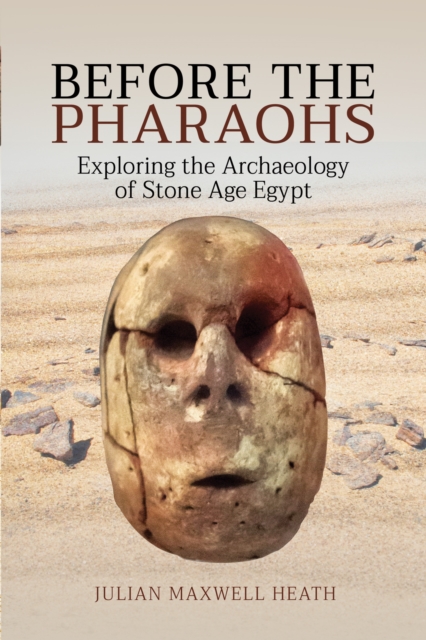
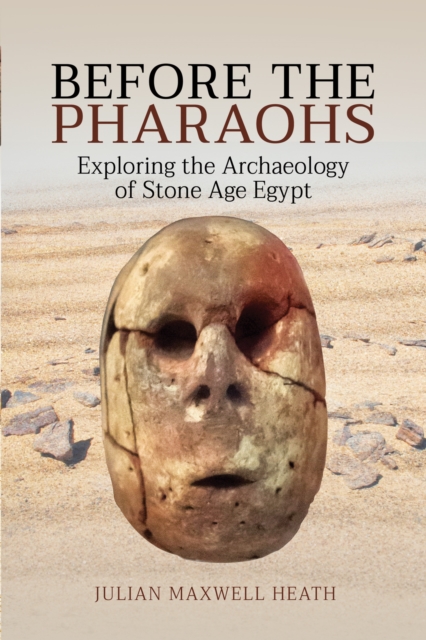
An examination of the Paleolithic and Neolithic communities that inhabited not only the Nile Valley and Delta, but also the Western and Eastern Deserts.
An examination of the Paleolithic and Neolithic communities that inhabited not only the Nile Valley and Delta, but also the Western and Eastern Deserts.
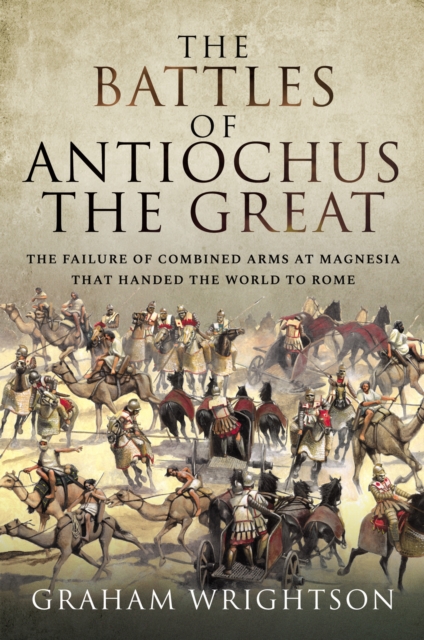
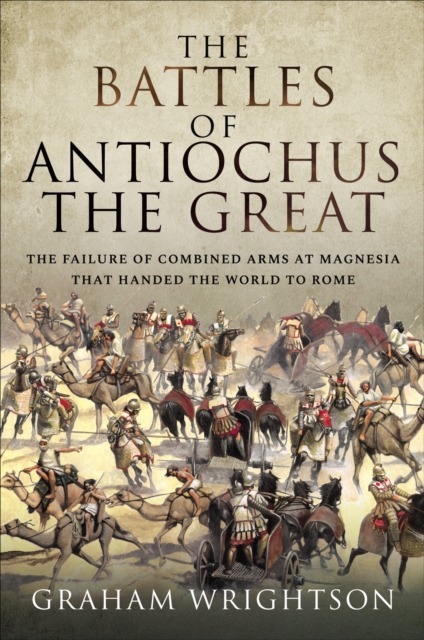
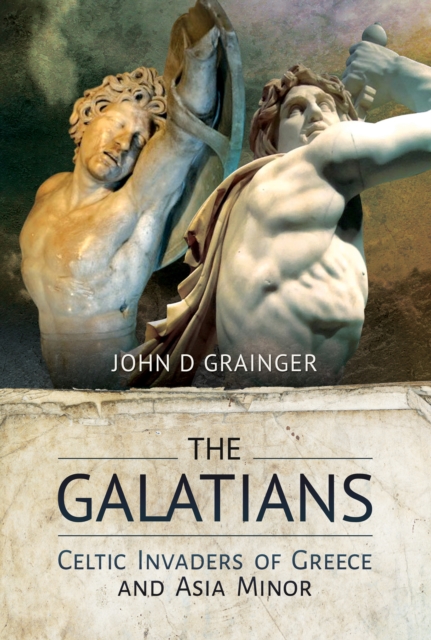
Why was it that 2400 years ago the people who had recently conquered the world were unable to stop barbarian Galatians from looting the tombs of their revered royal line?
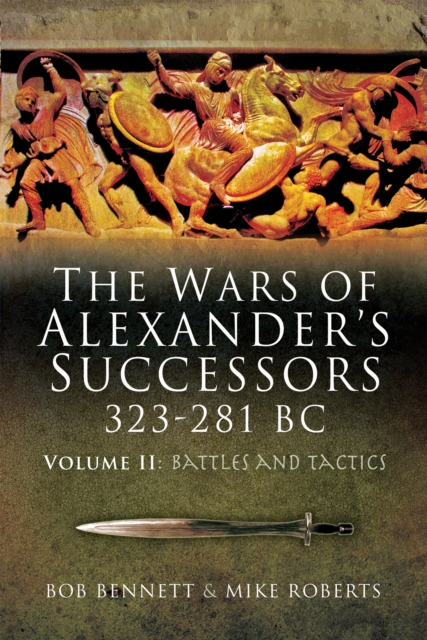
"e;The depictions of the battles represent the best parts of the book, as the author succeeds in making the dynamic and intensity of the fighting tangible.
This book provides a complete and detailed analysis of the organization and equipment of the Macedonian army built by Philip II and later employed to world-changing effect by his son, Alexander III (the Great).
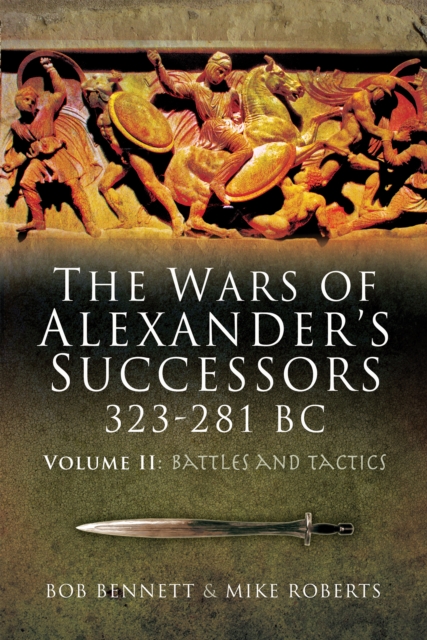
This book provides a complete and detailed analysis of the organization and equipment of the Macedonian army built by Philip II and later employed to world-changing effect by his son, Alexander III (the Great).
The Iliad dealing with the final stages of the Trojan War and The Odyssey with return and aftermath were central to the Classical Greeks' self identity and world view.
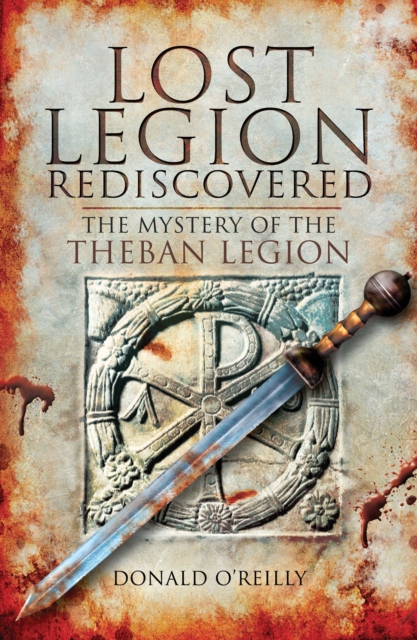
In AD383, according to Bishop Eucherius of Lyon, flooding caused part of the bank of the River Rhone to collapse, revealing a massed grave of thousands of bodies.
In AD383, according to Bishop Eucherius of Lyon, flooding caused part of the bank of the River Rhone to collapse, revealing a massed grave of thousands of bodies.
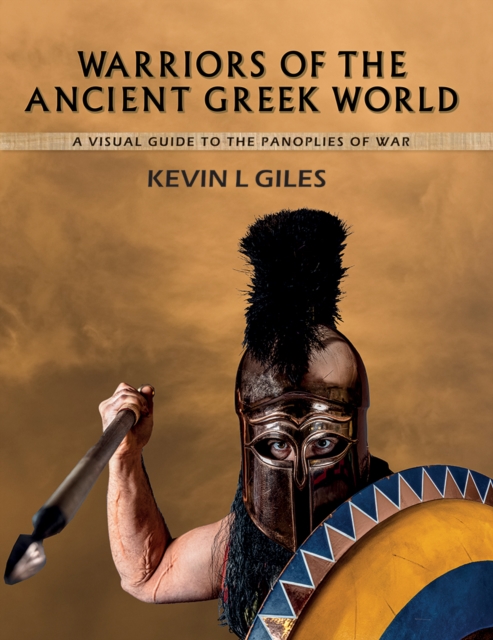
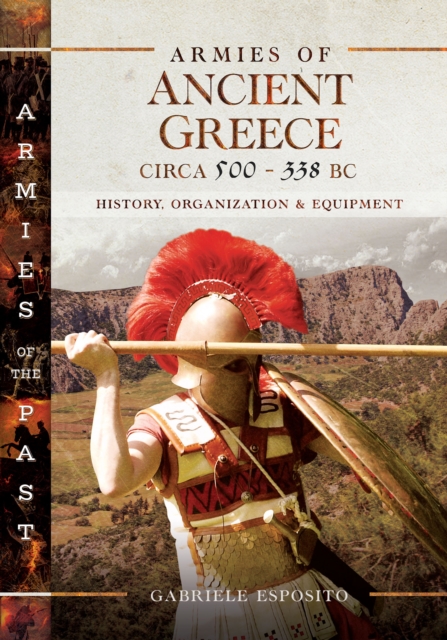
This in-depth visual guide, Warriors of the Ancient Greek World, boasts over 140 lavishly detailed photographed and illustrated recreations of the warrior panoplies of the fifth and fourth centuries BC.
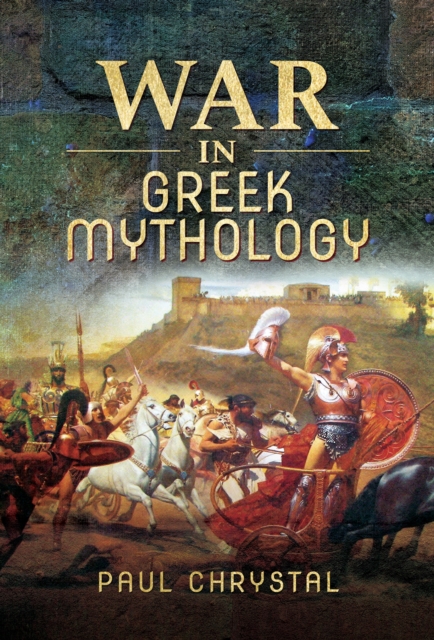
A study of the Greek mythological wars between Olympians, Titans, giants, centaurs, lapiths and humans, and their significant influence on later cultures.
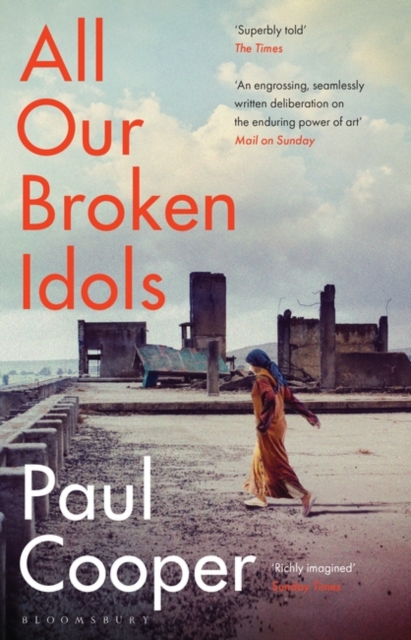
'Superbly told' The Times'Richly imagined' Sunday Times'An engrossing, seamlessly written deliberation on the enduring power of art' Mail on SundayAssyria, in the reign of Ashurbanipal.
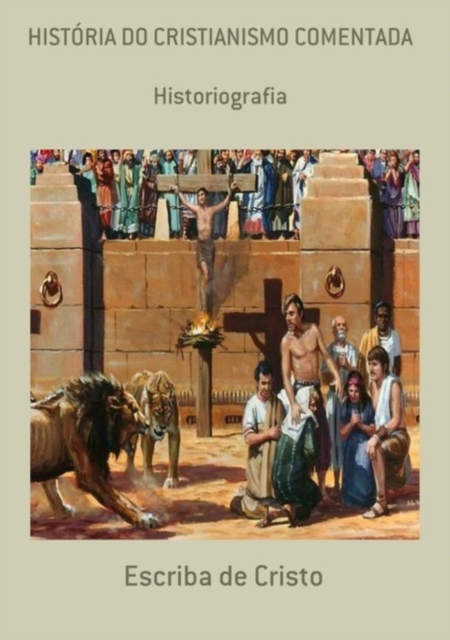
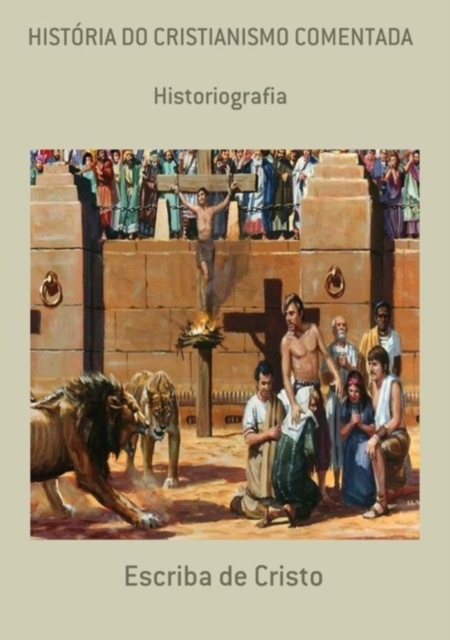
O livro História do Cristianismo é uma visão evangélica sobre a história da Igreja como um todo, incluindo os grupos primitivos como nestorianos, arianos, depois a formação da Igreja Católica Romana e sua paralela no Oriente, a Igreja Ortodoxa Grega.
O livro História do Cristianismo é uma visão evangélica sobre a história da Igreja como um todo, incluindo os grupos primitivos como nestorianos, arianos, depois a formação da Igreja Católica Romana e sua paralela no Oriente, a Igreja Ortodoxa Grega.
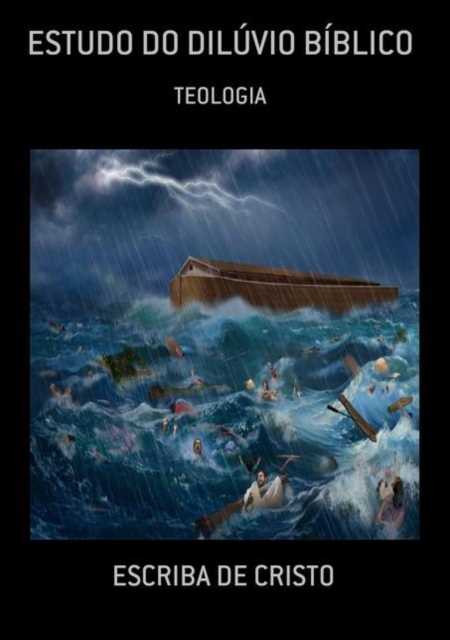
A história de um grande dilúvio universal se encontra registrado na Bíblia cristã, alcorão islâmico, Torá judaico e nos escritos cuneiformes dos sumérios e babilônios.