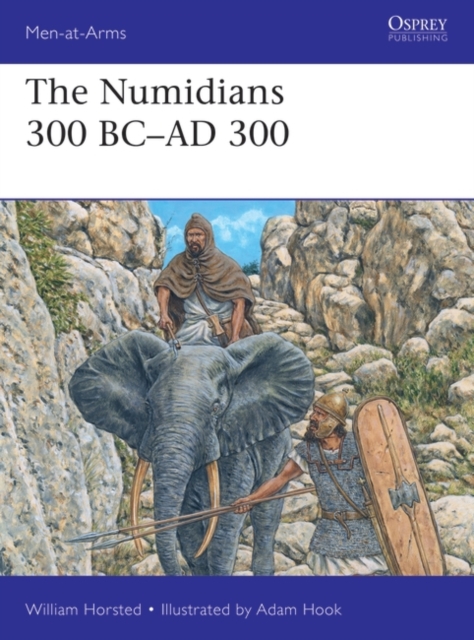
The Numidian light cavalry were among the best-known horsemen in the ancient world: riding without saddles or bridle, carrying only hide shields for defense and clutching a handful of light javelins, they were renowned for their darting attacks, swift retreats, and skirmishing prowess.
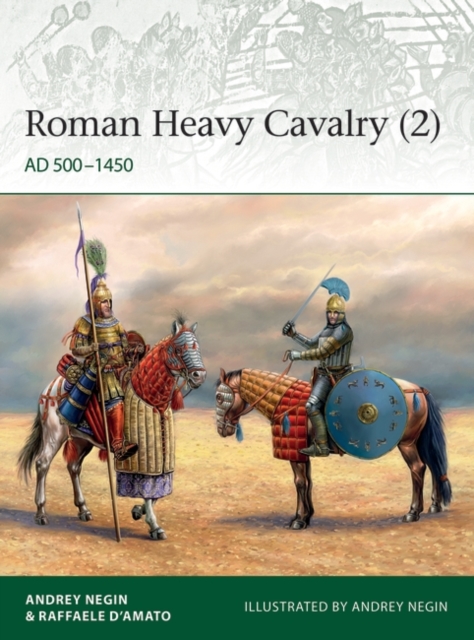
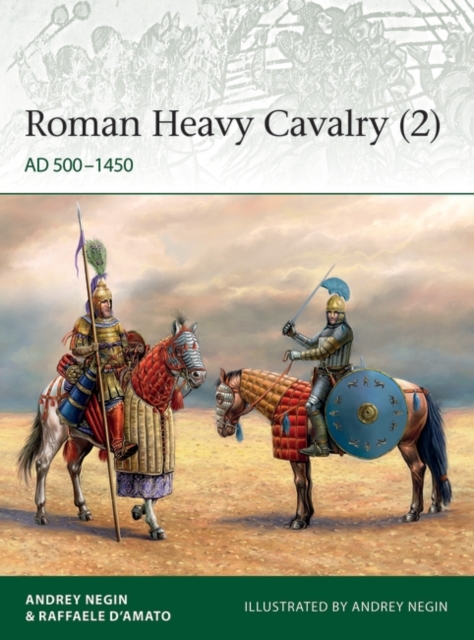
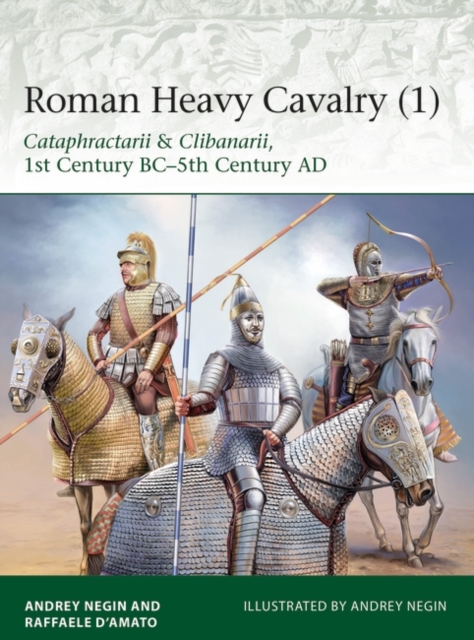
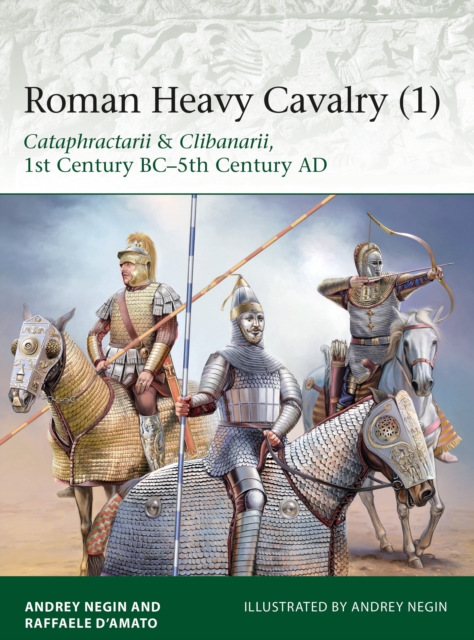
In the twilight of the Western Roman Empire in the 5th 6th centuries, the elite of the field armies was the heavy armoured cavalry the cataphracts, clad in lamellar, scale, mail and padded fabric armour.
In the twilight of the Western Roman Empire in the 5th 6th centuries, the elite of the field armies was the heavy armoured cavalry the cataphracts, clad in lamellar, scale, mail and padded fabric armour.
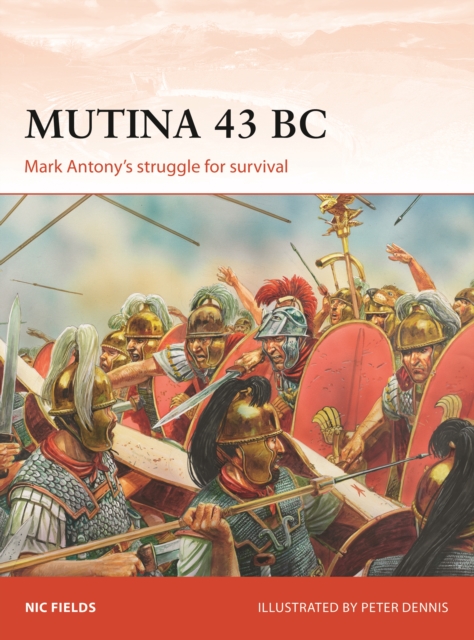
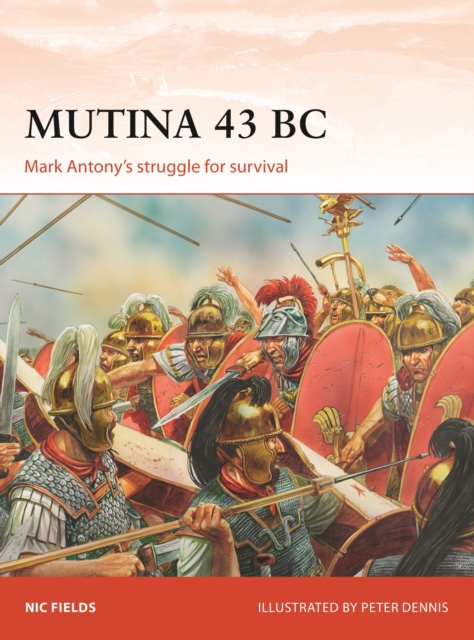
In the aftermath of Julius Caesar's assassination, Octavian and the forces of the late Republic battled Mark Antony in the battles of Forum Gallorum and Mutina in 43 BC.
In the aftermath of Julius Caesar's assassination, Octavian and the forces of the late Republic battled Mark Antony in the battles of Forum Gallorum and Mutina in 43 BC.
From the army of Marc Antony in the 1st century BC, Roman generals hired heavy armoured Eastern cavalry to serve in their military alongside the legions.
From the army of Marc Antony in the 1st century BC, Roman generals hired heavy armoured Eastern cavalry to serve in their military alongside the legions.
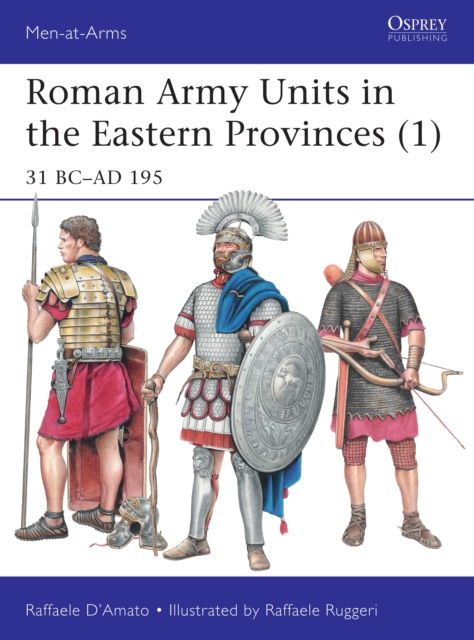
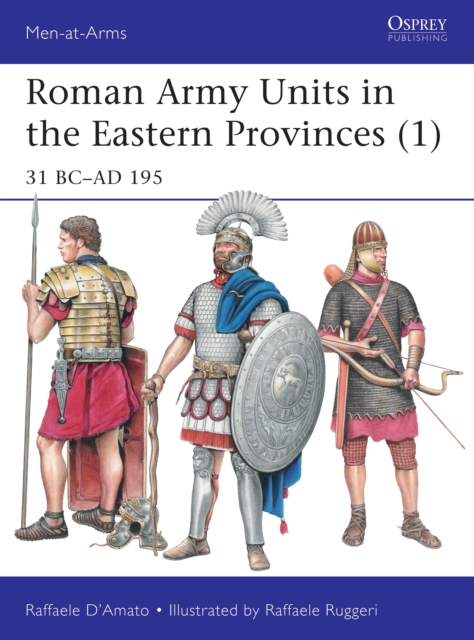
Between the reigns of Augustus and Septimius Severus, the Eastern provinces of the Roman Empire frequently saw brutal fighting, most notably during the conquest of Dacia by Trajan, the suppression of the Great Revolt in Judea and intermittent clashes with Rome's great rival Parthia.
Between the reigns of Augustus and Septimius Severus, the Eastern provinces of the Roman Empire frequently saw brutal fighting, most notably during the conquest of Dacia by Trajan, the suppression of the Great Revolt in Judea and intermittent clashes with Rome's great rival Parthia.
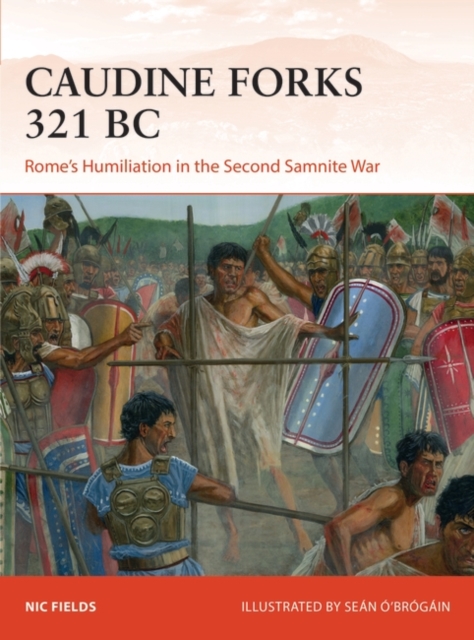
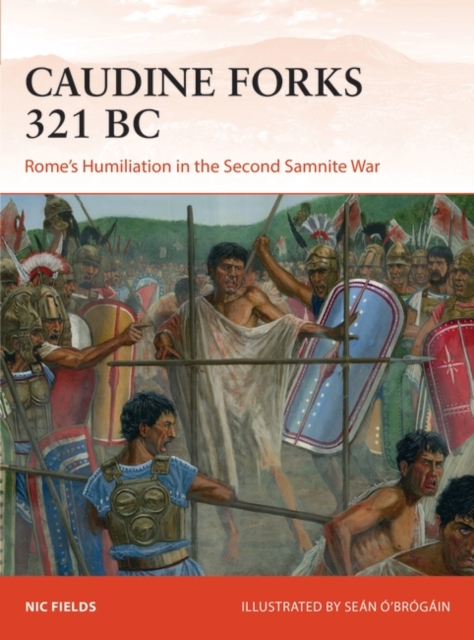
A highly illustrated account of one of Ancient Rome's most humiliating defeats, the battle of the Caudine Forks in 321 BC, and how the embarrassment spurred the Roman Army on to eventual triumph.
A highly illustrated account of one of Ancient Rome's most humiliating defeats, the battle of the Caudine Forks in 321 BC, and how the embarrassment spurred the Roman Army on to eventual triumph.
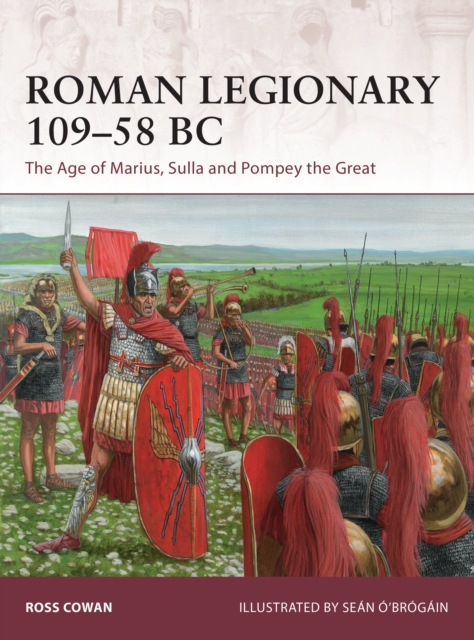
The Roman centurion, holding the legionaries steady before the barbarian horde and then leading them forward to victory, was the heroic exemplar of the Roman world.
The Roman centurion, holding the legionaries steady before the barbarian horde and then leading them forward to victory, was the heroic exemplar of the Roman world.
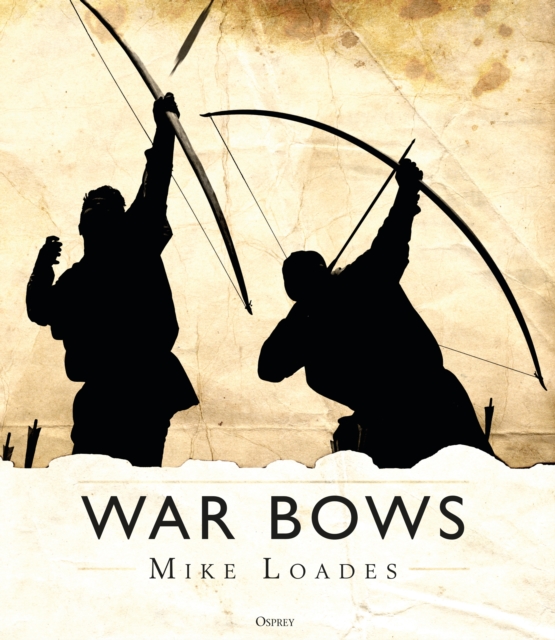
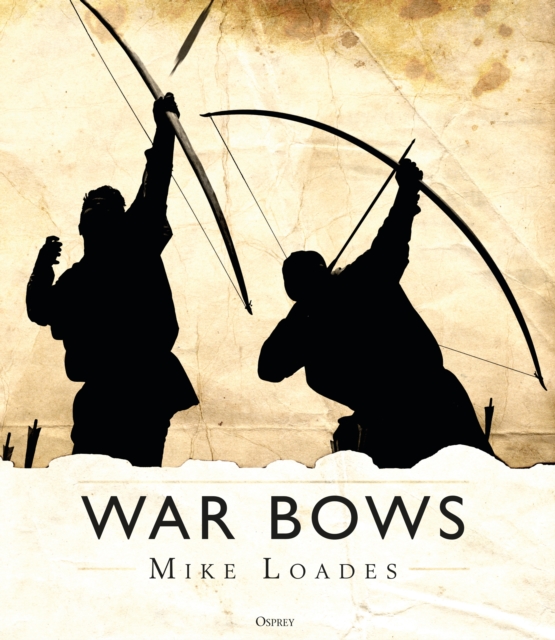
A fascinating and lively history of four bows that changed warfare the composite bow, the longbow, the crossbow and the Japanese bow, the yumi by a world-renowned expert.
A fascinating and lively history of four bows that changed warfare the composite bow, the longbow, the crossbow and the Japanese bow, the yumi by a world-renowned expert.
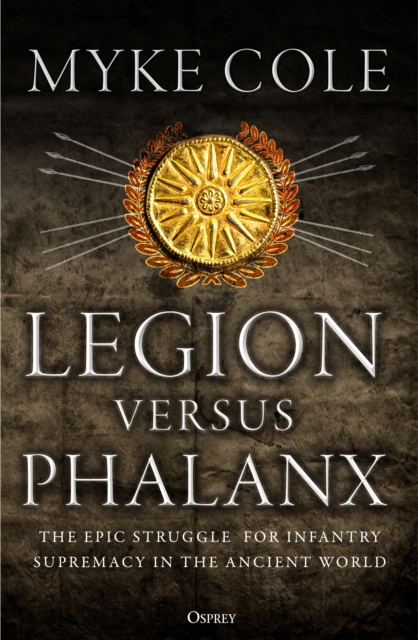
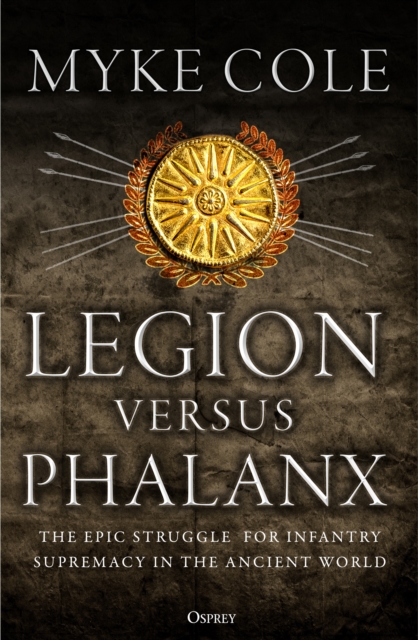
Taking a populist approach to a serious subject, Myke Cole combines a novelist's flair for drama with an ancient historian's eye for detail to create a unique book that delves into one of the most popular areas of the Ancient World.
Taking a populist approach to a serious subject, Myke Cole combines a novelist's flair for drama with an ancient historian's eye for detail to create a unique book that delves into one of the most popular areas of the Ancient World.
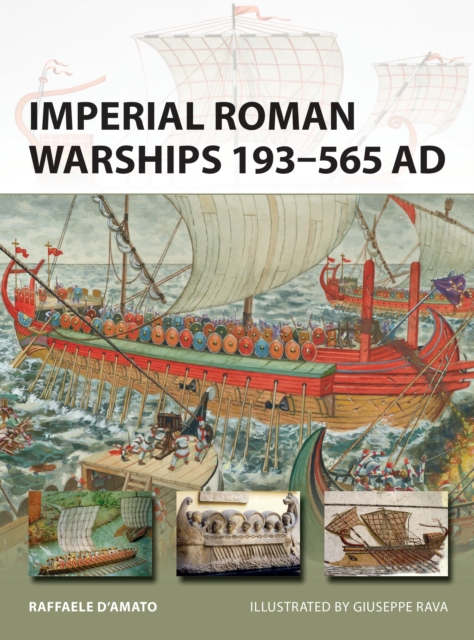
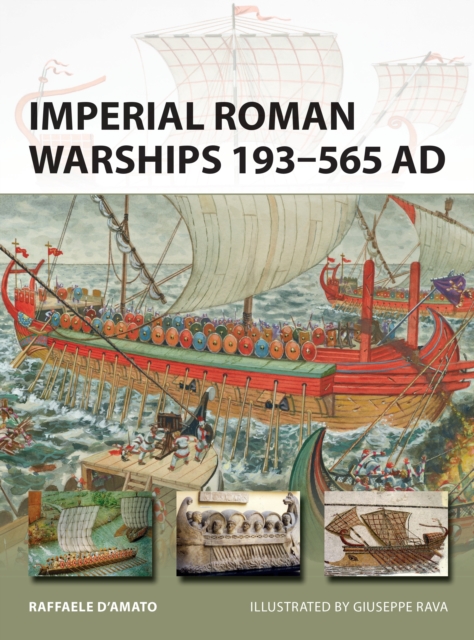
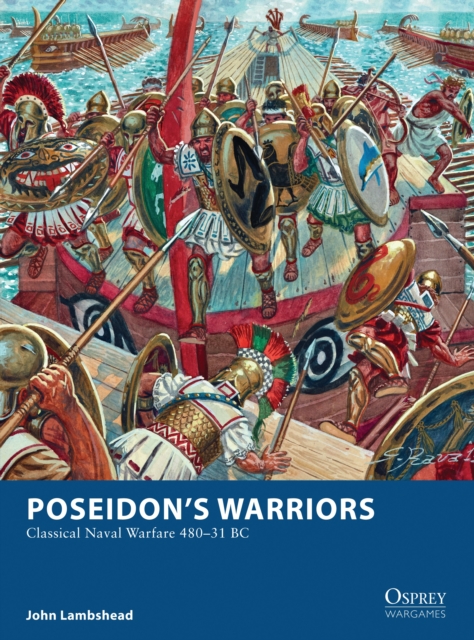
Poseidon's Warriors is a set of wargaming rules for large-scale naval actions between fleets of Classical galleys from the Greek and Persian clash at the battle of Salamis to the battle of Actium that decided the fate of Rome.
Poseidon's Warriors is a set of wargaming rules for large-scale naval actions between fleets of Classical galleys from the Greek and Persian clash at the battle of Salamis to the battle of Actium that decided the fate of Rome.
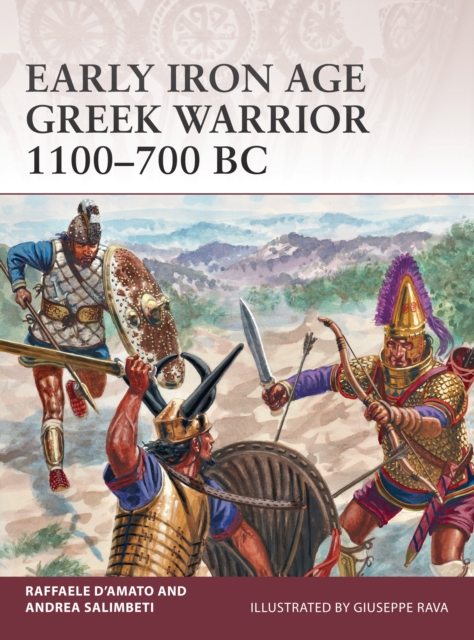
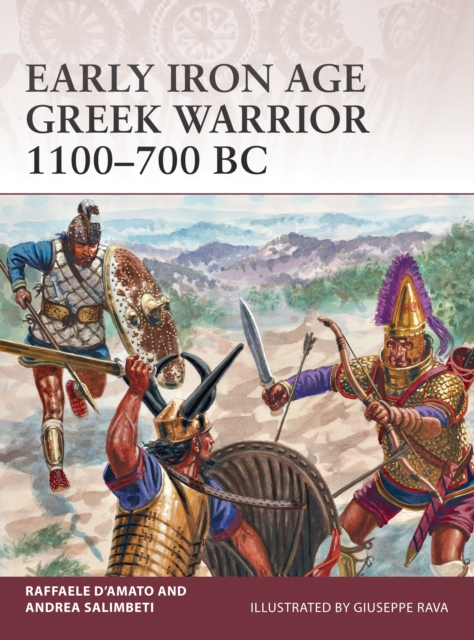
The period from 1200 BC onwards saw vast changes in every aspect of life on both the Greek mainland and islands as monarchies disappeared and were replaced by aristocratic rule and a new form of community developed: the city-state.
The period from 1200 BC onwards saw vast changes in every aspect of life on both the Greek mainland and islands as monarchies disappeared and were replaced by aristocratic rule and a new form of community developed: the city-state.
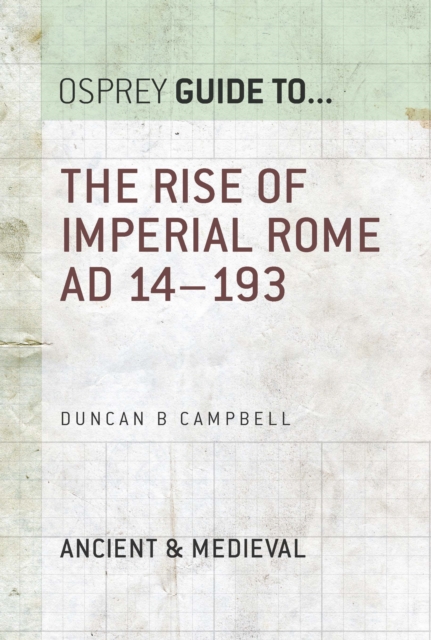
Based on up-to-date scholarship, an engaging account of Rome's response to external challenges that covers nearly two centuries of warfare between the empire and its enemies.
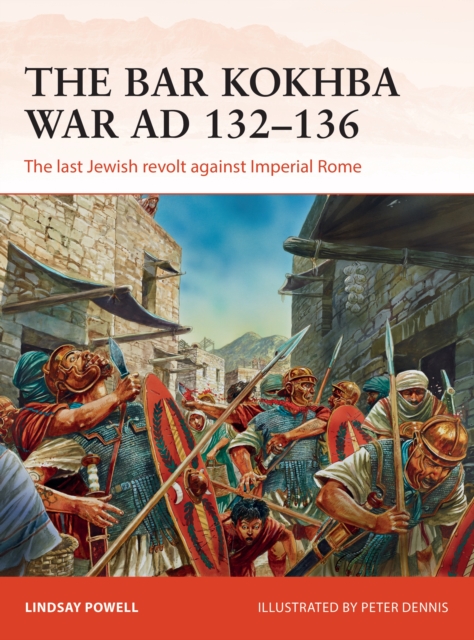
Now in a shorter, easy-to-read guide, this book explains Israel's complex, often bloody, foreign policy, and provides a definitive history of these ancient conflicts.
Now in a compact, e-guide format, a short history of Julius Caesar's short but bloody conquest of the Celtic tribes, which led to the establishment of the Roman province of Gaul (modern France).
Now in a compact handy e-guide, Adrian Goldsworthy's account of the civil war between Julius Caesar and Pompey the Great, two of the greatest generals Rome had ever produced.
The age of Alexander and his conquest of the Persian or 'Achaemenid' Empire, which had existed for over two centuries, represents a watershed in the history of the world.
In the early third century AD the Roman Empire was a force to be reckoned with, controlling vast territories and wielding enormous political power from Scotland to the Sahara.
'An exciting, highly informative and also enjoyable read: Shepherd writes with clarity and verve this book should find its way into the hands of all schools, universities and lovers of Herodotus.