'An exciting, highly informative and also enjoyable read: Shepherd writes with clarity and verve this book should find its way into the hands of all schools, universities and lovers of Herodotus.
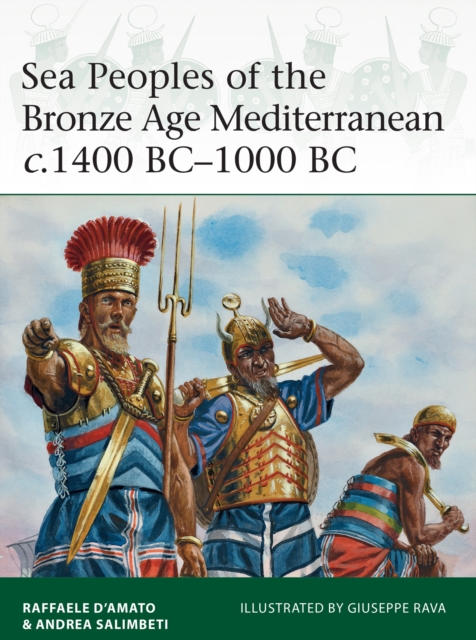
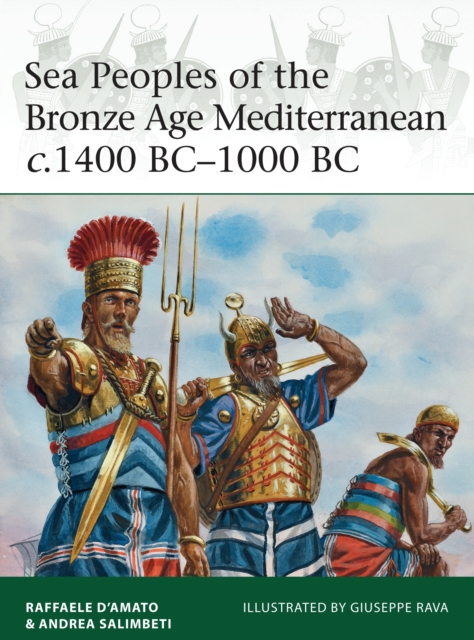
This title features up-to-date historical and archaeological research into the mysterious and powerful confederations of raiders who troubled the Eastern Mediterranean in the last half of the Bronze Age.
This title features up-to-date historical and archaeological research into the mysterious and powerful confederations of raiders who troubled the Eastern Mediterranean in the last half of the Bronze Age.
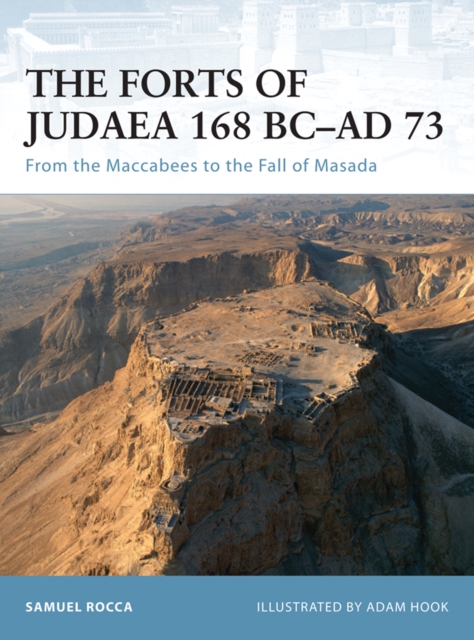
This book analyzes the fortifications of Hasmonaean and Herodian Judaea from the middle of the second century BC, when the Maccabees rebelled against their Seleucids overlords and established an independent state, until the end of the Jewish-Roman War in AD 73.
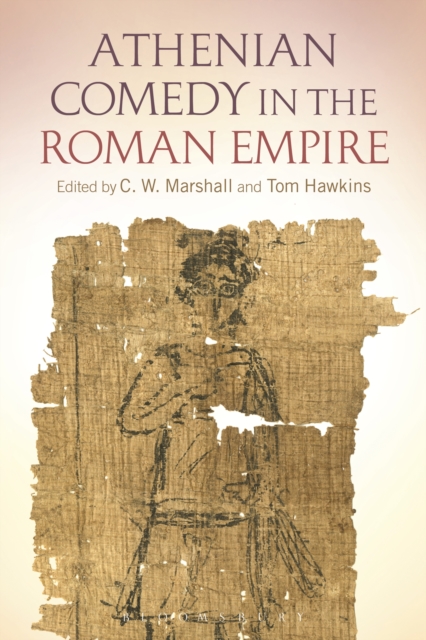
Athenian comedy is firmly entrenched in the classical canon, but imperial authors debated, dissected and redirected comic texts, plots and language of Aristophanes, Menander, and their rivals in ways that reflect the non-Athenocentric, pan-Mediterranean performance culture of the imperial era.
Athenian comedy is firmly entrenched in the classical canon, but imperial authors debated, dissected and redirected comic texts, plots and language of Aristophanes, Menander, and their rivals in ways that reflect the non-Athenocentric, pan-Mediterranean performance culture of the imperial era.
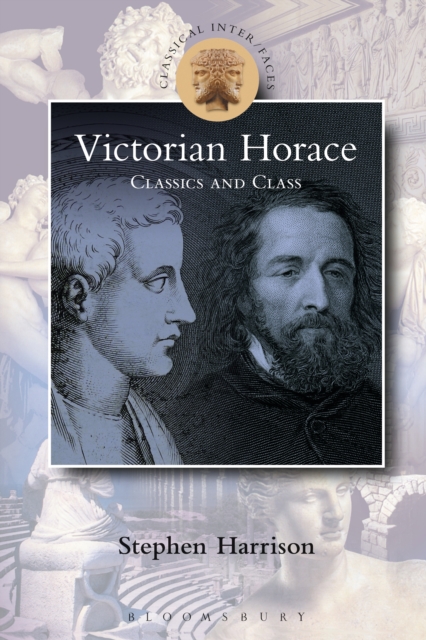
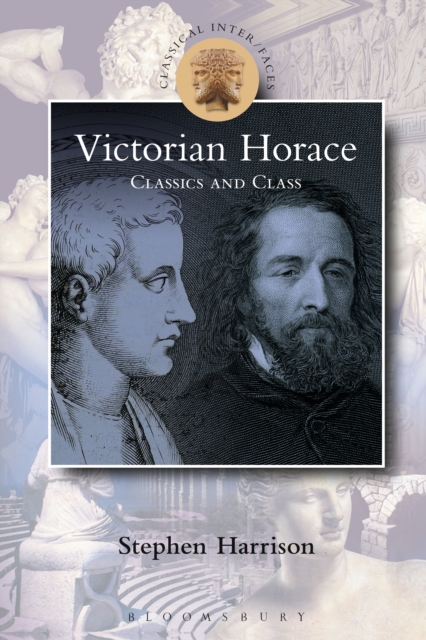
The poetry of Horace was central to Victorian male elite education and the ancient poet himself, suitably refashioned, became a model for the English gentleman.
The poetry of Horace was central to Victorian male elite education and the ancient poet himself, suitably refashioned, became a model for the English gentleman.
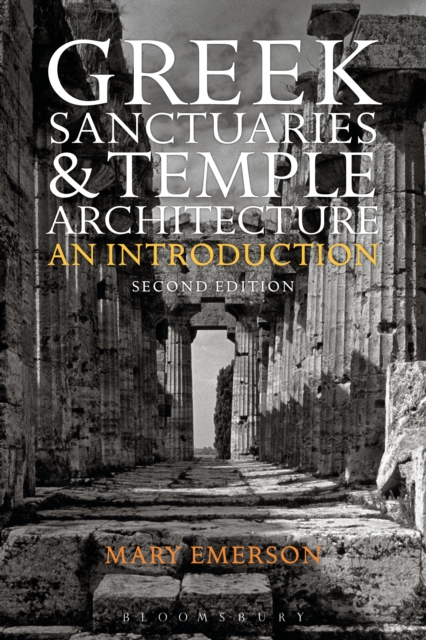
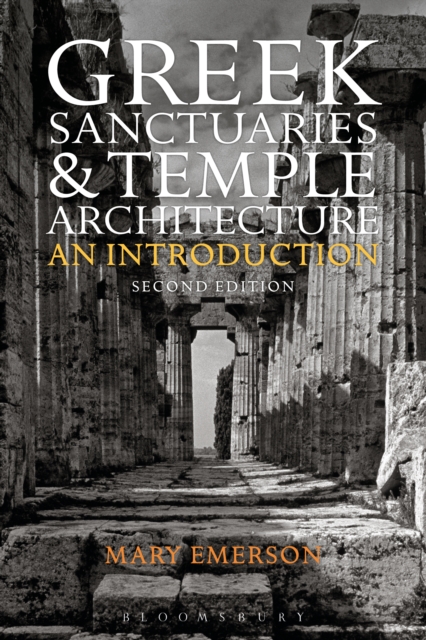
Assuming no prior knowledge, this book introduces the reader to a selection of sites and temples, exploring them in detail and explaining all technical terms along the way.
Assuming no prior knowledge, this book introduces the reader to a selection of sites and temples, exploring them in detail and explaining all technical terms along the way.
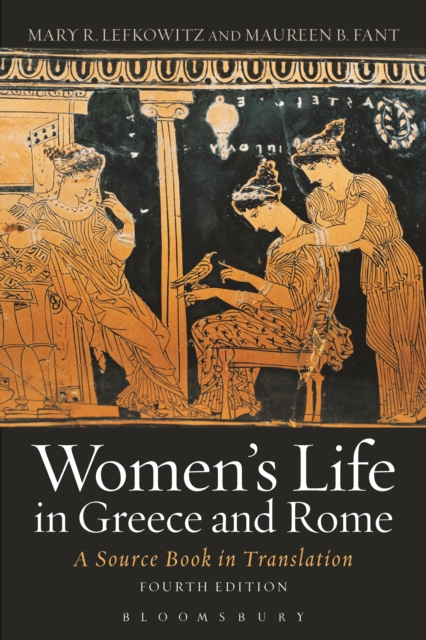
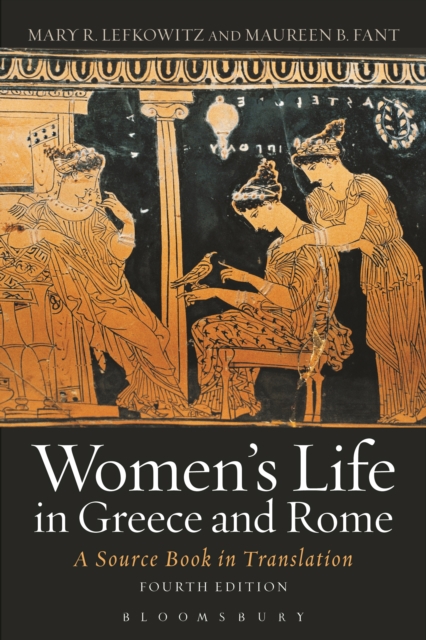
This highly acclaimed collection, the first sourcebook on ancient women and now in its fourth edition, provides a unique look into the public and private lives and legal status of Greek and Roman women.
This highly acclaimed collection, the first sourcebook on ancient women and now in its fourth edition, provides a unique look into the public and private lives and legal status of Greek and Roman women.
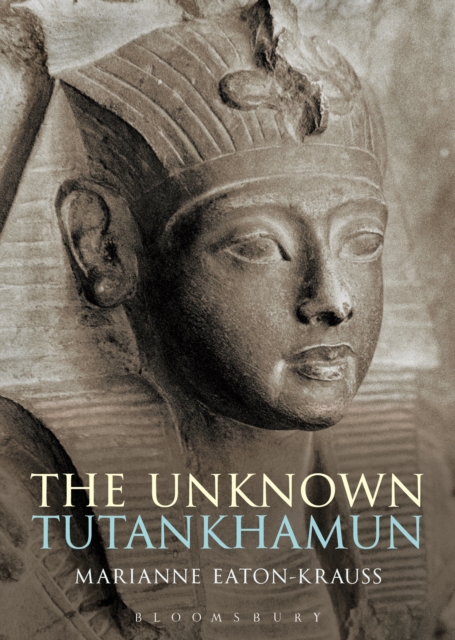
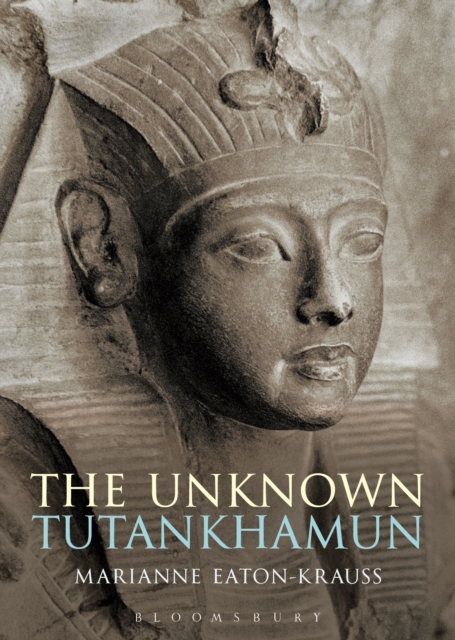
Following the discovery of Tutankhamun's tomb in 1922, the story of the boy who became Pharaoh, died young, and was buried in splendor at the height of Egyptian civilization captivated generations.
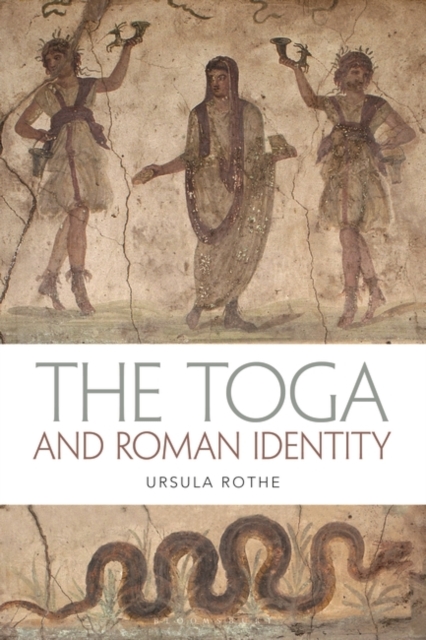
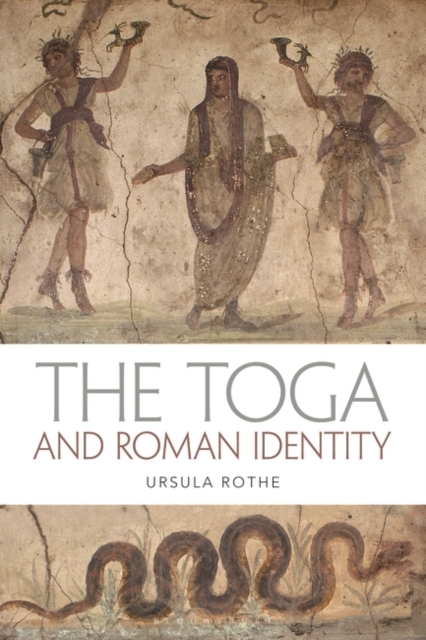
This book traces the toga's history from its origins in the Etruscan garment known as the tebenna, through its use as an everyday garment in the Republican period to its increasingly exclusive role as a symbol of privilege in the Principate and its decline in use in late antiquity.
This book traces the toga's history from its origins in the Etruscan garment known as the tebenna, through its use as an everyday garment in the Republican period to its increasingly exclusive role as a symbol of privilege in the Principate and its decline in use in late antiquity.
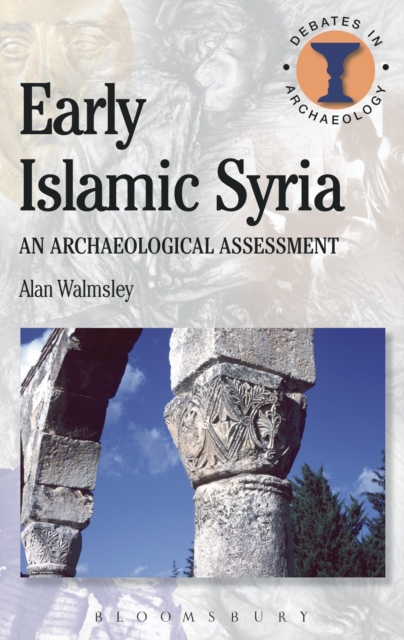
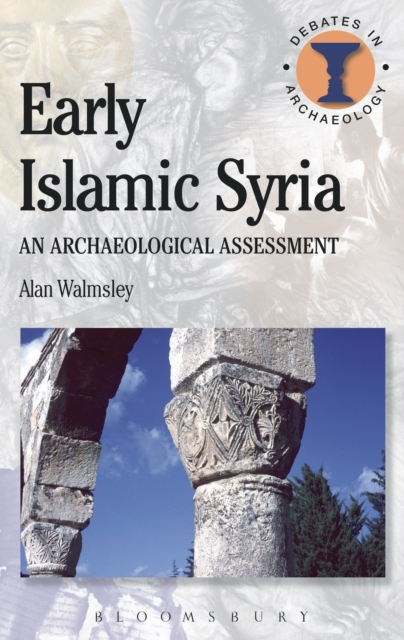
After more than a century of neglect, a profound revolution is occurring in the way archaeology addresses and interprets developments in the social history of early Islamic Syria-Palestine.
After more than a century of neglect, a profound revolution is occurring in the way archaeology addresses and interprets developments in the social history of early Islamic Syria-Palestine.
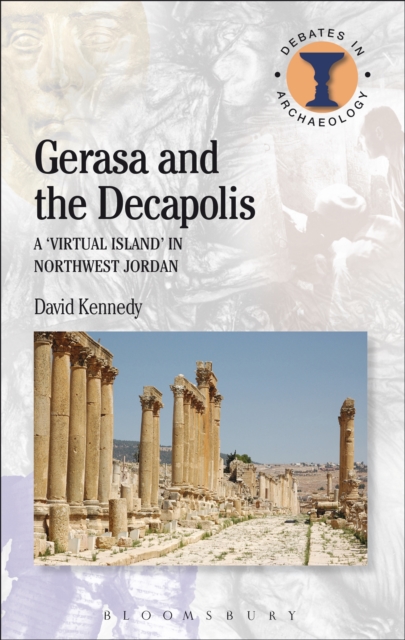
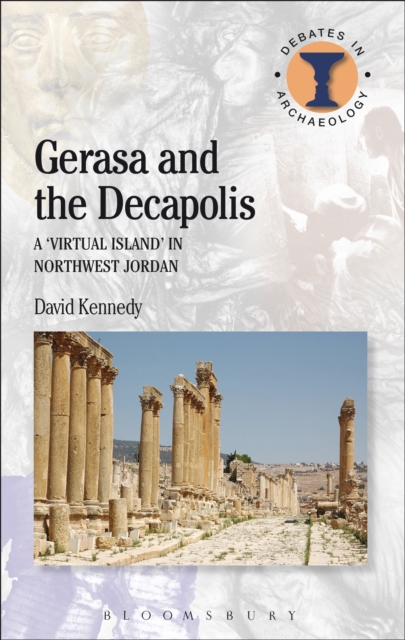
During the Long Classical Millennium (fourth century BC to eighth century AD), Northwest Jordan was part of two worlds, looking west to the Mediterranean as well as east towards the Arabian desert.
During the Long Classical Millennium (fourth century BC to eighth century AD), Northwest Jordan was part of two worlds, looking west to the Mediterranean as well as east towards the Arabian desert.
Emil Sch rer's Geschichte des judischen Volkes im Zeitalter Jesu Christi, originally published in German between 1874 and 1909 and in English between 1885 and 1891, is a critical presentation of Jewish history, institutions, and literature from 175 B.
Emil Sch rer's Geschichte des judischen Volkes im Zeitalter Jesu Christi, originally published in German between 1874 and 1909 and in English between 1885 and 1891, is a critical presentation of Jewish history, institutions, and literature from 175 B.
Emil Sch rer's Geschichte des judischen Volkes im Zeitalter Jesu Christi, originally published in German between 1874 and 1909 and in English between 1885 and 1891, is a critical presentation of Jewish history, institutions, and literature from 175 B.
Designed for students and teachers of Ancient History or Classical Civilisation at school and in early university years, this series provides a valuable collection of guides to the history, art, literature, values and social institutions of the ancient world.
Designed for students and teachers of Ancient History or Classical Civilisation at school and in early university years, this series provides a valuable collection of guides to the history, art, literature, values and social institutions of the ancient world.
During the Principate (roughly from 27 BC to AD 235), when the empire reached its maximum extent, Roman society and culture were radically transformed.
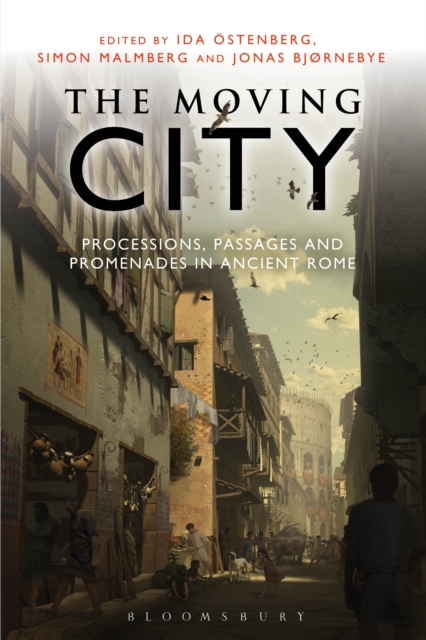
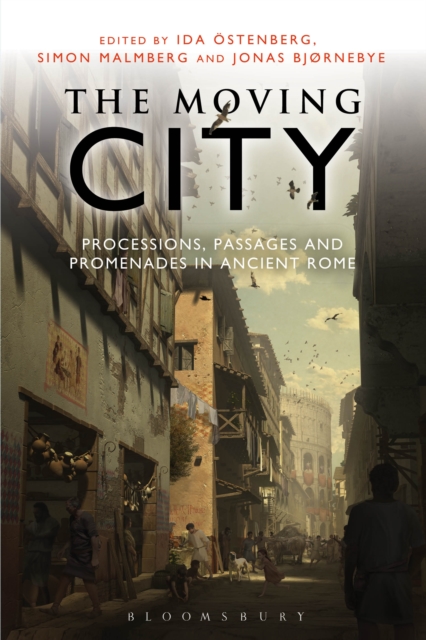
The Moving City: Processions, Passages and Promenades in Ancient Rome focusses on movements in the ancient city of Rome, exploring the interaction between people and monuments.
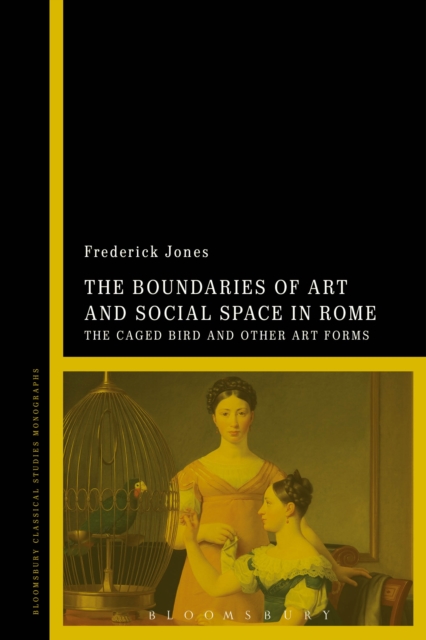
This volume focuses on four cultural phenomena in the Roman world of the late Republic - the garden, a garden painting, tapestry, and the domestic caged bird.
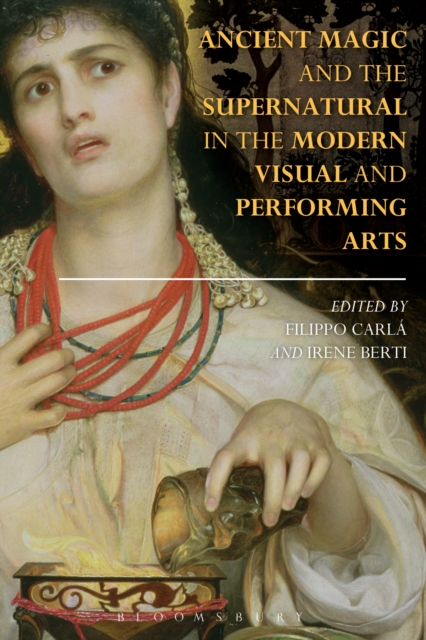
To what extent did mythological figures such as Circe and Medea influence the representation of the powerful 'oriental' enchantress in modern Western art?
The Moving City: Processions, Passages and Promenades in Ancient Rome focusses on movements in the ancient city of Rome, exploring the interaction between people and monuments.