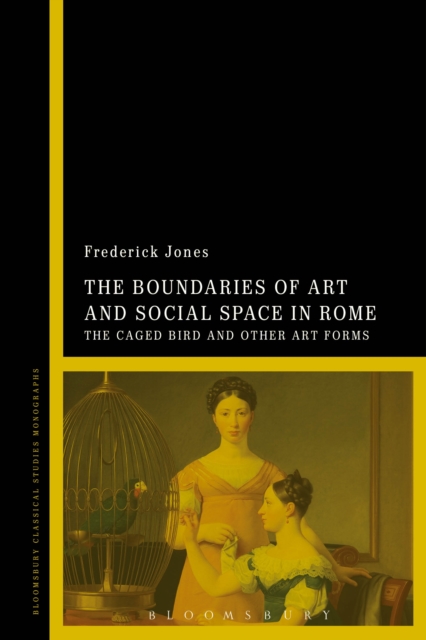
This volume focuses on four cultural phenomena in the Roman world of the late Republic - the garden, a garden painting, tapestry, and the domestic caged bird.
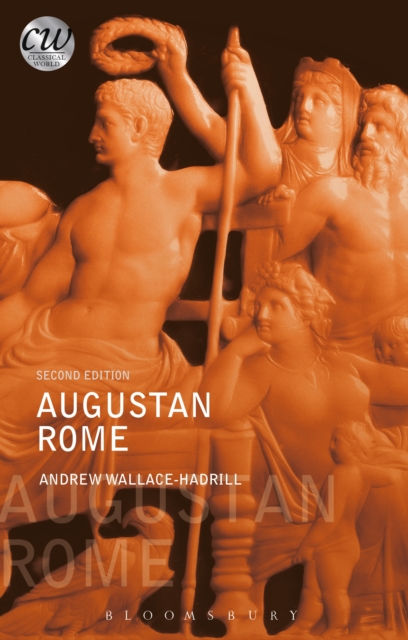
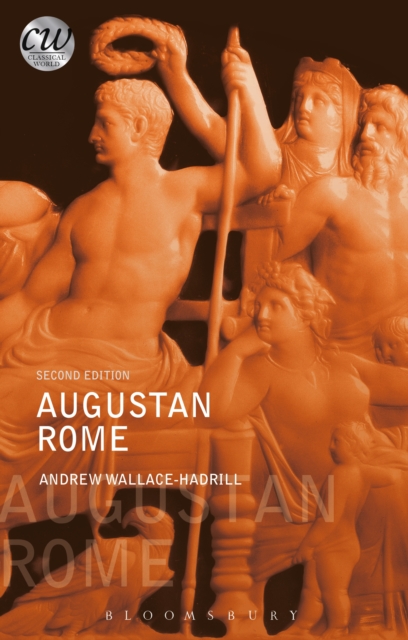
Written by Andrew Wallace-Hadrill, one of the world's foremost scholars on Roman social and cultural history, this well-established introduction to Rome in the Age of Augustus provides a fascinating insight into the social and physical contexts of Augustan politics and poetry, exploring in detail the impact of the new regime of government on society.
Book VIII of the Aeneid presents a crucial turning point in the mythological foundation of Rome, with clear political resonances for the future Augustan regime.
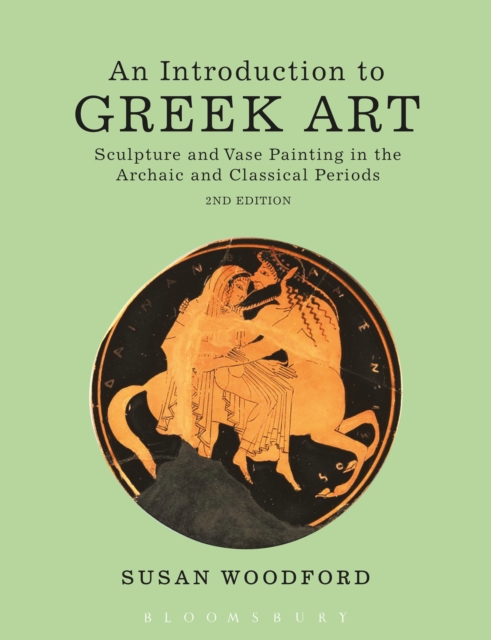
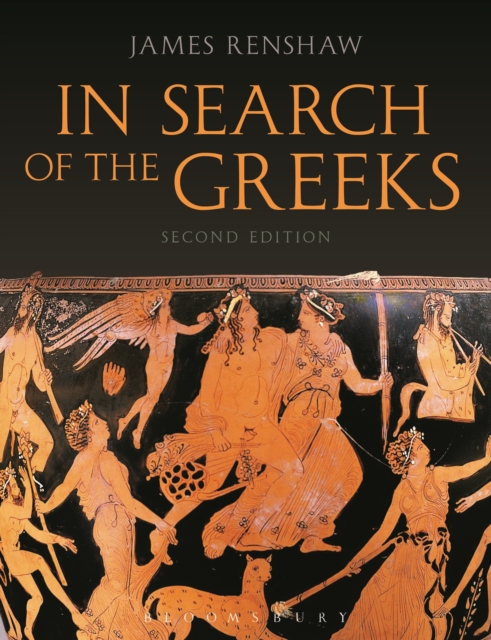
The four centuries between the composition of the Homeric epics and the conquests of Alexander the Great witnessed an immensely creative period in Greek art, one full of experimentation and innovation.
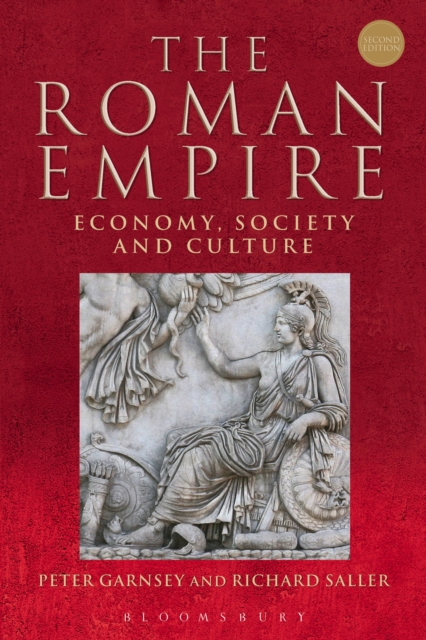
During the Principate (roughly from 27 BC to AD 235), when the empire reached its maximum extent, Roman society and culture were radically transformed.
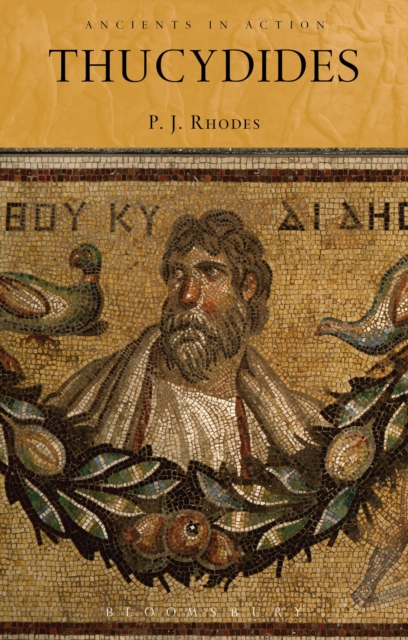
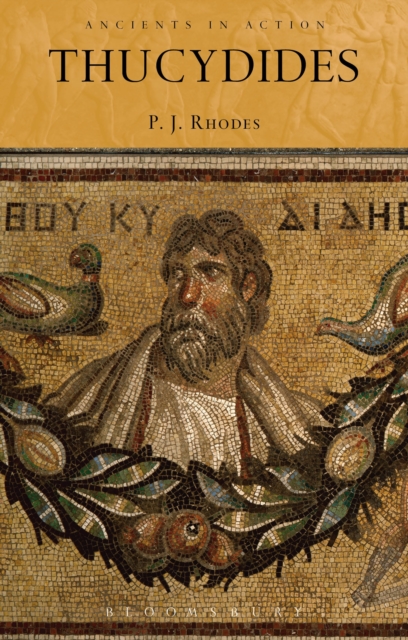
Thucydides was labelled the 'greatest historian that ever lived' by Macauley and no study of Classical Greece is complete without encountering his history of the Peloponnesian War, the greatest war of Greeks against Greeks in the late fifth century BCE, which ended in the fall of Athens.
The four centuries between the composition of the Homeric epics and the conquests of Alexander the Great witnessed an immensely creative period in Greek art, one full of experimentation and innovation.
Written by Andrew Wallace-Hadrill, one of the world's foremost scholars on Roman social and cultural history, this well-established introduction to Rome in the Age of Augustus provides a fascinating insight into the social and physical contexts of Augustan politics and poetry, exploring in detail the impact of the new regime of government on society.
Book VIII of the Aeneid presents a crucial turning point in the mythological foundation of Rome, with clear political resonances for the future Augustan regime.
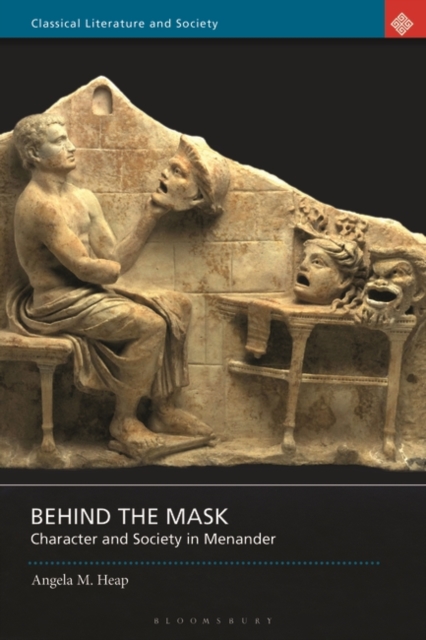
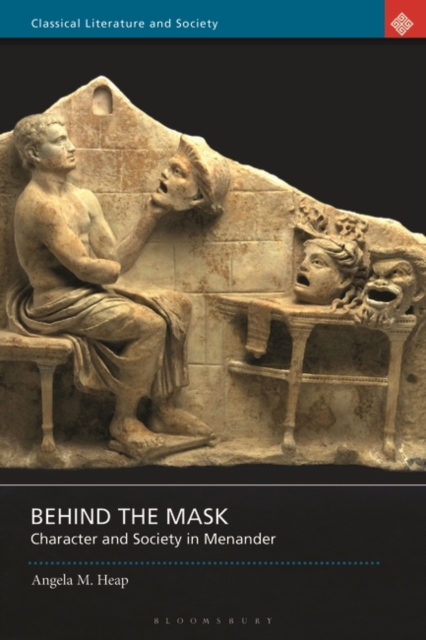
This new study of Menander casts fresh light not only on the techniques of the playwright but also on the literary and historical contexts of the plays.
This new study of Menander casts fresh light not only on the techniques of the playwright but also on the literary and historical contexts of the plays.
To what extent did mythological figures such as Circe and Medea influence the representation of the powerful 'oriental' enchantress in modern Western art?
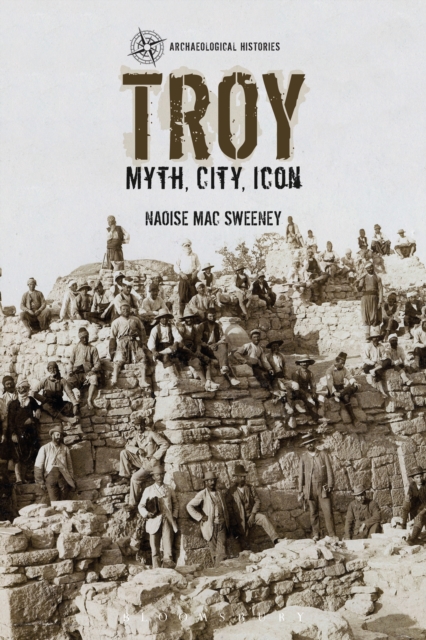
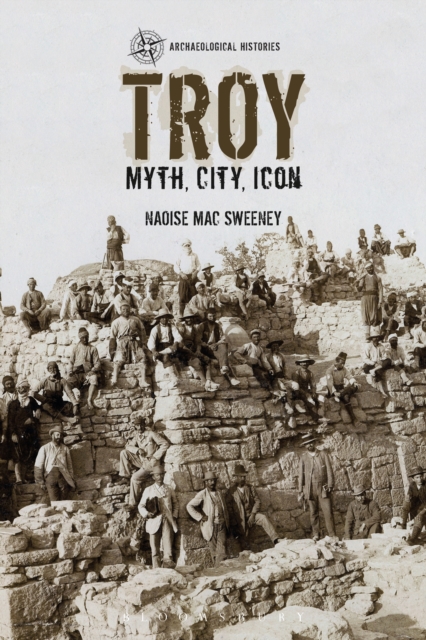
PROSE Award for Excellence in Archeology and Ancient History Finalist 2019From the palaces of Homeric epic to the ancestral seat of Roman emperors, Troy in antiquity was a place couched in myth.
Thucydides was labelled the 'greatest historian that ever lived' by Macauley and no study of Classical Greece is complete without encountering his history of the Peloponnesian War, the greatest war of Greeks against Greeks in the late fifth century BCE, which ended in the fall of Athens.
First performed in 458BC, Aeschylus's trilogy of plays - known collectively as The Oresteia - remains perhaps the great masterpiece of Ancient tragic drama.
PROSE Award for Excellence in Archeology and Ancient History Finalist 2019From the palaces of Homeric epic to the ancestral seat of Roman emperors, Troy in antiquity was a place couched in myth.
First performed in 458BC, Aeschylus's trilogy of plays - known collectively as The Oresteia - remains perhaps the great masterpiece of Ancient tragic drama.
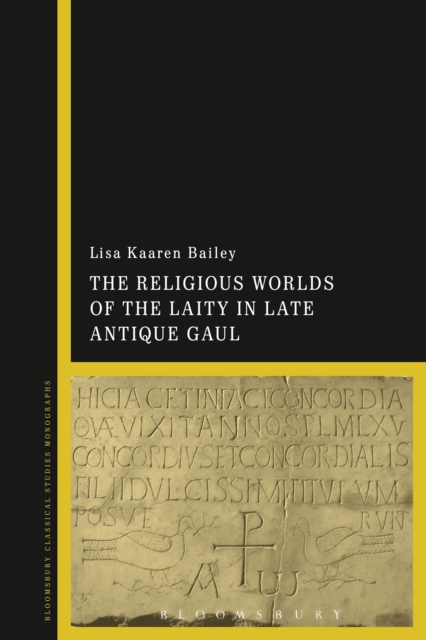
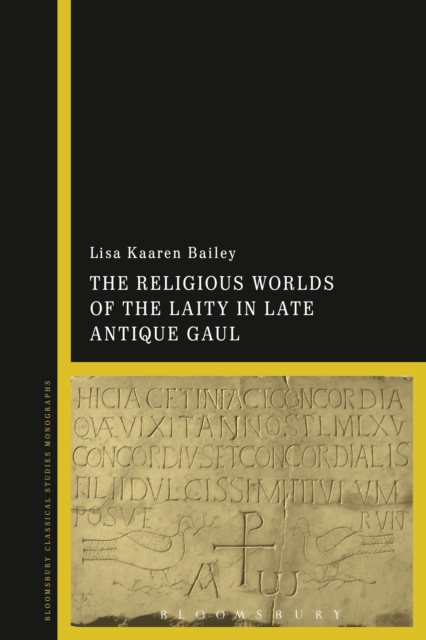
Christianity in the late antique world was not imposed but embraced, and the laity were not passive members of their religion but had a central role in its creation.
Christianity in the late antique world was not imposed but embraced, and the laity were not passive members of their religion but had a central role in its creation.
With an in-depth exploration of rule by a single man and how this was seen as heroic activity, the title challenges orthodox views of ruling in the ancient world and breaks down traditional ideas about the relationship between so-called hereditary rule and tyranny.
The presocratic philosopher Protagoras of Abdera (490 420 BC), founder of the sophistic movement, was famously agnostic towards the existence and nature of the gods, and was the proponent of the doctrine that 'man is the measure of all things'.
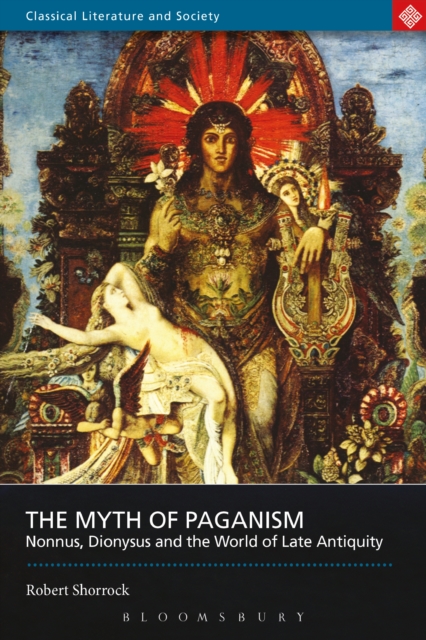
Traditional and still prevalent accounts of late antique literature draw a clear distinction between 'pagan' and 'Christian' forms of poetry: whereas Christian poetry is taken seriously in terms its contribution to culture and society at large, so-called pagan or secular poetry is largely ignored, as though it has no meaningful part to play within the late antique world.
Traditional and still prevalent accounts of late antique literature draw a clear distinction between 'pagan' and 'Christian' forms of poetry: whereas Christian poetry is taken seriously in terms its contribution to culture and society at large, so-called pagan or secular poetry is largely ignored, as though it has no meaningful part to play within the late antique world.
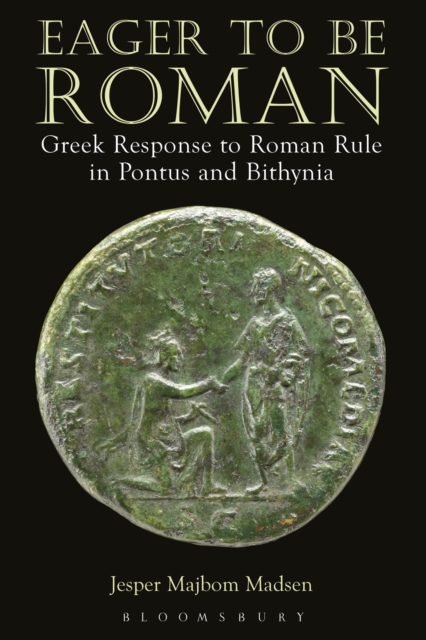
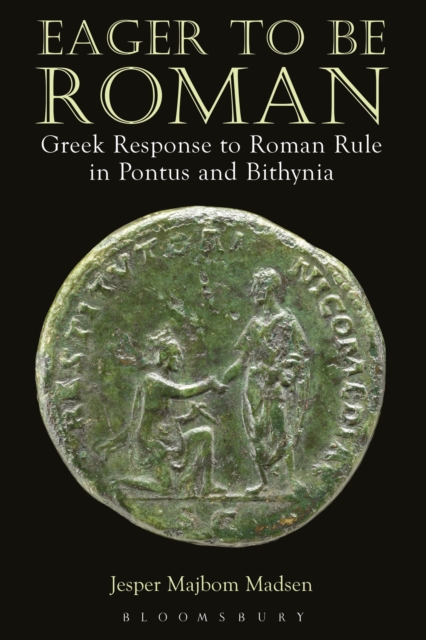
Eager to be Roman is an important investigation into the ways in which the population of Pontus et Bithynia, a Greek province in the northwestern part of Asia Minor (on the southern shore of the Black Sea), engaged culturally with the Roman Empire.
Eager to be Roman is an important investigation into the ways in which the population of Pontus et Bithynia, a Greek province in the northwestern part of Asia Minor (on the southern shore of the Black Sea), engaged culturally with the Roman Empire.
The presocratic philosopher Protagoras of Abdera (490 420 BC), founder of the sophistic movement, was famously agnostic towards the existence and nature of the gods, and was the proponent of the doctrine that 'man is the measure of all things'.
With an in-depth exploration of rule by a single man and how this was seen as heroic activity, the title challenges orthodox views of ruling in the ancient world and breaks down traditional ideas about the relationship between so-called hereditary rule and tyranny.