The fascinating story of how the fossils of dinosaurs, mammoths, and other extinct animals influenced some of the most spectacular creatures of classical mythologyGriffins, Centaurs, Cyclopes, and Giants-these fabulous creatures of classical mythology continue to live in the modern imagination through the vivid accounts that have come down to us from the ancient Greeks and Romans.
This fantastic volume explores the mysterious origins of the Egyptian civilization, looking at its relationship to ancient Samaria and subsequent history.
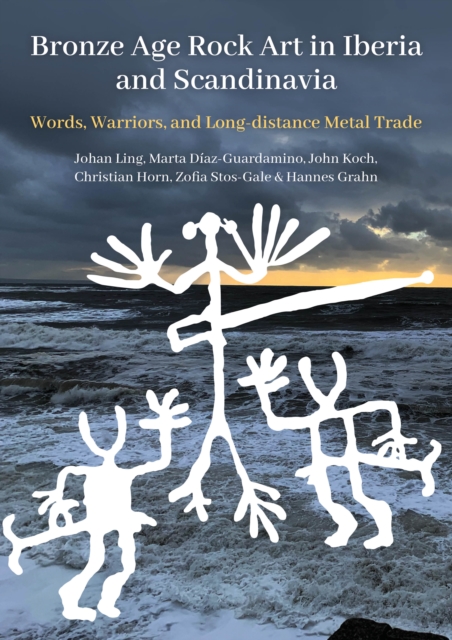
Discusses new evidence of interactions between Scandinavia and Iberia during the Bronze Age and cross references warrior iconography in both societies.
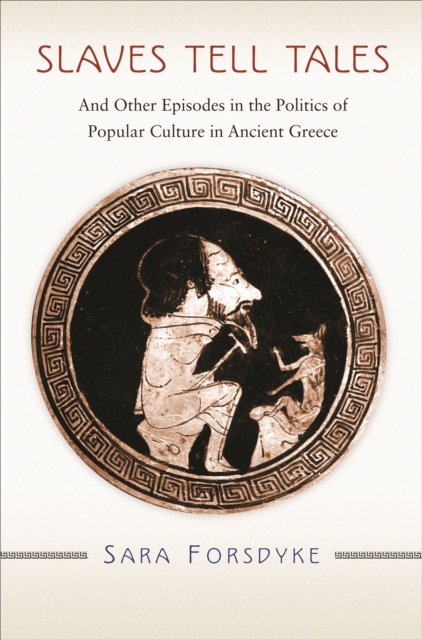
Most studies of ancient Greek politics focus on formal institutions such as the political assembly and the law courts, and overlook the role that informal social practices played in the regulation of the political order.
Economic Structures of the Ancient Near East (1985) is a political economy of antiquity which applies the universal conclusions of theoretical economics to the interpretation of economic life.
From the bestselling author of Fingerprints of the Gods, and creator of the explosive Netflix series, Ancient Apocalypse____________________________________'Supernatural: of or relating to things that cannot be explained according to natural laws.
The conversion of the emperor Constantine to Christianity in 368 AD brought a transformation to Christianity and to western civilization, the effects of which we still feel today.
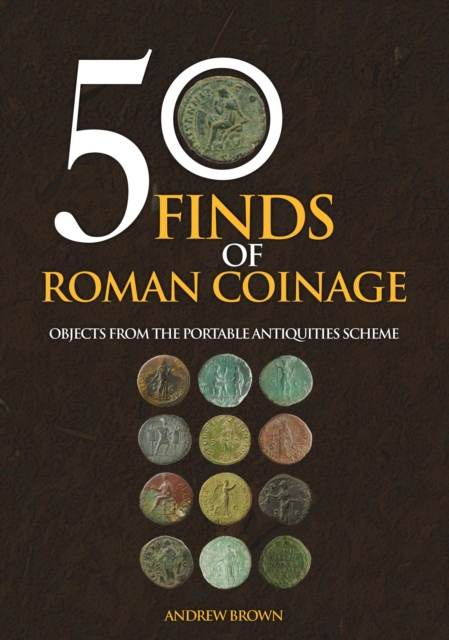
Roman coinage represents the largest single category of object recorded through the British Museum's Portable Antiquities Scheme (PAS), with over 300,000 single finds in addition to several thousand hoards.
The Roman Empire has been a source of fascination to political thinkers, the obsession of some of the greatest historians, and has influenced art down the ages.
50 Roman Finds From the Portable Antiquities Scheme highlights some of the most important and interesting Roman objects recorded by the Portable Antiquities Scheme (PAS) or reported as Treasure.
When soldiers of the Roman 9th Legion arrived in AD 70, they built a fortress and this huge military camp formed the foundation of the modern city of York.
British Bronze Age artefacts made from copper, bronze, gold, flint, jet and shale are renowned throughout Europe for their beauty and exquisite craftsmanship.
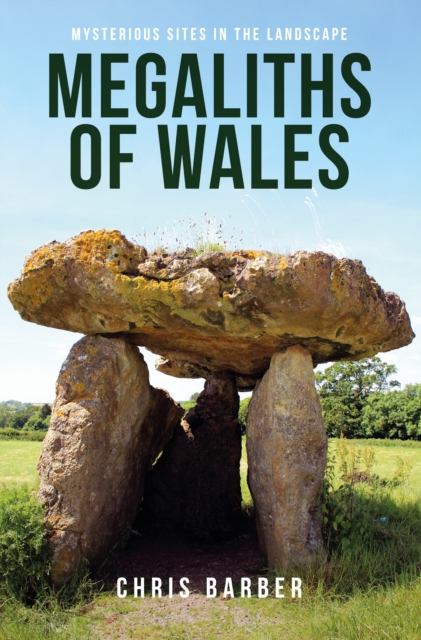
Erected by man for some long-forgotten purpose, there are large numbers of enigmatic standing stones, stone circles and burial chambers to be found in Wales.
The story of Athens is truly intriguing: how did a tiny community of 200,000 citizens manage to give birth to towering geniuses across the range of human endeavour, create one of the greatest civilizations in history, and lay the foundations of our own political and intellectual heritage?
Ancient Greece was never just one nation: it was a disparate collection of independent city-states, often embroiled in war with each other, with separate governments, their own armies and distinct politics, economies and societies.
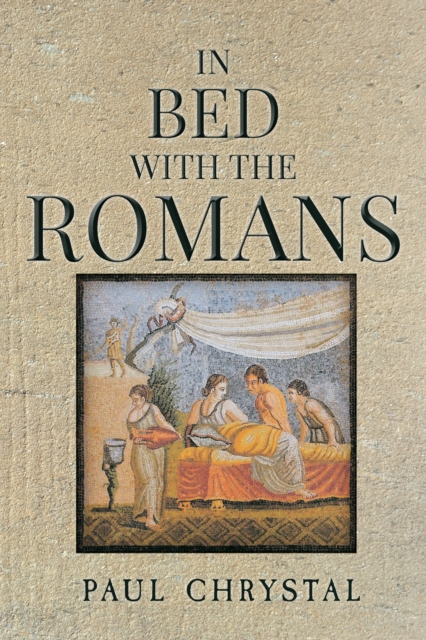
From what the Ancient Greeks might have talked about in bed to women's health and the intricacies of Greek marriage, Paul Chrystal shines a much-needed light on sex and sexuality in ancient Greece, one of the world's most influential civilizations.
In many ways, Roman attitudes to animals were similar to our own; they kept animals as household pets, they farmed animals for meat and hunted and fished.
The history of ancient Rome is the history of a city, of its people, and of its empire which at its height encompassed all the lands around the Mediterranean Sea and which stretched from Britain in the west to Syria in the east.
When the Roman army invaded Wales in AD 74, they had to build a continuous chain of fortresses along the length and breadth of the country because of the fierce opposition of the tribal population, the Celts.
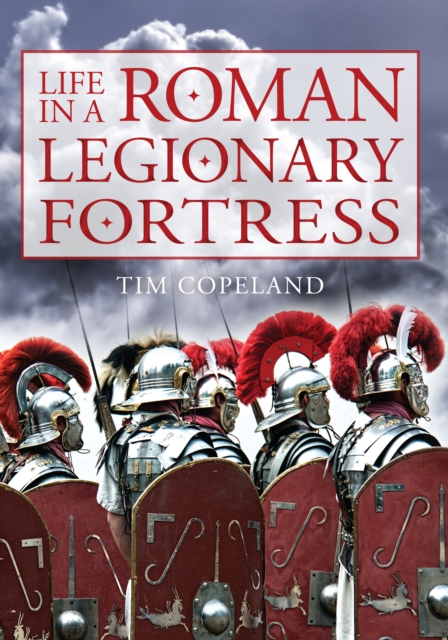
The Roman legions were the formidable, highly organised and welldisciplined backbone of the Roman army, vital to maintaining order and control of the borders of the Empire and its subjugated peoples.
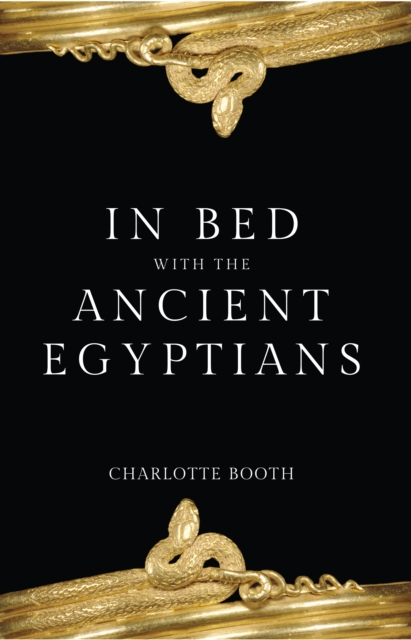
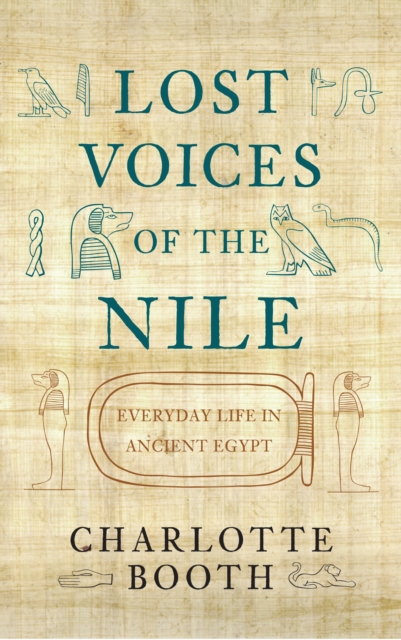
In modern-day media, depictions of ancient Egyptian society are of a highly sexualised, lustful culture, but how accurate are these depictions of a people so shrouded in mystery and legend that it is sometimes hard to tell truth from fiction?
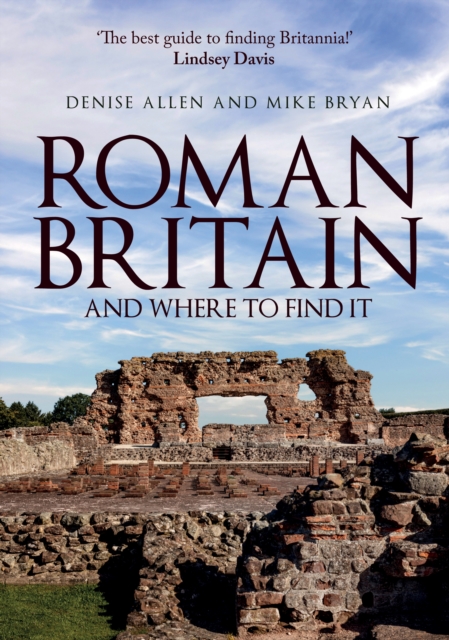
Hadrian's Wall is a major World Heritage site, set in stunning countryside in Cumbria and Northumberland, where the Wall and its forts are the most visited Roman remains in Britain.