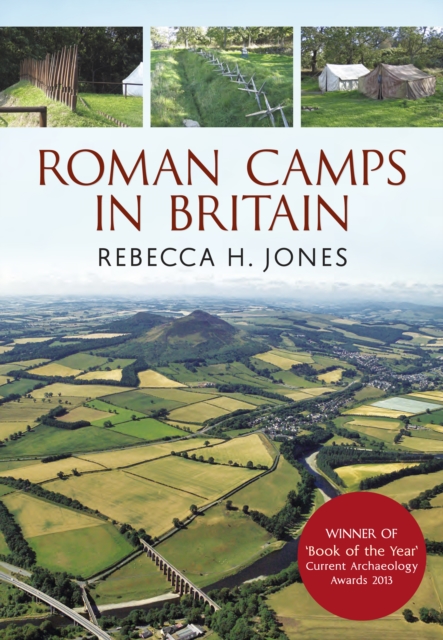
The Roman military is an iconic, ancient institution; everybody is familiar with the image of fearsome Roman soldiers marching in their famous columns.
The Roman military is an iconic, ancient institution; everybody is familiar with the image of fearsome Roman soldiers marching in their famous columns.
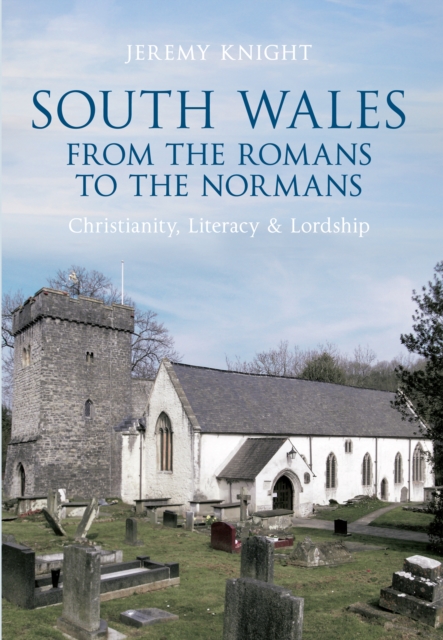
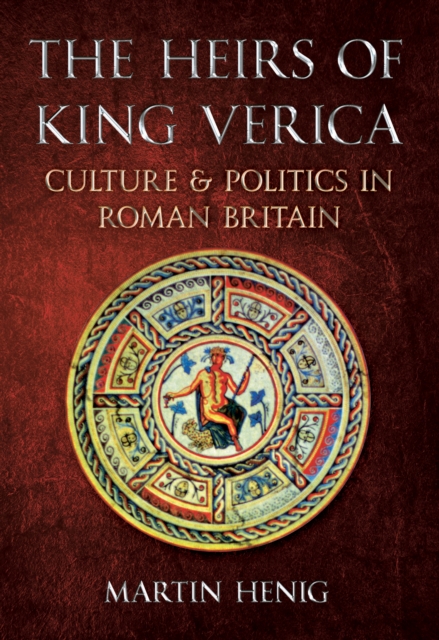
In the centuries after the end of Roman rule England and Wales emerged as literate and Christian peoples from the debris of the former Roman provinces.
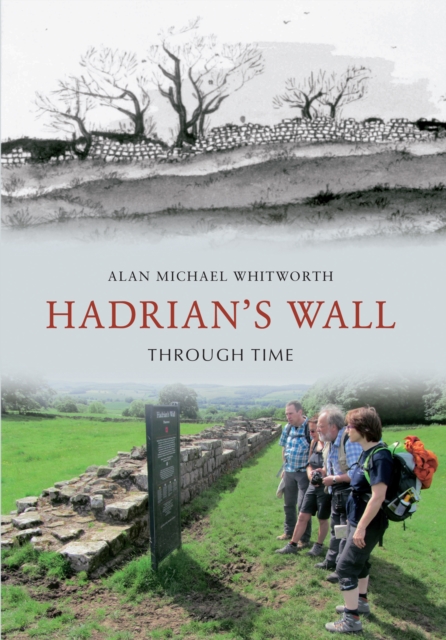
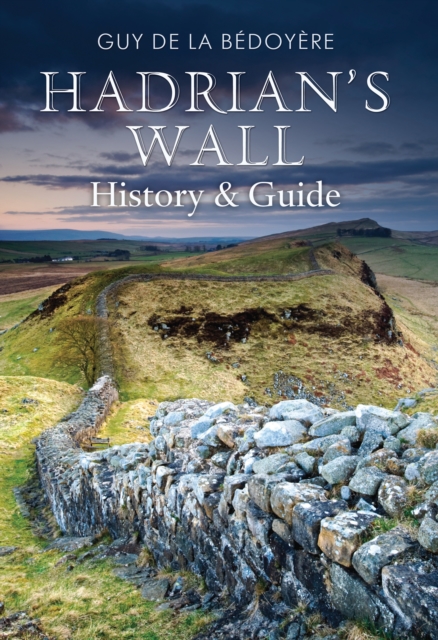
One of Britain's most impressive monuments, Hadrian's Wall is now a prime attraction for visitors who enjoy the excitement of walking through the spectacular scenery of its 'corridor' and its visible history.
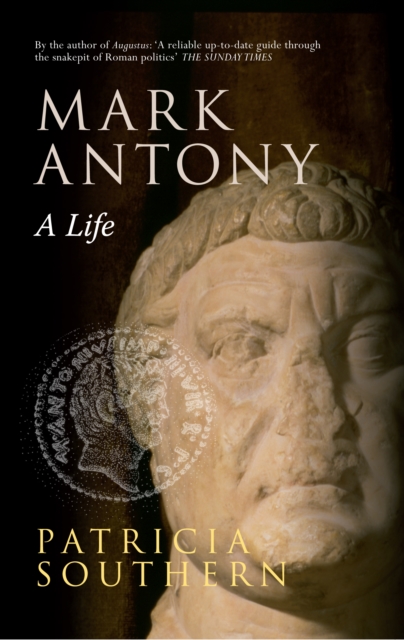
History has not been kind to Mark Antony, but then he was probably his own worst enemy, fatally flawed, too fond of wine and women, extravagant, impetuous, reckless, always in debt, and attached to all the wrong people.
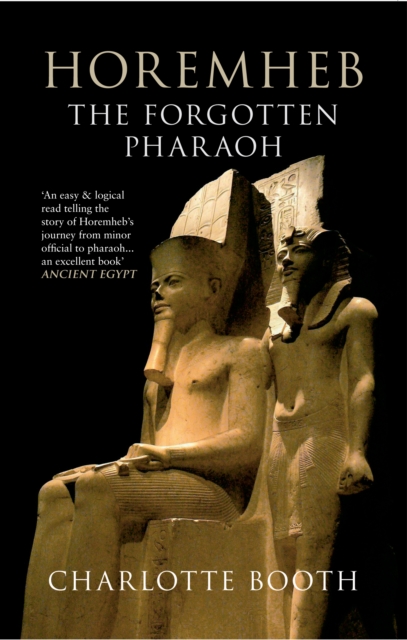
Horemheb ruled Egypt after Tutankhamun, and was fundamental in returning Egypt to the rich and powerful nation it was before Akhenaton took the throne.
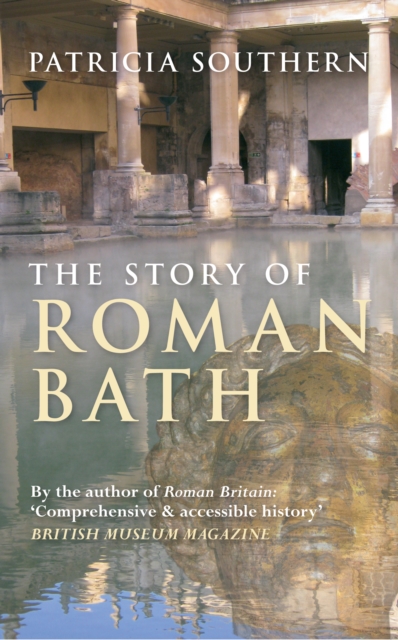
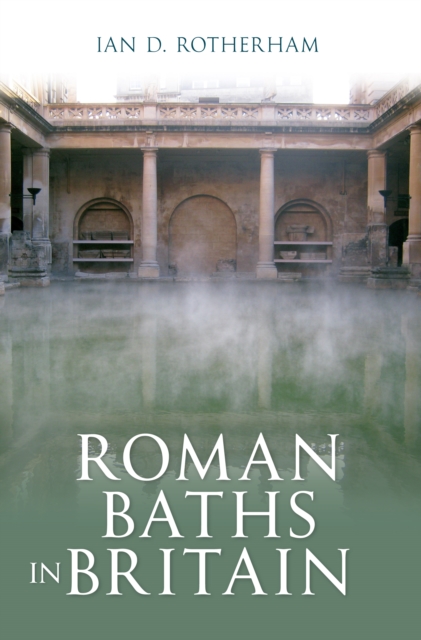
When the Romans built the bath-and-temple complex of Bath in the late first century AD, they called the place Aquae Sulis, the waters of Sulis, a British deity who was equated with the Roman goddess Minerva.
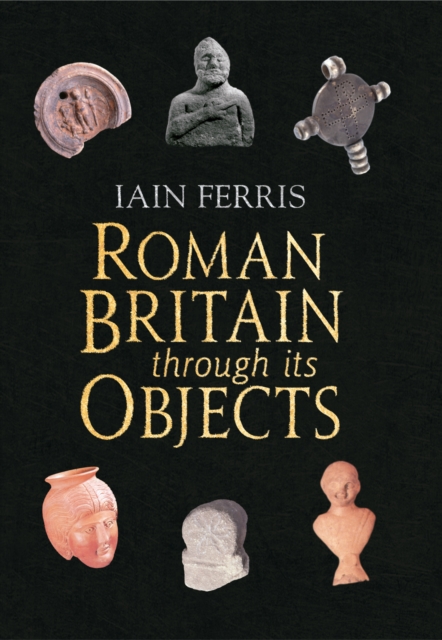
Objects made of metal, glass, baked clay, jet and shale, bone, antler and ivory, and of stone - the 'small finds' discovered on archaeological sites - help us weave a narrative about aspects of life in Roman Britain.
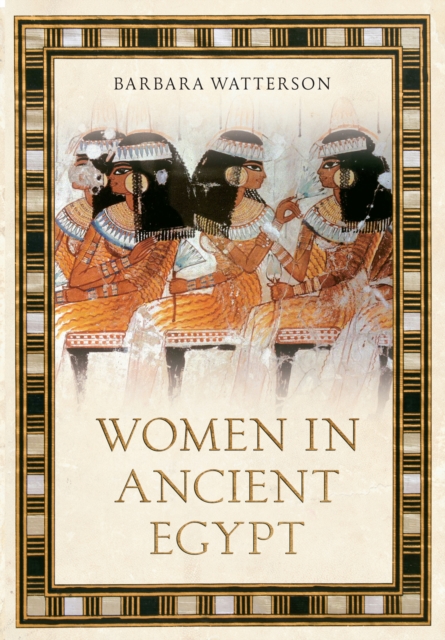
The lives of Egyptian women were free of the restraints normally placed upon women in the rest of the ancient world, allowing them to exercise a full part in society, recognised as equal with men under the law.
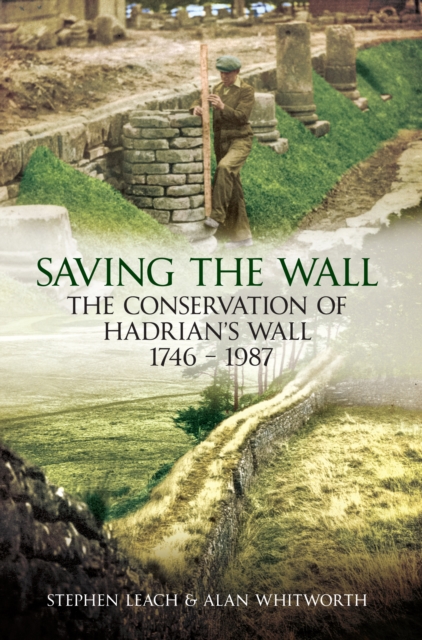
This book tells the story of the conservation of Hadrian's Wall, from the construction of General Wade's Military Road in the eighteenth century to the designation of the Wall as a World Heritage Site in 1987.
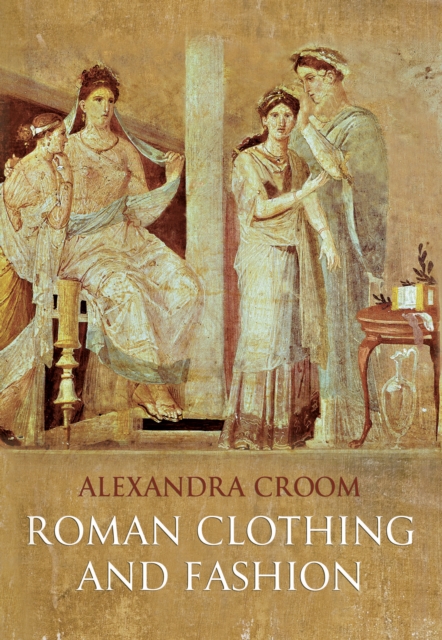
There is plenty of information about military dress in Roman Britain and the rest of the Roman Empire, but the evidence for civilian dress has not been comprehensively looked at since the 1930s.
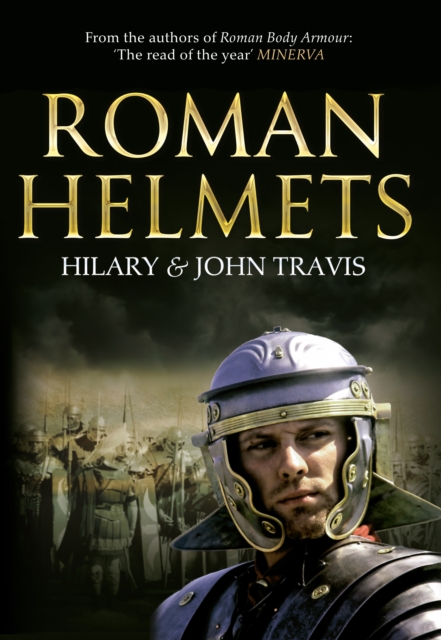
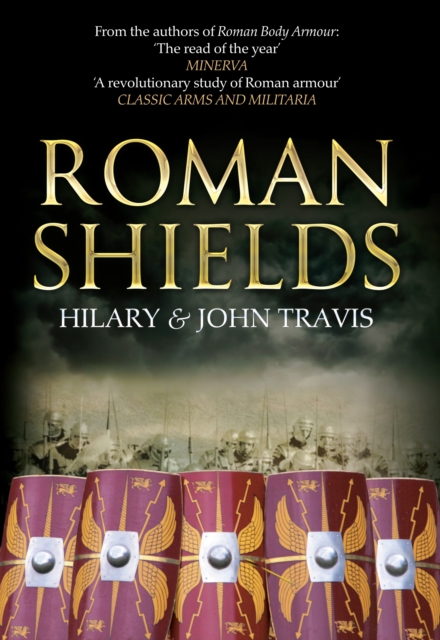
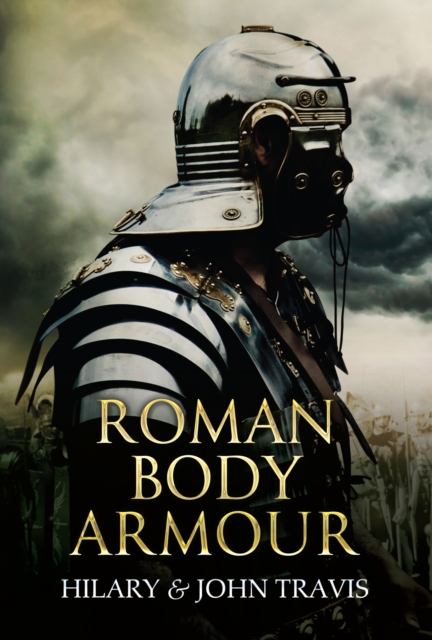
This book assesses current views of the body armour used by the Roman army and its development, melding these with the archaeological evidence available.
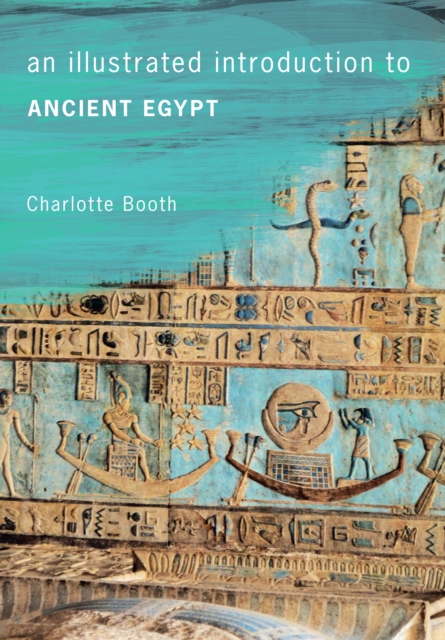
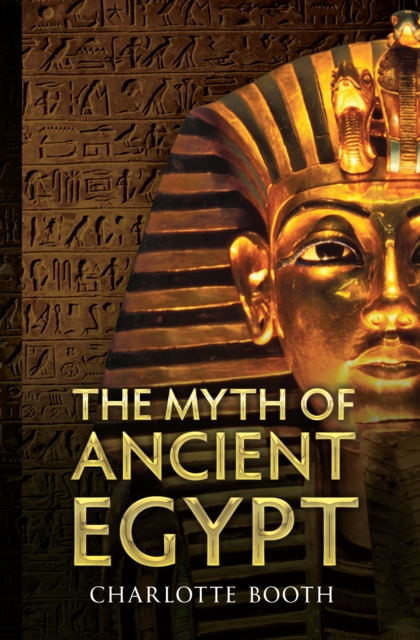
Egypt is extremely popular in the West, with almost everyone having some preconceptions about the country and its history, but questions about the building of the pyramids, the curse of Tutankhamun and Cleopatra's baths of ass's milk are only the tip of the iceberg.
Stretching 73 miles from coast to coast and reaching a height of about 13 feet, Hadrian's Wall should have been counted as one of the seven wonders of the ancient world.
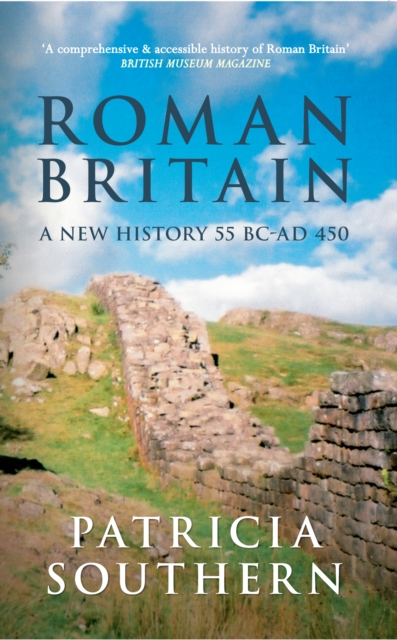
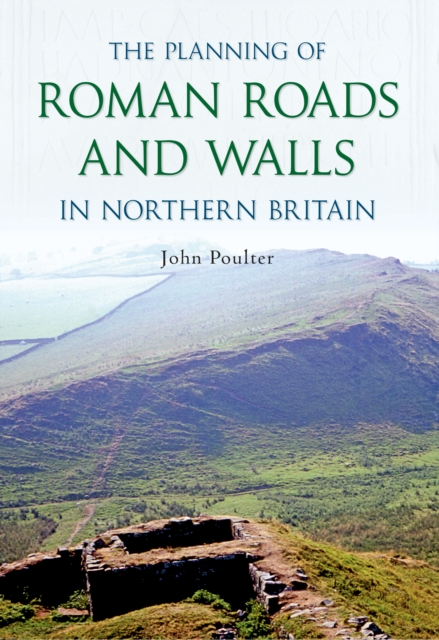
Of all the monuments from the 350 or more years of Roman rule in Britain, perhaps the most magnificent to come down to us today are their roads and the two great walls that they built across northern Britain - Hadrian's Wall and the Antonine Wall in Scotland.
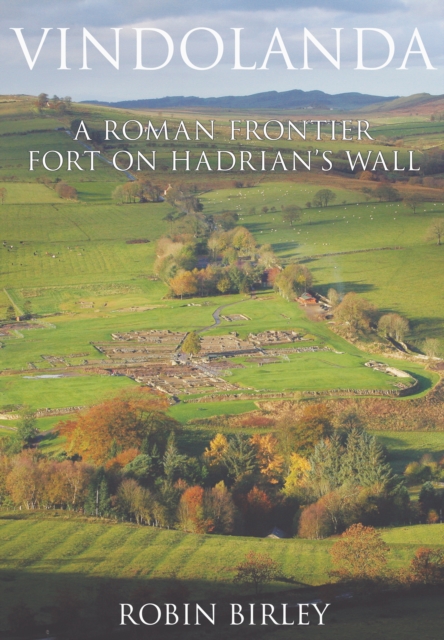
The beautiful site the Romans called Vindolanda lies in south-west Northumberland, in the district of Tynedale, more or less half way between the North Sea east of Newcastle and the Irish Sea to the west of Carlisle.
In the Mediterranean, this most fought-over region in the world, the figures of potentates and conquerors appear god-like: Thutmosis, Leonidas, Xerxes, Pyrrhus, Hannibal, Caesar and Vercingetorix.
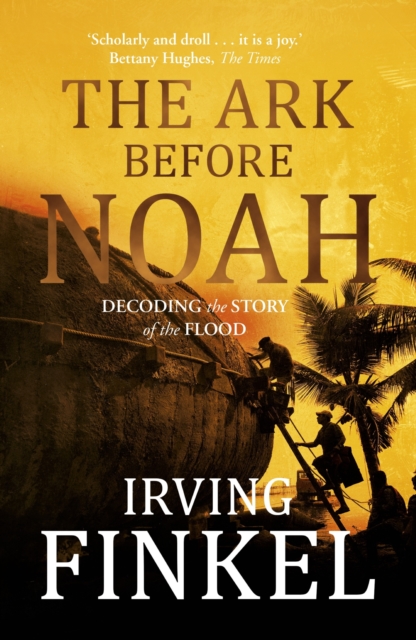
In THE ARK BEFORE NOAH, British Museum expert Dr Irving Finkel reveals how decoding the symbols on a 4,000 year old piece of clay enable a radical new interpretation of the Noah's Ark myth.
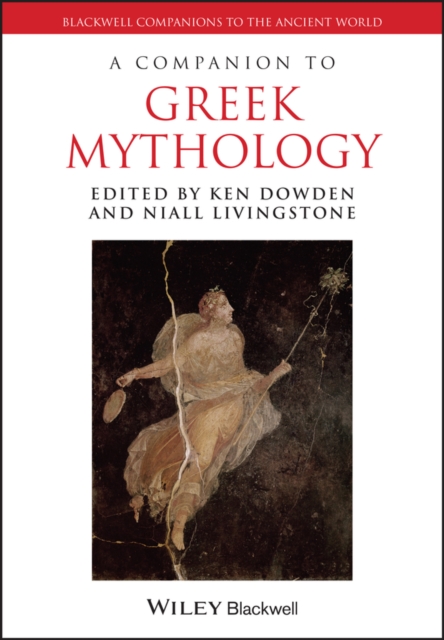
A Companion to Greek Mythology presents a series of essays that explore the phenomenon of Greek myth from its origins in shared Indo-European story patterns and the Greeks contacts with their Eastern Mediterranean neighbours through its development as a shared language and thought-system for the Greco-Roman world.
A Companion to Greek Mythology presents a series of essays that explore the phenomenon of Greek myth from its origins in shared Indo-European story patterns and the Greeks contacts with their Eastern Mediterranean neighbours through its development as a shared language and thought-system for the Greco-Roman world.
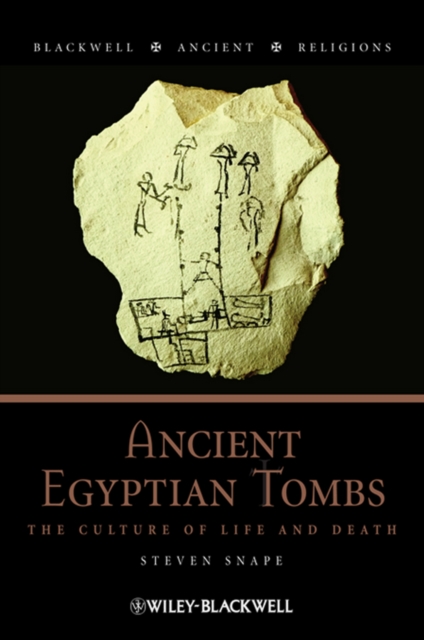
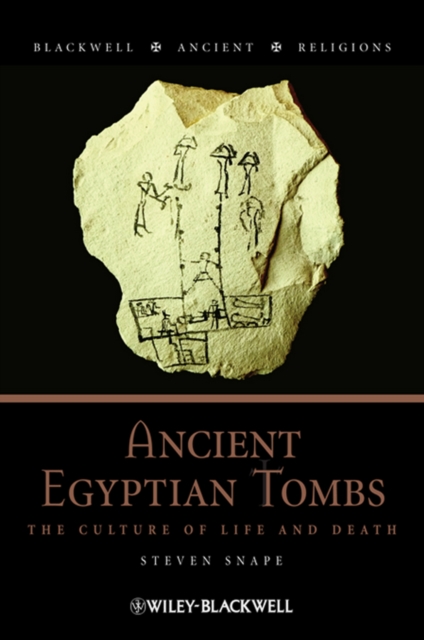
This book explores the development of tombs as a cultural phenomenon in ancient Egypt and examines what tombs reveal about ancient Egyptian culture and Egyptians' belief in the afterlife.
This book explores the development of tombs as a cultural phenomenon in ancient Egypt and examines what tombs reveal about ancient Egyptian culture and Egyptians' belief in the afterlife.
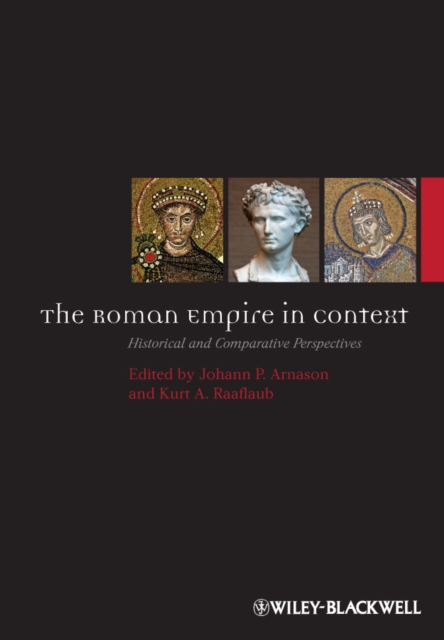
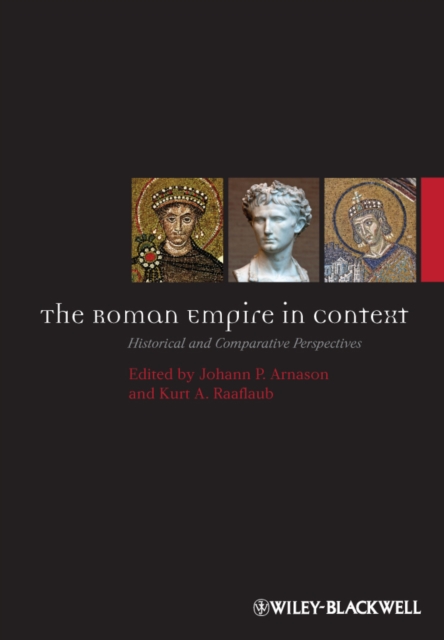
Through a series of original essays by leading international scholars, The Roman Empire in Context: Historical and Comparative Perspectives offers a comparative historical analysis of the Roman empire s role and achievement and, more broadly, establishes Rome s significance within comparative studies.
Through a series of original essays by leading international scholars, The Roman Empire in Context: Historical and Comparative Perspectives offers a comparative historical analysis of the Roman empire s role and achievement and, more broadly, establishes Rome s significance within comparative studies.
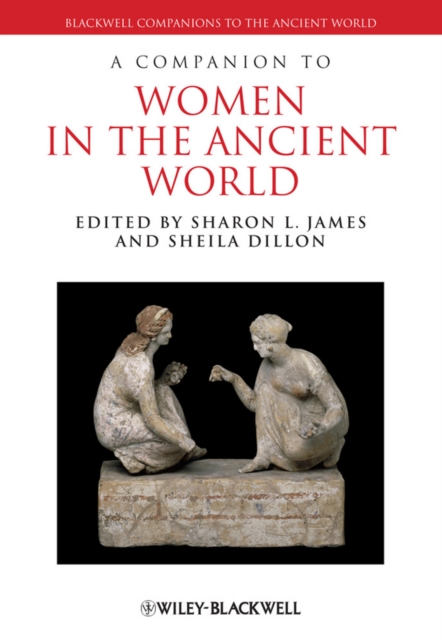
A COMPANION TO WOMEN IN THE ANCIENT WORLD A Companion to Women in the Ancient World is the first interdisciplinary, methodologically based collection of readings to address the study of women in the ancient world while weaving textual, visual, and archaeological evidence into its approach.
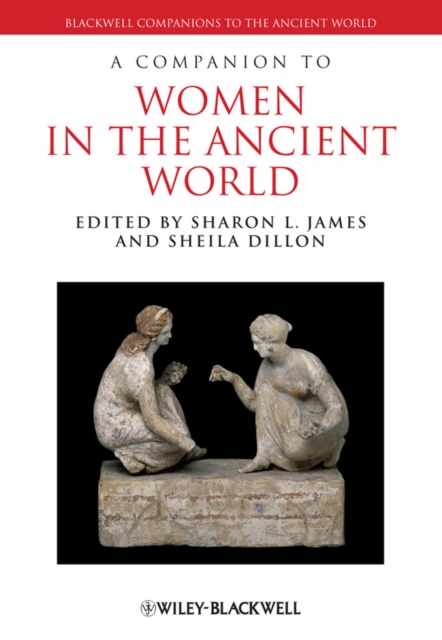
A COMPANION TO WOMEN IN THE ANCIENT WORLD A Companion to Women in the Ancient World is the first interdisciplinary, methodologically based collection of readings to address the study of women in the ancient world while weaving textual, visual, and archaeological evidence into its approach.