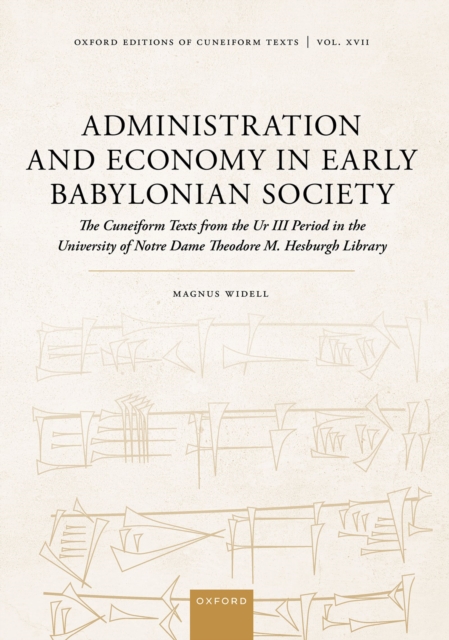
Administration and Economy in Early Babylonian Society presents an analytical edition of 65 previously unpublished cuneiform tablets and bullae from the Ur III period (2112-2004 BC), currently held in the Theodore M.
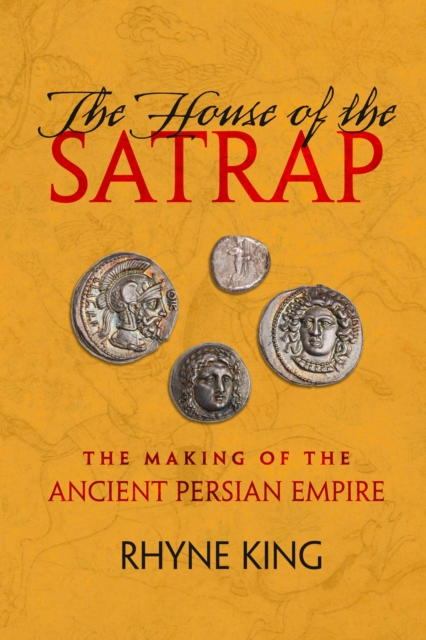
Starting in the sixth century BCE, the conquests of the Persian kings Cyrus, Cambyses, and Darius transformed the lives of humans on a continental scale, as their empire reached from the Iranian plateau to eastern Europe, Central Asia, and North Africa.
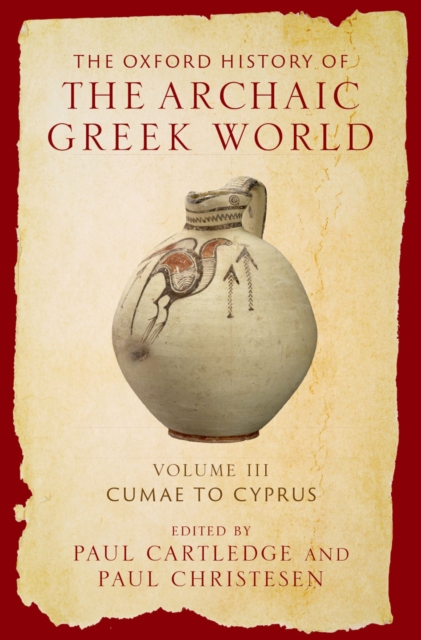
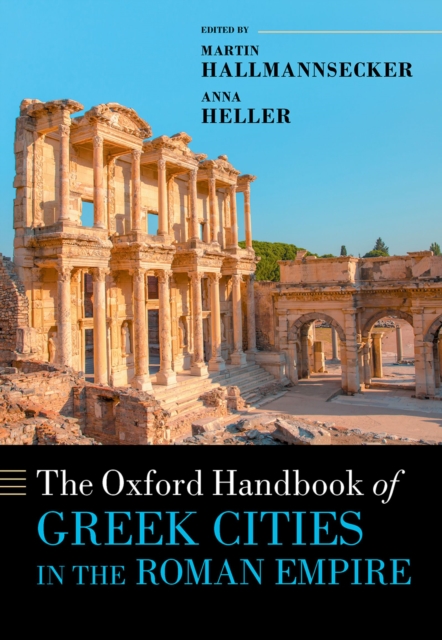
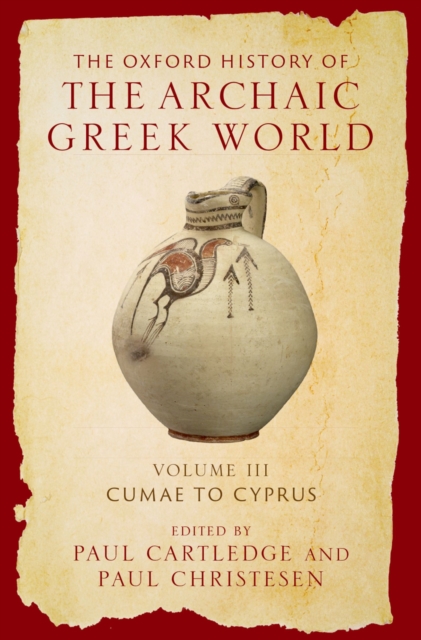
The ancient Greek world consisted of approximately 1,000 autonomous polities scattered across the Mediterranean basin and was remarkable for both its diversity and its uniformity.
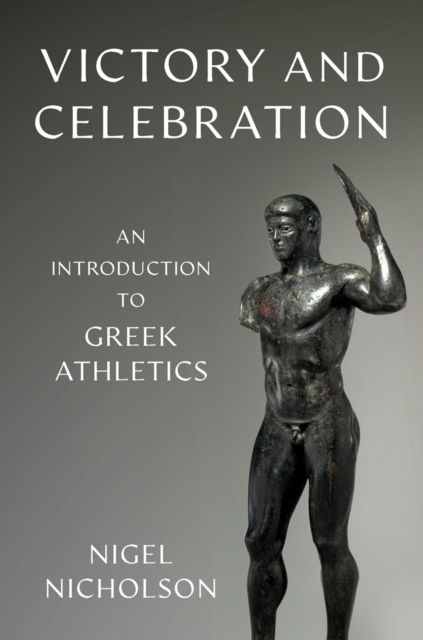
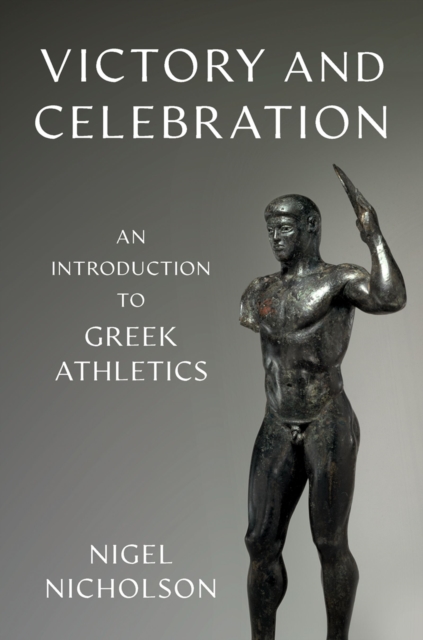
Victory and Celebration traces how athletic success was transformed into broader social and political capital in ancient Greece in the sixth and fifth centuries BCE--how being a good boxer or wrestler, or having a fast son or superior horses was made into something of significance beyond the stadium or hippodrome.
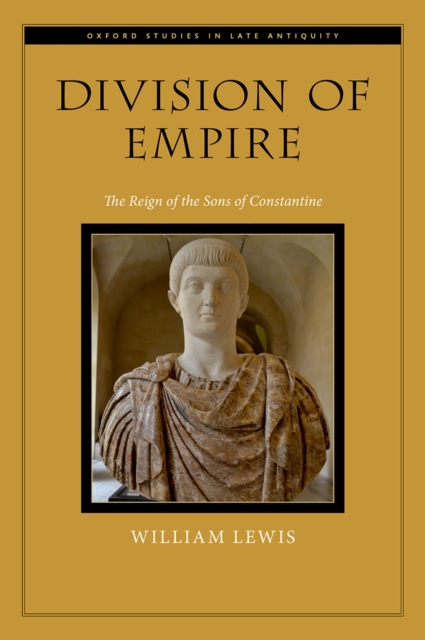
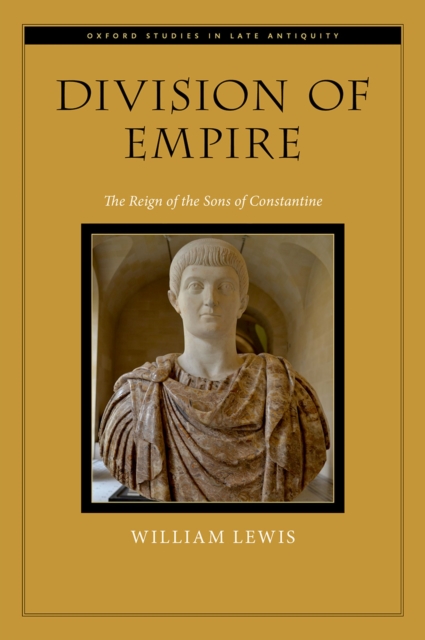
Constantine the Great died on May 22nd in 337 AD, leaving behind three sons--Constantine II, Constantius II, and Constans--to face the challenge of how to rule the Roman Empire.
Victory and Celebration traces how athletic success was transformed into broader social and political capital in ancient Greece in the sixth and fifth centuries BCE--how being a good boxer or wrestler, or having a fast son or superior horses was made into something of significance beyond the stadium or hippodrome.
Constantine the Great died on May 22nd in 337 AD, leaving behind three sons--Constantine II, Constantius II, and Constans--to face the challenge of how to rule the Roman Empire.
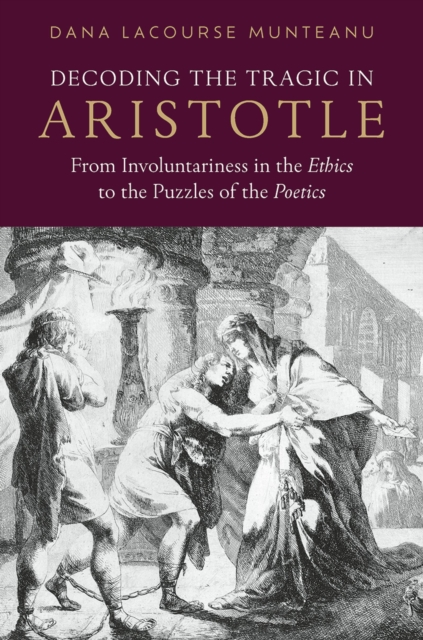
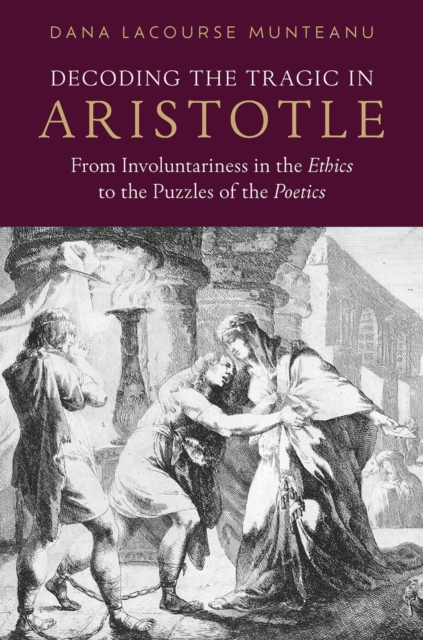
Decoding the Tragic in Aristotle posits that a specific form of involuntary action lies at the heart of Aristotle's conception of the tragic-a point that remains unexplained in the Poetics.
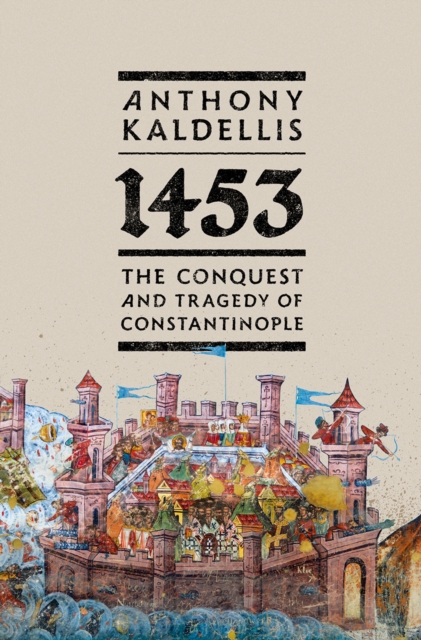
A detailed account of the siege and fall of Constantinople in 1453, a watershed year that closed the book, once and for all, on the Roman Empire and confirmed for Europeans their worst fears about an expanding Ottoman Empire.
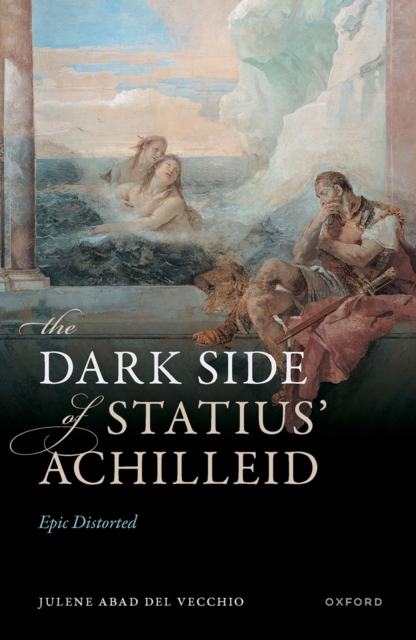
The Dark Side of Statius' Achilleid explores systematically and for the first time the darker aspects of Statius' Achilleid, bringing to light the poem's tragic and epic dimensions.
Decoding the Tragic in Aristotle posits that a specific form of involuntary action lies at the heart of Aristotle's conception of the tragic-a point that remains unexplained in the Poetics.
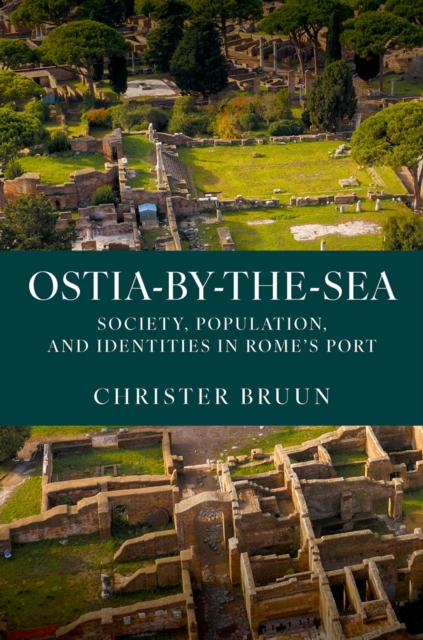
Ostia, the Roman settlement founded at the mouth of the river Tiber, was the port of the imperial capital and one of the most important urban centers in the Mediterranean world during the last decades of the Roman Republic and the Early and High Empires.
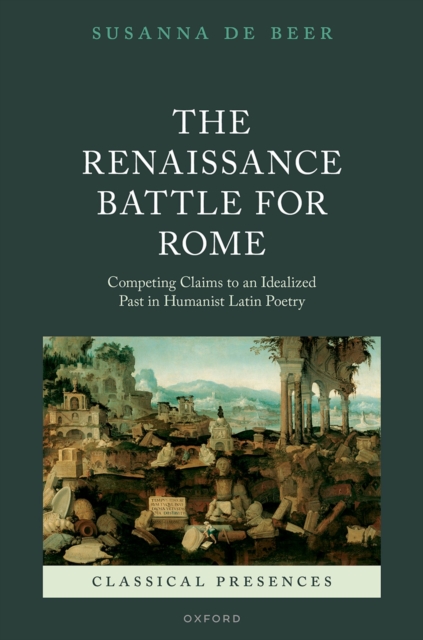
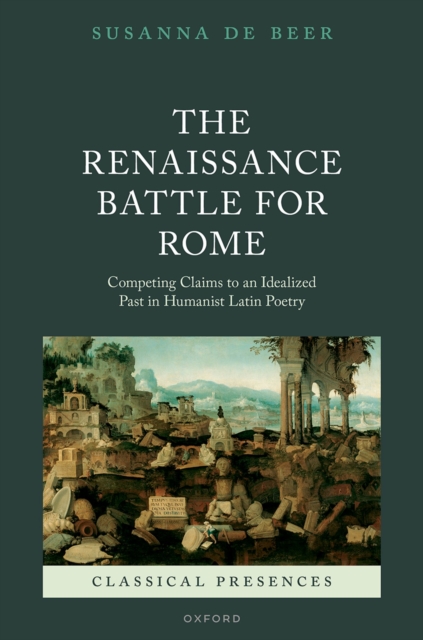
The Renaissance Battle for Rome examines the rhetorical battle fought simultaneously between a wide variety of parties (individuals, groups, authorities) seeking prestige or legitimacy through the legacy of ancient Rome-a battle over the question of whose claims to this legacy were most legitimate.
The Renaissance Battle for Rome examines the rhetorical battle fought simultaneously between a wide variety of parties (individuals, groups, authorities) seeking prestige or legitimacy through the legacy of ancient Rome-a battle over the question of whose claims to this legacy were most legitimate.
Ostia, the Roman settlement founded at the mouth of the river Tiber, was the port of the imperial capital and one of the most important urban centers in the Mediterranean world during the last decades of the Roman Republic and the Early and High Empires.
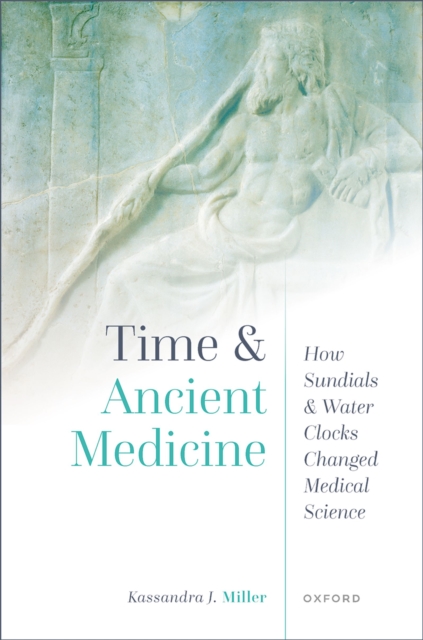
Time and Ancient Medicine is the first monograph to explore, on the one hand, how the introduction of new timekeeping technologies (namely, sundials and water clocks) affected the practice, rhetoric, and philosophy of ancient medicine and, on the other hand, how medical timekeeping practices affected engagement with time elsewhere in society.
The ancient Greek world consisted of approximately 1,000 autonomous polities scattered across the Mediterranean basin and was remarkable for both its diversity and its uniformity.
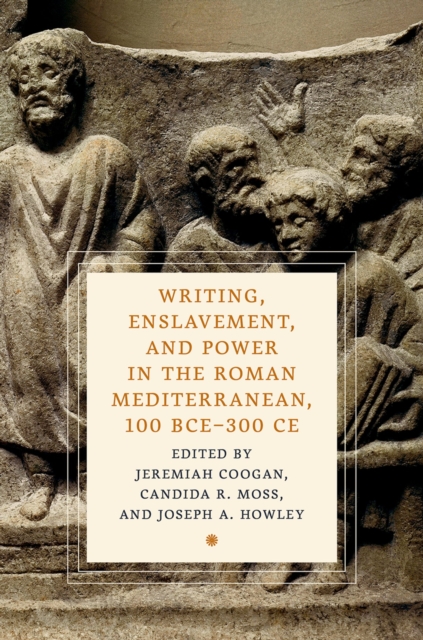
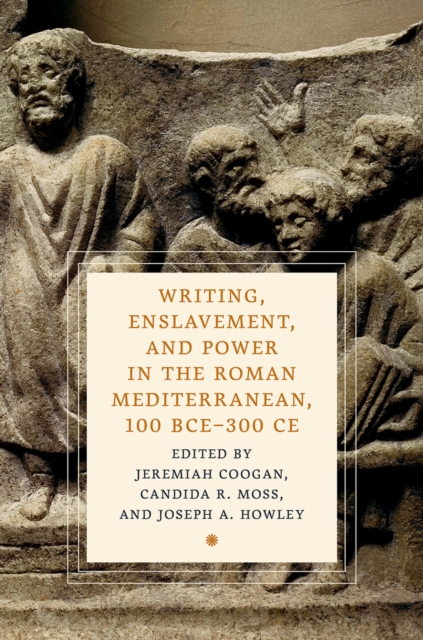
This volume assembles twenty-two scholars from the fields of classics and early Christian studies to interrogate the intersections between writing and enslavement around the Roman Mediterranean.
This volume assembles twenty-two scholars from the fields of classics and early Christian studies to interrogate the intersections between writing and enslavement around the Roman Mediterranean.
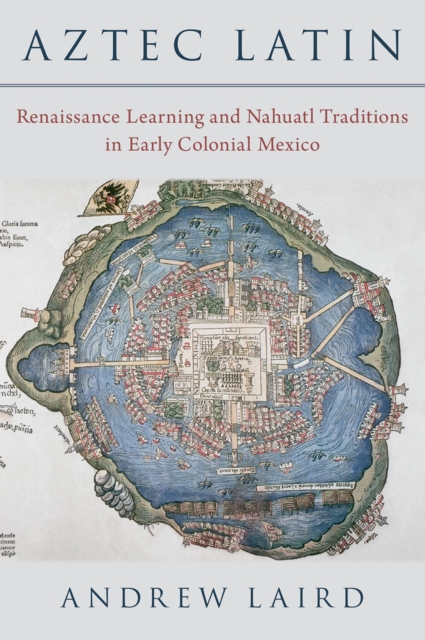
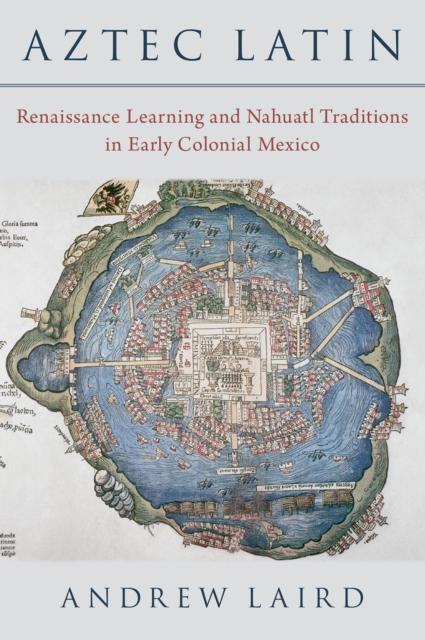
In 1536, only fifteen years after the fall of the Aztec empire, Franciscan missionaries began teaching Latin, classical rhetoric, and Aristotelian philosophy to native youths in central Mexico.
In 1536, only fifteen years after the fall of the Aztec empire, Franciscan missionaries began teaching Latin, classical rhetoric, and Aristotelian philosophy to native youths in central Mexico.
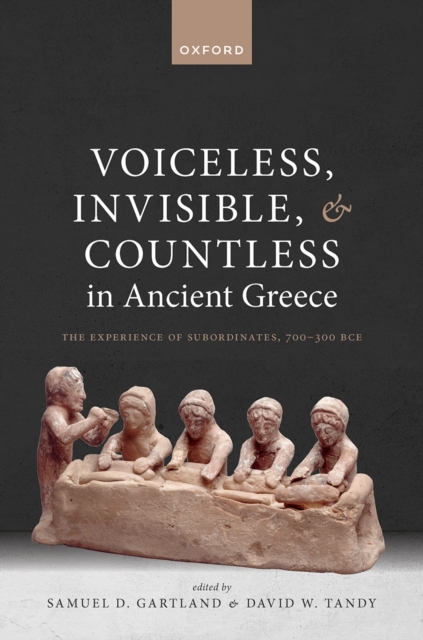
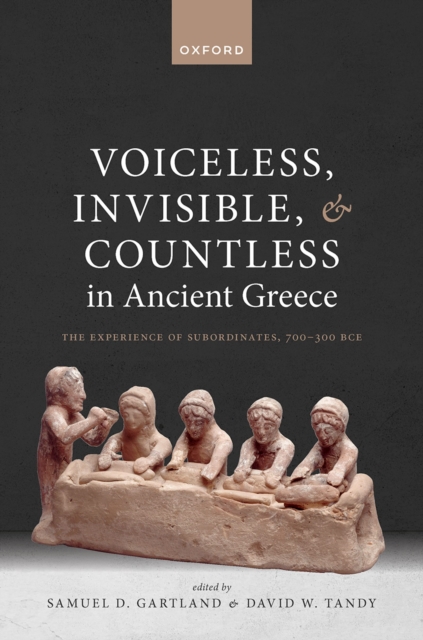
Voiceless, Invisible, and Countless in Ancient Greece explores the experiences of subordinates and the nature of their subordination in the Greek world 700-300 BCE.
Voiceless, Invisible, and Countless in Ancient Greece explores the experiences of subordinates and the nature of their subordination in the Greek world 700-300 BCE.
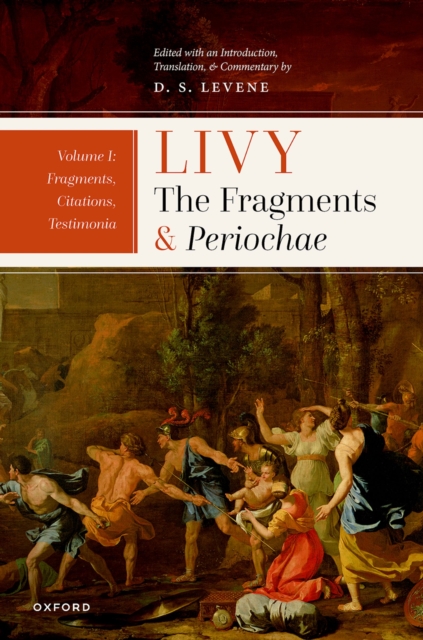
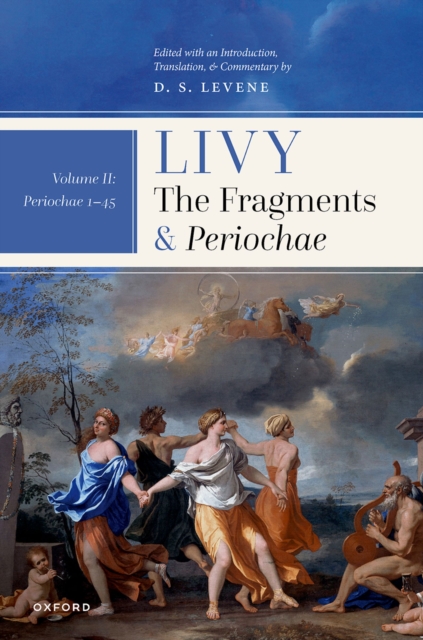
Livy's 142-volume history of Rome is one of the high points of ancient historical writing; but three-quarters of that history is lost, known only from indirect sources such as epitomes and quotations.
Livy's 142-volume history of Rome is one of the high points of ancient historical writing; but three-quarters of that history is lost, known only from indirect sources such as epitomes and quotations.