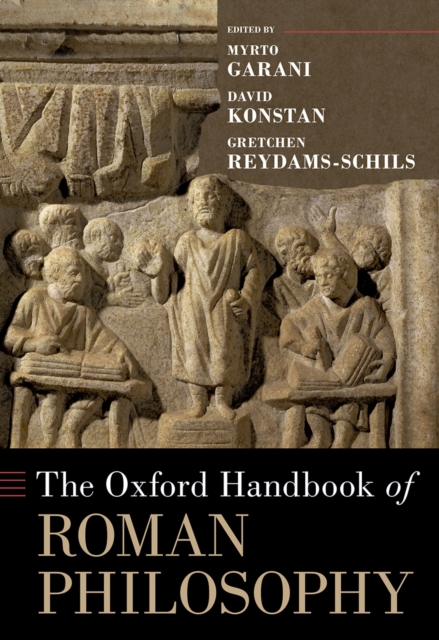
Several decades of scholarship have demonstrated that Roman thinkers developed in new and stimulating directions the systems of thought they inherited from the Greeks, and that, taken together, they offer many perspectives that are of philosophical interest in their own right.
Time and Ancient Medicine is the first monograph to explore, on the one hand, how the introduction of new timekeeping technologies (namely, sundials and water clocks) affected the practice, rhetoric, and philosophy of ancient medicine and, on the other hand, how medical timekeeping practices affected engagement with time elsewhere in society.
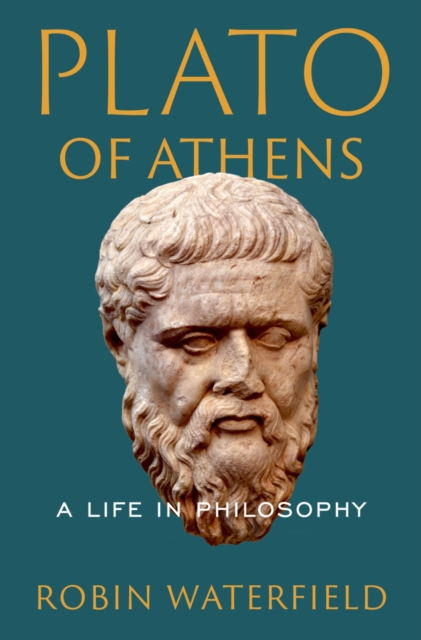
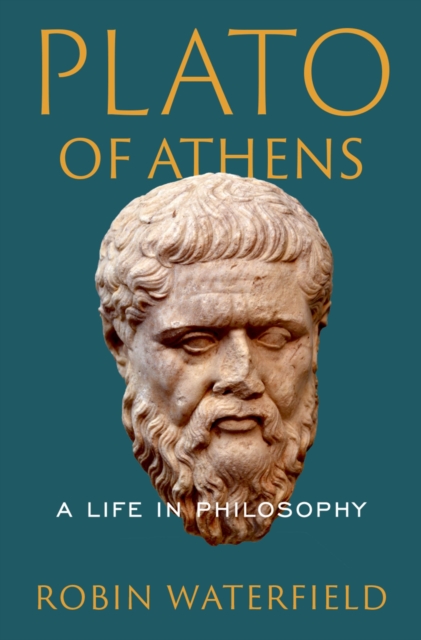
The first ever biography of the founder of Western philosophy Considered by many to be the most important philosopher ever, Plato was born into a well-to-do family in wartime Athens at the end of the fifth century BCE.
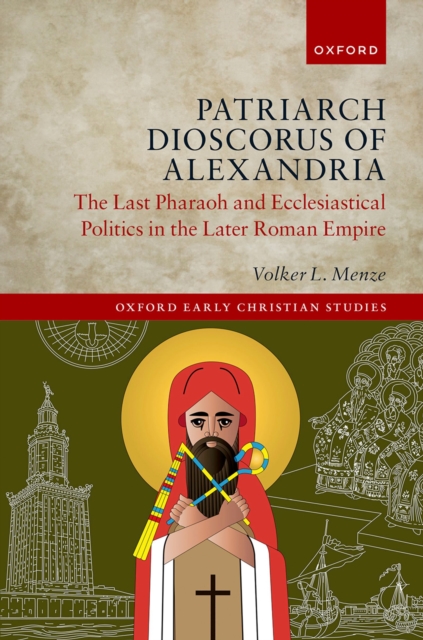
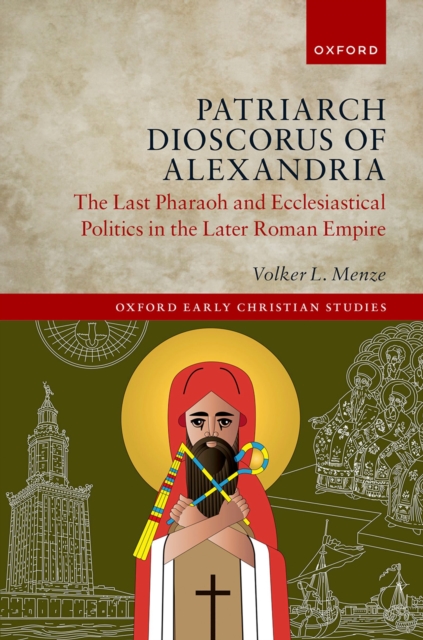
Patriarch Dioscorus of Alexandria: The Last Pharaoh of Alexandria and Ecclesiastical Politics in the Later Roman Empire offers a thorough revision of the historical role of Dioscorus as patriarch of Alexandria between 444 and 451 CE.
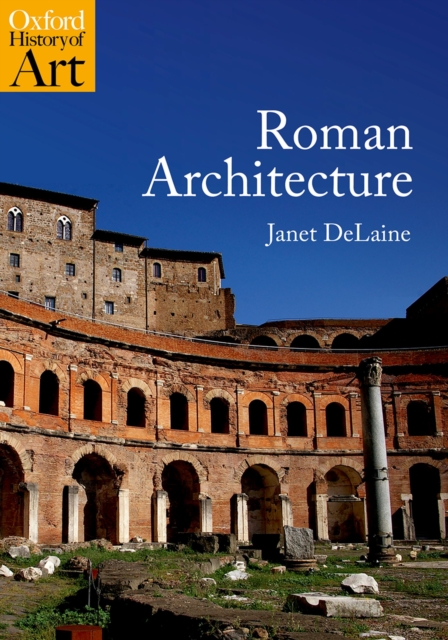
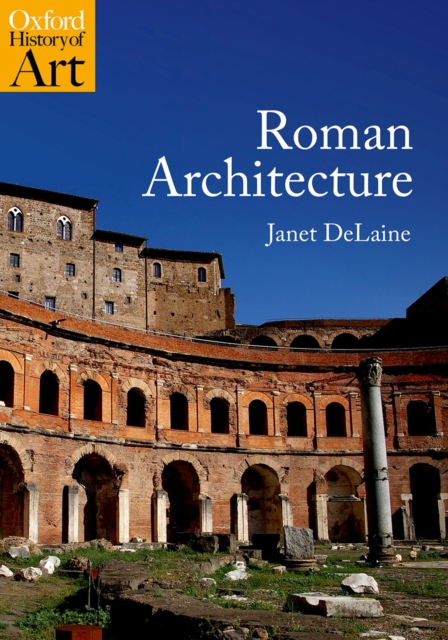
Roman Architecture casts new light not only on many familiar monuments of the city of Rome, but also on less well-known examples from across the Roman empire.
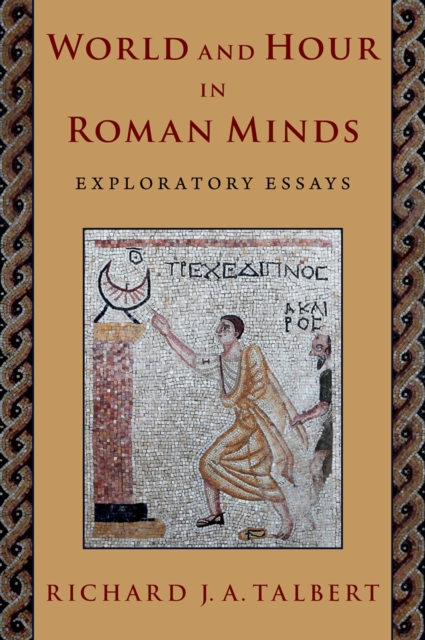
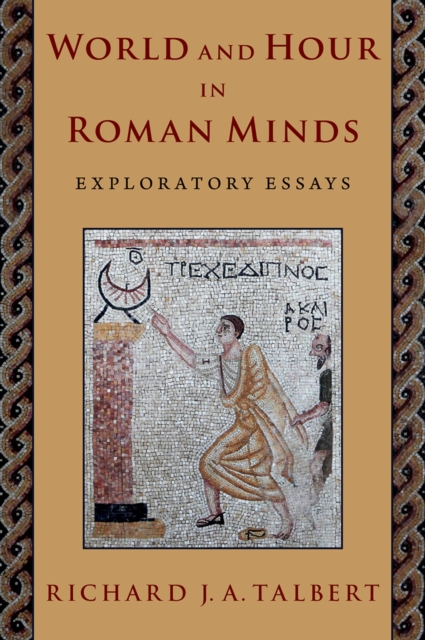
World and Hour in Roman Minds: Exploratory Essays seeks to penetrate Romans' consciousness of space and time, aspects of antiquity currently attracting intense interest.
World and Hour in Roman Minds: Exploratory Essays seeks to penetrate Romans' consciousness of space and time, aspects of antiquity currently attracting intense interest.
Several decades of scholarship have demonstrated that Roman thinkers developed in new and stimulating directions the systems of thought they inherited from the Greeks, and that, taken together, they offer many perspectives that are of philosophical interest in their own right.
Patriarch Dioscorus of Alexandria: The Last Pharaoh of Alexandria and Ecclesiastical Politics in the Later Roman Empire offers a thorough revision of the historical role of Dioscorus as patriarch of Alexandria between 444 and 451 CE.
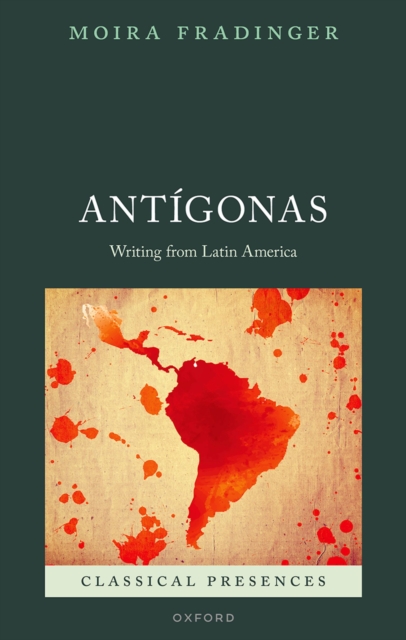
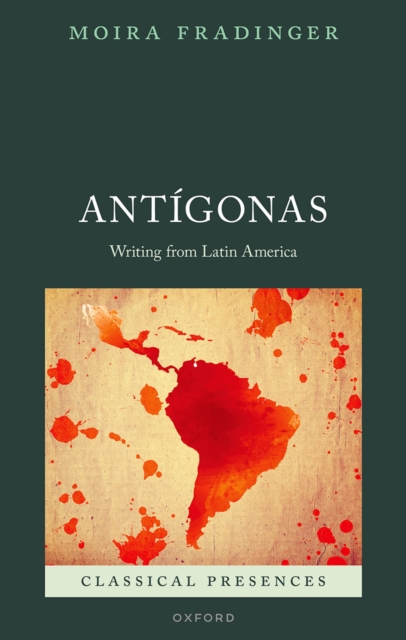
Antigonas: Writing from Latin America is the first book in the English language to approach classical reception through the study of one classical fragment as it circulates throughout Latin America.
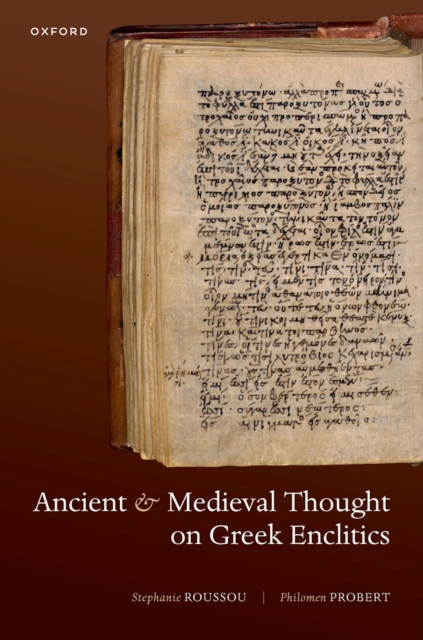
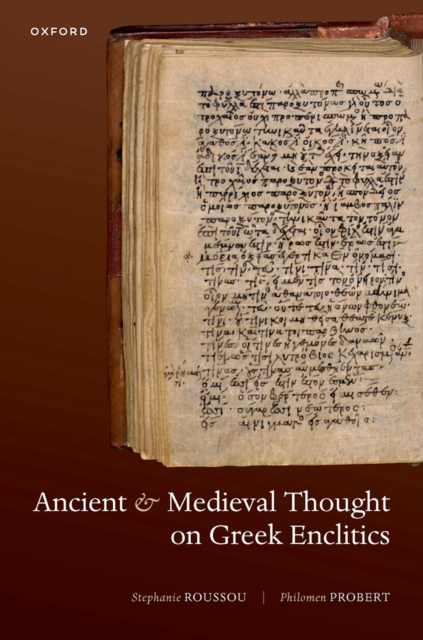
This book has two complementary aims: to improve our grasp of the ideas about Greek enclitics that ancient and medieval scholars have passed down to us, and to show how a close examination of these sources yields new answers to questions concerning the facts of the ancient Greek language itself.
Antigonas: Writing from Latin America is the first book in the English language to approach classical reception through the study of one classical fragment as it circulates throughout Latin America.
This book has two complementary aims: to improve our grasp of the ideas about Greek enclitics that ancient and medieval scholars have passed down to us, and to show how a close examination of these sources yields new answers to questions concerning the facts of the ancient Greek language itself.
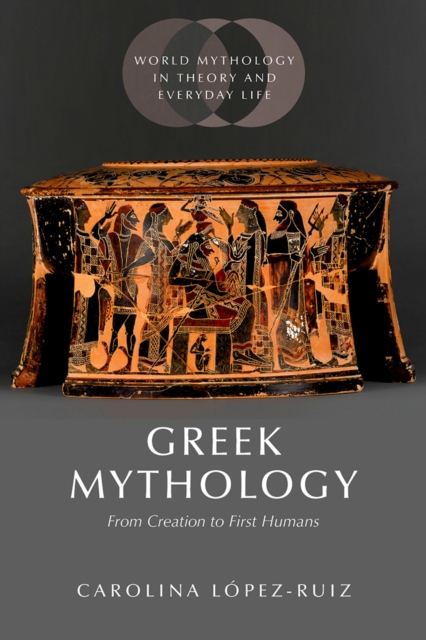
This volume provides an introduction to ancient Greek mythology through the theme of cosmogonies and theogonies -myths of origins that told the creation of the world and the birth and succession of the gods.
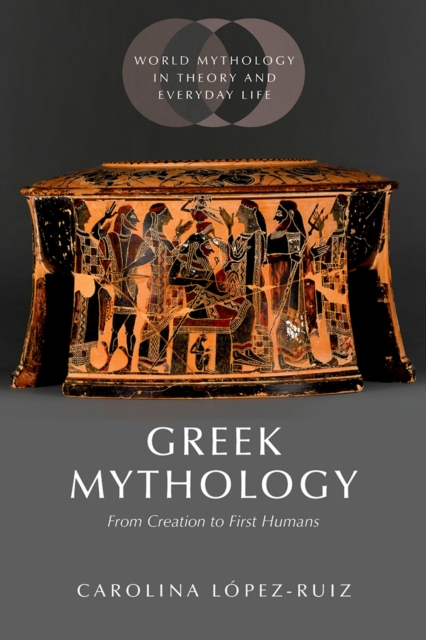
This volume provides an introduction to ancient Greek mythology through the theme of cosmogonies and theogonies -myths of origins that told the creation of the world and the birth and succession of the gods.
In the decades following the conquests of Alexander the Great, two major new schools of philosophy--the Epicureans and the Stoics--came to prominence in Athens, promoting starkly different worldviews and ways of life.
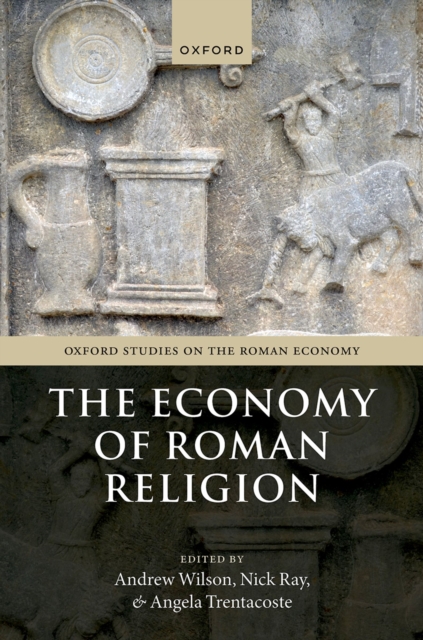
This interdisciplinary edited volume presents twelve papers by Roman historians and archaeologists, discussing the interconnected relationship between religion and the Roman economy over the period c.
The first ever biography of the founder of Western philosophy Considered by many to be the most important philosopher ever, Plato was born into a well-to-do family in wartime Athens at the end of the fifth century BCE.
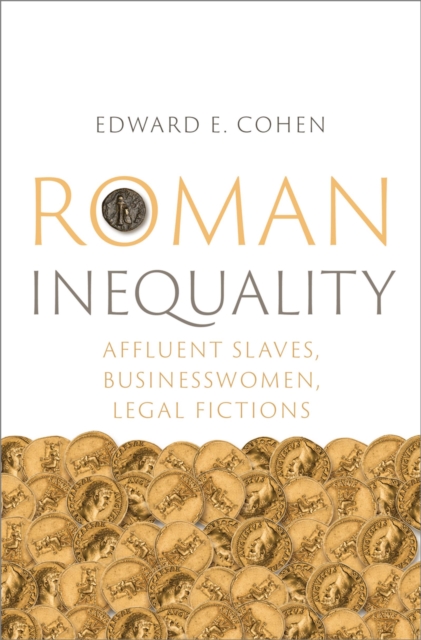
Roman Inequality explores how in Rome in the first and second centuries CE a number of male and female slaves, and some free women, prospered in business amidst a population of generally impoverished free inhabitants and of impecunious enslaved residents.
Roman Architecture casts new light not only on many familiar monuments of the city of Rome, but also on less well-known examples from across the Roman empire.
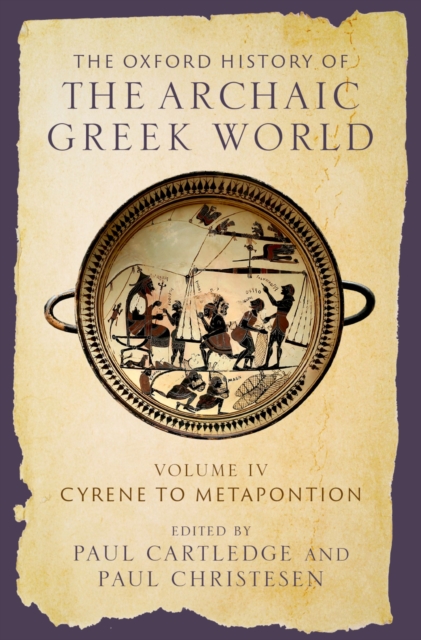
The ancient Greek world consisted of approximately 1,000 autonomous polities scattered across the Mediterranean basin and was remarkable for both its diversity and its uniformity.
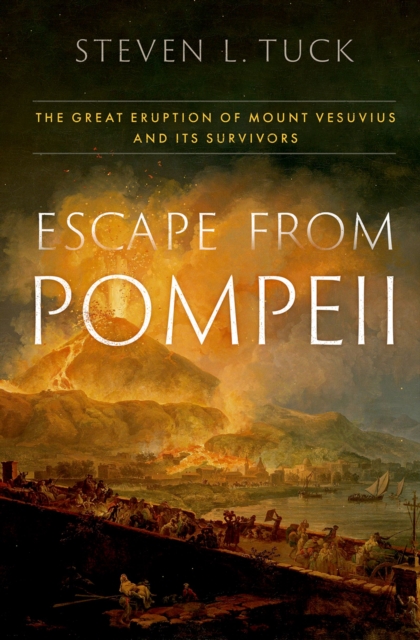
A story of triumph out of tragedy, uncovered in the ashes of Vesuvius The archaeological park of Pompeii is one of the most famous sites of destruction anywhere in the world.
Capra and Graziosi intervene in current debates about classics and its relation to revolutionary ruptures, nationalist movements, and identity politics today.
Capra and Graziosi intervene in current debates about classics and its relation to revolutionary ruptures, nationalist movements, and identity politics today.
The first work to lay out Roman strategic thinking from its start under Augustus until its final demise in 476 CEFrom Octavian's victory at Actium (31 bc) to its traditional endpoint in the West (476), the Roman Empire lasted a solid 500 years an impressive number by any standard, and fully one-fifth of all recorded history.
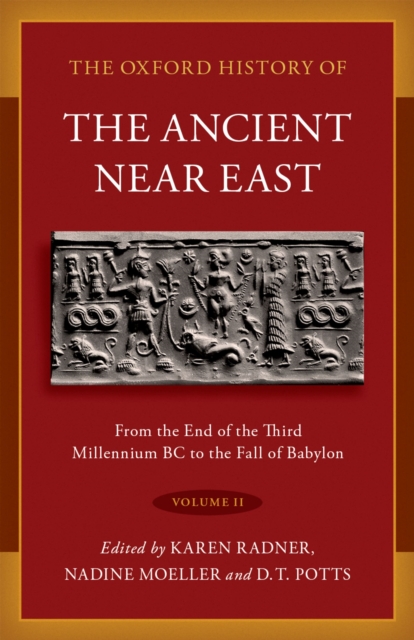
This groundbreaking, five-volume series offers a comprehensive, fully illustrated history of Egypt and Western Asia (the Levant, Anatolia, Mesopotamia, and Iran), from the emergence of complex states to the conquest of Alexander the Great.
This groundbreaking, five-volume series offers a comprehensive, fully illustrated history of Egypt and Western Asia (the Levant, Anatolia, Mesopotamia, and Iran), from the emergence of complex states to the conquest of Alexander the Great.
This groundbreaking, five-volume series offers a comprehensive, fully illustrated history of Egypt and Western Asia (the Levant, Anatolia, Mesopotamia, and Iran), from the emergence of complex states to the conquest of Alexander the Great.
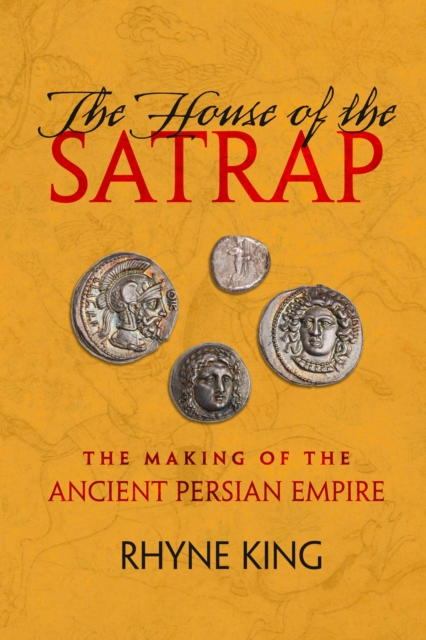
Starting in the sixth century BCE, the conquests of the Persian kings Cyrus, Cambyses, and Darius transformed the lives of humans on a continental scale, as their empire reached from the Iranian plateau to eastern Europe, Central Asia, and North Africa.
The ancient Greek world consisted of approximately 1,000 autonomous polities scattered across the Mediterranean basin and was remarkable for both its diversity and its uniformity.
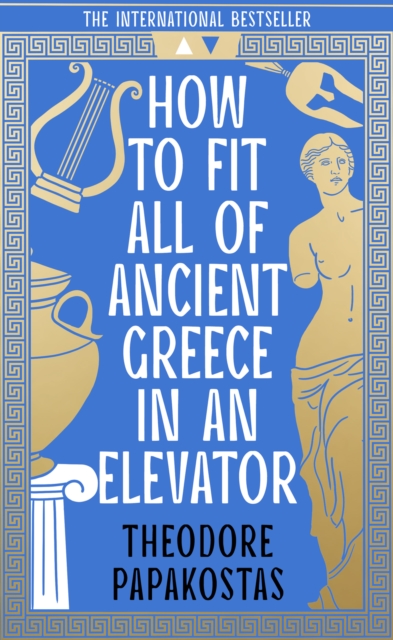
'Irresistibly fascinating' MARIE CLAIRE GREECE'Essential' VICTORIA HISLOP'Brilliantly conceived' PAUL CARTLEDGEAn enormous bestseller in Greece, this is a bold, witty retelling of the story of Ancient Greece by a rising star in archaeologyTwo strangers meet in a trapped elevator.
California Studies in Classical Antiquity: Volume 8 brings together a fascinating collection of essays that delve into the art, literature, philosophy, and history of the ancient world.
The first work to lay out Roman strategic thinking from its start under Augustus until its final demise in 476 CEFrom Octavian's victory at Actium (31 bc) to its traditional endpoint in the West (476), the Roman Empire lasted a solid 500 years an impressive number by any standard, and fully one-fifth of all recorded history.
This book uncovers a sophisticated rhetorical game in Second Sophistic prose in the Roman Empire, in which authors intentionally distorted poetic quotations to challenge readers, display erudition, and creatively rework the Greek literary past.