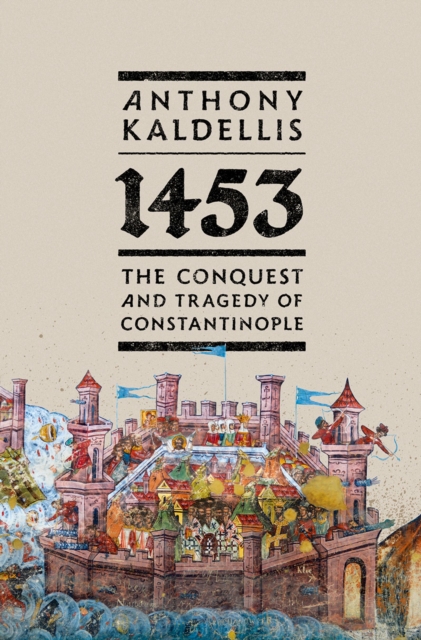
A detailed account of the siege and fall of Constantinople in 1453, a watershed year that closed the book, once and for all, on the Roman Empire and confirmed for Europeans their worst fears about an expanding Ottoman Empire.
California Studies in Classical Antiquity: Volume 8 brings together a fascinating collection of essays that delve into the art, literature, philosophy, and history of the ancient world.
Money in Imperial Rome offers an in-depth examination of the institutional framework within which money operated as an economic agent in the Roman empire, emphasising its systemic complexity.
In the decades following the conquests of Alexander the Great, two major new schools of philosophy--the Epicureans and the Stoics--came to prominence in Athens, promoting starkly different worldviews and ways of life.
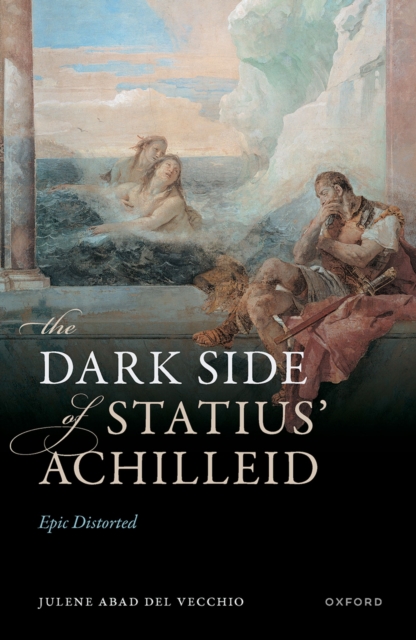
The Dark Side of Statius' Achilleid explores systematically and for the first time the darker aspects of Statius' Achilleid, bringing to light the poem's tragic and epic dimensions.
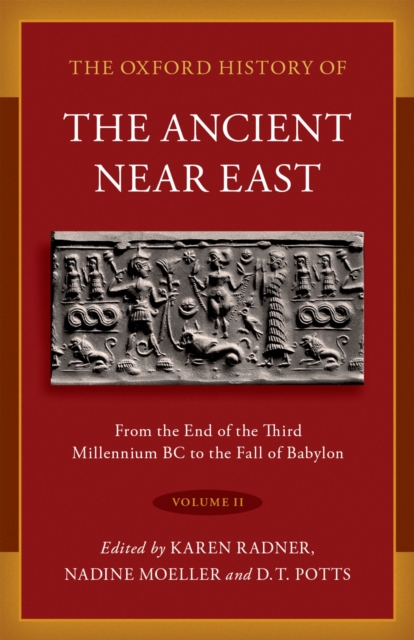
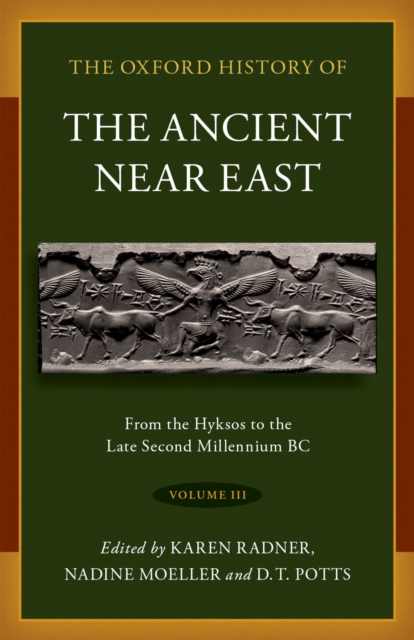
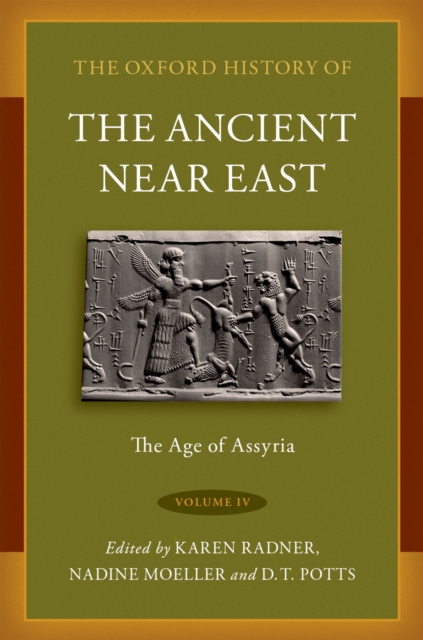
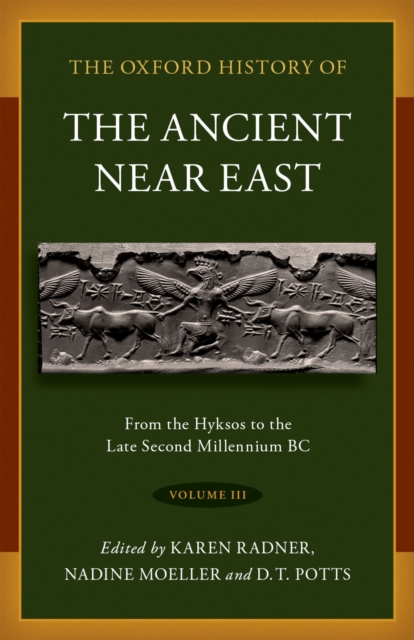
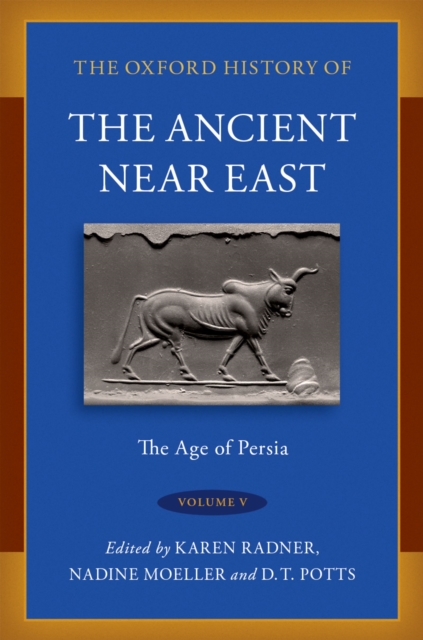
This groundbreaking, five-volume series offers a comprehensive, fully illustrated history of Egypt and Western Asia (the Levant, Anatolia, Mesopotamia, and Iran), from the emergence of complex states to the conquest of Alexander the Great.
This groundbreaking, five-volume series offers a comprehensive, fully illustrated history of Egypt and Western Asia (the Levant, Anatolia, Mesopotamia, and Iran), from the emergence of complex states to the conquest of Alexander the Great.
This groundbreaking, five-volume series offers a comprehensive, fully illustrated history of Egypt and Western Asia (the Levant, Anatolia, Mesopotamia, and Iran), from the emergence of complex states to the conquest of Alexander the Great.
This groundbreaking, five-volume series offers a comprehensive, fully illustrated history of Egypt and Western Asia (the Levant, Anatolia, Mesopotamia, and Iran), from the emergence of complex states to the conquest of Alexander the Great.
This groundbreaking, five-volume series offers a comprehensive, fully illustrated history of Egypt and Western Asia (the Levant, Anatolia, Mesopotamia, and Iran), from the emergence of complex states to the conquest of Alexander the Great.
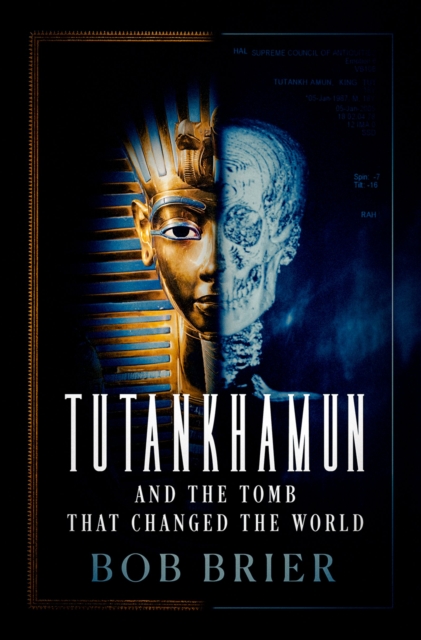
It is often thought that the story of Tutankhamun ended when the thousands of dazzling items discovered by Howard Carter and Lord Carnarvon were transported to the Egyptian Museum in Cairo and put on display.
It is often thought that the story of Tutankhamun ended when the thousands of dazzling items discovered by Howard Carter and Lord Carnarvon were transported to the Egyptian Museum in Cairo and put on display.
Cicero's dialogues De oratore (On the Orator) and De re publica (On the Commonwealth), composed between 55 and 51 BCE, examine two topics central to Roman public life: the role of the orator in society and the importance of honorable statesmanship for the preservation of republican government--which came to an end in Rome with the dictatorship of Julius Caesar only a few years later.
Cicero's dialogues De oratore (On the Orator) and De re publica (On the Commonwealth), composed between 55 and 51 BCE, examine two topics central to Roman public life: the role of the orator in society and the importance of honorable statesmanship for the preservation of republican government--which came to an end in Rome with the dictatorship of Julius Caesar only a few years later.
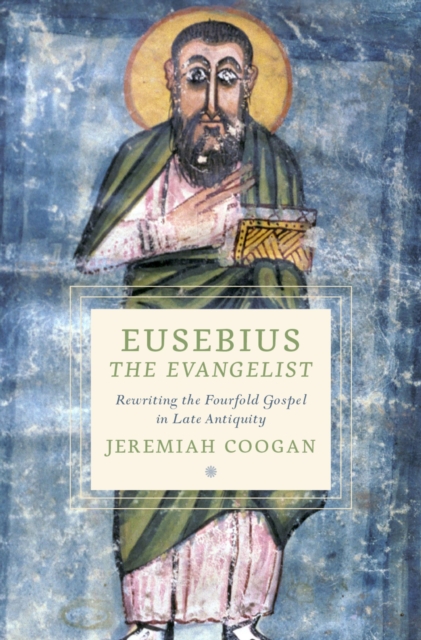
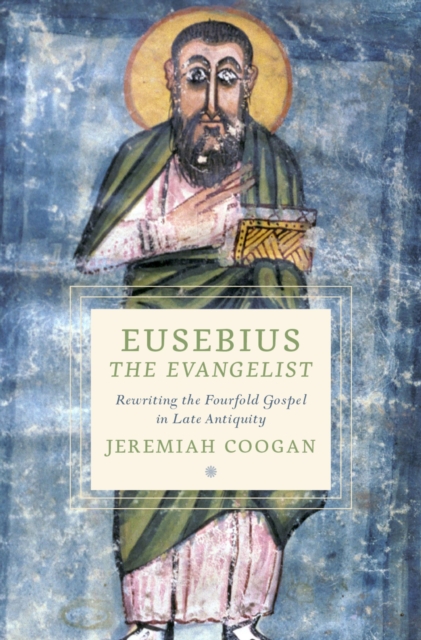
Eusebius the Evangelist analyzes Eusebius of Caesarea's fourth-century reconfiguration of the Gospels as a window into broader questions of technology and textuality in the ancient Mediterranean.
Eusebius the Evangelist analyzes Eusebius of Caesarea's fourth-century reconfiguration of the Gospels as a window into broader questions of technology and textuality in the ancient Mediterranean.
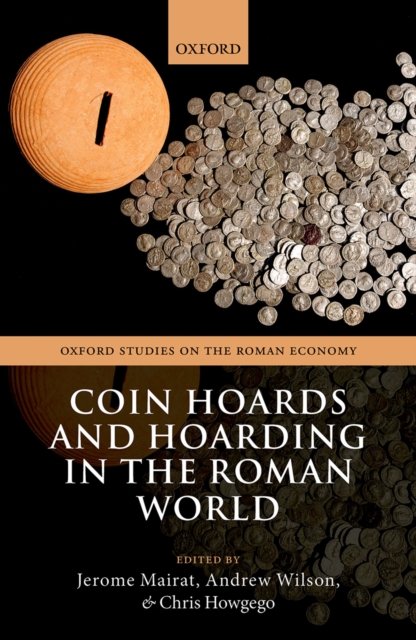
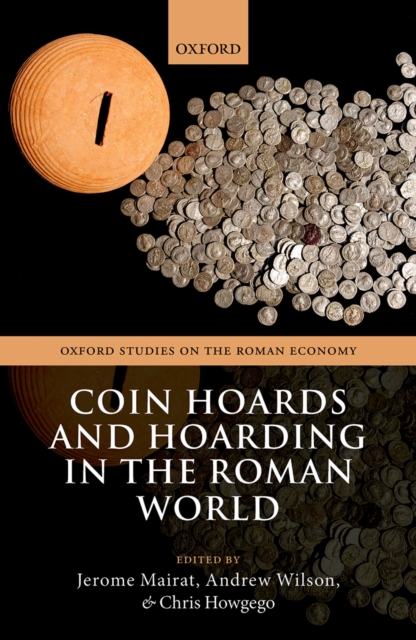
Coin Hoards and Hoarding in the Roman World presents fourteen chapters from an interdisciplinary group of Roman numismatists, historians, and archaeologists, discussing coin hoarding in the Roman Empire from c.
Coin Hoards and Hoarding in the Roman World presents fourteen chapters from an interdisciplinary group of Roman numismatists, historians, and archaeologists, discussing coin hoarding in the Roman Empire from c.
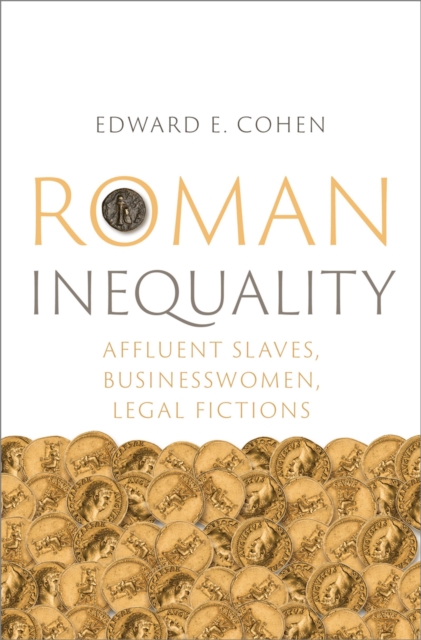
Roman Inequality explores how in Rome in the first and second centuries CE a number of male and female slaves, and some free women, prospered in business amidst a population of generally impoverished free inhabitants and of impecunious enslaved residents.
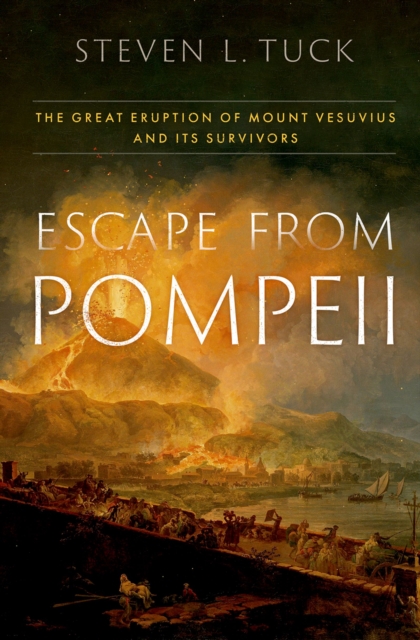
A story of triumph out of tragedy, uncovered in the ashes of Vesuvius The archaeological park of Pompeii is one of the most famous sites of destruction anywhere in the world.
This interdisciplinary edited volume presents twelve papers by Roman historians and archaeologists, discussing the interconnected relationship between religion and the Roman economy over the period c.
Money in Imperial Rome offers an in-depth examination of the institutional framework within which money operated as an economic agent in the Roman empire, emphasising its systemic complexity.