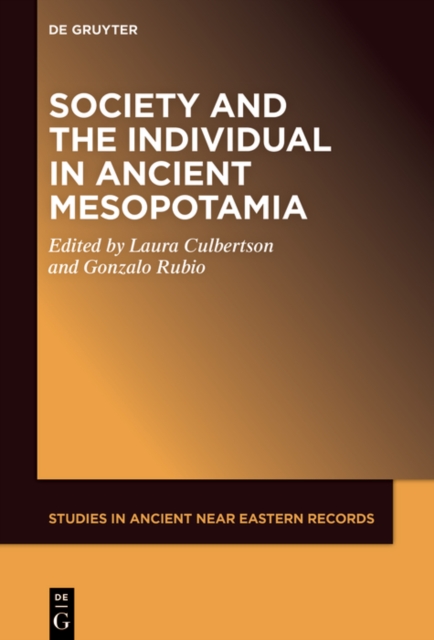
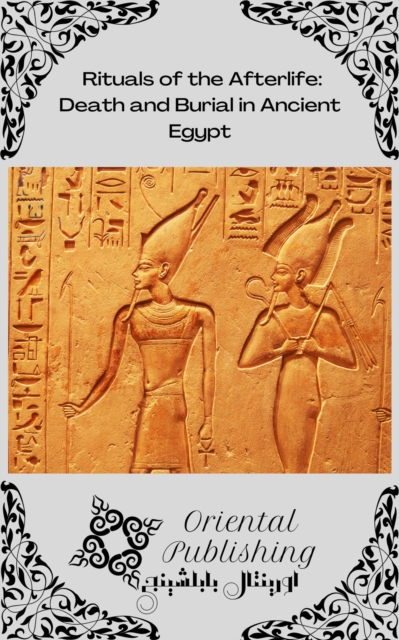
This book provides an overview of social life in ancient Mesopotamia, bringing together leading experts to survey key social domains of daily life as well as major non-dominant social groups.
This book provides an overview of social life in ancient Mesopotamia, bringing together leading experts to survey key social domains of daily life as well as major non-dominant social groups.
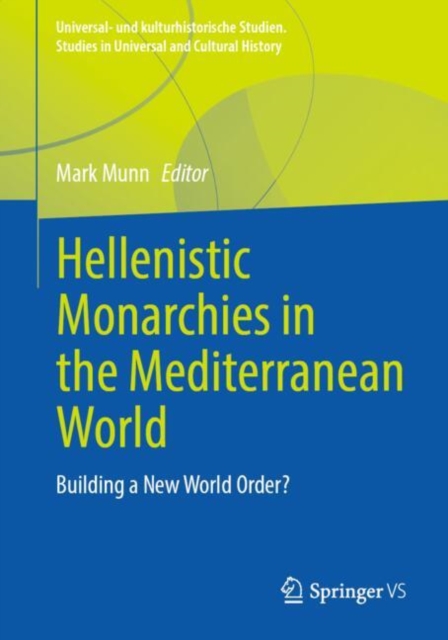
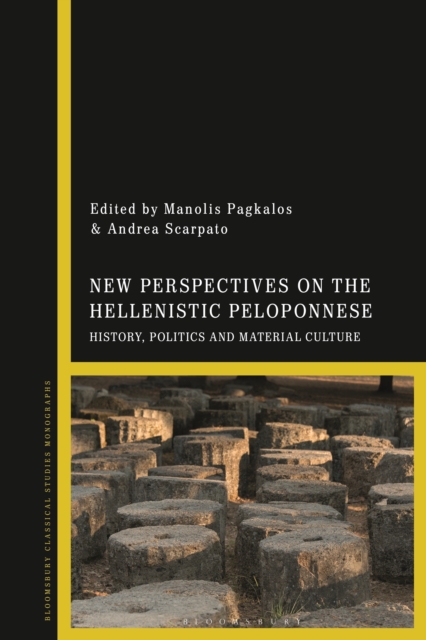
The contributions to this volume represent a range of case studies that provide perspectives on the question of how deeply Hellenic influence penetrated into the lives of the subjects of the Hellenistic monarchies.
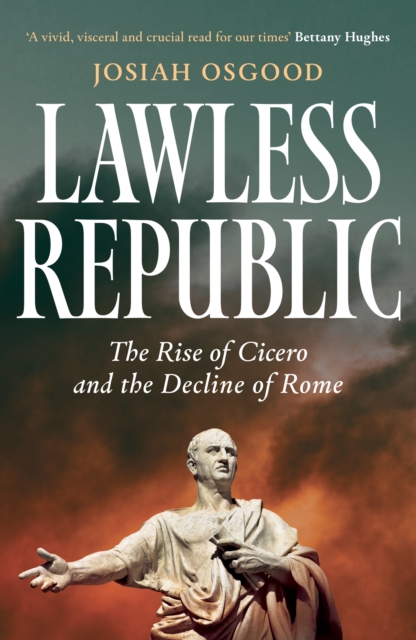
'A vivid, visceral and crucial read for our times' BETTANY HUGHES'Wonderful and insightful' ADRIAN GOLDSWORTHYThe collapse of law and order in the last years of the Roman Republic told through the rise and fall of its most famous lawyer, Cicero.
The contributions to this volume represent a range of case studies that provide perspectives on the question of how deeply Hellenic influence penetrated into the lives of the subjects of the Hellenistic monarchies.
The last, longest and most damaging of the wars fought between East Rome and Sasanian Persia (603-628) brought the classical phase of west Eurasian history to a dramatic close.
This volume fills a gap in current research on the Hellenistic Peloponnese, complementing and challenging traditional interpretations by adopting new perspectives on its complex social and political history.
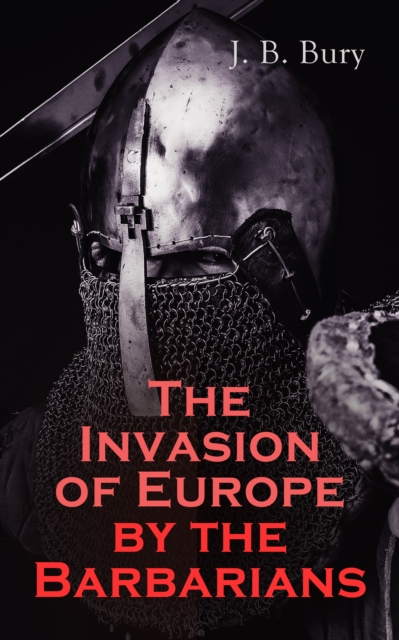
The Invasion of Europe by the Barbarians offers a concise but wide-ranging reconstruction of the movements that transformed the late Roman world: Goths, Huns, Vandals, Franks, Lombards, and other peoples press across imperial frontiers and reshape the political map of Europe.
Town and Country in Roman Britain (1964) is a study of the effects of Roman rule on the lowland zone of Britain and of the relationship between town and country.
Patronage in Ancient Society (1989) examines a subject central to the society of the ancient Mediterranean, bringing together the interests of ancient historians and sociologists, using ancient societies, and particularly Roman society, as the focus for their studies.
The Universities of Ancient Greece (1912) examines Greek education in the Classical world, from the pre-Alexandrian times to the last three centuries B.
Patronage in Ancient Society (1989) examines a subject central to the society of the ancient Mediterranean, bringing together the interests of ancient historians and sociologists, using ancient societies, and particularly Roman society, as the focus for their studies.
The Provinces of the Roman Empire from Caesar to Diocletian is Mommsen's magisterial survey of Rome beyond Italy, tracing the political, administrative, military, and cultural life of the imperial territories from the late Republic to the threshold of Late Antiquity.
Minoans, Philistines, and Greeks (1930) presents a historical narrative of the fortunes of the Aegean people, including invaders of and fugitives from the Aegean area, from the end of the fifteenth to the end of the tenth century B.
The Ancient City of Athens (1953) contains both definite reports of the actual discoveries in the excavations which revolutionised previous topographical views of Athens, and articles and discussions to which these new discoveries gave rise.
The Ionians and Hellenism (1980) presents an assessment of the art, literature and philosophy of the Asia Minor Greeks - the Ionians - in the eighth to sixth centuries B.
Economic Structures of the Ancient Near East (1985) is a political economy of antiquity which applies the universal conclusions of theoretical economics to the interpretation of economic life.
This volume challenges patrimonialism as a political model for the ancient Near East by engaging with letters and legal texts concerning royal women at Late Bronze Age Ugarit, demonstrating women's pivotal roles in the exercise of power, and then bringing these insights to bear on the Hebrew Bible.
This is the first book-length exploration of the ways art from the edges of the Roman Empire represented the future, examining visual representations of time and the role of artwork in Roman imperial systems.