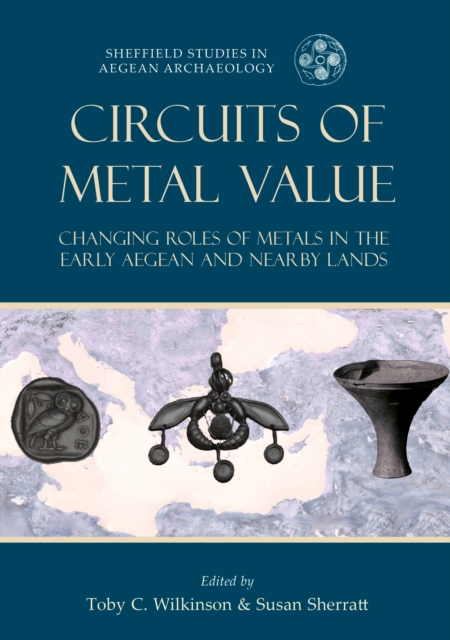
This volume explores the part played by different metals in use from the fourth millennium BC to the Early Iron Age, not only in the Aegean but also in the wider Old World.
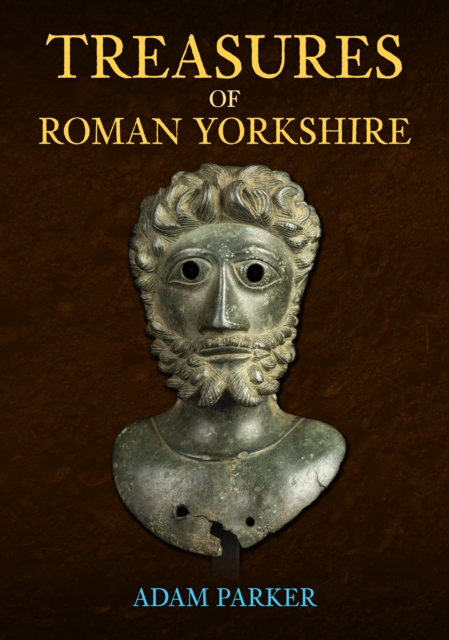
From the legionary fortress at York to the coastal lookout towers on the coast, and from the artisan potters of Crambeck to the brooch makers of Castleford, the history of Yorkshire has an indelible mark left upon it by the Roman period.
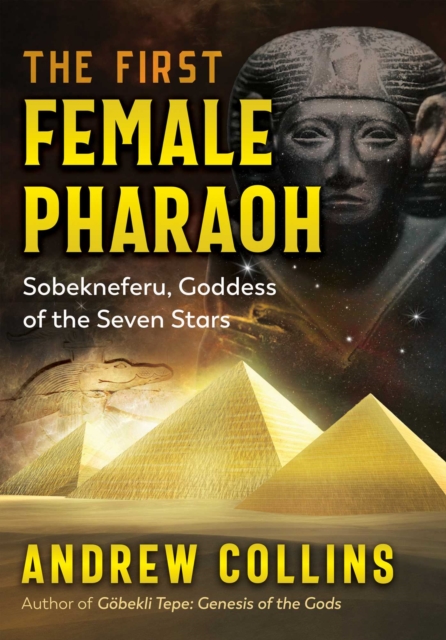
The cult, magic, reign, and resurrection of the first female ruler in Egypt Reveals the achievements of Sobekneferu, the political and religious issues of her age, the temples and ruins associated with her, and her continuing impact on ancient Egypt after her reign Discusses Sobekneferus magical beliefs and practices centered on the crocodile god Sobek, the hippo goddess Neith, and their representation as constellations Examines the modern-day resurrection of Sobekneferu among mystics and occultists of Victorian London, including her role in Bram Stokers shocking gothic novel, The Jewel of the Seven StarsCleopatra.
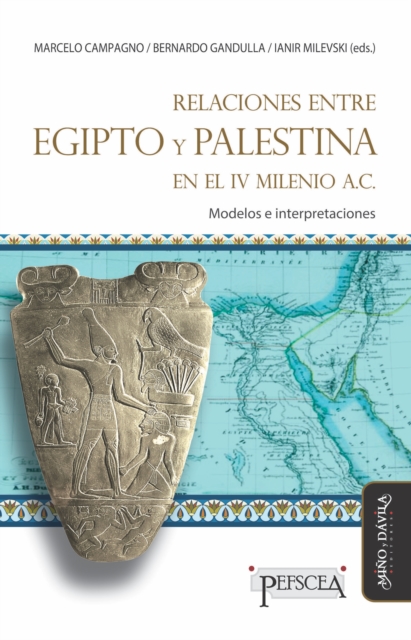
Las relaciones entre Egipto y Palestina a lo largo de la Antigüedad han sido estudiadas a través de testimonios arqueológicos, iconográficos y escritos por innumerables investigadores de ambas regiones del Cercano Oriente.
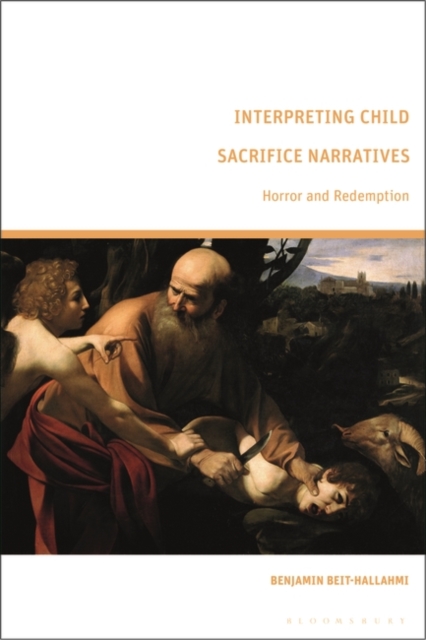
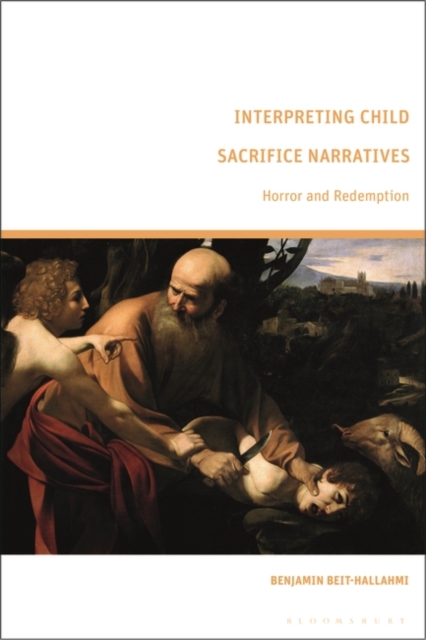
Examining the theme of child sacrifice as a psychological challenge, this book applies a unique approach to religious ideas by looking at beliefs and practices that are considered deviant, but also make up part of mainstream religious discourse in Judaism, Islam, and Christianity.
Examining the theme of child sacrifice as a psychological challenge, this book applies a unique approach to religious ideas by looking at beliefs and practices that are considered deviant, but also make up part of mainstream religious discourse in Judaism, Islam, and Christianity.
A study of the Greek mythological wars between Olympians, Titans, giants, centaurs, lapiths and humans, and their significant influence on later cultures.
This essential gives an overview of current methods of analysis of stone artefacts ranging from attribute analysis of entire inventories to microscopic analyses of traces of use of individual artefacts.
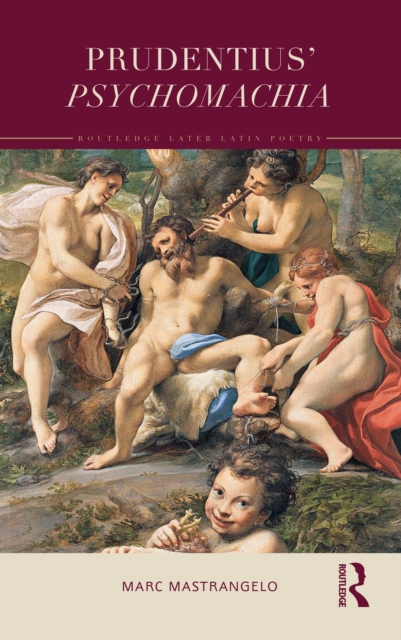
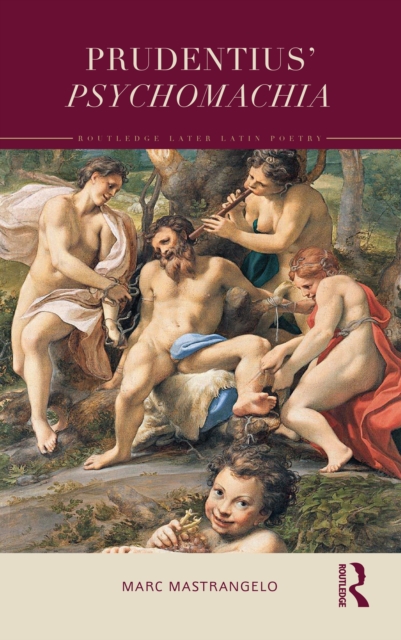
This new translation brings to life Prudentius' Psychomachia, one of the most widely read poems in western Europe from Late Antiquity through the Renaissance.
This new translation brings to life Prudentius' Psychomachia, one of the most widely read poems in western Europe from Late Antiquity through the Renaissance.
Making and Unmaking Ancient Memory explores the way in which ancient Greeks and Romans represented their past, and in turn how modern literature and scholarship has approached the reception and transmission of some aspects of ancient culture.
Making and Unmaking Ancient Memory explores the way in which ancient Greeks and Romans represented their past, and in turn how modern literature and scholarship has approached the reception and transmission of some aspects of ancient culture.
This book explores the complex relationship between production, trade, and connectivity in pre-Roman Italy, confronting established ideas about the connections between people, objects, and ideas, and highlighting how social change and community formation are rooted in individual interactions.
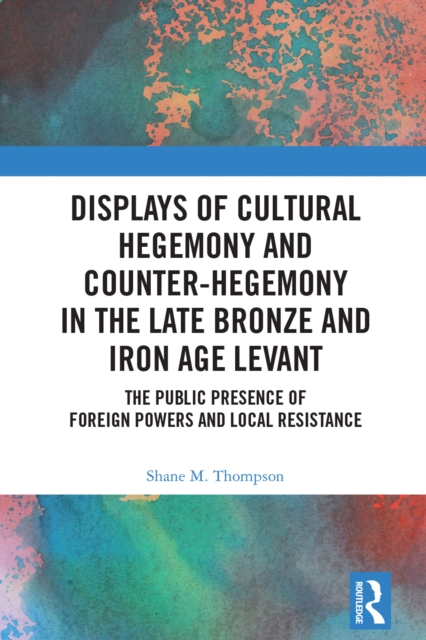
This volume examines the power relationships between the rulers of the Late Bronze and Iron Age and their subjects in the Levant through the lens of "e;cultural hegemony.
This volume examines the power relationships between the rulers of the Late Bronze and Iron Age and their subjects in the Levant through the lens of "e;cultural hegemony.
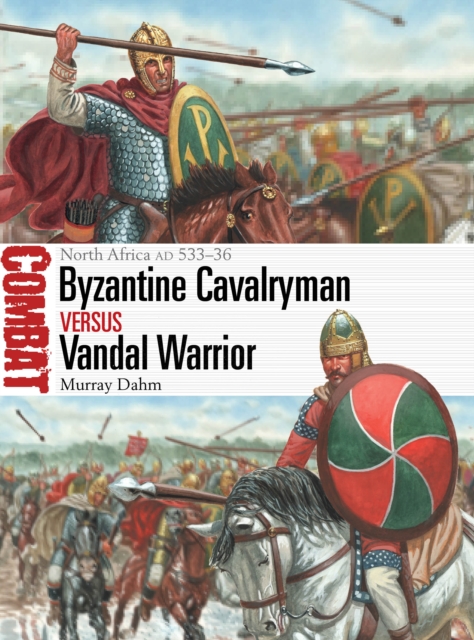
Fully illustrated, this enthralling study explores how the Vandals in North Africa attempted to defend their kingdom against the resurgent Byzantine Empire during 533 36.
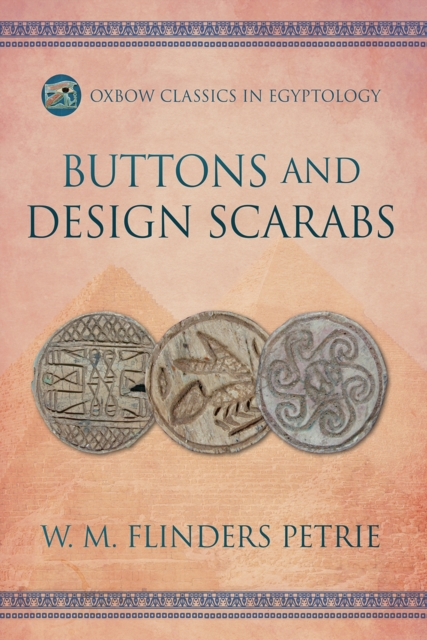
This facsimile reissue of Flinders Petrie’s extensive catalog of buttons and scarabs describes and illustrates over 1500 examples, along with an appendix on additions to the ‘Scarabs and Cylinders’ volume published earlier.
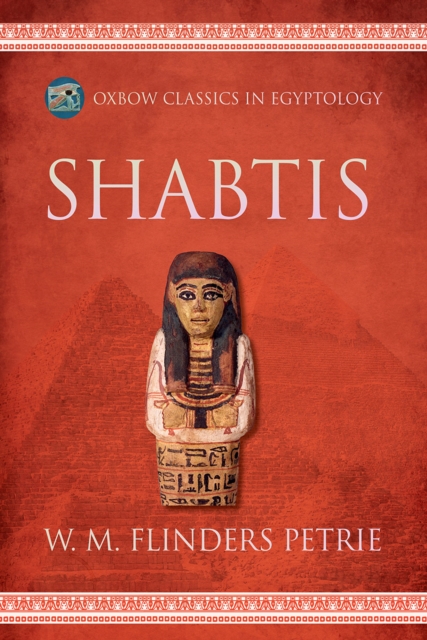
Facsimile edition of the 1972 reissue of Flinders Petrie’s 1914 pioneering typological catalog of Egyptian Shuabtis, one of a number of such catalogs to be reissued in this new series.
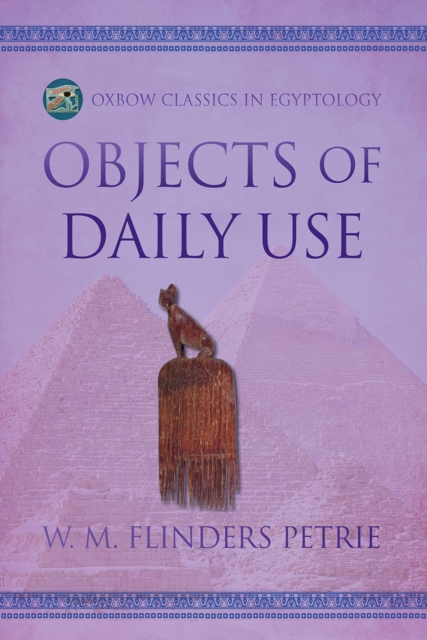
Facsimile edition of the 1974 reissue of Flinders Petrie’s fully illustrated 1927 description and catalog of personal and everyday Egyptian and Roman objects in his collections.
The author of 24 Hours in Ancient Athens"e;tells the powerful story of how Greek history survived the meteor of Alexander and his brief world empire"e; (Firetrench).
The author of 24 Hours in Ancient Athens"e;tells the powerful story of how Greek history survived the meteor of Alexander and his brief world empire"e; (Firetrench).
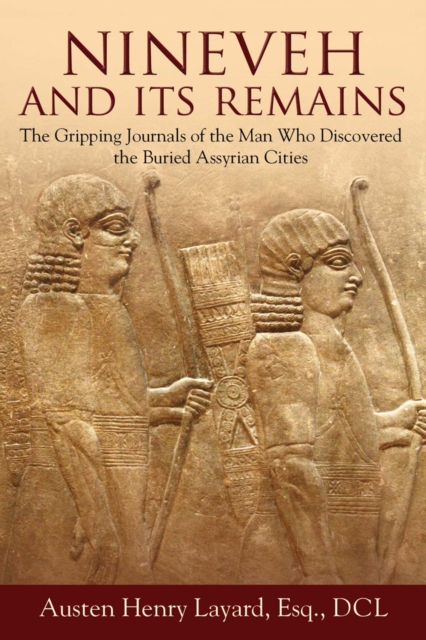
In the middle of the nineteenth century, British archeologist Austen Henry Layard uncovered parts of several ancient Assyrian cities buried beneath the earth, including the capital of the Neo-Assyrian Empire, Nineveh.