From President Nixon's historic visit to China in 1972 to the aftermath of the Tiananmen tragedy, this book examines the changing perceptions of the United States articulated by China's "e;America Watchers,"e; whose occupation is to interpret the "e;beautiful imperialist"e; for China's elite and public.
An iconoclastic history of the first two decades after independence in IndiaNehru's India brings a provocative but nuanced set of new interpretations to the history of early independent India.
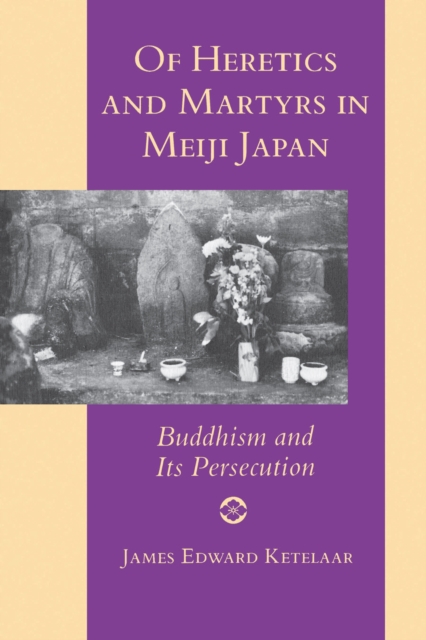
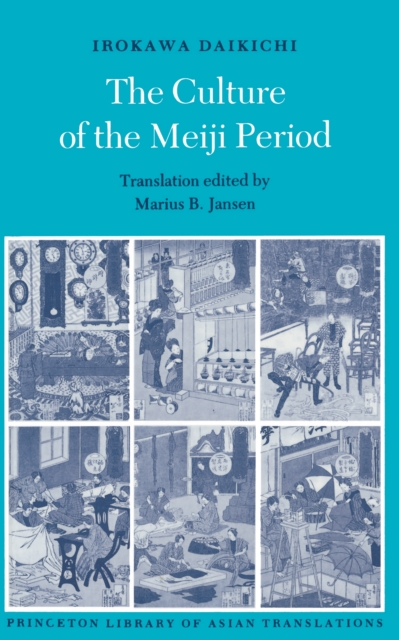
How did Buddhism, so prominent in Japanese life for over a thousand years, become the target of severe persecution in the social and political turmoil of the early Meiji era?
A riveting account of how a popularly elected leader has steered the world's largest democracy toward authoritarianism and intoleranceOver the past two decades, thanks to Narendra Modi, Hindu nationalism has been coupled with a form of national-populism that has ensured its success at the polls, first in Gujarat and then in India at large.
A revealing exploration of political disruption and violence in a rural Chinese county during the Cultural RevolutionA Decade of Upheaval chronicles the surprising and dramatic political conflicts of a rural Chinese county over the course of the Cultural Revolution.
These essays, by thirteen specialists from Japan and the United States, provide a comprehensive view of the Japanese empire from its establishment in 1895 to its liquidation in 1945.
Cultural Realism is an in-depth study of premodern Chinese strategic thought that has important implications for contemporary international relations theory.
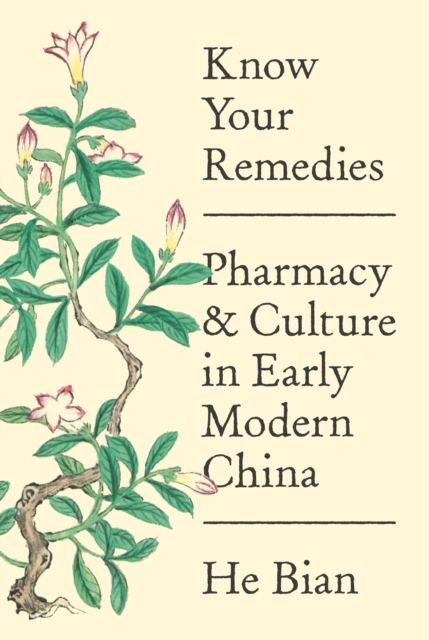
A cultural history of the concept of pharmacy, both the material nature of drugs and the trade in medicine, in early modern China Know Your Remedies presents a panoramic inquiry into China's early modern cultural transformation through the lens of pharmacy.
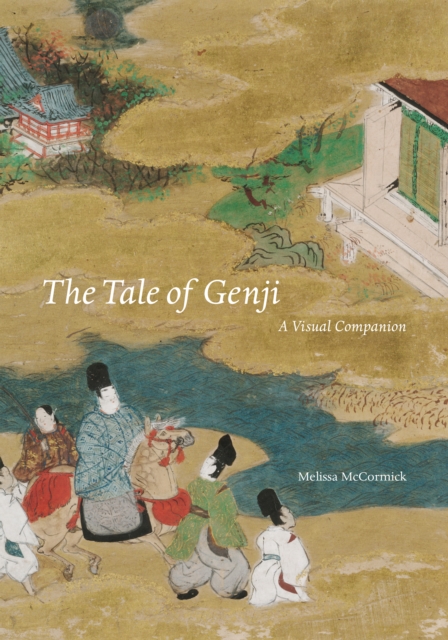
An illustrated guide to one of the most enduring masterworks of world literatureWritten in the eleventh century by the Japanese noblewoman Murasaki Shikibu, The Tale of Genji is a masterpiece of prose and poetry that is widely considered the world's first novel.
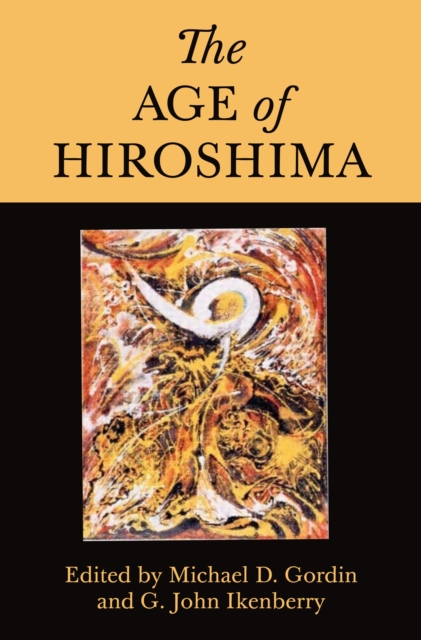
A multifaceted portrait of the Hiroshima bombing and its many legaciesOn August 6, 1945, in the waning days of World War II, the United States dropped an atomic bomb on the Japanese city of Hiroshima.
It has long been contended that the Indian Constitution of 1950, a document in English created by elite consensus, has had little influence on India's greater population.
A groundbreaking look at how the interrogation rooms of the Korean War set the stage for a new kind of battle-not over land but over human subjectsTraditional histories of the Korean War have long focused on violations of the thirty-eighth parallel, the line drawn by American and Soviet officials in 1945 dividing the Korean peninsula.
Midnight in Peking is a gripping true murder mystery by Paul FrenchTHE INTERNATIONAL BESTSELLER - AS HEARD ON BBC RADIO 4'A first-rate murder story, a thrilling narrative.
Dieses eBook: "Francisco Pizarro, der Eroberer von Peru (Romanbiografie)" ist mit einem detaillierten und dynamischen Inhaltsverzeichnis versehen und wurde sorgfältig korrekturgelesen.
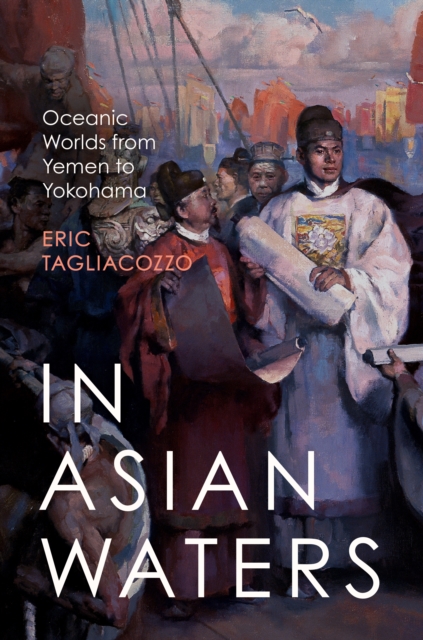
A sweeping account of how the sea routes of Asia have transformed a vast expanse of the globe over the past five hundred years, powerfully shaping the modern worldIn the centuries leading up to our own, the volume of traffic across Asian sea routes-an area stretching from East Africa and the Middle East to Japan-grew dramatically, eventually making them the busiest in the world.
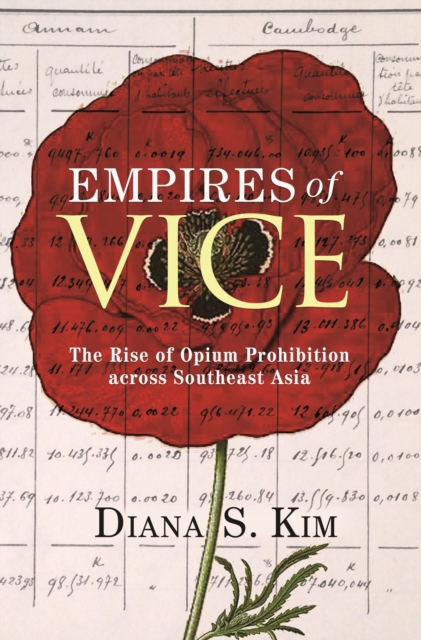
A history of opium's dramatic fall from favor in colonial Southeast AsiaDuring the late nineteenth century, opium was integral to European colonial rule in Southeast Asia.
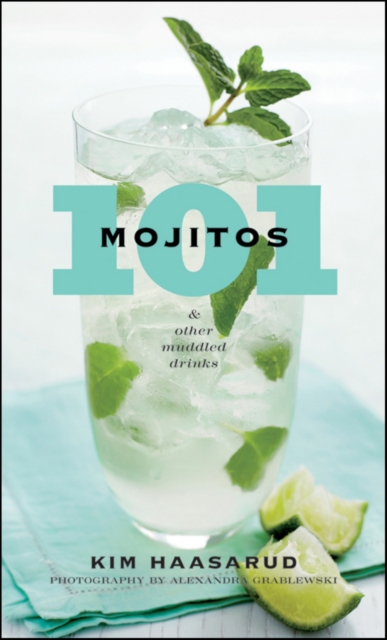
101 cool cocktails for warm-weather fun In the last few years, the mojito has become a staple cocktail at summertime parties and bars across the country.
A richly diverse collection of classical Indian terms for expressing the many moods and subtleties of emotional experienceWords for the Heart is a captivating treasury of emotion terms drawn from some of India's earliest classical languages.
An illustrated guide to one of the most enduring masterworks of world literatureWritten in the eleventh century by the Japanese noblewoman Murasaki Shikibu, The Tale of Genji is a masterpiece of prose and poetry that is widely considered the world's first novel.
A riveting account of how a popularly elected leader has steered the world's largest democracy toward authoritarianism and intoleranceOver the past two decades, thanks to Narendra Modi, Hindu nationalism has been coupled with a form of national-populism that has ensured its success at the polls, first in Gujarat and then in India at large.
This great collection contains over 30 most influential and pivotal speeches by the great British statesman Winston Churchill, including:Liberalism and the Social ProblemThe Conciliation of South AfricaThe Transvaal ConstitutionThe Orange Free State ConstitutionLiberalism and SocialismImperial Preference-I.
The dramatic arc of Saigo Takamori's life, from his humble origins as a lowly samurai, to national leadership, to his death as a rebel leader, has captivated generations of Japanese readers and now Americans as well - his life is the inspiration for a major Hollywood film, The Last Samurai, starring Tom Cruise and Ken Watanabe.
A profoundly different way of looking the Israeli-Palestinian conflictReporting from Jerusalem for The New York Times and Fox News respectively, Greg Myre and Jennifer Griffin, witnessed a decades-old conflict transformed into a completely new war.
In 1851, a sixteen-year-old girl named Yehonala entered the Imperial Palace of China as a concubine third grade, leaving behind her family, the love of her life, and nearly all contact with the outside world.
The first in-depth, authoritative discussion of the role of the press in China and the way the Chinese government uses the media to shape public opinion China's 1.
The first in-depth, authoritative discussion of the role of the press in China and the way the Chinese government uses the media to shape public opinion China's 1.
An in-depth look at the forces and trends changing China and its place in the world China has dominated the news for nearly a decade and will continue to grab headlines as it moves inexorably toward becoming the world's largest economy.
An in-depth look at the forces and trends changing China and its place in the world China has dominated the news for nearly a decade and will continue to grab headlines as it moves inexorably toward becoming the world's largest economy.
The New York Times bestselling author of The Case for Israel takes on the greatest threats faced by Israel todayIn addition to Hamas, which provoked the recent war and Gaza with its rocket attacks on Israeli civilians, Alan Dershowtiz argues that Israel's most dangerous enemies include Jimmy Carter and other western leaders who would delegitimize Israel as an apartheid regime subject to the same fate as white South Africans; Israel's academic enemies, led by professors Stephen Walt and John Mearsheimer, who would accuse supporters of Israel of dual loyalty and indeed disloyalty to America; and Iran, led by Mahmoud Ahmadinejad, which threatens Israel by its development of nuclear weapons, which it has publicly threatened to use against the Jewish state.
The first cocktail book from the award-winning mixologistMasahiro Urushido of Katana Kitten in New York City, on the craft ofJapanese cocktail making Katana Kitten, one of the world's most prominent and acclaimed Japanese cocktail bars, was opened in 2018 by highly-respected and award-winning mixologist Masahiro Urushido.