A collection of Irish whiskey recipes from the acclaimed Dead Rabbit in New York CityThe folks behind the world-renowned, award-winning Irish pub, Dead Rabbit, know a thing or two about whiskey, and about making great whiskey cocktails.
90 spirit-free cocktail recipes from leading and lauded mixologists across the country More than 100 years after Prohibition was enacted, bartenders are actually excited about people not drinking again.
A FINANCIAL TIMES AND NEW STATESMAN BOOK OF THE YEAR 2023 Johnson s stories bring this history chillingly alive Christina Patterson, Sunday Times'An indelible feat of reporting and an urgent read .
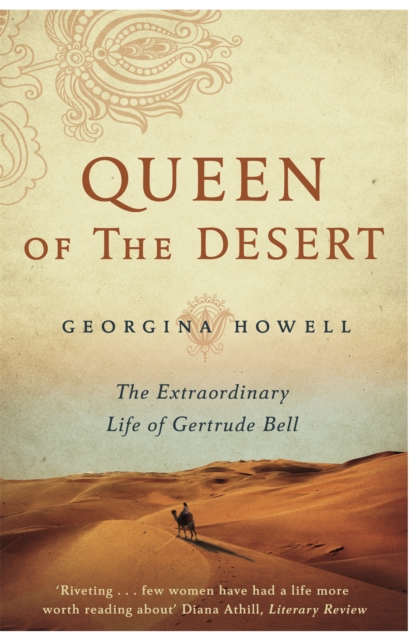
Archaeologist, spy, Arabist, linguist, author, poet, photographer, mountaineer and nation builder, Gertrude Bell was born in 1868 into a world of privilege and plenty, but she turned her back on all that for her passion for the Arab peoples, becoming the architect of the independent kingdom of Iraq and seeing its first king Faisal safely onto the throne in 1921.
The abuse of power, genocide, the destruction of total war, unimaginable cruelty and the suffering of millions were all central features of Hitler's Nazi regime.
In Rana Mitter's tense, moving and hugely important book, the war between China and Japan - one of the most important struggles of the Second World War - at last gets the masterly history it deservesDifferent countries give different opening dates for the period of the Second World War, but perhaps the most compelling is 1937, when the 'Marco Polo Bridge Incident' plunged China and Japan into a conflict of extraordinary duration and ferocity - a war which would result in many millions of deaths and completely reshape East Asia in ways which we continue to confront today.
With Bin Laden dead, Pakistan threatened by internal power struggles, relationships between the United States and Pakistan at an all-time low, and as the US and Britain begin their withdrawal from Afghanistan, what are the possibilities-and hazards-facing the world's most unstable region?
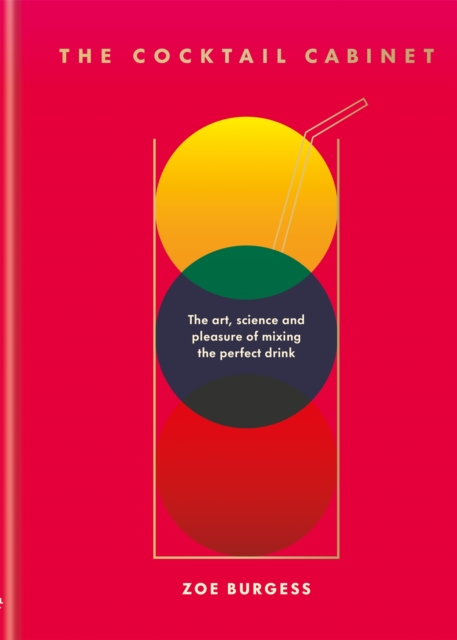
***In THE COCKTAIL CABINET flavour expert Zoe Burgess demystifies cocktails, explaining and exploring the structures, flavour profiles and techniques used.
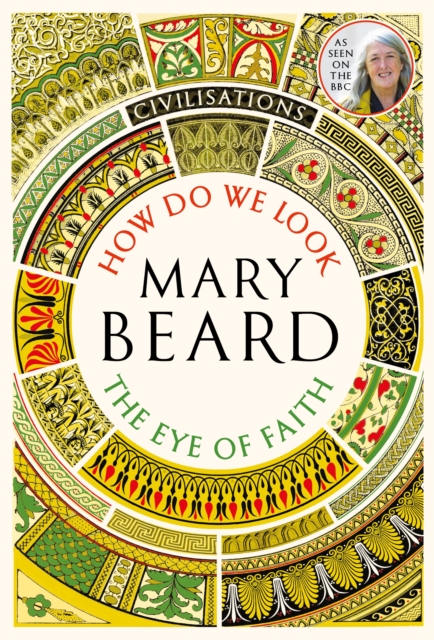
'The reigning Queen of Classics' Spectator'Mary Beard is the best in the business' Dan Snow'Excellent' Guardian'Enthralling' Sunday TimesBritain's most famous classicist asks: what are civilisations?
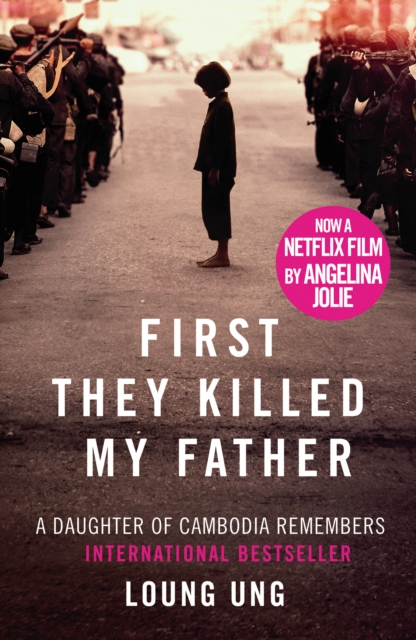
A major film, co-written and directed by Angelina Jolie Until the age of five, Loung Ung lived in Phnom Penh, one of seven children of a high-ranking government official.
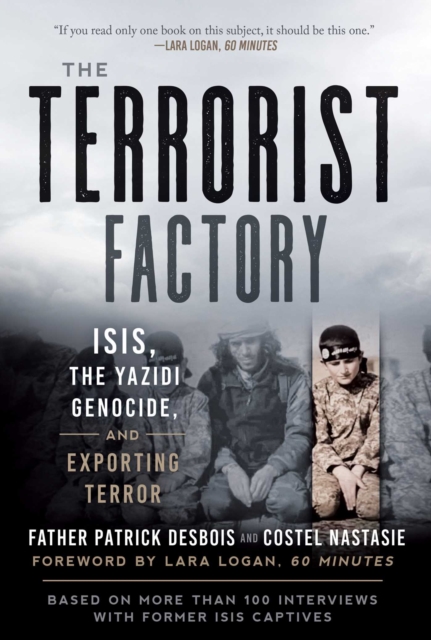
A riveting, behind-the-scenes look of the Yazidi genocide and the terrorist threat it holds for the West, based on the investigation by Father Patrick Desbois, Costel Nastasie, and their team at YahadIn Unum, as first shown on 60 Minutes.
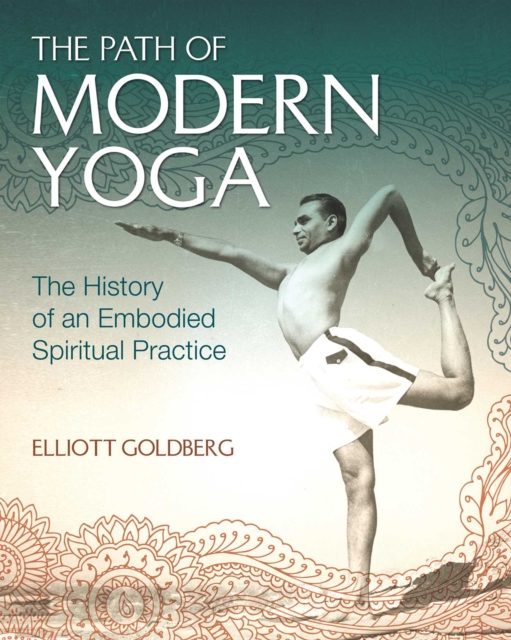
A history of yogas transformation from sacred discipline to exercise program to embodied spiritual practice Identifies the origin of exercise yoga as Indias response to the mania for exercise sweeping the West in the early 20th century Examines yogas transformations through the lives and accomplishments of 11 key figures, including Sri Yogendra, K.
Danilou's powerful rebuttal to the conventional view of India's history, which calls for a massive reevaluation of the history of humanity Explores historical occurrences from each major time period starting with the first appearance of man 30,000 years ago Couples the clarity and perspective of an outsider with the unique and specific knowledge of an insider By the internationally recognized Hindu scholar and translator of The Complete Kama Sutra (200,000 copies sold)Alain Danilou approaches the history of India from a new perspective--as a sympathetic outsider, yet one who understands the deepest workings of the culture.
The first English translation with commentary of three classic Taoist texts on immortality Translates The Jade Emperors Mind Seal Classic, The Immortals, and The Three Treasures of Immortality Defines the Taoist concept of immortality and examines the lives and practices of Taoists who achieved this state Reveals the steps needed to achieve immortality in our modern societyTaoist mystics claim that it is possible to achieve immortality: Within each of us dwells the medicine to cure the affliction of mortality.
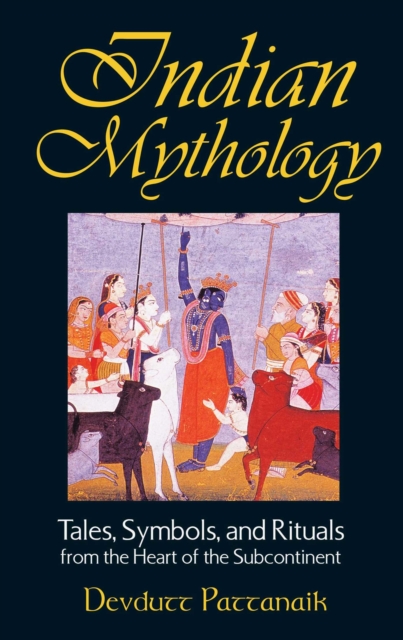
An exploration of 99 classic myths of India from an entirely non-Western paradigm that provides a fresh understanding of the Hindu spiritual landscape Compares and contrasts Indian mythology with the stories of the Bible, ancient Egypt, Greece, Scandinavia, and Mesopotamia Looks at the evolution of Indian narratives and their interpretations over the millennia Demonstrates how the mythology, rituals, and art of ancient India are still vibrant today and inform the contemporary generationFrom the blood-letting Kali to the mysterious Ganesha, the Hindu spiritual landscape is populated by characters that find no parallel in the Western spiritual world.
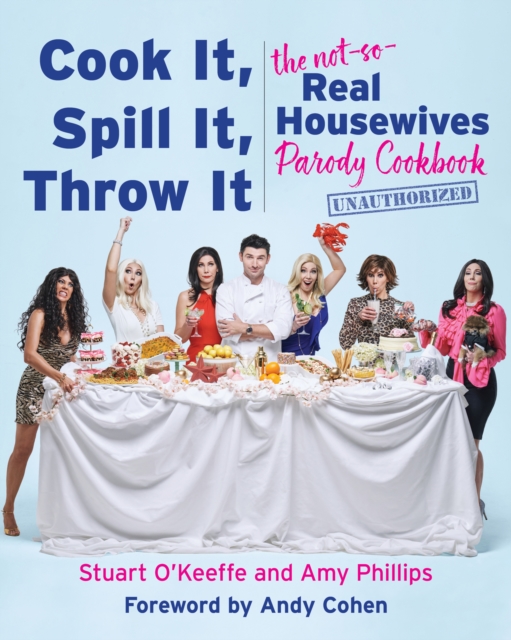
Celebrity chef Stuart O'Keeffe and comedian Amy Phillips razz the Real Housewives in this gorgeous cookbook filled with recipes inspired by iconic moments in the franchises rich history.
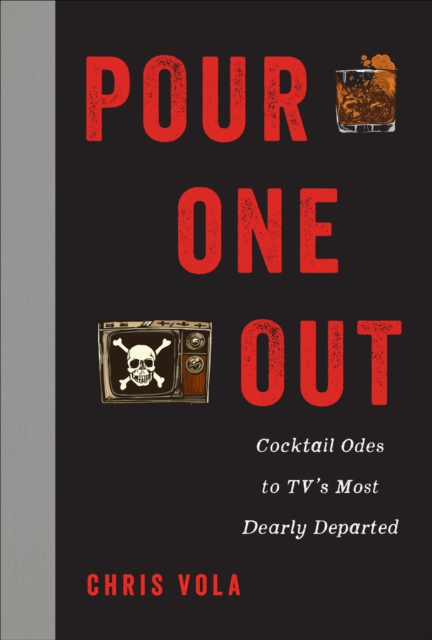
Whether you love The Wire or Parks and Recreation, all television fans have one shared experience: the singular and devasting loss that comes from a dear character being written off a show before you-or any of us-had the chance to say goodbye.
In The Impossible State, seasoned international-policy expert and lauded scholar Victor Cha pulls back the curtain on provocative, isolationist North Korea, providing our best look yet at its history and the rise of the Kim family dynasty and the obsessive personality cult that empowers them.
#1 New York Times BestsellerFollowing the launch of her #1 New York Times bestselling cookbook, Magnolia Table, and seeing her familys own sacred dishes being served at other families tables across the country, Joanna Gaines gained a deeper commitment to the value of food being shared.
*SHORTLISTED FOR THE HWA NON-FICTION CROWN*Meet the three women who helped shape the course of modern Chinese history; a gripping story of sisterhood and betrayal from the bestselling author of Wild Swans.
This updated edition features recipes from the world's greatest mixologists, including 107 classic gin and vodka Martinis, more than 110 Modern Martinis, and a directory of the world's best Martini loungesShaken Not Stirred celebrates the Martini the quintessential cocktail, the crowning jewel of civilized decadence.
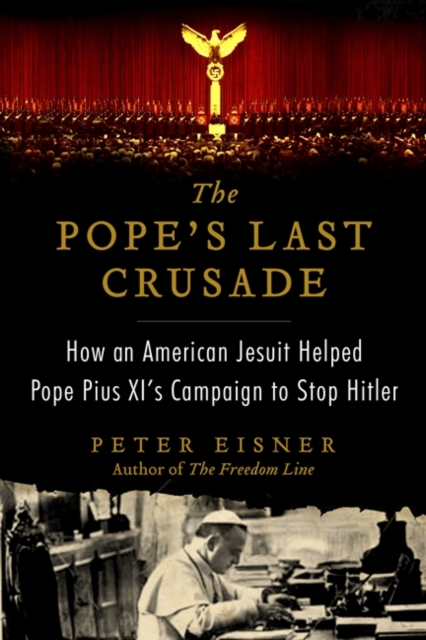
Drawing on untapped resources, exclusive interviews, and new archival research, The Pope's Last Crusade by Peter Eisner is a thrilling narrative that sheds new light on Pope Pius XI's valiant effort to condemn Nazism and the policies of the Third Reich-a crusade that might have changed the course of World War II.
The definitive account of North Korea - its veiled past and uncertain future - from former White House adviser and Korea expert Victor Cha We killed Americans.
An indispensable follow-up to his classic Complete Book of Mixed Drinks, Anthony Dias Blue presents The Complete Book of Spirits, a comprehensive collection of history, lore, and tasting tips, along with recipes for select cocktails.
Queen of the Desert is the compelling story of Gertrude Bell, archaeologist, linguist, and author whose passion for the Arab peoples turned her into an architect of the independent kingdom of Iraq, a role driven by an unyielding spirit.
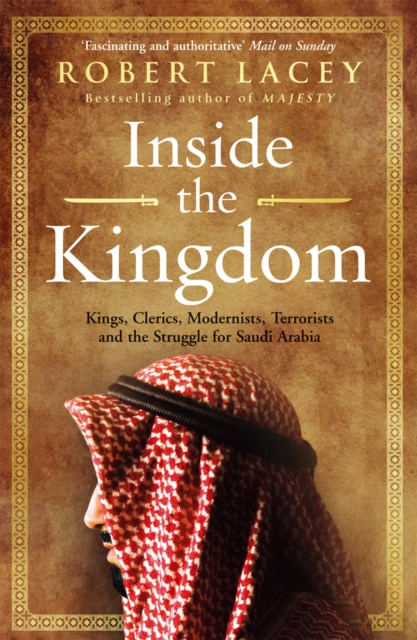
Saudi Arabia is a country defined by paradox: it sits atop some of the richest oil deposits in the world, and yet the country's roiling disaffection produced sixteen of the nineteen 9/11 hijackers.
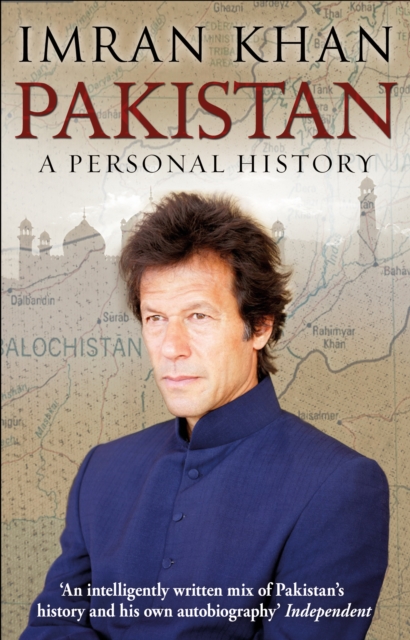
"e;A must-read for anyone interested in the intrigue of politics in the most dangerous country on earth"e; (The Sunday Times)Read the unique insider's view of a country unfamiliar to a Western audience, seen through the eyes of the man set to become Pakistan's new Prime Minister.
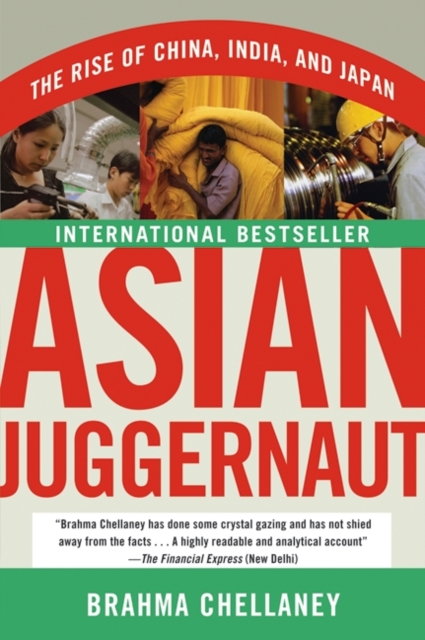
In Asian Juggernaut, the revelatory and important International Bestseller by Brahma Chellaney, a renowned authority on Asia's political and economic development offers an incisive and insightful analysis of the region's pivotal role on the world stage.
The New York Times bestselling author of 1421 offers another stunning reappraisal of history, presenting compelling new evidence that traces the roots of the European Renaissance to Chinese exploration in the fifteenth centuryThe brilliance of the Renaissance laid the foundation of the modern world.